





Ten good reasons to exercise regularly
 Author:
 Movement is life & life is movement. A simple combination that perfectly captures the essence and importance of movement to our entire existence. The body is simply made to move - every day, regularly, and we need to load it from different angles and give it incentives to improve, strengthen, grow and develop, in short, to keep it in good shape. Conversely, lack of exercise leads to many negative health complications. If you're planning to include regular physical activity as part of your New Year's resolutions, then today we're going to tell you ten great benefits that will definitely leave you in no doubt that regular exercise is a great idea.
Reason number one - moving for overall health and protection from chronic disease
As mentioned in the introduction, movement is an essential part of the health puzzle and it should come naturally to us to engage in it. Regular exercise is important, for example, for the proper function and health of the cardiovascular system. People who indulge in regular exercise have a much lower risk of developing diseases affecting the heart and blood vessels. Regular physical activity also helps regulate blood pressure, which is also beneficial for heart health. Regular exercise also increases the sensitivity of tissues to insulin, and this is effective in preventing the development of diabetes and insulin resistance. Another area of health that can be very well regulated by movement is cholesterol levels. Regular moderate-intensity physical activity can raise HDL ("good") cholesterol while regulating LDL ("bad") cholesterol.

It is also worth noting the role of exercise in cancer prevention, which is being confirmed by more and more studies. Exercise can help reduce the risk of several types of cancer - such as breast, colon, rectal, endometrial and others. This is likely due to the fact that exercise ensures a healthy body composition and promotes overall body functionality. To make matters worse, regular exercise is also beneficial for our brains, good memory, and can be effective in preventing the development of Alzheimer's disease or dementia. Exercise also helps build bone density, which can be an important protection against the development of osteoporosis. And perhaps such swimming can even be a useful activity in recovering from injuries.
Reason number two - better memory, concentration and productivity
Movement can also boost cognitive function and increase our productivity. When we move, our heart rate increases, which promotes blood and oxygen flow to the brain. Movement can also stimulate the production of hormones that promote brain cell growth. As already mentioned - movement can be effective in preventing chronic diseases, which can translate into benefits for the brain as its function can be strongly affected by these conditions. Regular physical activity is particularly important in older adults because aging - combined with oxidative stress and inflammation - contributes to changes in brain structure and function. Exercise has been shown to cause an increase in the size of the hippocampus, a part of the brain that is absolutely crucial for memory, which can help improve mental function (not just) in older adults.

8 negative consequences of a long-term sedentary lifestyle
Reason number three - movement simply makes you feel happier
Movement, whether we're talking about weight training, running, team sports or a simple walk, is well known to have the ability to reduce feelings of stress, anxiety and is even a good way to combat depression. In addition, exercise can increase the production of endorphins, hormones that are known to help create positive feelings and make us feel happier. Moreover, it doesn't matter how long the physical activity is - which, incidentally, is confirmed by the results of a number of studies. Movement is such a therapy, free of charge and constantly available to anyone who wants to engage in it. Its effects in reducing depression come after just a few minutes of movement, which is why movement is often recommended as part of therapy. And, of course, the reverse is also true - people who move little, irregularly or even not at all are, according to research, more prone to depression and often suffer from anxiety.

Reason number four - better quality sleep
There is another absolutely crucial issue associated with regular physical activity, and that is nothing less than quality sleep. At the same time, quality sleep is associated with a huge range of other important benefits for health, productivity, fat reduction, muscle gain and athletic performance. Physical activity affects sleep quality in several ways. One reason is that we tire the body and it simply feels the need to regenerate, which logically happens during sleep, regular physical activity also helps regulate body temperature during sleep, and we can also find studies where participants confirm that regular physical activity makes it easier to fall asleep. In general, more active people are less likely to complain about difficulty falling asleep or the quality of their sleep in general. There is even research confirming that regular physical activity benefits sleep quality in patients suffering from chronic sleep problems.
And what kind of movement works best in this regard? It doesn't really matter, move in the way that is most comfortable for you. In fact, both aerobic exercise alone and aerobic exercise combined with strength training can improve sleep quality. But of course, too much of anything is bad for you and if you train too intensely or give your body too much room to recover, your sleep quality can deteriorate rapidly. Also, beware of engaging in too much intense activity shortly before bedtime.

Reason number five - moving to a strong body, sexy curves and higher self-esteem
Not just to talk about the "invisible factors", we must also mention that physical activity is extremely important for shaping the body, keeping fit and building self-esteem. These pleasant side effects can be caused by a properly set training plan combined with an adequate diet. When it comes to body shaping and muscle building, strength training seems to be the most effective, both for men and for the fairer sex. So, if your goal is a firm butt, broad shoulders, muscular arms or simply to have a nicely toned and sculpted body, a great strategy is to engage in regular physical activity - of course, you don't have to just go to the gym, but it is very advisable to load the body from different angles and with different types of activities.

Being nicely sculpted will also make you feel more confident, which will positively affect other parts of your life. At the same time, it is also important to say that even in later life, it is a very desirable strategy to continue to exercise and work on yourself, because this is the only way to avoid radical loss of muscle mass, which can lead to a number of negative health complications.
Reason number six - easier and faster fat reduction
If your goal is to reduce, it will not surprise you to know that it is a very appropriate strategy to apply a reasonable caloric deficit and add a sensible set of physical activity that we should engage in regularly. Of course, it is possible to lose weight using calorie deficit alone, but if we add movement, the results will be much faster and more pronounced. It may still surprise some people, but strength training, HIIT or a combination of cardio and strength training is also very effective in this respect. It is well known that after activities such as strength training or HIIT, the energy burning does not stop with the workout alone, but thanks to the afterburn effect you will continue to burn for many hours after you have long finished the workout (specifically it is stated 24 - 48).

In addition, muscles need a lot of energy to function, so in fact, in a simplistic way, we can say that muscles can make our calorie deficit very pleasant to maintain, because when you burn more calories, you can take in more calories. There's also emerging evidence that exercise makes it much easier to control cravings, treat your body to good nutrition and overall calorie intake. After all, who would want to fill their hard-worked body with poor quality fuel.
Reason number seven - better sex life
Yes, it's true, athletes generally have a much more fulfilling sex life than people who don't play sports. In fact, the results of a number of studies confirm that exercise helps increase sexual desire. Regular exercise can strengthen the heart, improve circulation, firm muscles and improve flexibility, and all of these can improve your sex life. Physical activity can also improve sexual performance while increasing the frequency of sexual activity. And this positive side effect of exercise again applies to any sporting activity you can think of, including a simple walk for a few minutes. In addition, there is also emerging research that confirms the positive effect of exercise on sexual function in individuals suffering from sexual dysfunctions such as erectile dysfunction. It is also important to say that the increased self-esteem we gain through exercise plays a role in this regard.
Recommended
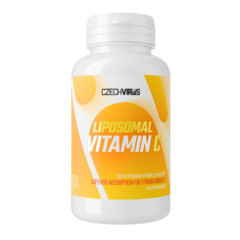
Czech Virus Liposomal Vitamin C
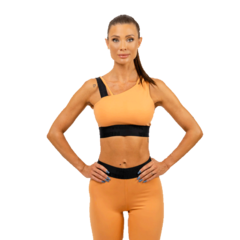
Nebbia Asymetrická sportovní podprsenka ELITE 469
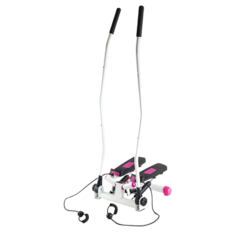
HMS Twist Stepper s úchopy S 3085
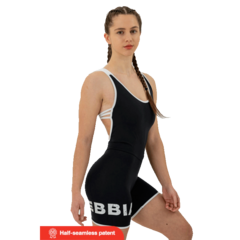
Nebbia Fitness overal 5” HAMMIES 603
Reason number eight - moving for healthier skin
The health and appearance of our skin is influenced by a variety of factors. One of the main ones is oxidative stress. Oxidative stress occurs when the body's antioxidant defenses cannot fully restore cell damage caused by compounds known as free radicals. This can damage the structure of the cells and negatively affect the condition of the skin. Although intense and strenuous physical activity can contribute to oxidative damage, regular sports activity, on the other hand, can promote the production of antioxidants that protect and cleanse the skin. Exercise also increases blood flow, which can help fight the negative effects of aging.
Reason number nine - you'll feel energised
Although a proper workout is often very exhausting, you'll know the feeling afterwards when you feel absolutely incredible. Exercise can be a real source of energy for many people, including those with various health conditions. For example, study results show that adequate physical activity can help treat chronic fatigue syndrome precisely by boosting energy levels. And let's not forget the fantastic benefits of exercise for heart and lung health. Aerobic exercise strengthens the cardiovascular system and improves lung health, which can greatly help with energy levels. The more we move, the more blood the heart pumps and the more oxygen it delivers to the working muscles. With regular exercise, the heart becomes more efficient at moving oxygen to the blood, which will also make our muscles more efficient and we can train more intensely. In addition, exercise has been shown to increase energy levels in people with serious illnesses such as cancer.
Reason number ten - exercise for a long life
Regular physical activity is not only important for fat reduction, maintaining a healthy fat-to-muscle ratio and increased self-esteem, but it is also an integral part of the overall health puzzle and is absolutely essential for life itself. Some scientific studies point to the fact that people who engage in regular physical activity have a higher chance of living longer. In fact, regular physical activity reduces the risk of premature death not only from heart disease but also from certain types of carcinogenic diseases, see previous points. In short, regular exercise is good for overall health and it is scientifically proven that active people have a better quality of life and live longer. And those few minutes a day are definitely worth it!
What to take away from the article?
Regular exercise is an integral part of overall health. Today, we've listed ten amazing benefits that regular exercise can bring - from increased self-esteem thanks to built muscles and a strong body, to better sleep, sex life, better memory and more energy during the day, to the fact that regular exercise is very effective in preventing a range of diseases. And the list of positives by no means ends there! So, if regular exercise is not one of your priorities, you should definitely consider that it should be. And it doesn't have to be a daily visit to the gym - it is advisable to alternate activities and load the body from different angles and with different activities. Need more motivation to get moving?
Sources:
Ruegsegger, G. N., & Booth, F. W. (2018). Health Benefits of Exercise. Cold Spring Harbor perspectives in medicine, 8(7), a029694. https://doi.org/10.1101/cshperspect.a029694
Ensari, I., Sandroff, B. M., & Motl, R. W. (2016). Effects of Single Bouts of Walking Exercise and Yoga on Acute Mood Symptoms in People with Multiple Sclerosis. International journal of MS care, 18(1), 1-8. https://doi.org/10.7224/1537-2073.2014-104
Anderson, E., & Shivakumar, G. (2013). Effects of exercise and physical activity on anxiety. Frontiers in psychiatry, 4, 27. https://doi.org/10.3389/fpsyt.2013.00027
Gim, M. N., & Choi, J. H. (2016). The effects of weekly exercise time on VO2max and resting metabolic rate in normal adults. Journal of physical therapy science, 28(4), 1359-1363. https://doi.org/10.1589/jpts.28.1359
Myers, J., Kokkinos, P., & Nyelin, E. (2019). Physical Activity, Cardiorespiratory Fitness, and the Metabolic Syndrome. Nutrients, 11(7), 1652. https://doi.org/10.3390/nu11071652
Villareal, D. T., Aguirre, L., Gurney, A. B., Waters, D. L., Sinacore, D. R., Colombo, E., Armamento-Villareal, R., & Qualls, C. (2017). Aerobic or Resistance Exercise, or Both, in Dieting Obese Older Adults. The New England journal of medicine, 376(20), 1943-1955. https://doi.org/10.1056/NEJMoa1616338
Luan, X., Tian, X., Zhang, H., Huang, R., Li, N., Chen, P., & Wang, R. (2019). Exercise as a prescription for patients with various diseases. Journal of sport and health science, 8(5), 422-441. https://doi.org/10.1016/j.jshs.2019.04.002
Larun, L., Brurberg, K. G., Odgaard-Jensen, J., & Price, J. R. (2016). Exercise therapy for chronic fatigue syndrome. The Cochrane database of systematic reviews, 12(12), CD003200. https://doi.org/10.1002/14651858.CD003200.pub6
Bird, S. R., & Hawley, J. A. (2017). Update on the effects of physical activity on insulin sensitivity in humans.BMJ open sport & exercise medicine, 2(1), e000143. https://doi.org/10.1136/bmjsem-2016-000143
Pinckard, K., Baskin, K. K., & Stanford, K. I. (2019). Effects of Exercise to Improve Cardiovascular Health.Frontiers in cardiovascular medicine, 6, 69. https://doi.org/10.3389/fcvm.2019.00069
Mann, Steven et al. "Differential effects of aerobic exercise, resistance training and combined exercise modalities on cholesterol and the lipid profile: review, synthesis and recommendations."Sports medicine (Auckland, N.Z.) vol. 44,2 (2014): 211-21. doi:10.1007/s40279-013-0110-5
de Sousa, C. V., Sales, M. M., Rosa, T. S., Lewis, J. E., de Andrade, R. V., & Simões, H. G. (2017). The Antioxidant Effect of Exercise: A Systematic Review and Meta-Analysis.Sports medicine (Auckland, N.Z.), 47(2), 277-293. https://doi.org/10.1007/s40279-016-0566-1
Kirk-Sanchez, N. J., & McGough, E. L. (2014). physical exercise and cognitive performance in the elderly: current perspectives.Clinical Interventions in Aging, 9, 51-62. https://doi.org/10.2147/CIA.S39506
Yang, P. Y., Ho, K. H., Chen, H. C., & Chien, M. Y. (2012). Exercise training improves sleep quality in middle-aged and older adults with sleep problems: a systematic review.Journal of physiotherapy, 58(3), 157-163. https://doi.org/10.1016/S1836-9553(12)70106-6
JiannineL. M. (2018). An investigation of the relationship between physical fitness, self-concept, and sexual functioning. Journal of education and health promotion, 7, 57. https://doi.org/10.4103/jehp.jehp_157_17
No posts have been made yet.








