7 simple ways to fight fatigue
 Author:
 During the change of seasons, there are often times when we feel more tired than at other times. If the onset of winter makes you feel sleepy, inefficient, harder to concentrate, lift less at the gym and feel like you need to take your coffee intravenously, we can reassure you - you're not alone. But the good news is that there are plenty of ways to get your energy back up and feeling good. And you might be surprised at how little it actually takes - let's take a look together at a few simple tips you can start practicing today and we guarantee you'll feel energized and just glow again.

Get plenty of quality sleep
Yes, when it comes to ways to get rid of fatigue, we can't start with anything other than just quality sleep. We bring up the point of it quite often, but it has to be said that it never hurts. In fact, due to the ever-increasing demands of today's society, we often resort to shortening our sleeping time in order to meet our work or school assignments. Lack of sleep is the most common reason why we feel tired, lacking energy, obnoxious and unfocused. You may think X hours of sleep a day is a waste, but the opposite is true. Getting enough sleep - both in terms of time and quality - is essential for a healthy body composition, optimal performance at the gym and at work, and of course for health in general. The optimal amount of sleep is completely different for each of us - some people need 7 hours, others need their 8 hours, and both are perfectly fine. Experts recommend that we adults should allow ourselves 6-9 hours a day. If you're having trouble sleeping, you can try sleep rituals, herbs, or bet on supplements such as melatonin.

Try to eliminate stress
We know... especially in recent years, when stress is weighing on us a little more than perhaps it did before, it's really hard to eliminate or reduce stress. Excessive stress can take a toll on physical and mental health, but it's also closely related to fatigue and energy levels. If you feel stressed often, find the factors that stress you the most and try to reduce their effects in some way. It's clear that we will always be under stress in some form, but the question is whether there is anything in our lives that is stressing us unnecessarily more than is healthy and whether we can do anything about it.
Stress and everyday worries use up a lot of energy, so try to incorporate some relaxing activities into your daily routine. As part of your stress management, try to find more time for yourself, go for a walk, exercise, buy good quality ingredients and cook some healthy and tasty food, call friends or take a fragrant bath. However, it is important to remember that if you are feeling very stressed and your anxiety is frequent or is affecting you in a major negative way, it may be advisable to seek professional help.
Fine-tune your diet
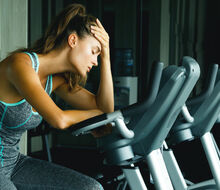
Speaking of energy, let's not forget the biggest source of it - food. If you often feel tired, lacking energy and irritable, it won't hurt to adjust your eating habits as well. Adequate calorie intake and quality ingredients are the basis for health and, of course, are also behind how we feel and how much energy we have. We should not only consider the quantity in our diet, but also the quality of the food we consume. The main part of our diet should consist of the least processed foods possible. Nor should we neglect sufficient variety to ensure that we supply the body with the various nutrients, vitamins and minerals it needs to function. On the other hand, consuming large amounts of processed foods high in sugar and fat can negatively affect both energy levels and overall health.


We should be wary of all extreme dietary guidelines and excessive reduction of caloric intake. The body simply needs energy, even during a reduction. This is because severe dietary restrictions can result in a lack of calories and essential nutrients such as iron, which can take a toll on energy levels but also on a whole host of other health aspects. Thus, even when reducing, the goal should not be to eat little, but to eat right. Skipping meals is not a good strategy either - some studies show that skipping meals can be linked to excessive fatigue, anxiety and poor attention span. In short, making time to eat should be one of everyone's top priorities.
Don't forget to drink enough
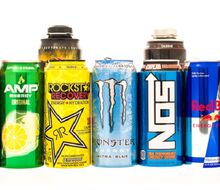
We will smoothly follow up on the previous point and remind ourselves that as well as sufficient caloric intake, we should also think about drinking. Although there is no generally valid optimum for how much water we should drink in a day, we should remember that we need to drink too. Drinking should ideally consist of plain water or unsweetened teas and minerals. Adequate coffee consumption does not hurt either. On the other hand, we should forget about juices and sweetened sodas, thanks to which we take in a really large amount of sugar at once, which can have a negative effect not only on our weight, but also on our dental health and energy levels. We should also be careful about consuming energy drinks and definitely should not resort to regular consumption. You can read more about consuming energy drinks in our recent article.
Move, move, move!
Regular exercise is useful not only for fat reduction, but also for the prevention of various diseases such as diabetes, obesity and heart disease. In addition, some research suggests that incorporating regular physical activity into your daily routine can also combat fatigue and boost energy levels. If you feel tired, you probably don't have the mood or energy to exercise at all, but in the long run, regular exercise is an effective and very useful fatigue fighter. And you don't have to work yourself to death in the gym, but even a half-hour walk in the fresh air is enough to kill two birds with one stone - firstly, you'll stretch and secondly, you'll get fresh air into your lungs, which will boost both energy and concentration.
But we should definitely remember that we need to exercise regularly, not just when it's burning. If you read our website regularly, you will not have missed the article in which we discussed the negatives of an excessively sedentary lifestyle, so you know that regular movement should be part of your daily routine. Alternate between different activities, pick something up every now and then, go for a run, go to the pool, go skating, or maybe ski or bike, depending on what time of year it is. Variety of physical activity is extremely important for health and proper body development. And if you don't enjoy it on your own or can't convince yourself, find a partner! I'm sure someone from your family or friends will be happy to join you and you can motivate each other!
Get out into nature
It's not for nothing that they say nature is therapy for the body and mind, and it's completely free and for everyone. Stress is something that runs through everyone's life - some more some less. Especially nowadays, it is extremely important to know how to find ways to vent stress and nature is perfect for this. If you get outside for exercise, even if it's just a walk, you'll get fresh air in your lungs, refresh your mind, relax, get rid of excess cortisol and feel beautiful. In addition, fresh air combined with exercise is an effective weapon in the fight against depression, and even a short moment in the fresh air will cheer you up, improve your mood and make you feel energised. In addition, you'll also boost your immune system and, in the summer, you'll get that all-important vitamin D from the sun.
Recommended
Nebbia Legíny se síťkou s vysokým pasem IMPACT 479
HMS Multifunkční bradla s lavicí PWL8325
Nebbia Washed-off Oversized mikina s kapucí NO BS 371
Nebbia Washed-off oversized tílko MAX OUT 359
Beware of excessive intake of stimulants
If you're feeling tired, it might seem like a good idea to have an extra coffee (or two?). But we shouldn't forget that caffeine is a good servant but a very bad master, and we shouldn't overdo it in the long term. In the short term, higher caffeine intake probably won't do too much harm, but in the long term it can really be a problem. The negatives that excessive caffeine intake can bring are really quite a list - from trouble sleeping, frequent anxiety, indigestion, heart palpitations and of course excessive fatigue.
While one of caffeine's biggest benefits is boosting energy levels, the moment we take a sudden high dose, or the day after we've had a more caffeinated day, caffeine can have the exact opposite effect. Yes, it can indeed happen that if you are studying for an exam, for example, or have a bad night's sleep and make up for it by drinking more coffee or some energy drink, you may feel more alert and perhaps less tired for a few hours, but then the effects will wear off and you will be even more groggy than before. Therefore, it's best to dose caffeine gradually and avoid taking it in the afternoon to avoid disrupting your sleep. The same goes for energy drinks and pre-workout stimulants and burners. Don't forget that foods such as cocoa, chocolate, green tea and others also contain caffeine.
If you'd like a pre-workout supplement that doesn't contain stimulants but can still kick-start your workout, you can choose Prom-in Serious PRE, for example.
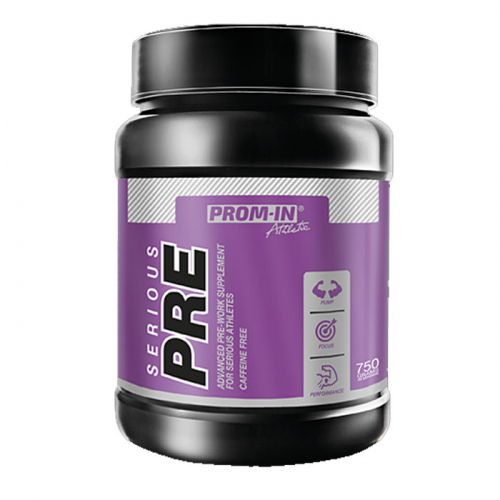
Prom-in SeriousPRE does not contain caffeine or other stimulants! This makes it suitable even for exercisers who go for evening workouts!
What to take away from the article?
Fatigue is something we all struggle with to a greater or lesser extent from time to time. The reason for its onset can be virtually anything - from inadequate caloric intake, to improper eating habits, sleep neglect, sedentary lifestyle to stress. If it persists for a long time and you can't detect the cause, it's best to see a doctor, as all sorts of health complications can be behind excessive fatigue. But often all it takes is a few simple tricks, a slight lifestyle adjustment and the fatigue is gone. Of course, quality and sufficient sleep is the key, but equally important is a properly adjusted, varied and calorie-balanced diet, regular exercise, stress reduction, being outdoors and sufficient hydration.
Sources:
Farhud D. D. (2015). Impact of Lifestyle on Health. Iranian journal of public health, 44(11), 1442-1444.
Bleich, S. N., Jones-Smith, J., Wolfson, J. A., Zhu, X., & Story, M. (2015). The Complex Relationship Between Diet And Health. Health Affairs (Project Hope), 34(11), 1813-1820. https://doi.org/10.1377/hlthaff.2015.0606
Ruegsegger, G. N., & Booth, F. W. (2018). health Benefits of Exercise. Cold Spring Harbor perspectives in medicine, 8(7), a029694. https://doi.org/10.1101/cshperspect.a029694
Larun, L., Brurberg, K. G., Odgaard-Jensen, J., & Price, J. R. (2017). Exercise therapy for chronic fatigue syndrome. The Cochrane database of systematic reviews, 4(4), CD003200. https://doi.org/10.1002/14651858.CD003200.pub7
Adamsson, A., & Bernhardsson, S. (2018). Symptoms that may be stress-related and lead to exhaustion disorder: a retrospective medical chart review in Swedish primary care. BMC family practice, 19(1), 172. https://doi.org/10.1186/s12875-018-0858-7
Hanson JA, Huecker MR. Sleep Deprivation. [Updated 2021 Aug 26]. In: StatPearls [Internet]. Treasure Island (FL): StatPearls Publishing; 2021 Jan-. Available from: https://www.ncbi.nlm.nih.gov/books/NBK547676/
Watson, N. F., Badr, M. S., Belenky, G., Bliwise, D. L., Buxton, O. M., Buysse, D., Dinges, D. F., Gangwisch, J.., Grandner, M. A., Kushida, C., Malhotra, R. K., Martin, J. L., Patel, S. R., Quan, S. F., & Tasali, E. (2015). Recommended Amount of Sleep for a Healthy Adult: A Joint Consensus Statement of the American Academy of Sleep Medicine and Sleep Research Society. Sleep, 38(6), 843-844. https://doi.org/10.5665/sleep.4716
Anderson, Loretta. (2020). SKIPPING MEALS IS ASSOCIATED WITH SYMPTOMS OF ANXIETY AND DEPRESSION IN A NATIONALLY REPRESENTATIVE SAMPLE OF OLDER ADULTS. The American Journal of Geriatric Psychiatry. 28. S128-S129. 10.1016/j.jagp.2020.01.160
Barley, O. R., Chapman, D. W., Blazevich, A. J., & Abbiss, C. R. (2018). Acute Dehydration Impairs Endurance Without Modulating Neuromuscular Function. Frontiers in physiology, 9, 1562. https://doi.org/10.3389/fphys.2018.01562
No posts have been made yet.