What happens to our bodies during sleep? How to get the royal sleep?
 Author:
 Sleep is important to the human body on many different levels, and therefore its quality and quantity should not be taken lightly. Although it is very difficult to shoot from the hip a generally valid time for how many hours we should all sleep, we can say with certainty that long-term lack, but also excess sleep, have a negative effect on health. In fact, sleep and its quality and quantity affect a whole range of bodily processes and, among other things, hormonal balance. Sleep affects, for example, cortisol, the stress hormone, or the hormones leptin and ghrelin, which are responsible for regulating hunger and satiety. Studies show that people who sleep too little are less efficient, moody, and gain weight more easily, but the same is true for individuals who sleep too much. So let's talk a little bit about sleep today - how it actually happens, what it affects and finally, there will be no shortage of tips on how to get a good night's sleep.
Theoretical window - sleep cycle and sleep stages
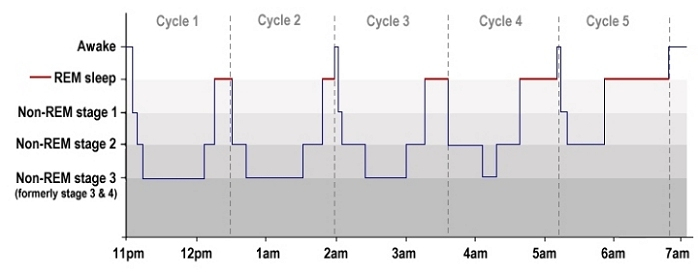
The sleep process consists of three basic cycles - wakefulness, NREM sleep (non rapid eye movement) and REM sleep (rapid eye movement). In a night, we should reach five REM sleep stages and one full sleep cycle lasts 90 - 110 minutes. If we multiply this time by five, we get to somewhere between 7.5 and 8 hours, a time that is considered some sort of universal optimum that we should strive to achieve. But the truth is that the need for sleep - like most other things - is very individual.

The time we sleep (i.e. REM & NREM) can be further divided into 5 phases.
- 1. NREM phase - the so-called phase of really light sleep between wakefulness and sleep, during which we are still aware of our surroundings. It lasts only a few minutes. During it, the heart rate and breathing slows down and there are symbolic muscle twitches - the kind of thing where the person next to you falls asleep and suddenly jerks violently.
- 2. NREM phase - the longest phase (45-50% of the total time) of light sleep, during which eye movements disappear and muscle tension is released. During this phase, body temperature drops, we stop perceiving our surroundings and blood from the brain moves more to the muscles.
- 3. + 4. NREM stage - the third and fourth stages, are sometimes collectively referred to as delta sleep. It is delta sleep that is the most important in terms of recovery, energy replenishment and harmonization of hormone levels. During this phase, a variety of hormones are released that control functions ranging from growth and development, regeneration to appetite. Most regenerative processes take place during this phase and growth hormone secretion also occurs during this phase. Studies suggest that during this phase of sleep, the body excretes up to 70% of the total daily amount of growth hormone.
- REM sleep - The fifth and final part of the sleep cycle is called REM (rapid eye movement) sleep. The name implies that during this phase, rapid eye movement occurs and breathing becomes more rapid. During the REM phase, the brain is almost as active as when we are awake, which is why very vivid dreams are typical of this stage of sleep. During REM, the brain tries to sort through the information it has gathered during the day. The REM phase is absolutely crucial for mental health, as well as concentration and memory. The REM phase always comes at roughly 90-minute intervals. In adults, REM is a relatively short sleep phase (taking up approximately 20-25% of total sleep time), and lengthens after each cycle, while deep sleep (see previous point) shortens.
Sleep = the essence of life
We remind ourselves of the essence of sleep for health, physical and mental performance quite often, but we think it never hurts to do it again. In fact, a number of really important processes happen during sleep. For example, it is crucial for proper regeneration, muscle growth and repair, mental health, memory, cognitive function, but also for the production of various hormones and keeping their levels stable. And it is the regulation of the levels of various hormones that is essential - their long-term instability can cause a number of serious problems, including weight gain, depression, decreased sexual libido, permanent fatigue, irritability, impaired immune function and can also contribute to the development of type 2 diabetes and insulin resistance.

Sleep and hormones
Sleep is an important regulator of metabolism, the process of many chemical reactions in the body during which food is converted into energy. Poor or insufficient sleep can directly affect the production and levels of the hunger and satiety hormones leptin and ghrelin, which can lead to both hunger and cravings during the day. To less nutritious foods, and hand in hand with that, weight gain. Adequate amounts of sleep are important not only for stable levels of hunger and satiety hormones, but also for cortisol, a steroid hormone produced by the adrenal glands that is also known as the stress hormone. Cortisol also affects many other hormones in the body, and if we don't get enough sleep, cortisol levels are high in the morning, which can disrupt the action and stability of many other hormones.

Speaking of hormones, let's not forget melatonin. Just the fact that it is called the sleep hormone must make it obvious how important melatonin will be for our sleep. Melatonin helps to regulate our circadian rhythm - a kind of internal body clock that allows us to fall asleep and wake up again. Another hormone that is very closely tied to quality sleep is testosterone - if we don't get enough quality sleep, testosterone production drops, which among other things makes it very difficult to build muscle. And speaking of muscles, last but not least is growth hormone. The moment we sleep little or poorly, the body produces less growth hormone, making us more susceptible to injury, less able to recover, and since growth hormone also affects glucose, lipid and protein metabolism, insufficient levels can have a negative effect on weight and metabolic function in general.
Sleep - an underrated but extremely important part of health!
When it comes to health, people talk much more about a healthy and balanced diet and regular sporting activity rather than good quality sleep. And that is why we need to remind ourselves that sleep is just as important as diet and sport for physical and mental performance and health in general. In this day and age, with society's ever-increasing demands on performance, 7-8 hours of sleep may seem like a waste of time, but the opposite is true. Quality sleep is essential for us to perform adequately - at school, at work and at the gym, to feel good, to be in a good mood, to build muscle or to successfully reduce fat.. in short, it is essential for us to be healthy!
According to studies, adults should get 7-9 hours of sleep a day, but the fact is that the true optimum will be individual for each of us. For some, 6 hours is enough, for others 8 is not enough. It's not just the amount of time we sleep that matters, but the quality of our sleep. If we sleep for 6 hours, we may feel better than those who sleep for 8 - 9 hours with a poorer quality. In short, you need to test for yourself exactly how many hours you need.
Recommended

Reflex Albion Magnesium
Prom-in 100% Magnesium Bisglycinate

Czech Virus ZMA MAX
So how to get a good night's sleep?
Of course, there are plenty of tips on how to get a good night's sleep. So let's talk about a few of them:
- A regular sleep routine and sleep rituals - Ideally, we should go to bed at around the same time every day, as well as get up at around the same time, including weekends. If your body gets used to a routine like this, it will be ready for sleep and you'll quite likely fall asleep much better. It may seem like a great idea to sleep in on the weekend, but that's not quite true. It's also a good idea to create a ritual that your brain registers as a cue that it's time to go to sleep - it could be a warm shower, reading a book, or even a short meditation.

- Create an ideal sleeping space - the room you sleep in should be as dark as possible, well ventilated and at a comfortable temperature (around 18-20°C is said to be optimal). Ideally, the bedroom should only be used for sleep (and sex, of course). The choice of a suitable mattress, pillows and blankets should not be underestimated, and the bed linen should be changed regularly.
- Watch out for stimulants in the afternoon - the quality of sleep is also affected by the intake of caffeine and other stimulants in the afternoon. Coffee, kickers, energy drinks, etc. have the ability to stimulate the nervous system, temporarily blocking the onset of fatigue, and in turn stimulating alertness. We usually enjoy these effects very much, but a larger dose of stimulants in the afternoon or evening can have a really negative effect on our sleep, especially on the process of falling asleep. If you're going to exercise later in the afternoon and taking a kicker, it might not be a bad idea to look for a decaffeinated product.
- Forget alcohol - although it probably seems like a great idea to have a beer or two or a glass of wine to "sleep better", the opposite is true. Consuming alcoholic beverages before bed may help you fall asleep, but the quality of your sleep will suffer greatly. Moreover, alcohol consumption has a negative impact on recovery and if you indulge in alcohol regularly, it can also affect your weight.

- Limit blue light and don't bring your phone to bed - we shouldn't be exposed to blue light for an hour or so before bed. Avoid excessive use of electronics before going to bed. In fact, the blue light that emanates from our phone, computer and TV monitors can disrupt the sleep process. If you want or need to watch an electronic screen before bed, wear blue light-blocking glasses or use a night light setting that turns the screen backlight orange rather than blue.

- Avoid too much activity before bedtime - while regular physical activity is essential for health and should be indulged in every day, it is important to remember that more strenuous activity in the evening or late afternoon can have a negative effect on your sleep. But of course, this is also quite individual - some people are able to fall asleep a few minutes after they come in from a workout, others still feel energized after two hours, so you'll have to test how a given physical activity affects your sleep cycle specifically. It is generally recommended to opt for lighter activities like yoga or some stretching before bed.

- Don't underestimate your diet - as is well known, everything is connected to everything in the body, so of course we must not forget to mention the composition of your diet. If you don't manage to eat during the day and then skip the last one at night, it's no wonder you have a hard time falling asleep. Try to eat a good, varied diet at regular intervals throughout the day. In the evening, we should eat lighter meals that are nutritious enough so that our bodies don't get hungry and wake us up during the night. The last meal before bed should be 1-2 hours before going to sleep, but this will also be very individual. It is certainly not true that we should eat our last meal at 6pm. Definitely avoid eating heavy, fatty or overly spicy foods - fried, fatty, fast food, but also sweets, all foods of this type can cause digestive discomfort, heaviness, a bloated belly - and thus logically sleep difficulties.

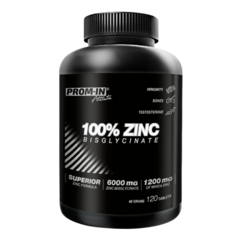
- Add the right supplements to your routine - supplements can also help with falling asleep more easily and the quality of sleep itself. Right off the bat, though, let's be clear that taking supplements isn't self-sustaining, and that unless you change other things as well, it will do you absolutely no good. For example, you can use magnesium in combination with zinc - this pair perfectly complements each other and together they can support regeneration processes, calm the nervous system, and this is very important for a good night's sleep. Melatonin itself, the sleep hormone, is also a great help for better sleep. Melatonin is produced by the body itself and its release is a signal to the body that it is time to go to sleep. The production of this hormone is cyclic, which means that its release into the blood fluctuates during the day and night. Melatonin levels rise the most in the evening and are lowest in the morning. Because melatonin is actually a sleep hormone, dietary supplements with melatonin are a very popular gentle way to treat insomnia. CBD oils are also a new player in this field. We have devoted a fairly comprehensive article to CBD oils and have added it to the link below the paragraph.

What to take away from the article?
Sleep is integral to overall health, athletic and mental performance. In addition to the fact that during it our body rests, regenerates and regains strength, it also harmonizes the levels of a number of hormones. It is then the stable hormone levels that are important for us to feel good, for our body to function properly and perhaps also to build muscle or reduce fat comfortably. It is generally stated that ideally we should sleep 7-9 hours per day, but the actual optimum will be individual for each of us. Sleep is just as important as a proper diet and training plan, so we should definitely not underestimate it. If you're having trouble sleeping, try some of the tips we've put together today!
Sources:
Leproult, R., & Van Cauter, E. (2010). Role of sleep and sleep loss in hormonal release and metabolism. Endocrine development, 17, 11-21. https://doi.org/10.1159/000262524
Knutson, K. L., & Van Cauter, E. (2008). Associations between sleep loss and increased risk of obesity and diabetes. Annals of the New York Academy of Sciences, 1129, 287-304. https://doi.org/10.1196/annals.1417.033
Sharma, Sunil & Kavuru, Mani. (2010). Sleep and Metabolism: An Overview. International journal of endocrinology. 2010. 10.1155/2010/270832.
Zisapel, N. (2018). New perspectives on the role of melatonin in human sleep, circadian rhythms and their regulation. British journal of pharmacology, 175(16), 3190-3199. https://doi.org/10.1111/bph.14116
Sperling M. A. (2016). Traditional and novel aspects of the metabolic actions of growth hormone. Growth hormone & IGF research : official journal of the Growth Hormone Research Society and the International IGF Research Society, 28, 69-75. https://doi.org/10.1016/j.ghir.2015.06.005
Ranke, M., Wit, J. Growth hormone - past, present and future. Nat Rev Endocrinol 14, 285-300 (2018). https://doi.org/10.1038/nrendo.2018.22
Hormone Health Network. "Sleep and Circadian Rhythm | Hormone Health Network." Hormone.org, Endocrine Society, 12 September 2021, https://www.hormone.org/your-health-and-hormones/sleep-and-circadian-rhythm
No posts have been made yet.