





CBD - a useful health supplement or another completely unnecessary investment?
 Author:
 The use of CBD products is currently experiencing an incredible BOOM. When you open up social media, CBD is literally on every corner and is recommended by every other celebrity, bloggers and athletes, in short, people across a wide variety of industries. Creams, ointments, drops, oils... But what's the real deal with CDB, are these drops really as healthful as everyone is pushing on us now, or is it just another HOAX and a wasted investment? Let's discover together the truth about CBD use.
What exactly is CBD and is it a drug?
CBD, or otherwise known as cannabidiol, is the second most abundant constituent of the Cannabis sativa plant species. It is one of more than 100 phytocannabinoids that have been identified in cannabis plants. CBD oil is produced by extracting it from the cannabis plant and then diluting it with a carrier oil, usually coconut or hemp oil. Unlike THC, the main constituent of cannabis, cannabidiol does not produce intoxicating effects. This led scientists to initially believe that CBD was an inactive compound, but it was eventually found that CBD initiates more actions in the central nervous system than THC alone. CBD has been gaining a lot of attention recently because of its potential health benefits.
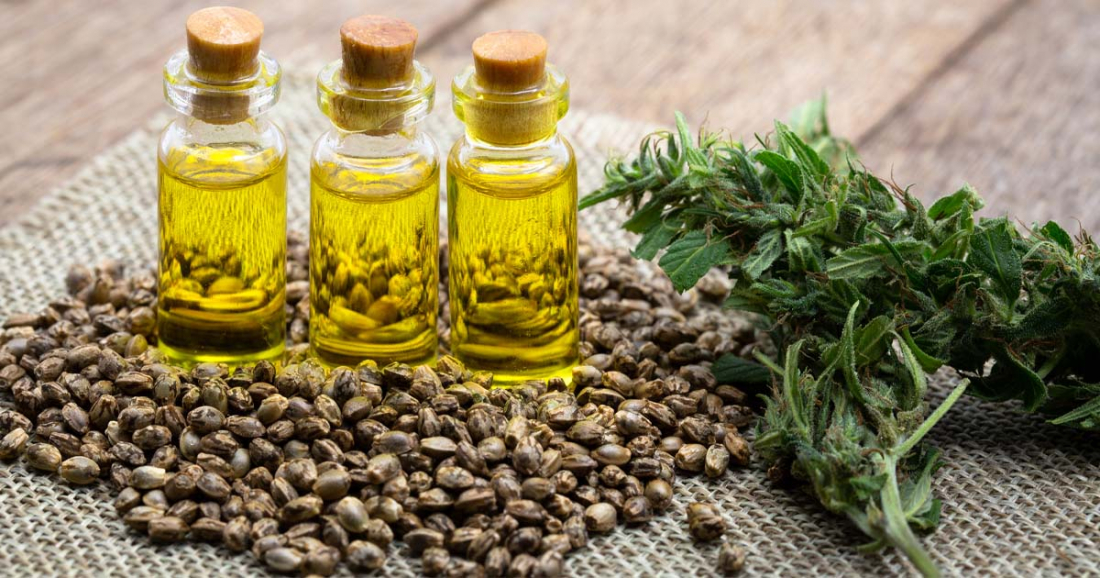
Tetrahydrocannabinol (THC) is the main psychoactive cannabinoid found in cannabis and produces the 'high' feeling often associated with marijuana use. Unlike THC, CBD has a calming effect, but without the intoxicating feeling. It is thought to interact with receptors throughout the body to keep the endocannabinoid system in balance. CBD is an appealing option for those seeking relief from pain and other symptoms without the effects of marijuana or pharmaceutical drugs.
How does CBD work in the body?
Cannabidiol is believed to work in the body by mimicking the effects of compounds called "endogenous cannabinoids" or "endocannabinoids." Scientists have found that there are cannabinoid-like chemicals in the body that interact with receptors that make up the endocannabinoid system, a recently discovered body system that may be one of the most important physiological systems involved in creating and maintaining human health. According to scientific evidence, it influences everything from mood, memory and motor function to immune function, reproduction, bone growth, pain perception, appetite and sleep.
The endocannabinoid system is a biochemical communication system in the body that was discovered about 25 years ago when scientists were studying how THC affects the body. In their research, they uncovered a complex network of cannabinoid receptors that affect cells throughout the body, including the central nervous system. The main job of the endocannabinoid system is to maintain homeostasis in the body, and based on the results of current research, CBD and other cannabinoids appear to help bring everything back into harmony when the balance is disrupted. We'll get to its effects in more detail in a moment.
CBD vs. THC
Once again, it's important to explain exactly what the difference between THC and CBD is. Both of these compounds are found in the Cannabis sativa plant and can be extracted to produce hemp products. There are hundreds of other compounds in cannabis, but these two have received the most attention (at least for now). Yet there is a very fundamental difference. CBD is often mislabeled as a non-psychoactive substance. Are you wondering why incorrectly? You don't have to. CBD is also a mood-altering substance. It has been shown to have alleviating effects on anxiety, depression, pain, appetite, memory, seizures, and other brain activity. It works in tandem with THC and other cannabinoids to affect the central nervous system. CBD does not lead to euphoria or intoxication, but to say it is "non-psychoactive" is actually technically incorrect and misleading. CBD can alleviate some of the side effects associated with THC use and is a suitable alternative for anyone seeking relief from pain or support for depression without experiencing any mind-altering effects.

The power of THC intoxication stems from its ability to mimic anandamide, a naturally occurring endocannabinoid that binds to CB1 receptors in the brain and is associated with improved mood. THC binds to the anandamide CB1 receptor even more tightly than anandamide itself, inhibiting the release of other neurotransmitters. This results in an exaggerated response associated with feelings of euphoria. Compared to THC, CBD has a milder and modulating effect on the receptors. It binds loosely to CB1, resulting in subtle stimulation or blocking of the receptor. CBD acts as a modulator that can enhance or reduce the receptor's ability to transmit a signal. It is thought that this modulation of brain activity may underlie CBD's ability to reduce seizures and symptoms associated with mood disorders such as anxiety and depression.
Benefits of CBD use
Helps treat depression and anxiety
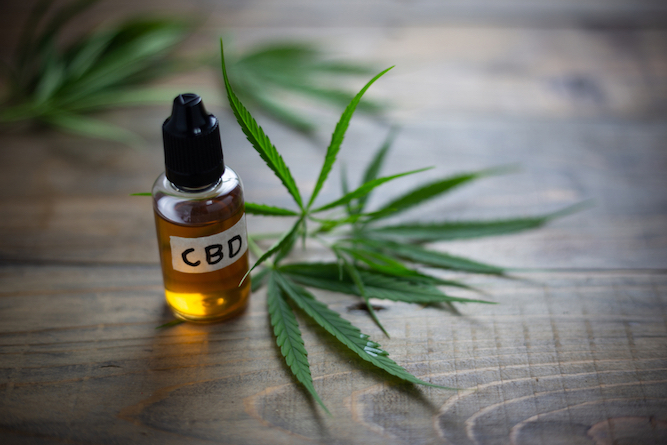
According to the World Health Organization, depression and anxiety are some of the most common health problems in the world in general. Anxiety and depression are usually treated with pharmaceutical drugs, which can cause a number of side effects, including drowsiness or, conversely, insomnia, agitation, sexual dysfunction and headaches. The use of CBD oil is proving to be a promising natural cure for depression and anxiety, as confirmed by most of those who actually use it for the treatment of these illnesses. CBD oil has even been used as a safe treatment for insomnia and anxiety in children with post-traumatic stress disorder. The antidepressant effects have been confirmed in a number of studies, both animal ones and studies with human participants. These effects are likely due to CBD's ability to act on the brain's receptors for serotonin, a neurotransmitter that regulates mood and social behaviour.
It may help with the treatment of acne
Acne is a common skin disease that affects more than 9% of the world's population. Acne can be caused by a variety of factors - poor lifestyle, excessive sebum production, bacteria, food allergies can all be to blame, but acne formation can also be genetic. Based on recent scientific studies, CBD oil can help treat acne due to its anti-inflammatory properties and ability to reduce sebum production. The study states that CBD can reduce the secretion of excess sebum by sebaceous gland cells, has anti-inflammatory effects and prevents the activation of acne-promoting substances such as inflammatory cytokines. More and more studies are concluding that CBD can be an effective natural treatment for acne, and because of its anti-inflammatory effects, it is becoming a frequently sought-after ingredient in skin creams. CBD can therefore be used not only in the form of drops, but also externally - masks, creams, or skin serums.
Potential support for heart health
Recent research has revealed that CBD use may have several benefits for the heart and circulatory system, and even has the ability to reduce high blood pressure. High blood pressure is a common cause of negative health complications such as stroke, heart attack, and metabolic syndrome. Studies suggest that CBD may actually help to lower blood pressure and thus be an effective prevention of the aforementioned diseases. Scientists believe that due to CBD's positive effect on the nervous system in conditions such as depression or anxiety, this calming effect may also have an effect on blood pressure levels. In addition, several animal studies have shown that CBD can help reduce inflammation associated with the development of heart disease due to its powerful antioxidant and anti-stress properties.
It can relieve pain
Cannabis was reportedly used to treat pain as early as the third century BC. In recent years, scientists have rediscovered these positive effects and cannabis is once again at the forefront of natural remedies. As mentioned, the human body has a special system called the endocannabinoid system (ECS) that is involved in regulating various functions, including sleep, appetite, pain and immune system response. The body produces endocannabinoids, which are neurotransmitters that bind to cannabinoid receptors in the human nervous system. Studies have shown that CBD can help reduce chronic pain by affecting endocannabinoid receptor activity, reducing inflammation and interacting with neurotransmitters. A study conducted with human participants concluded that the combination of CBD and THC is even a great help in treating pain associated with multiple sclerosis and arthritis.
It may have neuroprotective properties
Researchers believe that CBD's ability to act on the endocannabinoid system and other brain signaling systems may provide benefits to those with neurological disorders. In fact, one of the most studied uses of CBD is in the treatment of neurological disorders such as epilepsy and multiple sclerosis. Although research in this area is still relatively early, several studies have shown promising results. However, CBD is also being tested on more common disorders such as sleep problems and insomnia. It has also been used in the treatment of Parkinson's or Alzheimer's disease, and research suggests that CBD may potentially help prevent the major cognitive impairments that are typical of these diseases.
Other important benefits
In addition to the aforementioned, CBD offers other health benefits according to studies conducted to date. For example, it may be an effective prevention against the development of diabetes. Studies in animal subjects have also shown that CBD can mitigate or prevent the spread of breast, prostate, brain, colon and lung cancers, suggesting that it may have anti-cancer effects. It may also aid in rehab for heroin and other drug addictions. It is also worth noting its antipsychotic effects, so it may help reduce the negative manifestations of illnesses such as schizophrenia or other mental disorders.
Recommended
Big Zone Magnesium Bisglycinat
OstroVit MgZB Ultra
What benefits does CBD use offer athletes?
Let's move on to what you're probably most interested in. How can CBD actually benefit active people, athletes and those trying to lose weight?
Stress reduction
Perhaps the biggest benefit of CBD in sports is stress reduction. As you may already know, any physical exertion, even though you may not perceive it as such, is stress on the body, and each body handles it a little differently. If we train too often or too hard, stress builds up in the body and we are tired, without energy and unable to train further. CBD helps the body suppress anxiety and stress so athletes can continue exercising without the body's negative reaction. In fact, according to studies, CBD can reduce the secretion of cortisol, the main stress hormone, reducing its overall concentration in the blood. CBD can also reduce post-exercise tension, which is a positive phenomenon when trying to build muscle.

Better sleep and regeneration
Many of us have problems with sleep and sleep quality due to the demands of our time. Getting enough rest and quality sleep is essential for peak physical and mental performance, weight loss, and health in general. If we have trouble sleeping, we are obnoxious, moody, tired, we may have trouble concentrating, but we also have a harder time recovering, so we can forget about any muscle building, and we may also have trouble shedding pounds. More sleep, and especially quality sleep, is one of the most effective ways an athlete can get even better results. Athletes who use CBD agree that they get better, more hearty, higher quality sleep and recover better.
How specifically can CBD affect sleep? It has been mentioned several times above that CBD helps reduce anxiety and stress. CBD helps regulate cortisol levels, which has a significant effect on non-REM sleep cycles. In addition, CBD also provides pain relief, which can be another contributing factor to insomnia. CBD is also a powerful muscle relaxant, which means it can relieve stiffness or pain in muscles.

Possible effect on weight management
Another positive effect of CBD is its potential help with weight management. Of course, if you are trying to lose weight, the key is still proper dieting, i.e. creating a slight calorie deficit and adequate physical activity. There are studies that show a preliminary relationship between CBD, the endocannabinoid system and weight management. CBD stabilizes blood sugar levels and may also reduce appetite. It also promotes sleep quality, another very important, though often overlooked, aspect of smooth fat reduction.
Are there any side effects associated with CBD use?
Research conducted so far suggests that CBD has very few negative effects, and if any do occur, they are very mild. The most common ones are fatigue, irritability, and the least common is nausea. CBD can also inhibit the effects of certain drugs or interfere with their action. If you are taking any medications, check with your doctor about possible interactions before taking CBD.
How to choose the right product and how to dose it?
When it comes to choosing the right product, never look at price alone, but be concerned with quality. The price is usually based on the percentage of CBD content, the higher the concentration of CBD in the product, the higher the price. Usually products range from 500 - 3000 CZK. If you come across a suspiciously cheap product, be cautious. This is because many sellers want to cash in on the growing popularity of CBD and are very deceitful about the quality of the products they offer. Cheap, low-quality products are usually linked by the fact that the sellers have no proof of testing their quality and authenticity, they cannot guarantee that the statements in the advertisement or package insert are true. Verified sellers should provide you with all the necessary information, certifications and proof of origin. You can also reach for organic CBD to avoid ingesting pesticides and other harmful chemicals that can lead to unwanted side effects.
The ideal dosage of CBD is, as in most cases, very individual. It depends on weight, tolerance and genetic makeup. Each of us is unique and must test the right dosage on ourselves. Some will be fine with a really small amount, others will need a higher dose to feel the benefits. Each product should contain a basic recommendation - often based on the weight of the user. It's always a good idea to start with smaller doses and gradually increase so you can monitor your body's reactions. Once you find your optimal dose, you don't need to increase it any further. CBD products are also unique in that you won't need to take more percentage oils over time, on the contrary - the better you feel, the less CBD you will need.
What to take away from the article?
CBD oil has recently become a very popular tool for dealing with many health issues, but also for enhancing athletic performance. It is most commonly used to treat and alleviate symptoms of depression or anxiety, can reduce cortisol levels, can improve sleep quality, boost cognitive function and of course, sports performance, muscle growth and fat reduction. It is also very effective in the treatment of acne. It offers a promising solution for those who are looking for relief from pain and distress, but don't want to use psychoactive THC. There is a plethora of products available on the market today, making it difficult to navigate their quality. Always buy the product from a verified seller with proper certification and proof of origin. CBD can be a useful tool for everyone, but it is definitely not a necessity. These are not the cheapest products, but if you want to try it, we give it a thumbs up.
Sources:
Hill, K. P., Palastro, M. D., Johnson, B., & Ditre, J. W. (2017). Cannabis and Pain: A Clinical Review. Cannabis and cannabinoid research, 2(1), 96-104. https://doi.org/10.1089/can.2017.0017
Mouslech, Z., & Valla, V. (2009). Endocannabinoid system: An overview of its potential in current medical practice. Neuroendocrinology letters, 30(2), 153-179.
Shannon, S., Lewis, N., Lee, H., & Hughes, S. (2019). Cannabidiol in Anxiety and Sleep: A Large Case Series. The Permanente journal, 23, 18-041. https://doi.org/10.7812/TPP/18-041
Costa, B., Trovato, A. E., Comelli, F., Giagnoni, G., & Colleoni, M. (2007). The non-psychoactive cannabis constituent cannabidiol is an orally effective therapeutic agent in rat chronic inflammatory and neuropathic pain. European journal of pharmacology, 556(1-3), 75-83. https://doi.org/10.1016/j.ejphar.2006.11.006
Cartwright, C., Gibson, K., Read, J., Cowan, O., & Dehar, T. (2016). Long-term antidepressant use: patient perspectives of benefits and adverse effects. Patient preference and adherence, 10, 1401-1407. https://doi.org/10.2147/PPA.S110632
Linares, I. M., Zuardi, A. W., Pereira, L. C., Queiroz, R. H., Mechoulam, R., Guimarães, F. S., & Crippa, J. A. (2019). Cannabidiol presents an inverted U-shaped dose-response curve in a simulated public speaking test. Revista brasileira de psiquiatria (Sao Paulo, Brazil : 1999), 41(1), 9-14. https://doi.org/10.1590/1516-4446-2017-0015
Chagas, M. H., Eckeli, A. L., Zuardi, A. W., Pena-Pereira, M. A., Sobreira-Neto, M. A., Sobreira, E. T., Camilo, M. R., Bergamaschi, M. M., Schenck, C. H., Hallak, J. E., Tumas, Tanghetti E. A. (2013). The role of inflammation in the pathology of acne. The Journal of clinical and aesthetic dermatology, 6(9), 27-35.
Oláh, A., Markovics, A., Szabó-Papp, J., Szabó, P. T., Stott, C., Zouboulis, C. C., & Bíró, T. (2016). Differential efficacy of selected non-psychotropic phytocannabinoids on human sebocyte functions implicates their introduction in dry/seborrhoeic skin and acne treatment. Experimental dermatology, 25(9), 701-707. https://doi.org/10.1111/exd.13042
V., & Crippa, J. A. (2014). Cannabidiol can improve complex sleep-related behaviours associated with rapid eye movement sleep behaviour disorder in Parkinson's disease patients: a case series. Journal of clinical pharmacy and therapeutics, 39(5), 564-566. https://doi.org/10.1111/jcpt.12179
Flachenecker, P., Henze, T., & Zettl, U. K. (2014). Nabiximols (THC/CBD oromucosal spray, Sativex®) in clinical practice--results of a multicenter, non-interventional study (MOVE 2) in patients with multiple sclerosis spasticity. European neurology, 71(5-6), 271-279. https://doi.org/10.1159/000357427
Bromfield, S., & Muntner, P. (2013). High blood pressure: the leading global burden of disease risk factor and the need for worldwide prevention programs. Current hypertension reports, 15(3), 134-136. https://doi.org/10.1007/s11906-013-0340-9
Rajesh, M., Mukhopadhyay, P., Bátkai, S., Patel, V., Saito, K., Matsumoto, S., Kashiwaya, Y., Horváth, B., Mukhopadhyay, B., Becker, L., Haskó, G., Liaudet, L., Wink, D.. A., Veves, A., Mechoulam, R., & Pacher, P. (2010). Cannabidiol attenuates cardiac dysfunction, oxidative stress, fibrosis, and inflammatory and cell death signaling pathways in diabetic cardiomyopathy. Journal of the American College of Cardiology, 56(25), 2115-2125. https://doi.org/10.1016/j.jacc.2010.07.033
Iffland, K., & Grotenhermen, F. (2017). An Update on Safety and Side Effects of Cannabidiol: A Review of Clinical Data and Relevant Animal Studies. Cannabis and cannabinoid research, 2(1), 139-154. https://doi.org/10.1089/can.2016.0034
Russo E. B. (2008). Cannabinoids in the management of difficult to treat pain. Therapeutics and clinical risk management, 4(1), 245-259. https://doi.org/10.2147/tcrm.s1928
https://www.mondaq.com/unitedstates/food-and-drugs-law/809252/it39s-time-to-set-the-record-straight-cbd-is-psychoactive
No posts have been made yet.








