





Eight tips on how to deal with stress the natural way!
 Author:
 Thanks to the demands of our time, stress is a normal part of our lives and in the current situation especially so. Stress can sometimes be a positive motivating factor, for example when you are under pressure to perform well at work or need to pass an important exam, but more and more research shows that stress is now more of a chronic issue and significantly affects the quality of our lives and health. Chronic stress can increase the risk of developing cardiovascular disease, diabetes, weight gain or obesity, mental disorders, autoimmune diseases, digestive disorders and even cancer.

With chronic stress, the body releases more "stress hormones" such as adrenaline and cortisol, which are steroid hormones secreted by the adrenal glands. When stress hormone levels remain elevated for an extended period of time, they negatively affect many bodily functions. We know that stress can negatively affect almost every part of the body, including the musculoskeletal system, the respiratory system, the cardiovascular system, the gastrointestinal system, the endocrine system, the nervous system and the reproductive systems of both women and men.
Stress can stem from an overwhelming number of factors - an inadequate caloric deficit, high work pace, social relationship problems, sleep deprivation, excessive physical exertion, inappropriate dietary composition, social networking, appearance stress, and last but not least, the unreasonable demands we place on ourselves are to blame. Stress can be the result of changes in your lifestyle (such as your diet, lack of exercise or, conversely, overtraining, and of course, lack of sleep), your environment (a new job or radical life changes) or the influence of recurring negative thoughts.
We can't always fully control the sources of stress in our lives, but we can decide how we respond to them. In today's article, we'll look at some tips on how to fight stress the natural way.
How to fight stress the natural way?
Regular exercise and yoga
One of the best stress relievers we have at our disposal is physical activity. It is very well known that movement is one of the best natural cures for anxiety because it releases chemicals in the brain known as endorphins, which play a big role in influencing mood and are called happiness hormones. You know the drill - there's no better stress reliever than a good workout!
In addition, regular physical activity can help improve insulin sensitivity, can boost self-esteem and there are also studies confirming the positive effects of physical activity on perceived stress levels and reducing the risk of developing depression. Having trouble sleeping? Regular physical activity can help you too, which is very important considering the fact that getting enough quality sleep is crucial for hormone regulation, fat reduction and the ability to recover.
Recommended
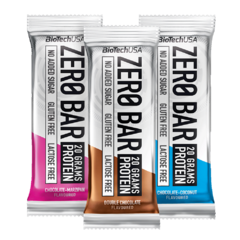
BiotechUSA Zero Bar

Czech Virus Kidney MAX
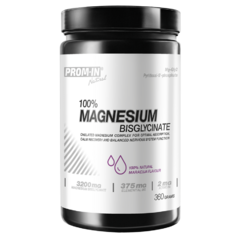
Prom-in 100% Magnesium Bisglycinate
Nebbia Leginové šortky s vysokým pasem AGILE 475
Yoga is often recommended for stress relief, as yoga is strongly focused on the mind-body connection. A review of more than 35 clinical studies that tested the effects of regular yoga on stress levels and health found that yoga overall offers significant improvements for most people across various markers of health and psychology.
There are also emerging studies that suggest that listening to music while moving further enhances the positive effects on the psyche. The results of one study show that listening to music positively affects the psycho-biological stress system, helps activate the parasympathetic nervous system, shortens recovery time, and has benefits for hormonal balance and overall brain functioning.
Meditation
Meditation is another proven way people have been coping with stress for years, and people find mental well-being through meditation techniques. The great advantage of meditation is that you don't need anything at all to meditate - you just need a quiet place in your home, without anyone else present. Natural meditation for stress relief is practiced using simple mental techniques and breathing exercises, done for just 10-15 minutes once or twice a day. Various forms of meditation reduce physiological reactions to stress, increase mental alertness, and help people overcome various emotional and physical problems such as: anxiety, depression, poor mental health affecting quality of life, attention problems, sleep, pain, and even weight gain.
A nutritionally rich and maximally varied diet composed of real foods
That food affects not only how we look but also how we feel is probably not surprising. That's why we should make sure that our food intake is as natural as possible and of the highest quality. Foods rich in essential nutrients, vitamins, minerals, healthy fats, electrolytes and antioxidants can really help the body cope with stress. Make sure your diet is as varied as possible - choose quality protein sources such as meat, dairy, eggs, a variety of plant sources, or fish, which are usually also sources of the all-important omega-3 fatty acids. Protein provides amino acids that are needed for proper neurotransmitter function, and omega-3 fatty acids are also great for brain, mental and heart health.
On the other hand, we should limit our intake of overly processed foods, fast foods and foods with high amounts of added sugars and solidified fats. Alcohol and excessive caffeine intake should also be limited; both alcohol and caffeine can cause or significantly exacerbate anxiety, cause dehydration, disrupt sleep and cause even more stress. It is also important to respect your body's needs, avoid extremes, excessive calorie deficit or restriction of certain nutrients. Eat real foods in quantities that reflect your needs.

Get outdoors!
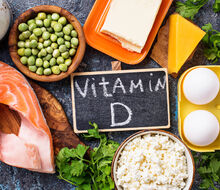
Another proven way to vent stress and recharge is to get out in the fresh air. Go for at least a short walk every day, or get outside for some exercise to combine several enjoyable things at once. Fresh air has a positive effect on cognitive function, stress levels and, of course, sleep. If the sun is shining, you'll also be loading up on the all-important vitamin D, which also plays an important role in stress reduction, but also affects a wide range of other bodily processes and is key to influencing overall health.
Rely on the right supplements.
Even dietary supplements can help in alleviating the negative effects of stress, but you still need to keep in mind that they should not replace your regular diet. Include a quality multivitamin, fish oil, and definitely vitamin D over the winter in your supplementation pyramid. In times of stress it is also essential to supplement magnesium and zinc, an important duo that is responsible for a large number of bodily processes. Magnesium, for example, is crucial for regeneration, helps improve sleep quality, is effective in fighting fatigue and serves as a prevention against cramps or headaches. Zinc, in turn, is an important component for the immune system. You can also benefit from the effects of melatonin, the sleep hormone, which can help you with difficulty falling asleep, because as we have already mentioned - sleep is very important not only for mental health, but also for physical health.
Control time management.
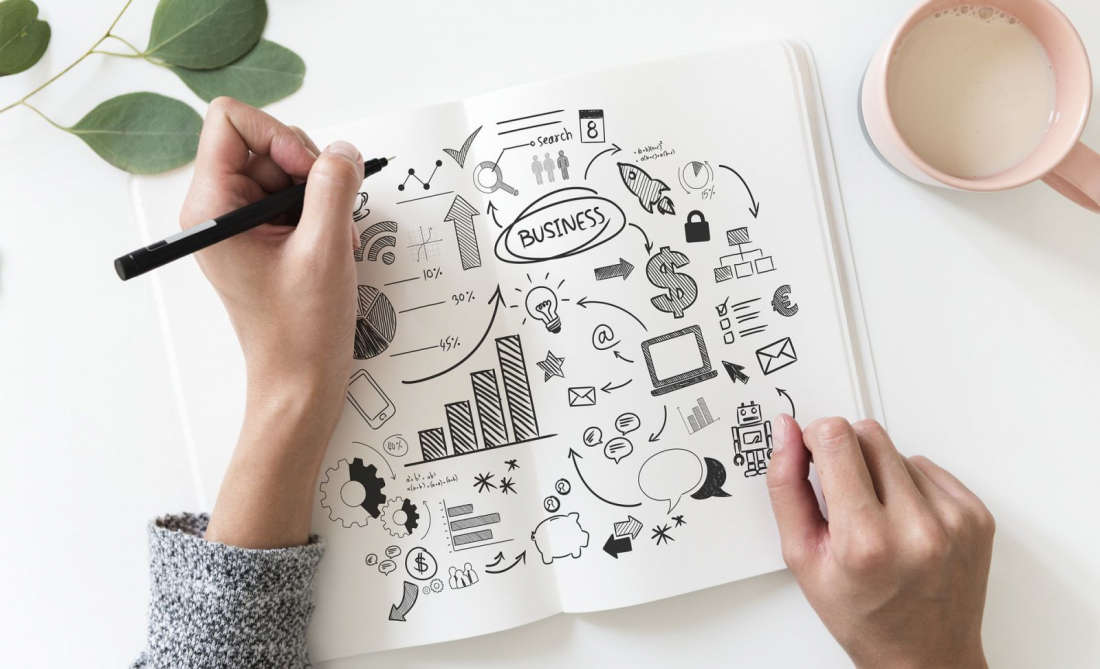
If you have a challenging period ahead of you, make sure you have a well-thought-out plan - it's not for nothing that they say a goal without a plan is just a wish. Plan your time so that you can complete all the important tasks without too much stress, while still leaving enough time for relaxing activities. Get a planner or some smart scheduling app and learn the principles of time management.
Learn to relax
Under this point, we can summarize all the points we have mentioned so far. Knowing how to take your foot off the gas and turn your head off is absolutely as important as knowing how to step on the gas. We are not machines to handle a permanent onslaught without rest. Whether relaxation for you is a good book, a walk in nature, a sport, a visit to the sauna, a massage, or even a chat with good friends, definitely don't neglect these activities! You can also try essential oils (such as lavender, rose, mint, jasmine or even cardamom) or herbs that can relax the mind and body.
Surround yourself with the right company!
There is (at least) one more thing that needs to come up in the stress management debate - and that is our surroundings. It's not always 100% possible, but try to surround yourself with people who won't take your energy and add wrinkles to your face. Surround yourself with people with whom you can share joy, smiles and mutual positive energy. Social connection is linked to longevity because it helps people feel like they are part of something bigger than themselves and helps provide perspective. In short, humans are creatures who need companionship, so choose yours well. Family, partners and good friends can help you with stress management very effectively!
What to take away from the article?
Stress is a part of everyone's life that cannot be completely eliminated. However, today we have given some important tips on how to fight it in a natural way. If you feel the stress of work, everyday life, or a covid situation is getting to you, try exercising, going for a walk for some air, cooking a good meal, or having a good hearty laugh with good company. We can't always control what happens around us, but we can always control our reactions. So don't stress about things you can't control, it's a road to hell.
Sources:
Tsatsoulis, A., & Fountoulakis, S. (2006). The protective role of exercise on stress system dysregulation and comorbidities. Annals of the New York Academy of Sciences, 1083, 196-213. https://doi.org/10.1196/annals.1367.020
Li, A. W., & Goldsmith, C. A. (2012). The effects of yoga on anxiety and stress. Alternative medicine review : a journal of clinical therapeutics, 17(1), 21-35.
Thoma, M. V., La Marca, R., Brönnimann, R., Finkel, L., Ehlert, U., & Nater, U. M. (2013). The effect of music on the human stress response. PloS one, 8(8), e70156. https://doi.org/10.1371/journal.pone.0070156
https://www.webmd.com/balance/stress-management/effects-of-stress-on-your-body
Coppola F. (2007). Effects of natural stress relief meditation on trait anxiety: a pilot study. Psychological reports, 101(1), 130-134. https://doi.org/10.2466/pr0.101.1.130-134
Berto R. (2014). The role of nature in coping with psycho-physiological stress: a literature review on restorativeness. Behavioral sciences (Basel, Switzerland), 4(4), 394-409. https://doi.org/10.3390/bs4040394
Hwang J. H. (2006). Taehan Kanho Hakhoe chi, 36(7), 1123-1134. https://doi.org/10.4040/jkan.2006.36.7.1123
No posts have been made yet.








