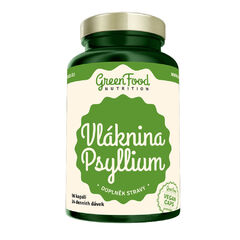
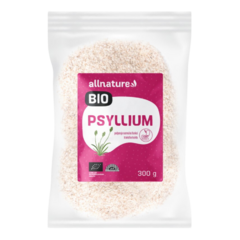
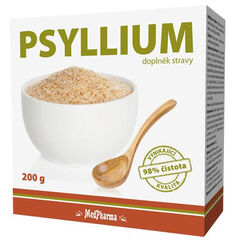
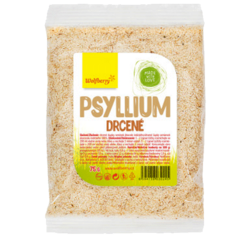
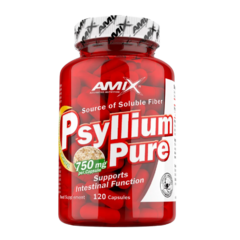
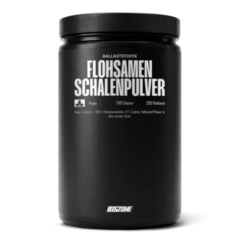
Psyllium je přírodní rozpustná vláknina, která pečuje o zdravé trávení, reguluje hladinu cholesterolu a lipidů v krvi. Navíc představuje šikovného pomocníka při hubnutí. Find out more
Psyllium is a soluble fibre that is extracted from the seeds of the Indian plantain. Its original home is mainly on the Asian continent, but it is now cultivated in other parts of the world. It is a plant no more than 20 cm tall with narrow hairy leaves and small whitish flowers.
The seeds are harvested when ripe, first stripped of their husks and then crushed or ground into a fine powder. This is a pure source of fibre and is available under the name psyllium.
What psyllium is good for
Fibre is one of the key nutrients for the proper functioning of the body and should therefore be an integralpart of the daily diet. Fruits, vegetables, legumes and whole grain breads are among the richest sources of fiber, as well as other whole grain products. It is therefore only found in foods of plant origin.
Psyllium is classified as a soluble fibre, which increases its volume up to many times when mixed with liquid. It thus takes the form of a thick gel with a high absorption capacity, which has a positive effect on the entire digestive tract. When passing through the intestinal tract, it acts as a prebiotic (promotes healthy intestinal microflora), facilitates emptying and also prevents diarrhoea and constipation.
The main effects of psyllium
Normal functioning of the digestive tract and intestines
Healthy blood cholesterol levels
Regulation of blood lipid levels
Psyllium and weight loss
Psyllium contributes to the feeling of satiety. Therefore, it effectively prevents overeating and facilitates the maintenance of the so-called calorie deficit, which is important in a reduction diet. Soluble fibre is therefore a good aid for weight loss.
How to take psyllium
Psyllium is usually taken in the morning on an empty stomach or in the evening at least 30 minutes before meals. Most commonly, 1 to 2 teaspoons of the powder are mixed in a drink (e.g. water, juice, tea) and then washed down with a clear liquid. Psyllium can also be added to yoghurt, porridge, pudding, home baking etc.
The maximum daily dose is usually 12.5 to 15 grams of psyllium, but the prescribed dosage for a particular product should always be followed.
Those who are not satisfied with the powder form may choose capsules or tablets.
It is not specified how long to take psyllium. Therefore, if necessary, it is possible to include soluble fibre in the diet for a long period of time. However, for maximum effect, a sufficient drinking regime should be maintained at all times.
Psyllium and side effects
No serious side effects are known so far. However, psyllium should be avoided by people with narrowed oesophagus or poor intestinal patency. In sensitive individuals, it may cause an allergic reaction. Bloating or flatulence may also sometimes occur, especially at the beginning of use.
Because of the risk of affecting absorption, psyllium should be taken well apart from ingested medicines. Exceeding the recommended dosage increases the risk of poorer absorption of some minerals.
Psyllium is not usually recommended for young children, and prior consultation with a physician is advisable for pregnant and lactating women.