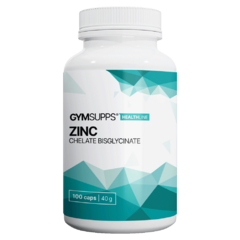
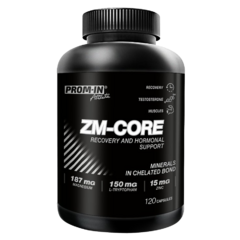
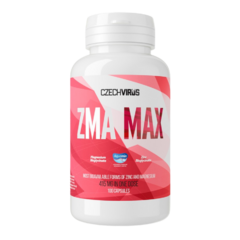
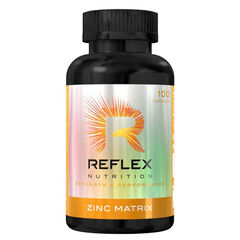
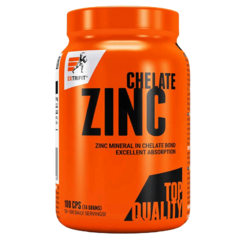
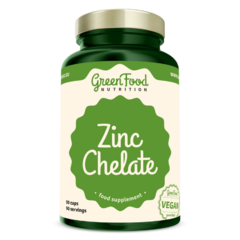
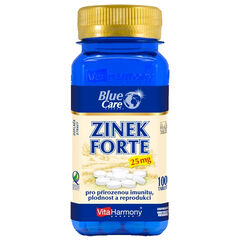
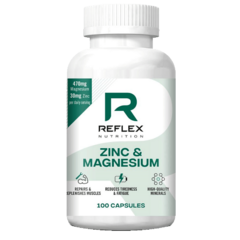
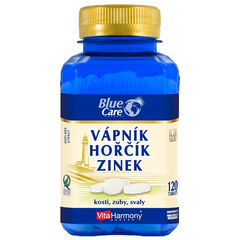
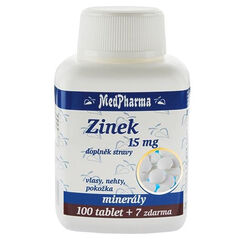
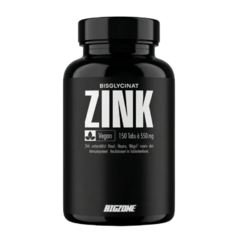
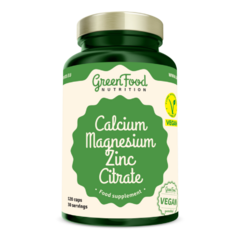
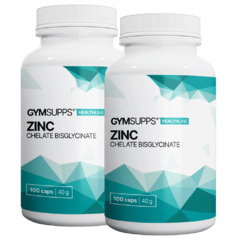
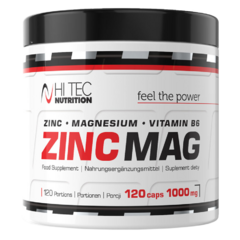
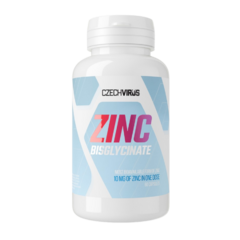
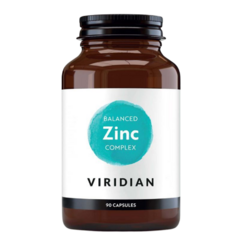
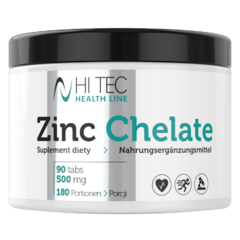
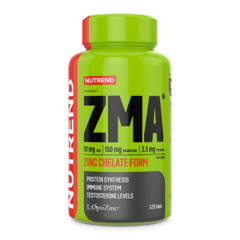
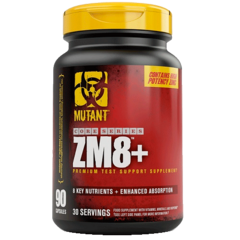
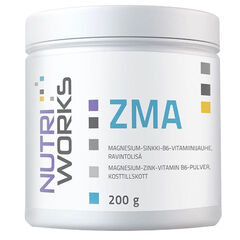
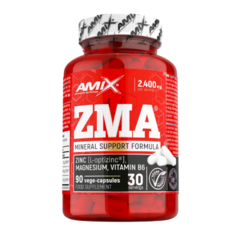
Zinc is one of the most important minerals in the human body, and not only for hard-training athletes. It supports metabolism and immunity, contributes to regeneration and helps maintain the proper condition of bones, hair, nails and skin. Wondering which zinc is the best? We rank the products in the categories from those we feel offer the highest quality. Or you can sort the products by customer rating. Here you can choose zinc in tablets or capsules, and even in a highly usable chelated form.
Zinc is absolutely crucial for natural testosterone production and protein synthesis, which are the two fundamental pillars for building and maintaining muscle mass. Additionally, it functions as one of the strongest supporters of the immune system. During heavy workouts, you lose zinc in large amounts through sweat, which is why replenishing it is an absolute must for athletes.
The difference in absorption is massive. Always look for premium organic bonds such as picolinate or bisglycinate (chelate), from which the body utilizes up to 80% of the mineral. Conversely, completely avoid cheap pharmacy supplements containing zinc oxide—its bioavailability is only around 10%, and it very often irritates the stomach.
With magnesium, yes, they work absolutely great together (they form the base of popular ZMA supplements for the night). But with calcium, definitely not! Calcium in the digestive tract heavily blocks the absorption of zinc. Therefore, never wash zinc down with milk and do not take it alongside cottage cheese, other dairy, or supplements containing high doses of calcium.
Your body will send out several warning signals. The most common include a significant drop in strength and libido (due to low testosterone), susceptibility to colds and infections, slow wound healing, worsened skin quality (acne), hair loss, and the appearance of typical white spots on the fingernails.
It is best to take zinc in the evening before bed (ideally in combination with magnesium) or anytime during the day, keeping about an hour's gap from meals rich in calcium or fiber. Zinc should ideally be taken on an empty stomach, but if it causes you to feel slightly nauseous (which is common with zinc), feel free to take it with a light meal.