





What are the negatives of drinking alcohol in reduction and which type is the most acceptable?
 Author:
 Alcohol, a pretty solidly ingrained part of human culture. Drinking alcohol, whether in celebration, to wash away grief, or perhaps as a drink with a good meal, has become as commonplace, almost on the same level as eating or breathing. Alcohol is also very popular because of its ability to induce a good mood and can be classed as a drug, with alcohol consumption being truly mass.
However, drinking alcohol has many negative consequences, both on health, on weight loss and on athletic performance. In severe cases, it can lead to addiction, mental disorders, liver damage and the development of diabetes. However, it still has an important role for many people in cultural and social events and is also part of various traditional rituals. One effect of alcohol that is not really talked about much is its negative effect on body composition.
Unlike macronutrients such as carbohydrates, proteins and fats, alcohol contains what nutritionists often refer to as 'empty calories' - calories without any nutritional value. The biggest problem is that ingested alcohol, these 'empty calories', are the first to be used by the body to produce energy, blocking the burning of other nutrients, which means it actually inhibits their processing and is much more likely to be stored as fat. Alcohol doesn't store glycogen, and you go back into ketosis/lipolysis after consuming it.
How does the body process alcohol?
To understand why alcohol works on us the way it does, it is important to know how it is processed in the body. After the first alcoholic drink is consumed, approximately 25% of that alcohol is absorbed from the stomach directly into the bloodstream, with the rest being released into the intestines. Alcohol is generally absorbed fairly quickly, but its absorption can be accelerated or slowed down depending on several factors:
- THE AMOUNT OF FOOD IN YOUR STOMACH - if you are full and have a full stomach, the absorption of alcohol will be slowed down.
- DRINKS WITHSPARKLES - if you have a glass of a fizzy drink such as champagne, the effect of alcohol will be stronger than if you have a still alcoholic drink.
- ALCOHOL CONCENTRATION - the more alcohol a drink has, the faster the alcohol is absorbed.
Approximately up to 98% of the alcohol you consume is processed in the liver. The other 2-10% is then eliminated through urine, breathing and sweat. After consuming a standard amount of alcohol, it can take up to 10 hours for the average individual to completely process and excrete it, and it is also true that the more alcohol you consume, the greater the concentration in your blood, increasing the time it takes to process it.
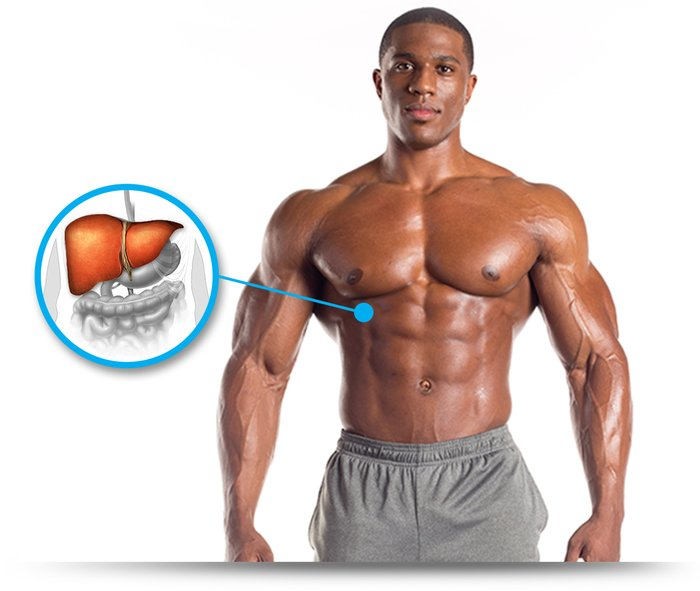 The liver processes alcohol in two ways. Alcohol is largely processed by the enzyme alcohol dehydrogenase (ADH, which is found in liver cells). ADH then metabolizes the alcohol into acetaldehyde. Acetaldehyde is broken down into acetate by another enzyme, which is aldehyde dehydrogenase. In the final stage, acetate is further metabolized to where it eventually exits the body as waste carbon dioxide and water. The second way alcohol can be metabolized is by the so-called microsomal ethanol-oxidation system, which the body uses when blood alcohol levels are very high.
If you want to know right away which kind of alcohol is "best", it's probably wine. If wine is not one of your favorite drinks, then choose pure alcohol such as vodka, gin, whiskey, plum brandy. Avoid cocktails that are full of calories from sugary juices in addition to the alcohol. If you want to mix alcohol with something, then. Choose plain water or soda water. However, this does not mean that consuming these types of alcohol is okay. Any form of alcohol poses a threat to those who want to get rid of excess fat and look their best. Let's take a look together at the most common negative consequences of alcohol consumption in weight loss.
1) Alcohol contains almost twice as many calories as carbohydrates and protein
With seven calories per gram, alcohol is ahead of both carbohydrates and protein in the energy intake rankings. Alcohol has only two fewer calories than fat. In addition, it is also important to keep in mind that the calories contained in alcohol lack nutrients that are beneficial for a healthy metabolism, and this promotes fat storage. In addition, the liver, which processes fat, must process the calories from alcohol first, thus postponing the processing and burning of fat for energy production until later.
The calories you take in with one average drink are quite concentrated compared to regular food, which leads to the fact that we actually take in a lot more calories than we even think when we consume alcohol. What's more, alcohol moves through the body very quickly, so we often don't even realise how much we've already drunk.
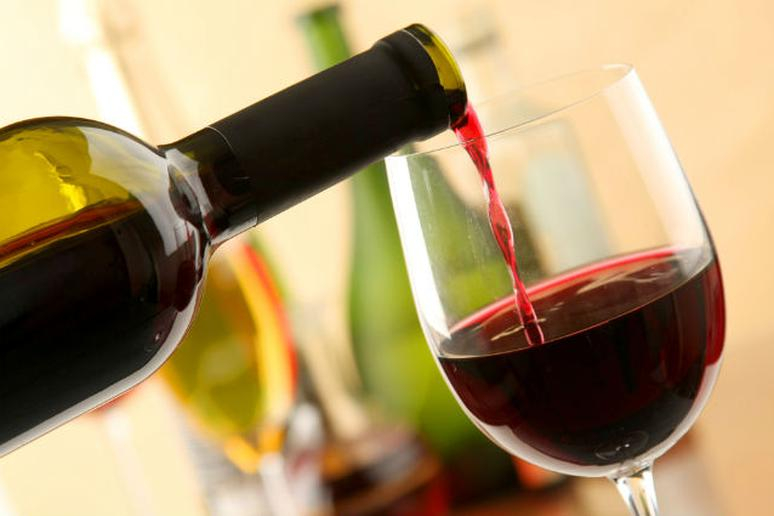
Alcoholic beverages also contain calories from other sources that contribute to further increase caloric intake, as we mentioned above. For example, some cocktails contain fat. Wine and beer are high in carbohydrates. Different types of calories have different effects on the body - carbohydrates release insulin, which can accelerate fat storage, while fats will be stored directly in fat cells - the overall result of all the negative processes is an increase in body fat.
The amount of calories you take in with one regular drink can be illustrated with a simple example. One glass of wine has an average of about 110 calories, with 90% of the empty calories coming from alcohol and about 5-13 calories coming from carbohydrates. Beer is a bit worse calorie-wise. It contains more carbohydrates and less alcohol than wine, and its regular consumption is associated with higher fat gain because it contains more calories.
2) Alcohol loosens inhibitions
During alcohol consumption, people usually stop to consider the effects that drinking will have on them. As a consequence of removing inhibitions to the amount of alcohol, we then take in many more calories than perhaps originally intended and this could lead to an increase in body fat. The reason for this is that those who are affected by alcohol also lose their inhibitions when it comes to eating, and so it is not uncommon for them to eat more unhealthy foods during alcohol consumption than they would normally allow themselves.
In fact, alcohol tends to stimulate the appetite because it gives you a decent dose of calories but without any nutritional value, thus creating a craving for more valuable foods. If you imagine a situation where you're drinking alcohol, it's probably not while eating a vegetable salad with chicken, right? Alcohol is usually served along with salty and fatty foods, which , combined with the loss of inhibitions and increased food cravings, leads to the consumption of a really large amount of calories. In fact, fatty and salty foods are the kind of food that your body craves the most when you consume alcohol. In addition, alcohol has been shown to negatively affect motivation, making it much harder to stick to healthy eating principles and your diet when drinking it.
3) Alcohol can damage the stomach, kidneys and liver in the worst cases
Alcohol is produced as a by-product of yeast digestion. It can have an irritating effect on the lining of the stomach and gradually weaken the kidneys and liver, leading to serious health problems and in certain extremely severe cases, it can lead to death. Any weakening of the stomach will reduce the speed and efficiency with which the body is able to digest the food it receives, which ultimately interferes with a healthy metabolism and fat reduction process.
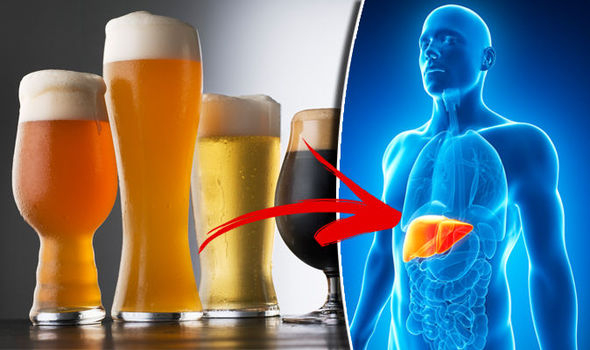
The liver, which processes toxins and breaks down fats to produce energy, is essential for maintaining a healthy body composition. However, alcohol is the most destructive element during the liver detoxification process. As we mentioned above, the liver must first contend with the caloric intake from alcohol and then fat comes next, which can lead to its storage in the body's stores.
4) Alcohol negatively affects testosterone production
Testosterone is a hormone that has, among other things, a powerful effect on fat burning. This effect is strongly suppressed by alcohol consumption , and alcohol consumption thus significantly reduces testosterone's potential as a fat-burning aid. Testosterone is also an anabolic hormone that has an effect on muscle growth. Reducing its levels leads to less muscle gains and less muscle = reduced metabolic rate, which can result in your reduction being harder.
This method simplistically explains how our body uses energy. Those with a higher metabolic rate can logically burn more calories even at rest, i.e. when they are doing nothing. By interacting with testosterone production, alcohol indirectly causes the body to reduce its metabolic rate, hence the rate at which it uses energy, and blocks the powerful fat-burning effects of testosterone.
5) Alcohol stimulates appetite
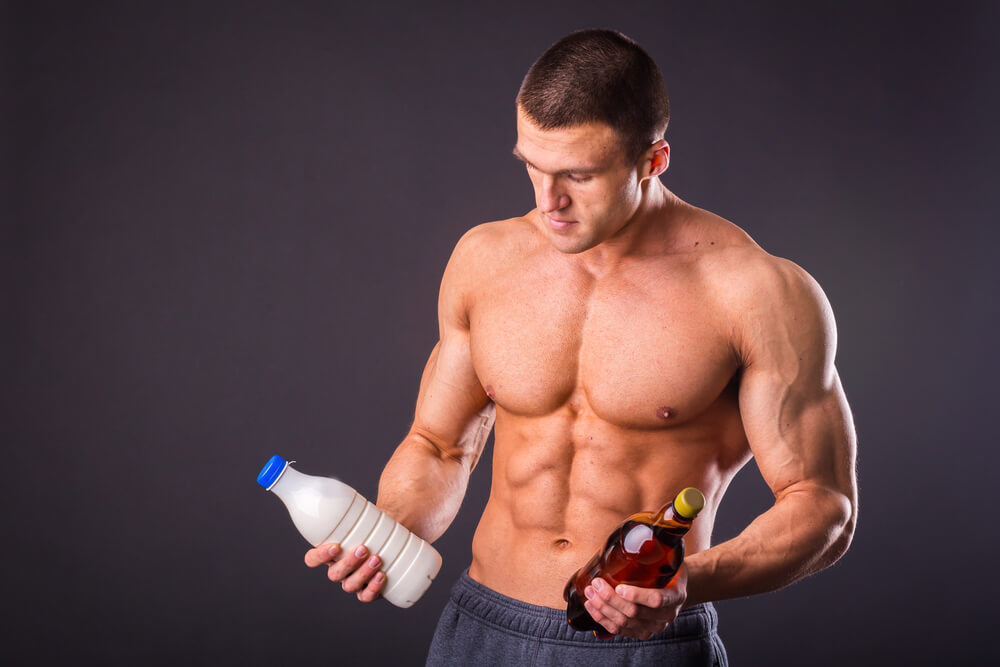
We have already lightly mentioned this phenomenon in one of the previous points. Several studies have shown that if you consume food after drinking alcohol, you will take in many times more calories and also that if you have an alcoholic drink with your meal instead of a soft drink, you will stimulate your appetite and eat more calories as well.
SO WHAT TYPES OF ALCOHOL ARE 'BEST'?
The best alcohol is obviously no alcohol, but if you enjoy alcohol, are you not averse to occasional consumption and are looking for the best option, which would it be?
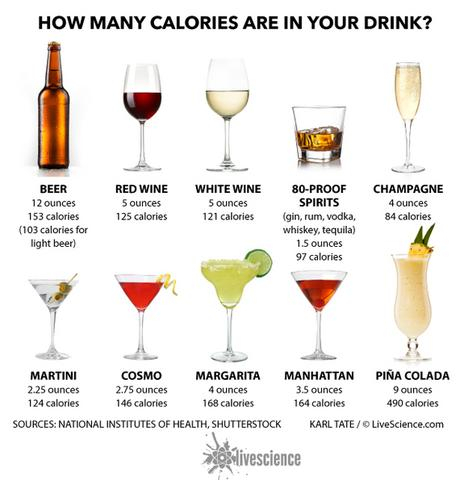
The total calorie content of different types varies widely. In general, one of the most calorie-dense beverages, along with a smaller amount of alcohol, is beer. Other spirits, such as moonshine, rums, and other similar beverages, while significantly lower in calories (averaging about 64 calories per serving), are also usually served in double servings, which will increase the calories taken in. In addition, if you mix the spirit with a sweet fizzy drink such as cola, you get a very calorie-dense drink indeed. Wine generally contains about 100 to 125 calories per medium-sized glass. It also contains more alcohol than beer for the same volume, which makes it a better choice in terms of calories consumed because you drink less of it than beer.
Other spirits, although they don't have as many calories per serving, are very often consumed with other liquids such as juice, cola, or even milk, making them literally calorie bombs. Cocktails are therefore best avoided in a reduction. Also beware of mixed drinks of alcohol with sparkling drinks full of sugar, such as cola-rum or gin-tonic. The worst choices are creamy liqueurs like eggnog or amaretto, which are really high in calories.
However, what can we say...people choose the type of alcohol they like rather than taking into account what is most acceptable for their body or what is recommended. It is no easy task to convince someone to change their preferences and habits. But the information in this article can be used by those of you who are trying to change your appearance, yet still want to cut yourself some slack from time to time and are looking for a way to make the most acceptable choice.
What to take away from the article?
Alcohol is used quite often during celebrations and social events, so do you have to give it up completely during a reduction? That primarily depends on you. Most people are not harmed by occasional alcohol consumption, but it is important to control the total amount and take into account all the risks discussed above. Frequent and excessive alcohol intake can cause serious health problems and such consumption should not be encouraged in any way!
However, in reasonable quantities you can enjoy a few drinks once in a while in complete peace, there should be no significant problem. Beware, however, if you are a slimming or elite athlete, as alcohol has been shown to negate any efforts to lose body fat and has a rather strong negative effect on sporting performance. But if you go out for a drink once or twice a month and can control the amount you drink, then you can be relatively worry free. Still, stick to a few simple guidelines:
- Drink lower calorie and higher alcohol content drinks, ideally wine or spirits, but really pure ones. You'll drink less of it, which will significantly reduce your intake of excess calories.
- Keep some healthier snackshandy while you drink , asalcohol breaks down inhibitions, which can cause you to reach for fatty, salty, calorie-dense foods, quite radically compromising your eating habits.
- If you opt for mixed drinks with spirits, try combining them with diet sodas, you'll save a ton of calories.
- And one last very important tip! Intersperse alcoholic drinks with plenty of clean water. This will increase feelings of fullness and may help prevent you from consuming more alcohol than you imagine. In addition, plenty of water helps prevent dehydration due to drinking alcohol.
In this link you will find our article, "The Bodybuilder Bartender - 5 Summer Cocktails Without a Drop of Alcohol!"
Sources:
https://www.ncbi.nlm.nih.gov/pubmed/12355333
https://www.ncbi.nlm.nih.gov/pubmed/8599309
https://www.ncbi.nlm.nih.gov/pubmed/28676574
https://journals.plos.org/plosone/article?id=10.1371/journal.pone.0088384
https://www.bodybuilding.com/
No posts have been made yet.








