





How to set up a diet and adjust calorie intake - Part 1
 Author:
 Energy intake in the appropriate form, together with quality training, are practically the most important factors in ensuring performance development.
The more energy you expend in the form of physical activity or in the form of heat production to maintain a steady body temperature, the more energy you must take in.
In the following series, we will focus on the issue of calculating your caloric intake and converting it into your diet. I will show one of the pathways that can be used. It may be that you use your own way of calculating, in which case you may want to compare your methods. These points will be:
- 1.calculating basal metabolism,
- 2. counting physical activity,
- 3.matching calorie intake to sporting goal and somatotype
- 4.distribution of caloric intake into nutritional values
- 5.creating a skeleton diet
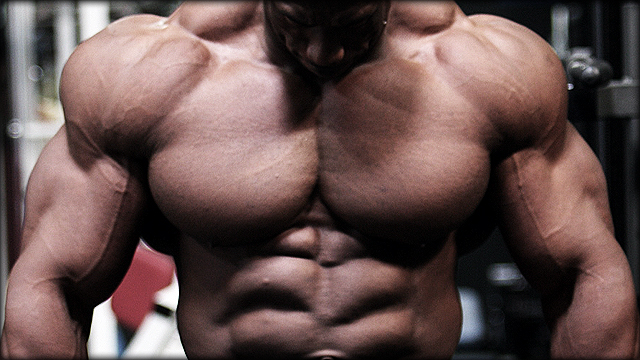
Chapter 1 - BM (Basal Metabolism)
The primary factors influencing energy expenditure, aside from physical activity itself, are body size and consumption for vital functions, all dependent on age and gender. The larger the body surface area (determined by height and weight), the greater the energy requirement. We get an approximate number to cover our body's energy needs to maintain vital functions. This is the basal metabolic rate (BM).
So to calculate BM we use our net lean body mass (LBM) value, our height and age.
Of course, LBM is not equal to TBM (total body mass). LBM is your total body mass excluding fat tissue. Therefore, it is necessary to determine the fat content of your total body mass. Such a measurement is done with a callipers (measuring fatty tissue at several points on the body), or there are also devices that measure fat tissue at least approximately based on the resistance of the electrical voltage passing through it.
In the worst case, you can use the table below:
|
Subjective sensation |
Men |
Women |
|
Very thin |
6-10% |
10-15% |
|
Skinny |
11-14% |
6-19% |
|
With minimum fat |
15-18% |
20-25% |
|
Slightly fatty |
19-24% |
26-29% |
|
Obese |
25+% |
30+% |
Equation for calculating BM
Men:
- BMR = 66 + ( 13.7 x weight ) + ( 5 x height ) - ( 6.8 x age )
Women:
- BMR = 655 + ( 9.6 x weight ) + ( 1.8 x height ) - ( 4.7 x age )
So now we can move on to the calculation
- TBM - fat = LBM where fat = TBM * percentage (approximate percentage from the table)
Practical example
Weight = 110kg
Approximate fat percentage 15% (or - 85% of total weight is pure muscle mass)
- LBM = 110kg * 0.85 (1-0.15) = 93.5kg
Next we will need your height, say 180cm, and finally your age, say 33 years old.
- 66 + (5*180) + (13.7*93.5) - (6.8*33) = 2022.55 calories so 2022 calories
So our basal metabolism is about 2022 calories.
In the next episodes of the series, we will adjust our caloric intake to our activity and sport goal, somatotype and then convert it to the nutritional values of our diet.
Recommended
Extrifit Actinox
Extrifit Agrezz
No posts have been made yet.








