The negative impact of blue light on sleep quality
 Author:
 Blue light and its negative impact on sleep quality has been a hot topic lately. Scientists believe that exposure to blue light in the evening and at night is one of the main reasons why many people struggle with sleep deprivation and, as a result, consequences such as weight gain, excessive fatigue and depressed moods. Using electronics - phones, laptops, tablets and other devices during the period shortly before bedtime is not the best habit to practice because blue light affects your circadian rhythm.
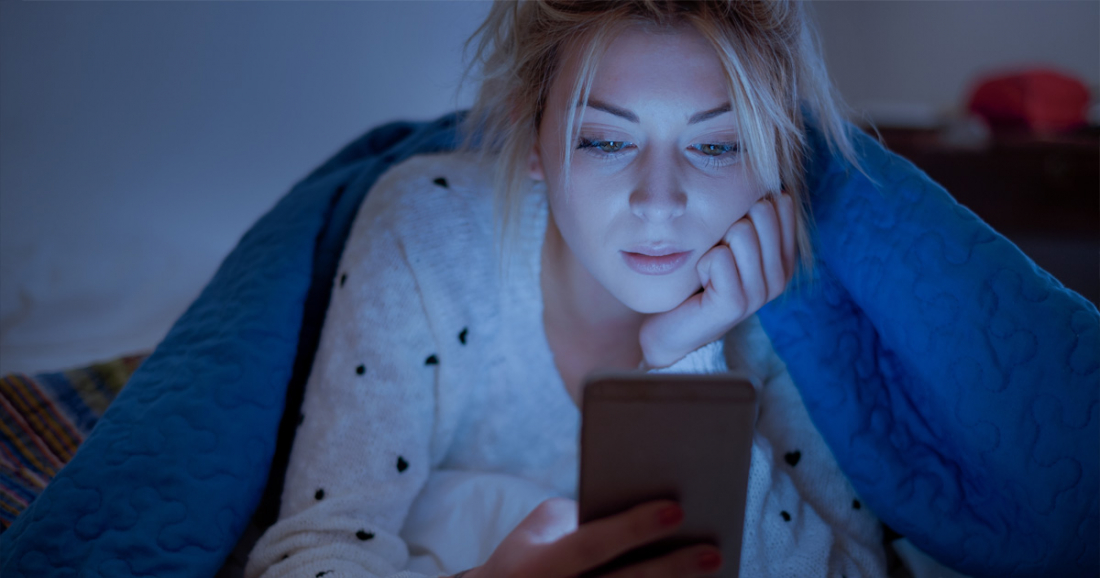
You may be wondering what blue light actually is and what makes it so diametrically opposed to regular light. Below, we'll talk about how blue light differs from light of other wavelengths, the effects it has on your body (both good and bad), and simple ways you can control your exposure to it.
Article content:
- A theoretical window - what is blue light anyway?
- Where can we encounter blue light everywhere?
- The effect of blue light on sleep
Theoretical window - what is blue light?
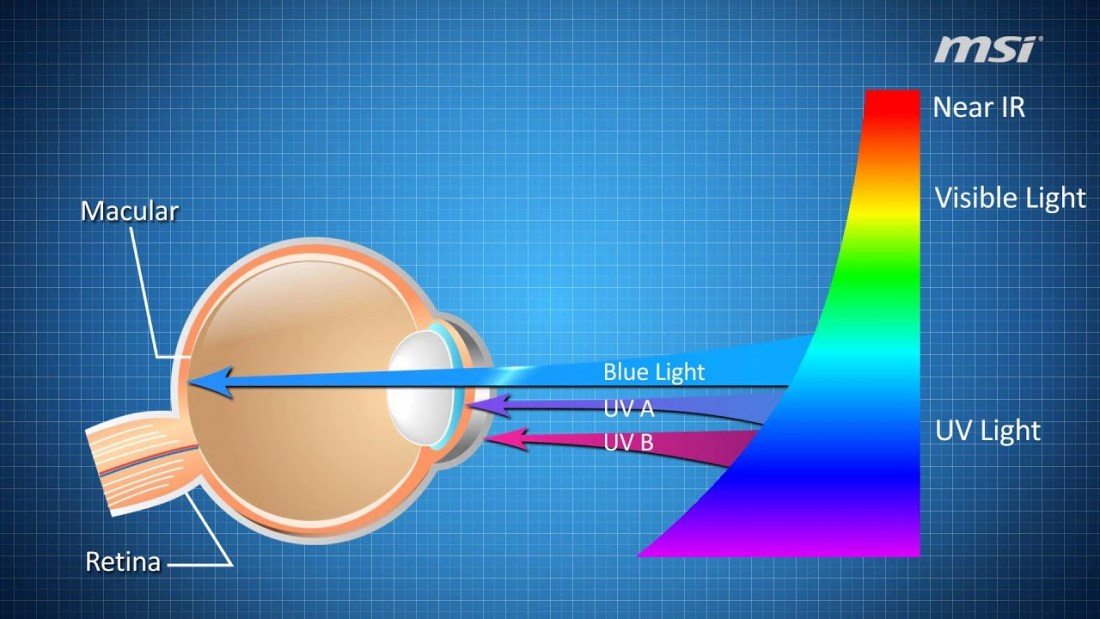
Visible blue light is the part of the visible light spectrum that has the shortest wavelengths and highest energy. Blue light is generally defined as visible light between 380 and 500 nm. Blue light is sometimes further divided into blue-violet light (roughly 380 to 450 nm) and blue-turquoise light (roughly 450 to 500 nm).
What does blue light do? It participates in the creation of your "biological clock" and, as a result, has many different effects on physical and psychological processes - such as alertness, sleep, moods, motivation, memory, appetite, blood sugar regulation, and more. Bright blue light stimulates cells in the retina that connect to the hypothalamus, a part of the brain that helps control circadian rhythms and many other metabolic/endocrine functions.
Where can we encounter blue light everywhere?
We are exposed to blue light very often during the day, not only indoors but even outdoors. Blue light can be found:
- Sunlight, the main source of this type of light. It is actually the scattering of the rays of blue light that causes a cloudless sky to appear on a sunny day. Fluorescent and LED bulbs that help illuminate your home. Screens of electronic devices including computers, laptops, tablets/notebooks and smartphones. Studies show that for most people, the amount of blue light received from screens is actually small compared to the amount from the sun. Light therapy boxes used to treat seasonal affective disorder.
Effect of blue light on sleep
It is widely known that spending excessive time on digital devices and using them for short periods of time before going to bed can disrupt circadian rhythms. The circadian rhythm is a biological rhythm with a period of approximately 24 hours and can vary between 20 and 28 hours (Latin circa = approximately, dies = day). It is a regularly recurring change in physiological functions such as body temperature, hormone secretion, blood pressure, etc.
Each person has his or her own "biological clock". These are controlled by a small cluster of cells in the hypothalamus, which is part of the brain, as mentioned earlier, and that is where our internal clock "resides". The circadian rhythm is controlled by our biological clock and it honestly signals the body to sleep at night and wake during the day. Our body also uses blue light in its natural form, precisely to regulate the natural cycle of sleeping and waking. NATURAL blue light also helps to increase alertness, reduce reaction time, improve mood and induce a sense of well-being.
But the moment the circadian rhythm deviates from normal, we become more susceptible to diseases of civilization such as diabetes, heart disease and obesity. Until the advent of artificial lighting, the sun was the main source of light and people spent their evenings in (relative) darkness. Today, however, most of us are exposed to light (electronic devices and light bulbs) right up until the moment we go to bed. There is evidence that high light exposure at night (i.e., once it gets dark outside) suppresses the release of the hormone melatonin, the primary hormone that influences circadian rhythms and sleep cycles. Lower melatonin levels can make it harder to fall asleep and improve overall sleep quality, and emerging studies suggest that this may also be linked to other serious health problems.
Other risks and negative side effects of blue light
Why is blue light actually so bad for you? One reason is that it tends to cause "eyestrain". Staring at digital device screens for long periods of time causes the eyes to absorb a lot of out-of-focus light, leading to squinting, irritation, dry eyes, blurred vision and what is described as eye fatigue. Some experts are also concerned that frequent exposure to high-energy light can have significant negative effects on eye health.
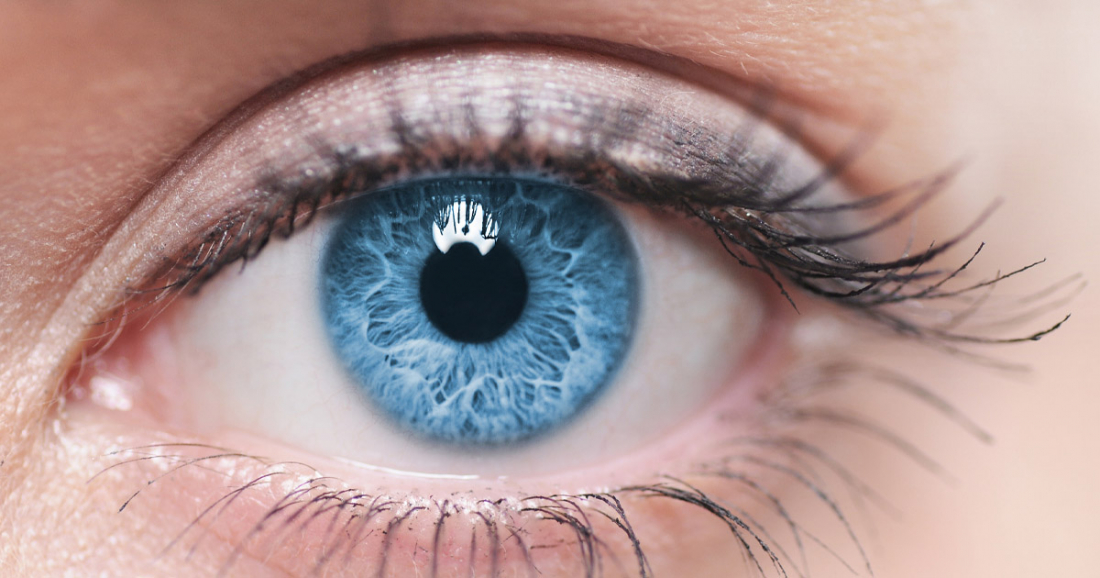
How can blue light cause eye damage? Human eyes cannot block blue light as well compared to UV light. A very high percentage of visible blue light passes through the corneas and lenses of the eyes and reaches the retina (the inner lining of the back of the eye). Prolonged and excessive exposure to blue light can cause damage to the retina and contribute to age-related macular degeneration (AMD), which can lead to vision loss.
In addition to concerns about eye damage, overexposure to blue light at night is now associated with disruption of circadian rhythms, and as noted above, this can pose a risk of problems such as:
- Blood sugar fluctuations
- Obesity/weight gain (due to changes in levels of leptin, a hormone that affects our appetites)
- Diabetes
- Cardiovascular problems
- Depression
- Potentially cancer
But does blue light also have any benefits?
Although it may surprise you, blue light is not inherently bad and in fact has several significant benefits. While exposure at night can disrupt sleep, exposure during the day is actually important for regulating a number of bodily functions. Exposure to the sun's rays, the number one means by which people are exposed to high-energy visible light, is necessary to achieve the necessary healthy levels of vitamin D, as well as regulating our circadian rhythms (the body's natural wakefulness and sleep cycle), and also affects mood.
Research suggests that exposure to natural light (i.e., ideally the outdoors) promotes alertness, protects against depression (specifically seasonal affective disorder, a type of depression related to changes in seasons and lack of sunlight), and helps with memory and other cognitive functions. Because a regulated circadian rhythm is important for sleep, there is also a link between daytime exposure via NATURAL blue light and protection against obesity, diabetes, heart disease, and other sleep deprivation-related diseases. So, surely it is clear to you that there is a fundamental difference between natural blue light and artificial blue light,the source of which is all sorts of electronic devices.

How to limit exposure to blue light and reduce its negative effects?
1. Forget about using electronics shortly before going to bed.
Using your phone, watching TV in close proximity and reading on a tablet before bed can disrupt your internal clock, which can cause sleepless nights and fatigue during the day. Experts recommend that you avoid using electronics 2-3 hours before bedtime, or at least use electronics that have blue light filters or goggles to prevent exposure. It's also highly advisable to limit viewing screens from too short distances during the day and the length of time spent viewing them, especially if up close and uninterrupted.

2. Use blue light filters - apps, glass, monitors
Want to keep using electronics at night but also protect your eyes from blue light? The best option is to try blue light blocking technology such as blue light goggles and computer/phone/tablet settings that filter light. In recent years, more and more filtering apps have become available for smartphones, tablets and computer screens to prevent excessive amounts of blue light from being emitted from these devices.
How do blue light glasses work? They contain a coating that blocks bright wavelengths from hitting your eyes. Some are amber or yellow colored lenses and many are available without any prescription. They can also help increase contrast if you work on devices for long periods of time, which can improve comfort and reduce eye strain. People who have to work shifts and "night owls" who stay up late into the night can also benefit greatly from using glasses that block blue light if they want to "reset" their circadian rhythms, ensure they fall asleep more easily and promote sleep quality.
3. Try to spend enough time in the sun
Daily sunlight is important for regulating your circadian rhythms because it essentially sends a signal to your body that helps your brain distinguish between day and night. If possible, get at least a little sun in the first hour after waking up, e.g. go outside for 10 minutes or more, or have breakfast on your patio or balcony. Try to spend a MINIMUM of 30 minutes outside each day so that your eyes get plenty of natural light, or make sure you sit near a window so you can at least see some light coming through it.

Research suggests that sun exposure is also important for proper eye and vision development in children. It is believed that too little exposure potentially contributes to myopia, so it is recommended that children spend enough time outdoors each day, which is quite rare in this day and age when children sit behind a computer all day. Sunlight is also a very important source of vitamin D, which is often deficient due to excessive time spent indoors.
4. Consider replacing light bulbs
LED and fluorescent bulbs give off up to many times more blue light than incandescent bulbs of the past, there are now some coatings that can be added to the inside of these bulbs so they can produce a warmer, less aggressive blue light. The red, warm light has less effect on circadian rhythms and suppression of melatonin production. Incandescent bulbs also produce some blue light, though in smaller amounts than most fluorescent bulbs. You may not want to use "warmer" lights throughout your home, but consider placing them in your bedroom or anywhere else you spend time before bed.
Recommended
GreenFood Melatonin
Czech Virus Melatonin
What to take away from the article?
Blue light is a very hot topic these days. Overexposure to it can have a negative effect on eye health and very fundamentally affect our circadian rhythm, which can reduce the production of melatonin, the sleep hormone, and the quality and quantity of our sleep can suffer significantly. This can then lead to other health problems such as weight gain, the development of civilisation diseases and depression.
Blue light is divided into natural, which even has a very positive effect on the body, and artificial, which in turn has a negative effect. Due to the fact that nowadays most people spend an excessive amount of time watching TV, looking at the computer or on the phone, the percentage of the population that has sleep problems and eye problems is increasing significantly. In today's article, we have also given some tips on how to limit exposure to blue light and reduce the possibility of its negative effects.
Sources:
https://www.ncbi.nlm.nih.gov/pmc/articles/PMC5473809/
https://www.allaboutvision.com/cvs/blue-light.htm
https://www.ncbi.nlm.nih.gov/pmc/articles/PMC6288536/
https://pubmed.ncbi.nlm.nih.gov/24859252/
https://www.aao.org/eye-health/tips-prevention/should-you-be-worried-about-blue-light
https://preventblindness.org/blue-light-and-your-eyes/
https://www.webmd.com/sleep-disorders/sleep-blue-light
https://www.sleepfoundation.org/articles/how-blue-light-affects-kids-sleep
https://www.health.harvard.edu/staying-healthy/blue-light-has-a-dark-side
https://www.ncbi.nlm.nih.gov/pmc/articles/PMC4734149/
https://www.health.harvard.edu/blog/seasonal-affective-disorder-bring-on-the-light-201212215663 xm
No posts have been made yet.