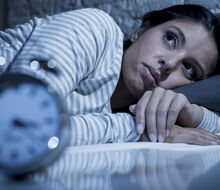
What impact does lack of sleep have on fat stores?
 Author:
 As the demands of life, work and financial security increase, the amount of time people are willing to devote to sleep decreases. Average sleep time has fallen from the 8 hours it was in the 1960s to the 6.5 hours we have today, with up to 30% of the middle-aged population reporting sleeping even less than 6 hours a day. What people don't realize is that while our minds are resting when we sleep, our bodies continue their (almost) endless work of trying to keep us balanced, functional and healthy. If we don't give them enough time to rest, sooner or later the body will take a toll in terms of health, performance and fat reduction.
If you place an emphasis on nutrition, the quality of the foods you eat, engage in regular exercise and ensure that your body composition is reasonable, you need to be just as consistent when it comes to sleep and its quality. Along with regulating a myriad of other bodily functions, sleep has a direct impact on appetite and hunger regulation and body composition, i.e. whether we lose weight, gain weight and what ratio of fat to muscle tissue we have. So how does sleep affect body composition?

THEORETICAL WINDOW, WHAT IS SLEEP DEPRIVATION AND SLEEP DEPRIVATION?
A broad and very simple definition of sleep deprivation is " a condition that occurs when you don't get enough sleep." However, the amount of sleep that qualifies as "enough" varies depending on who you ask and everyone's individual needs. However, the optimum for adults is around 7-9 hours per night, and for children and teens it's even more. However, everyone's exact optimum will be a little different. In general, people need between 6-10 hours of sleep per night to feel their best.
According to research from the Centers for Disease Control and Prevention (CDC) , 7-19 percent of adults in the United States regularly struggle with sleep deprivation or lack of rest on an almost daily basis. When it comes to Europe and other parts of the world, we're certainly not much better off. And related to this are other intermittent sleep-related disorders or problems, including sleep apnea, anxiety or depression, that interfere with overall quality of life.
If you're one of those people who regularly sleep less than their body requires, you're putting yourself at higher risk for a variety of health problems. The health problems we're talking about have both a mental and physical negative impact. They can include brain fog and fatigue; increased susceptibility to injury or causing accidents; loss of productivity at work; irritability and bad moods; relationship problems; and, on top of that, an increasing risk of death due to problems affecting your heart and immune system. As if that weren't enough, lack of sleep has a negative effect on body composition and can block fat reduction efforts. How exactly does sleep deprivation negatively affect you in this regard?
LESS SLEEP LEADS TO CONSUMING MORE CALORIES
In order to understand the impact of sleep on weight gain, we must first explain the difference between hunger and appetite. Hunger arises from the body's need for energy and nutrients - it's physical and completely natural. Appetite is more of a mental thing - it's a craving for mostly certain food, whether your body needs it or not. Lack of sleep creates an imbalance between actual hunger and appetite.

There was a study in 2004 involving 12 healthy men. The research subjects regulated their sleep time to 4.5-5 hours per night, while researchers also controlled their caloric intake and physical activity. The research found that sleep deprivation reduced the amount of leptin, a hormone that signals satiety (fullness), by a full 18 percent. At the same time, sleep deprivation increased levels of ghrelin, a hormone that signals hunger, by 28 percent.
These changes in hormone levels are really not very favourable.Because the hormone that tells us we're hungry (ghrelin) goes up, while the one that helps us control our appetite (leptin) goes down, we tend to consume much higher amounts of calories and seek out more calorically hearty, or "less healthy" foods, which can have a significant effect on body composition and fat gain in the long run .In terms of hormonal status, however, it doesn't stop with the named hormones. Lack of sleep also has a negative effect on insulin.
If the body doesn't respond to insulin, fat cells are much less able to release fatty acids and lipids to produce energy, blood glucose levels remain higher, and any additional fats and sugars circulating in the blood will cause you to pump out even more insulin. Eventually, all this excess insulin causes you to start storing fat in all the wrong places, including tissues like the liver, and this leads to other serious problems like hepatic steatosis (called fatty liver) or diabetes.
FATIGUE AFFECTS WHAT WE EAT AND WHEN WE EAT IT
The relationship between sleep and the need to consume more calories when you're awake longer makes perfect logical sense: If you're sleeping less, you're spending more time awake, which makes the body require more energy, which it tries to compensate for the "battery recharging" that occurs during sleep. Plus, we already discussed the hormones leptin and ghrelin in the previous paragraph. Changes in leptin and ghrelin levels caused by inadequate sleep can lead to people feeling the need to consume significantly more calories than they need.

Studies that have looked at this issue have concluded that eating more energy-dense foods during the day, and especially in the evening and at night, can lead to weight gain. Evening is the time of day when your metabolism starts to slow down due to lower activity levels, it 's simply the body's logical natural biorhythm. When your metabolism slows down, your body is unable to consume all the caloric energy you have taken in through calorie-laden foods such as biscuits, crisps, fast food and others, so it stores this energy more easily as fat.
Sleep deprivation can also affect the type of food you eat and when you eat it. Tired people tend to seek out particularly carbohydrate and sugar-rich foods, fatty foods and any calorie bombs you can think of to give the body enough energy to function, and what's more, usually the craving for such foods comes late in the evening when the body is no longer able to use them for energy production. Sleep is actually such a fuel (not only) for our brain. Most people need between 7 - 9 hours a day, and if it's not getting it, the brain starts sending signals that will direct even the most determined dieter to the freezer for a bucket of ice cream, or at best, a whole jar of peanut butter.
Recommended
Czech Virus Supreme Maca

Nebbia Leginové šortky s vysokým pasem AGILE 475

Ashwagandha 100cps 1+1

Nebbia Deni x NEBBIA Flared kalhoty s vysokým pasem 312
It's not just the type of food we eat and when we eat it, but research shows that lack of sleep also affects the amount of food we eat. Lack of sleep causes you to automatically eat larger portions of all foods, which further increases the likelihood of weight gain. So, suffering from sleep deprivation basically means you're constantly hungry, crave larger portions, and crave calorie-dense foods that are associated with weight gain. This increases the risk of unwanted hormonal fluctuations and weight gain caused by eating an excess of these foods, plus with sleep deprivation, it's much harder to build muscle to mitigate these negative effects.
SLEEP DEPRIVATION HAS A NEGATIVE EFFECT ON BODY COMPOSITION
In 2010, a team of researchers investigated the effect of sleep on body composition, or the relationship with body fat. For two weeks, they observed a study group of 10 overweight or obese men; the subjects slept either 5.5 hours or 8.5 hours per night , and both groups had a set intake that met the rule for weight reduction - that is, roughly a 10% deficit.Because the participants' diets were moderated, all subjects lost about the same amount of weight. But the group that received only 5.5 hours of sleep lost more lean body mass and less fat than the control group, which was afforded about 8 hours of sleep. So the difference in weight lost was negligible, but in terms of body composition, the two groups had very significant differences. When you're working on your physique, the last thing you want is to lose muscle mass.We can find a bunch of other studies that have come to a similar conclusion, and so it's safe to say, weight loss, assuming the individual is taking in fewer calories than they expend but devoting insufficient space to recovery, does lead to weight loss, but it's not just fat that disappears, it's muscle mass.
GOING TO THE GYM IS NOT ENOUGH
Do you think that simply going to the gym is enough and you 're off the hook as far as weight is concerned, even if you suffer from lack of sleep and face all the risks associated with lack of sleep? Well, you're damn wrong. Brazilian research has shown that sleep deprivation decreases protein synthesis, which causes muscle loss , and sleep deprivation can also lead to more injuries. To make matters worse, sleep deprivationslows down the production of growth hormone, which can make it quite fundamentally more difficult to build muscle, recover from exercise, and use fatty acids as fuel for energy.
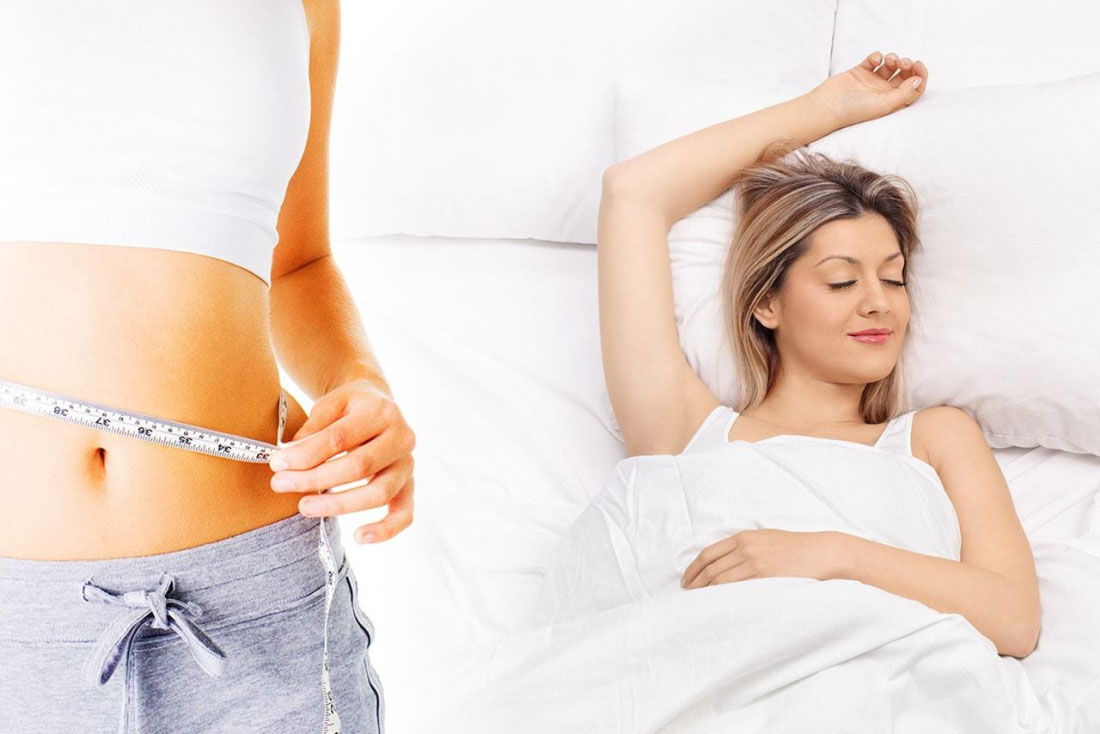
NOT ONLY IN TERMS OF REDUCTION, BUT THE NEGATIVES APPLY TO OTHER ASPECTS OF HEALTH AS WELL
What are the long-term consequences of sleep deprivation? Sleep deprivation not only causes changes in the brain that lead to impaired attention, but it also affects motivation and willpower. It can also have a negative impact on the kidneys, lungs, heart and other vital organs. Body systems that are negatively affected by sleep deprivation include: the digestive, endocrine, central nervous and musculoskeletal systems. Sleep deprivation can contribute to kidney problems , fertility problems, digestive problems, heart disease, headaches/migraines, arthritis, thyroid disorders, and many other adverse health conditions, not including increased risk of obesity and high blood pressure.
HOW MANY HOURS OF SLEEP DO WE ACTUALLY NEED?
The vast majority of studies suggest that the average adult needs about 7-9 hours of sleep per night. Most respondents in sleep surveys said they need about 7.5 hours of sleep per night to function well during the day. However, like most other aspects, sleep need is very subjective and each of us feels comfortable at different times. But it's not okay to sleep less than 6 hours per day for long periods of time.
HOW TO EFFECTIVELY COMBAT SLEEP DEPRIVATION?
Enough scaremongering, let's give a few more tips on how to improve the quality and duration of our sleep.
1. Learn to control stress
Exercise, walk, meditate, yoga, or a good book. Put limits on how much work you can handle, don't take on too big a burden, learn to say no, and find time for yourself.
2. Watch out for the blue light
In the later hours, we should greatly reduce the use of electronic devices and anything that emits blue light. Try to read in the evenings instead of watching TV, or prepare a meal for the next day.
3. Diet
Make sure your diet is balanced, rich and as varied as possible. Avoid nutritional extremes, excessive calorie restriction and excessive macronutrient restriction. If you have trouble sleeping, add some complex carbohydrates to the last meal of the day , which could easily help with this problem. Avoid eating stimulants later in the day and make sure you eat as much food as possible in its natural form - i.e. not too processed - in short, to use my favourite phrase , 'eat food that is real food'.
4. Drinking regime
Speaking of eating, let's not forget to mention drinking enough. Try to drinkmostly plain water, or mineral water and unsweetened teas.
5. Movement
Regular movement is very important for health, weight loss and of course for the quality of sleep. If you practice some outdoor activity, more points for your better quality sleep! However, beware of exercising in the later hours, which can over-stimulate the nervous system and cause problems falling asleep in some individuals. Also watch out for burners and stimulants used to promote energy production during exercise.
6. Get more fresh air
Extend the time you spend in the fresh air, because your brain, your health, and your whole body will thank you. Being out in the fresh air will also give you an extra supply of natural vitamin D, which also has an effect (among other things, of course, you can read more here - link to the article on vitamin D) on sleep quality and reduction.
7. Sleep routine
Creating a sleep ritual is a very effective way to calm the body and prepare it for the fact that you are about to go to sleep. Sleep in a dark, well-ventilated room that you use exclusively for sleeping. You can perform a ritual before you go to bed, such as a warm bath, reading, meditation, or whatever you can manage to do regularly.
8. Sleep Helpers
If nothing really works for you, try melatonin. We talked about the effects of the non-addictive sleep hormone in this article.

WHAT TO TAKE AWAY FROM THE ARTICLE
Lack of sleep has a negative effect on performance, health as a whole, and fat reduction is no exception. Lack of sleep causes hormonal fluctuations and due to this, we are much more likely to fight cravings and reach for more calorie-dense foods, which can not only block our fat reduction efforts, but it can even lead to further weight gain. However, the negative effects do not end there, if we manage to regulate our intake, we may lose weight, but it is possible that in addition to fat tissue, we also reduce muscle tissue. Getting enough sleep is crucial for virtually all processes in the body and for health in general. If sleep deprivation is preventing you from achieving your health, body composition and weight loss goals, start working on your sleep regime pretty quickly!
Resources:
https://www.ncbi.nlm.nih.gov/pmc/articles/PMC4381534/
https://www.ncbi.nlm.nih.gov/pubmed/15583226
https://www.ncbi.nlm.nih.gov/pubmed/21112019
https://www.ncbi.nlm.nih.gov/pmc/articles/PMC3619301/
https://www.ncbi.nlm.nih.gov/pubmed/20921542
https://www.ncbi.nlm.nih.gov/pubmed/19056602
https://www.ncbi.nlm.nih.gov/pubmed/23036285
https://www.ncbi.nlm.nih.gov/pubmed/22985906
https://www.sleepfoundation.org/sites/default/files/inline-files/RPT495a.pdf
https://academic.oup.com/advances/article/5/6/742/4558045
https://www.ncbi.nlm.nih.gov/pubmed/20442067
https://www.uhs.uga.edu/sleep
https://med.stanford.edu/news/all-news/2015/10/amon
No posts have been made yet.