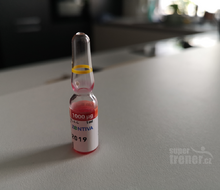
Supplement vitamin B! It will not only improve your health, but also your sports performance!
 Author:
 You read about magnesium, zinc and vitamin D everywhere nowadays, not that they are not important, not at all, they are very essential elements of nutrition, but the truth is that something as "classic" as the B vitamins are a bit forgotten . According to studies , only a tiny fraction of the population can meet their daily B vitamin requirements. Few people know about the effects of B vitamins, precisely because they are taken for granted. What do B vitamins actually do in the body and why is it worthwhile to have good levels?
A "B vitamin" is basically more than one vitamin, but a whole complex of eight different vitamins. If you take a supplement that contains all eight B vitamins, it is referred to as a "B vitamin complex" or simply a "B complex". B vitamins are most valued for their ability to help convert other nutrients into energy, maintain a healthy metabolism, and support nerve function, liver function, skin health, eye health, and fetal growth/development during pregnancy.

THEORETICAL WINDOW - WHAT IS VITAMIN B?
As with most articles, let's do a theoretical window first and tell you what this vitamin B is, what the eight types of this vitamin mentioned are and what their role is in the body. The B vitamins are a group of water-soluble vitamins that are considered "essential", meaning that we have to get them through our diet because our bodies can't make them on their own. The B vitamins that together make up the "vitamin B complex" include:
- Vitamin B1 (known as thiamine)
- vitamin B2 (also known as riboflavin)
- vitamin B3 (perhaps better known as niacin)
- vitamin B5 (otherwise known as pantothenic acid)
- vitamin B6
- vitamin B7 (otherwise known as biotin)
- vitamin B12
- and folate (also called vitamin B9 or folic acid when in synthetic form)
All eight of the B-series vitamins have similar chemical properties and structure, yet each has unique abilities. For example, vitamin B6 is important for facilitating movement, improving memory, increasing energy output, supporting metabolism, and increasing blood flow, and for example, vitamin B12 is needed for adrenal health, has many benefits for metabolism, enzyme production, DNA synthesis, and also affects hormonal balance. The body uses vitamin B in virtually every process and throughout the day, and at the same time does not build up any stores, so we need to replenish it regularly by eating foods rich in B vitamins. Let's talk about why B vitamins are actually so important and what their health benefits are.
TOP BENEFITS OF B VITAMINS
HELPS TO FORM BLOOD CELLS AND NERVES
B vitamins, especially vitamin B12, are essential for the production of blood cells in the bone marrow, are involved in DNA and ATP synthesis , and are absolutely essential for proper nervous system function. B-series vitamins are also key for neurotransmitter signaling, which allows you to performmuscle contractions and helps release energy so you can function during the day. A deficiency of B-series vitamins can contribute to various neurological and mental disorders because a deficiency of B-series vitamins disrupts blood cell production, nerve health, neurotransmitter function, and neurological processes, which can lead to symptoms such as anemia (anemia), fatigue, weakness, dementia, and lethargy.
B-SERIES VITAMINS TO SUPPORT A STRONG HEART
Multiple studies have confirmed that folic acid, vitamin B6 and vitamin B12 play a role in preventing heart disease as well as other serious chronic diseases such as certain types of cancer, especially colon and breast cancer. But what is the function of the B vitamins when it comes to heart health? Folate, vitamin B6 and vitamin B12 help convert homocysteine into methionine, an amino acid that helps the body make new proteins. Homocysteine is also an amino acid, and elevated levels of it have been linked to the development of dementia, heart disease, stroke, and or osteoporosis.
Homocysteine is a particularly problematic compound overall because as a by-product it can contribute to the clogging of the arteries known as atherosclerosis. People with low levels of folate, vitamin B6 and vitamin B12 are therefore at greater risk of elevated homocysteine levels and the health of their arteries is compromised, which can cause a slight increase in the risk of heart disease and stroke.
Vitamin B5 is also very important for cardiovascular health by helping to balance blood sugar levels, reducing bad cholesterol, lowering high blood pressure and studies also show that it can be a good prevention against heart failure. Vitamin B7 and chromium together can also help improve cholesterol levels, especially in people with diabetes and those predisposed to heart disease.
ARE IMPORTANT FOR ENERGY PRODUCTION AND PROPER METABOLIC FUNCTION
B vitamins, including folate, play a key role in the formation of DNA, the compound that forms our genetic basis and accompanies our development from the very beginning. The B vitamins are also needed for cellular metabolism and energy production, for the repair of DNA and RNA throughout life, and for the optimal use of macronutrients, here carbohydrates, proteins and fats, which are essential to ensure health and sufficient energy for all our activities. They also serve as coenzymes, which are needed in various metabolic processes, such as those involved in fatty acid synthesis and gluconeogenesis.

A deficiency in B vitamins can result in complications with thyroid and adrenal health, which leads to the development of many other negative symptoms such as fatigue, difficulty sleeping, irritability and, last but not least, up and down weight fluctuations. In addition, as mentioned earlier, low levels of vitamin B12, B2 and iron can contribute to anemia and fatigue.
B VITAMINS ARE IMPORTANT FOR A HEALTHY BRAIN AND PROPER FUNCTIONING OF THE NERVOUS SYSTEM
B vitamins are needed to help make neurotransmitters in the brain that carry chemical signals throughout our bodies and affect your mood, energy, appetite and many other processes. Vitamin B5 is also involved in the production of sex and stress hormones (such as cortisol), which are produced in the adrenal glands. Adequate intake of B vitamins, whether through diet or supplements, can also help increase mental resilience and assist in stressful situations.
B vitamins are extremely important for adrenal function, so people who are under excessive stress should not underestimate their intake of B vitamins. Vitamin B7, for example, may have a decent ability to affect mood, improve concentration and provide increased energy. Vitamin B6, for a change, is important in brain development and function and is also important for optimizing cognitive health. The intake of adequate amounts of this vitamin has been linked by studies to protection against cognitive impairment, the development of Alzheimer's disease and dementia, the risk of which increases with age. Taking vitamin B6 may also have a beneficial effect in children with learning and behavioural disorders, including ADHD.
B VITAMINS INFLUENCE DEVELOPMENT AND MAY PREVENT BIRTH DEFECTS
Consuming sufficient folic acid during pregnancy is an important prevention against birth defects and has a positive effect on fetal development.In studies of mothers with children born with birth defects, researchers have concluded that mothers whose children have these disabilities often have low levels of folic acid, which is why virtually every pregnant woman is now advised to increase her intake of folic acid. Folic acid is most important for fetal development in the first few weeks after conception, and it is also advisable to take it when trying to conceive.

B VITAMINS FOR HEALTHY SKIN, HAIR
Biotin (vitamin B7) is a highly recommended element that can help with hair fall and hair loss, and although it is recommended to take it orally, it is also very often added to cosmetic products. In fact, B vitamins promote the rejuvenation of skin, nails and hair, which can positively affect their health and appearance. B vitamins can affect skin health by helping to relieve the symptoms of acne, redness, dryness, dermatitis and eczema. They also help with wound healing and support your immune system, making it easier to heal while preventing the development of skin infections.
WHERE TO FIND B VITAMINS, OR THE BEST SOURCES
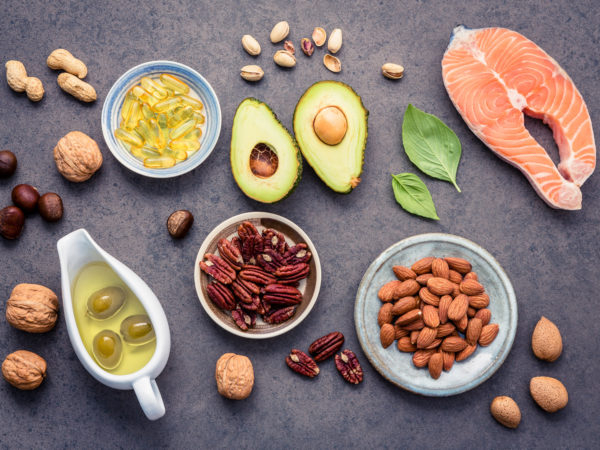
There is probably no doubt that B vitamins are essential for health and have many positive effects by now. But where to look for B complex vitamins? Quite often they are found together, or at least several of them in one source. Let's take a look at the best ones together. Many staple foods are excellent sources of B vitamins - vegetables, meat, eggs, fish, beans, or whole grains, for example. Most processed foods, however, are artificially fortified with B vitamins , and while they are also an important source, it is always better to get the bulk of them from unprocessed foods. So where do we find the different B complex vitamins?
- Thiamine (vitamin B1) - delicatessen yeast, seaweed, sunflower seeds, beans, lentils, peas, liver
- Vitamin B2 - liver, beef, seafood, feta cheese, almonds, tempeh, mackerel, eggs, sesame seeds, goat cheese
- Vitamin B3 - chicken, liver, sunflower seeds, beef, salmon, peas, turkey, tahini, mushrooms and sardines.
- Vitamin B5 - legumes, all meats, avocados, portobello mushrooms, some nuts, milk and eggs
- Vitamin B6 - poultry, fish, beef, yeast, beans, chickpeas, some fruits and vegetables
- Vitamin B7 - meat, liver, eggs, whole grains, potatoes, legumes, salmon, avocado, cauliflower
- Vitamin B12 - liver, fish, poultry, eggs, dairy products. B12 is mostly only found in animal products, which means that those who avoid all animal foods (e.g. vegans) are at risk of deficiency.
- Folic acid - asparagus, beans, peas and lentils, eggs, leafy greens, beets, citrus fruits, Brussels sprouts, papaya, spinach and broccoli.

As can be logically deduced, among the best sources of B complex vitamins are definitely liver and other organ meats, which are very often considered inappropriate for the diet. Also all meats, fish, eggs, dairy products, especially sour and yoghurt with probiotic cultures, nuts and seeds, legumes and some fruits and vegetables. The choice of foods is therefore quite extensive.
VITAMIN B COMPLEX DEFICIENCY
How can B complex vitamins be deficient when they are in virtually all commonly consumed foods? The most common causes of deficiency are chronic stress, poor dietary composition, restrictive diets excluding meat and dairy products, malabsorption, excessive alcohol consumption, smoking, sleep deprivation and shift work, pregnancy, severe caloric deficit , and vitamin B needs also increase with age as the production of stomach acids, which are necessary for the conversion of B vitamins, decreases.
And what are the symptoms of B complex vitamin deficiency? Fatigue, depression, dry, sensitive and chapped skin, hair loss, digestive problems, anemia, poor dental health , and B vitamin deficiency can have fatal consequences on fetal health and development. B vitamins are virtually unmentioned, yet they are so extremely important! For example, an adequate dose of vitamin B can help with fatigue, and B complex vitamins also have an effect on optimizing estrogen levels.
HOW TO PREVENT A DEFICIENCY?
From the preceding paragraphs, it is clear that a rational diet based on consuming enough calories, adequate variety and composition of the diet and concentrating on real foods is very important. You also can't go wrong by reaching for a good quality multivitamin or just a B complex. B vitamins are mostly excreted through the urine if you take in excess, so high doses miss the effect.
WHO SHOULD SEEK SUPPLEMENTS TO ENSURE ADEQUATE INTAKE?
One of the most common forms of vitamin B deficiency is B12 deficiency, and this is particularly common in people over 50. It is for this group that additional supplementation, or injection, is recommended . Vegetarians and vegans are also very often deficient in the same way . Pregnant women should pay increased attention to adequate intake of B vitamins. Also celiacs and people with Crohn's disease or other digestive tract diseases. People who suffer from anemia and individuals who have a problem with frequent alcohol consumption should also have a higher intake . Another group that should pay attention to sufficient intake of B complex vitamins are, of course, athletes and active individuals. However, it is always advisable to consult a doctor to increase your intake of B vitamins, as it depends on your health condition, risk factors and current vitamin levels. Overuse of them does not really bring any positive effect.

WHAT ARE THE OPTIMAL DOSES OF EACH VITAMIN?
How much B vitamin do you need to effectively prevent deficiency? This of course depends on many factors, fromphysical, mental conditions and also daily activity and stress levels. The general recommendation for optimal doses of B complex vitamins looks something like this:
- Vitamin B1: 1.1 to 1.2 milligrams per day.
- Vitamin B2: 1.1 to 1.3 milligrams per day.
- Vitamin B3: 14 to 16 milligrams per day.
- Vitamin B5: 5 milligrams per day.
- Vitamin B6 (pyridoxine): 1.3 to 1.7 milligrams per day.
- Vitamin B7: 30 micrograms per day.
- Vitamin B12 (cobalamin): 2.4 micrograms per day.
- Folic acid: 400 micrograms per day.
WHAT TO TAKE AWAY FROM THE ARTICLE?
B complex vitamins are a very underappreciated element of micronutrients. This is probably due to the fact that most people take themfor granted and don't know what effects and functions they actually hold in the body. Today, we've introduced all eight vitamins that make up the vitamin B complex and talked about their benefits and functions. Fortunately, the B vitamins are very readily availablethrough the regular diet, so people may not usually have a problem with their intake, but the elderly, people with digestive disorders or pregnant women should definitely not underestimate their intake. Not even athletes, as a lack of B complex vitamins affects energy and can also affect the optimization of estrogen levels.
Recommended
MedPharma Vitamin B12
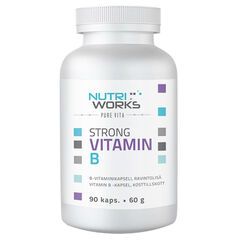
NutriWorks Strong Vitamin B
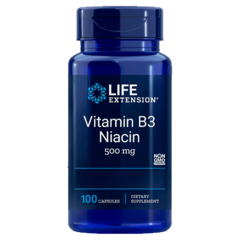
Life Extension Vitamin B3 Niacin
Sources:
https://www.hsph.harvard.edu/nutritionsource/what-should-you-eat/vitamins/vitamin-b/
https://medlineplus.gov/bvitamins.html
https://www.ncbi.nlm.nih.gov/pubmed/15261610
https://www.health.harvard.edu/a_to_z/vitamin-b12-deficiency-a-to-z
https://ods.od.nih.gov/factsheets/PantothenicAcid-HealthProfessional/
https://www.mayoclinic.org/drugs-supplements/biotin-oral-route/description/drg-20062359
https://www.ncbi.nlm.nih.gov/pubmed/15831132
https://www.ncbi.nlm.nih.gov/pubmed/16765926
https://www.health.ny.gov/publications/1335/
https://www.ncbi.nlm.nih.gov/pubmed/14584010
https://www.ncbi.nlm.nih.gov/pubmed/2162644
https://www.webmd.com/beauty/features/nutrients-f
No posts have been made yet.