





Vitamins
 Author:
 Welcome to another in a series of articles on the basics of nutrition. Today we will discuss vitamins in more detail. We will look at them from both a health and supplementation point of view and thus slowly open the next sequel to our articles, namely those on nutritional supplements.
Vitamins
In addition to macronutrients, our food contains many other substances, vitamins belong to the group of micronutrients, i.e., they do not serve as a source of energy (but they are of major nutritional importance) and are found in our diet in smaller quantities than carbohydrates, proteins or lipids. In humans, as in animals, vitamins act as catalysts of biochemical reactions and are involved in the metabolism of the aforementioned proteins, fats and sugars. Humans, with few exceptions, cannot synthesize vitamins and therefore must be supplied by a varied diet. There are a total of 13 different vitamins.
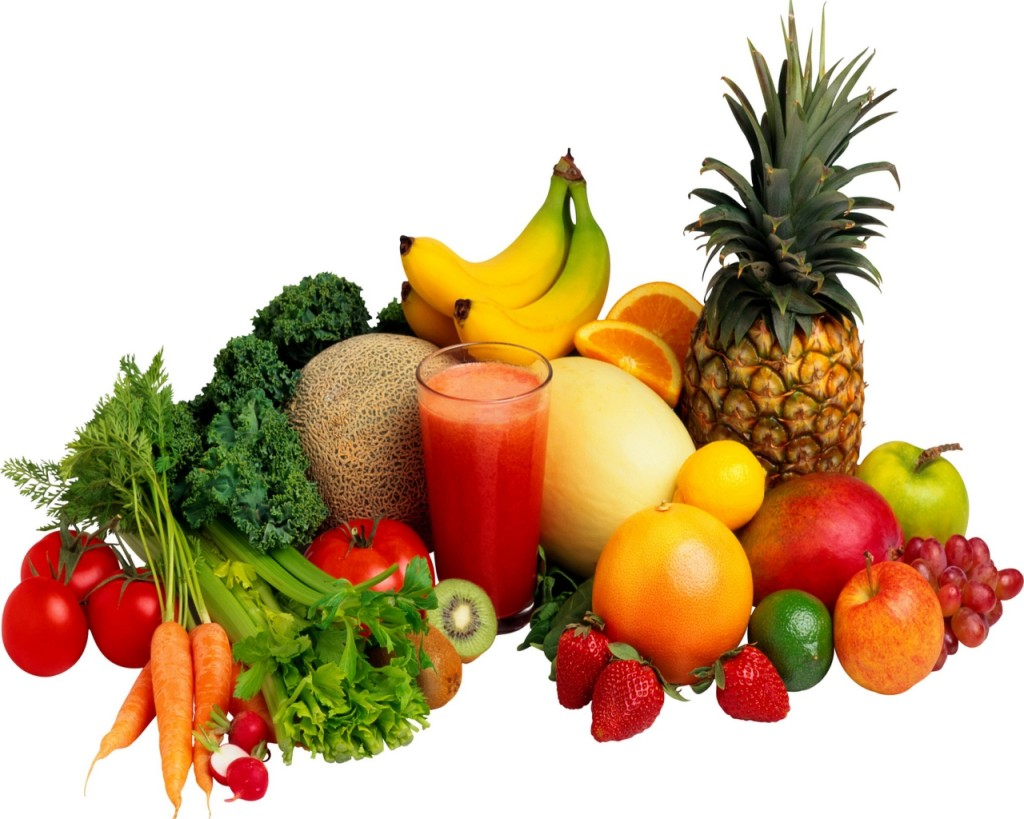
Division of vitamins
The basic division of vitamins is: into fat-soluble vitamins called lipophilic and water-soluble vitamins called hydrophilic
- lipophilic vitamins - among thelipophilic vitamins we include vitamins A, D, E, K
- hydrophilic vitamins-water-solublevitamins include vitamins C, B1, B2, B3, B5, B6, B9, B12, H note: In the case of B vitamins, we may also encounter other designations!!). I will digress here - the classification of vitamin C as a vitamin is already well established, but it is increasingly becoming the subject of scientific controversy. The need for this essential substance is much greater than is usual for vitamins. The dose needed for a human is 50-80mg, in sports and stressed people this need further increases (you can read about the so-called megadoses of vitamin C greater than 1g), and so the most famous vitamin stands right on the borderline between micro and macronutrients.
Vitamin intake
Adequate intake of all vitamins is essential for the proper functioning of our body. We will discuss the individual recommended amounts for the respective vitamins when we introduce them in more detail. Now a brief discussion of forms of intake and vitamin deficiencies. We refer to the milder forms of vitamin deficiency as hypovitaminosis. These can be eliminated simply by supplementing the appropriate vitamin(s) in the diet. More severe deficiencies are referred to as avitaminosis, and may be caused by poor absorption of a particular element, increased need (growth, convalescence, illness)or by the action of anti-vitamins. Antivitamins interfere with the function or prevent the absorption of vitamins, so they pass through our body unused.
They can be divided into:
- enzymes that break down vitamins into ineffective compounds
- substances that form unusable complexes with vitamins
- compounds that are structurally similar (our body wants to use them as vitamins) but do not have the properties of vitamins. Thus, they do not have the desired benefit for us.
Let us also add that some drugs (aspirin, diuretics, antibiotics, laxatives) are also effective vitamin inhibitors. Among the external inhibitors that we can partially influence, I would mention in particular excessive heat and cold, emotional outbursts, smoking and staying in smoky rooms, and alcohol (especially hard alcohol).
Adequate intake of vitamins can be ensured from natural sources, but also from "artificial" food supplements. I will not give you any illusions, fruits and vegetables are healthy and should be abundantly represented in our daily diet. However, hand on heart, how many of us are able to eat such a variety of fruits and vegetables to ensure a sufficient intake of all vitamins (I would say almost no one). That's why we have nutritional supplements, so let's leave the fruits, vegetables and all the opponents of vitamin pills lying in the cold in the basement and let's have some advice on these "miracle pills" (I admit I am also a proponent of them and I don't give up on daily vitamin supplementation). The first artificial vitamins began to appear before the Second World War (1938), since then science has not ceased to surprise us and has been churning out one discovery after another, even in the case of vitamins. (It is quite possible that soon many other substances labeled as vitamins will be found.) Natural vitamins cannot be replaced, they are very complicated substances and some ingredients we are not able to produce in laboratory conditions. Scientists therefore extract only the substance that is beneficial to our body, and this is then labelled as a vitamin (very simply written, apologies to nutritionists).
But let's get down to the choice of supplement. Here I will only state that the most appropriate vitamin supplementation is on its own, we do not suffer from the same deficiency in every vitamin. (We all know Ronnie and his box of ?vitamins?, and who does not I recommend his training videos). But I'm not going to be an idealist, so I'm going to recommend taking a multivitamin along with additional supplementation of only certain vitamins. (specifically vit. C, B-complex note beware of overdose, see below, and vit. E) These vitamins are almost harmless even in higher doses (of the B-complex, only B1 has been shown to be harmless). As for a multivitamin, you should choose a supplement that contains all 13 (or as many as possible) vitamins at 100% of the recommended daily dose. However, pay particular attention to vitamin A, beta-carotene (provitamin A) and vitamin E. These substances must not be supplied in doses greater than 100% for long periods of time, as they can accumulate in the body and reach toxic levels, endangering our health. The best time for vitamin supplementation is the time after waking up in the morning together with breakfast, which ensures quality absorption. (it contains both water and fat for dissolution) I would choose to take a second dose, only of the individual vitamins, after exercise or before bedtime along with a second dinner. In conclusion, I will only add that a diet based on poor quality and unhealthy foods will not save even the best multivitamin. So I wish you luck in your choice (visit our E-shop).
And now just briefly about the individual vitamins (because they are over-vitaminized on the Internet and in various publications) and interesting facts about them.
Water-soluble vitamins
Vitamin B1 (thiamine) Note: the second name is the trivial name of the vitamin or the chemical name, but nowadays the letter names are more commonly used-The recommended daily allowance (RDA) is 1.1-1.4 mg and is found in meat, yeast (I do not recommend eating raw yeast), offal and legumes. Alcoholics have an increased need for it. This vitamin is involved in carbohydrate metabolism (proenzyme). Its slight deficiency is manifested by impaired energy metabolism, fatigue and slow reactions. In avitaminosis (severe deficiency), disorders of the nervous and cardiovascular systems (beri-beri disease) occur. In food preparation, it is a stable substance.
Vitamin B2 (riboflavin)-DDD is equal to 1.5-1.8 mg, for nursing mothers a larger 2.5-3mg is needed. It can be found in similar sources as the previous vitamin, (like the whole B-complex), as well as in milk and leafy vegetables. It is part of coenzymes and is involved in intermediary metabolism. Its deficiency is observed as skin and mucous membrane disorders, inflammation and fatigue. This vitamin is unstable when exposed to visible and UV radiation (keep foods rich in this substance in the dark!!!).
Vitamin B3 (niacin, niacinamide), (PP factor), (nicotinic acid)- Again, I'll repeat myself, but they are found in similar sources to the previous B vitamins, but also in corn (however, the bound form is problematic here). The DDD is 10-20mg. Deficiency manifests itself as pellagra (first skin disorders, later diarrhea, dementia, and in the terminal phase even death).
Vitamin B5 (pantothenic acid)- DDD is 8-10mg, found in intestines, meat, fish, yeast, egg yolk, but also in rice and legumes. In our body, it acts as a so-called coenzyme A, which is involved in metabolism and especially the oxidation of fatty acids. (We've already covered fats, but let me remind you that fatty acids are the main component of fat.) For this vitamin, deficiency is rare, but when it does occur, it manifests as fatigue, anemia, and loss of pigment. In dietary preparation, this substance is stable.
Vitamin B6 (pyridoxine)-WARNING this vitamin is of great interest to bodybuilders. It occurs in three forms, the active form being pyridoxal phosphate. It is important for amino acid metabolism because of its action (coenzyme) in protein metabolism. It is also involved in the utilization of glycogen (glycogenolysis) and influences the function of the nervous and immune systems. Its daily dose is 1.6-2mg , but its extreme intake (more than 100mg) can cause peripheral nerve disorders (sensory organs-sight, smell, touch...). So increased dose in case of bodybuilding yes, but not extremely. (You always have to account for natural occurrence in food) It is found again in the same foods as the previous ones, plus also in soy, vegetables and cereals. Deficiency causes skin disorders and nausea. This substance is susceptible to light.
Vitamin B9 (folic acid, folacin)-The required dose is 200-400 μg (women in early pregnancy 600 μg) and is found in leafy vegetables, legumes, cereals, liver, and nuts. This substance is involved in the synthesis of nucleic acids and also, for example, in the conversion of amino acids into creatine and purine derivatives. A deficiency of this vitamin causes mucous membrane disorders and blood disorders. Impaired absorption is in alcoholics. In food, this substance is relatively stable.
Vitamin B12 (cobalamin)- DDD is only 3μg, in excess it is stored in the liver, where it can then serve as a storage substance for up to several years. Its sources are the same foods as the previous vitamins. Deficiency of this substance leads to anaemia and damage to the nervous system. Absorption is made possible by the so-called intrinsic factor. The main functions in our organism are the synthesis of red dye and nucleic acids, it is also involved in the metabolism of fatty acids.
Vitamin C (ascorbic acid)- What new things to write about this most famous and "famous" vitamin, I will try to summarize the facts and fulfill my duty. The DDD is 60-100mg (we can take doses higher than this in practice up to thirty times) and is found in fruits, vegetables and potatoes. It serves to inactivate free radicals (antioxidant function), while supporting connective tissue function. It promotes healing, increases iron utilization and boosts immunity. Deficiency causes scurvy over a prolonged period of time, in which connective tissue is not restored and bleeding occurs. Mild deficiency is manifested by fatigue and decreased immunity. Conversely, unused excess ascorbic acid is excreted in the urine. Vitamin C is susceptible to oxidation (access to oxygen), leaching and exposure to heavy metals.
Vitamin H (Biotin, vitamin B7)-The recommended dose is 30-100μg. It can be provided by intake of liver, meat, peanuts, chocolate or eggs. It is an important coenzyme of many enzymes that break down glycogen or fatty acids. Its deficiency is very rare and is manifested by weakness, vomiting or skin inflammation.
Fat-soluble vitamins
Vitamin A (retinol)-DDD is 0.8- 1.2mg, while doses above 3mg are toxic. Its provitamin is β-carotene, which is converted to vitamin A in the liver by the action of the enzyme carotenase. (β-carotene has about one-third the potency.) Its main function is to affect the vision process, and it also acts as an antioxidant. Deficiency of this vitamin is manifested by dryness of the skin and its peeling, gray-blindness to blindness and growth disorders. Excess of this substance can cause headaches, vomiting, enlargement of the liver and spleen. It is found mainly in fish oil, tripe, butter, cheese, milk. Β-carotene is found in vegetables and fruits.
Vitamin D (calciferols)-As the name suggests, this is a group of substances collectively referred to as vitamin D. Just to illustrate, the most important are cholecalciferol (vitamin D3) and ergocalciferol (vitamin D2). It is formed naturally in the skin of animals when exposed to UV radiation. In our country, however, the intensity of sunlight is low for most of the year, so it is advisable to supply it.
The daily requirement is 5-10μg. Not exceeding the upper limit is particularly important for adolescents, pregnant and lactating women and children. This substance is found in fish oil, egg yolk, and smaller amounts are also found in milk. Today it is also added to margarines. The main function of this vitamin is the resorption of calcium and its deposition. A deficiency causes rickets (in children) and, in older people, bone softening and bending (osteomalacia). Excessive intake results in hypercalcaemia, stomach ulcers and kidney stones.
Vitamin E (tocopherols+tocotrienols)-Another group of substances acting as antioxidants. They are very effective when combined with selenium (a mineral), which is their synergist. The DDD is 10-12mg, which is found in vegetable oils, cereal sprouts, vegetables (spinach), and partly in meat and flour. Its deficiency is rare. If it occurs, it can cause anemia, symptoms associated with free radical effects, and disorders of muscle and nerve metabolism. Hypervitaminosis (we are talking about doses around 800mg ) results in digestive difficulties.
Vitamin K (quinones)-This is again a group of substances under the complex designation of quinones. The required dose is 1μg/kg of weight. It is found in the diet mainly in liver, eggs, legumes and leafy vegetables. In case of deficiency, bleeding into internal organs (e.g. brain) may occur. Deficiency is also seen in malnutrition (dieting), reduced fat absorption or disturbed intestinal microflora. An overdose of this vitamin causes fever and lack of appetite.
And since vitamins are a very interesting group of substances, we will conclude with some interesting and superstructural information, which may be surprising to some, but which is not very common in articles about vitamins.
Vitamins also include many active substances that we no longer refer to as vitamins. One of these is vitamin B15, which we may know by the trivial name of pangamic acid. For strength athletes, it is certainly interesting that it is involved in the synthesis of creatine. It is found in yeast, cereals and legumes.
Another such substance is choline. It is an important carrier of nerve excitement, and its deficiency will accelerate the symptoms of liver cirrhosis. The DDD is 1-2g. Certainly a very interesting "former" vitamin is carnitine. It is referred to as vitamin Bt and is found in the muscles of animals. It significantly increases fat metabolism, and is thus a very popular nutritional supplement in reduction diets. The final tidbit is creatine (also formerly referred to as one of the water-soluble vitamins). It is found in animal muscle tissue in the form of creatine phosphate. It thus forms an energy reserve in the muscle, which is then used for muscle activity and ATP regeneration. (Note that this muscle activity, supplied exclusively by creatine phosphate, lasts in the order of seconds.) This makes it one of the most widely used and popular food supplements today.
We have successfully navigated the world of vitamins together. Let's hope it has been good for our health.:-) In the next article you can look forward to minerals and trace elements.
References:
- Manual of Prevention in Medical Practice II. Nutrition. SZU
- TROJAN, S. et al.:Medical physiology. Prague, Grada Publishing, 1996, 2nd ed. 496s.
- ROKYTA, R. et al.: Physiology for undergraduate studies in medicine, natural sciences and physical education. Prague, ISV nakladatelství, 2000, 1st ed. 360s.
- WILHELM, Z. et al. Brno, MU, 2003, 3rd ed. 115s.
- WHITNEY, E.N., ROLFES, S.R.: Understanding nutrition. Wadsworth, 2002, 700+ pages
- Biochemistry
- PÁNEK, J. et al.: Fundamentals of nutrition. Prague, Svoboda servis, 2002, 1st ed. 205 p.
- Blatná, J. et al.:Nutrition at the beginning of the 21st century or about nutrition up to date and with a guarantee. Prague, Society for Nutrition - NutriVIT Foundation,2005, 1st ed. 79s.
No posts have been made yet.








