





Energy drinks are still very popular. But what about their harmful effects on our health?
 Author: Šárka Randáčková
 Studies have attributed many adverse effects to energy drinks, especially for the cardiovascular system. However, their overall risk is quite low and depends on many factors.
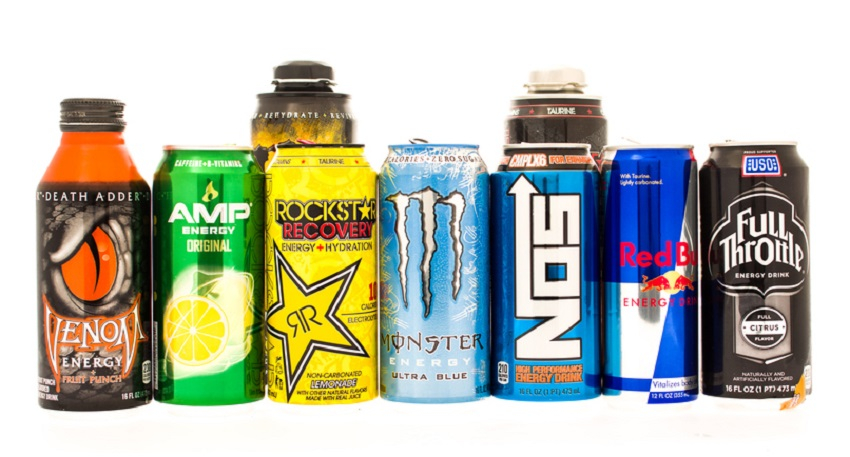
The market for energy drinks is huge. In 2016, its turnover was estimated at $43 trillion. By 2025, this figure is expected to almost double.
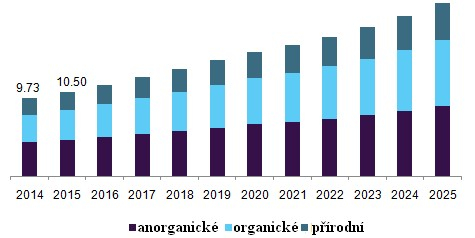
Figure 1: US energy drink market (sales in trillions of dollars)
Between 2007 and 2017, surveys showed that 58% of young Canadians,[1] 53% of US military,[2] 51% of US students [3] and 35% of New Zealand adolescents[4] consume energy drinks. In other words, that's a big chunk of the young population.
What makes energy drinks such a hit with young people? The desire to kick-start energy levels is crucial: they are, in short, the coffee of a new generation. It's also the result of successful marketing campaigns,[5][6]availability and good taste.[7] Negative health effects are prevalent among most people,[8] but not enough to deter them.
What is an energy drink?
You won't find two identical products on the market. But traditional ingredients include caffeine, taurine, B vitamins, herbs (ginseng, guarana) and of course sugar or artificial sweetener.
Table 1: Common energy drink ingredients
|
Supplement |
Dose* |
Marketing claims |
Potential benefits |
Potential problems |
|---|---|---|---|---|
|
Sugar |
50 g+ |
Energy for the brain |
Appetite stimulant |
Excess energy intake |
|
Caffeine |
140 mg+ |
Stimulant and support for brain activity |
Stimulant, nootropic |
Tolerance, withdrawal, heart problems, sleep problems |
|
Taurine |
2000 mg |
Improving blood flow |
Antioxidant, heart health, insulin sensitivity |
** |
|
Niacin |
40 mg |
Helps the body create energy |
** |
** |
|
Inositol |
50 mg |
Improves concentration |
** |
** |
|
Vitamin B6 |
4 mg |
Helps the body create energy |
** |
** |
|
Vitamin B12 |
12 mcg |
Helps the body create energy |
** |
** |
|
Ginseng |
50-400 mg |
Improves concentration |
Nootropic |
Digestive irritation |
|
Guarana |
50 mg |
Increases concentration and energy |
** |
** |
|
L-Carnitine |
50 mg |
Promotes fat burning |
** |
** |
* Normal dose (473 ml)
** None (too low dose)
We could rate each of the ingredients separately, but we wouldn't see a forest for the trees: the ingredients usually interact. [ 9][10] One study, for example, showed that consuming energy drinks improves brain function, while consuming the individual ingredients (caffeine, glucose, ginseng, and ginkgo biloba) does not.[9][10]Another study, for example, showed that taurine negated some of the effects of caffeine, so that consuming them together provided less energy and more headaches than consuming caffeine alone.
Two ingredients deserve special attention, however.
Caffeine
Caffeine is the main stimulant in energy drinks. The most popular brands contain roughly 150 mg of caffeine per can, not counting the caffeine content of the individual ingredients. Their caffeine content is therefore about 470% higher than a can of cola and 160% higher than a cup of coffee. Caffeine intake below 400 mg per day is considered safe, but this limit is dependent on genetics, health status, and sleep rhythm[11].
Take CYP1A2, for example. This enzyme is responsible for breaking down caffeine and other drugs. Its activity, and thus caffeine metabolism, is influenced by genetics and lifestyle (smoking, dietary habits, contraception...)[12] Adenosine receptors, which are genetically determined, can further influence, for example, sleep quality[13] and provide the basis for caffeine-induced anxiety[14].
Sugar
Carbohydrates per se do not cause obesity and its associated problems. However, consumption of sweetened beverages often leads to increased energy intake, which already contributes to obesity and its pitfalls. We are talking about diabetes, metabolic syndrome and fatty liver, especially in societies with sedentary lifestyles[15][16].
Are energy drinks harmful?
They definitely can.
The National Poison Data Collection System recorded 2.3 million calls in 2011. 4,854 (0.2%) of these were related to energy drinks.[17] Nearly two-thirds were related to contamination with unknown added substances. The main problems were seizures and cardiovascular problems such as arrhythmias and rapid respiration. The events described were worst when energy drinks and alcohol were consumed together.
The cardiovascular effects of energy drinks deserve special attention. Caffeine mainly affects the blood vessels, whereas the other ingredients mainly affect the heart.18Energy drinks are generally attributed with short-term adverse effects on cardiac blood flow to the brain.19 These effects are mainly related to the cooperation of caffeine and sugar and, to some extent, taurine and sugar.
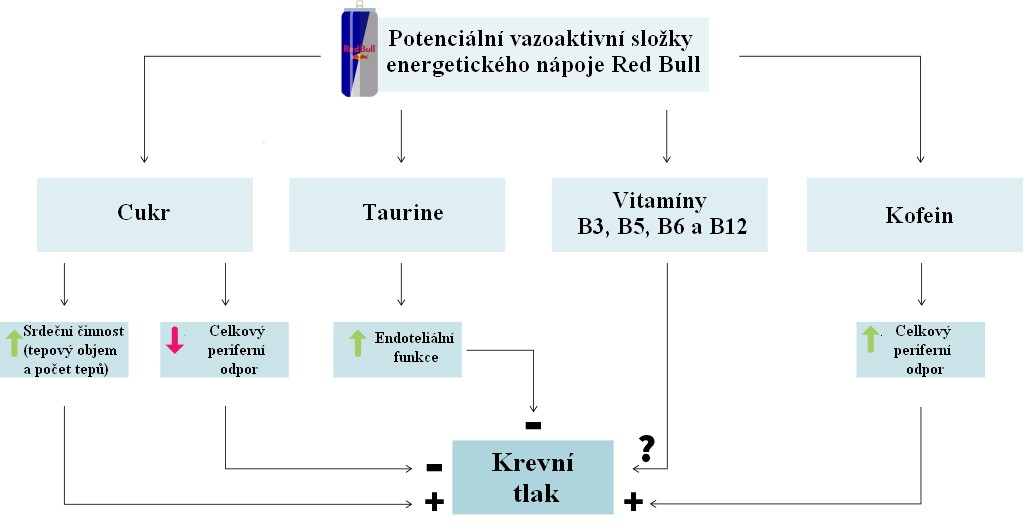
Figure 2: Potential effects of an energy drink (Red Bull) and its components on blood flow and blood pressure
Some case reports link energy drinks to arterial fibrillation;[20] however, they speak of high doses and have not been confirmed by studies.21 Other cardiovascular changes associated with energy drinks include ST elevation,[22]cardiomyopathy,[23] cardiac arrest,[24] coronary vasospasm,[25] acute coronary thrombosis,[26] and aortic aneurysm.
Who is at risk?
Ladies planning a pregnancy should avoid excess energy drinks: over 400 mg of caffeine per day increases the risk of spontaneous abortion by 11%,[28]compared to a dose below 50 mg per day.
And it doesn't stop there. Pregnancy also shortens the half-life of caffeine, exposing the fetus to a higher dose[29].
And it doesn't stop there. Children and adolescents may be another at-risk group: Due to their smaller body size, they have a lower tolerance to energy drink ingredients. The poisoning report mentioned above reported that half of the incidents associated with soft energy drinks occurred in children under 6 years old, and another 10.5% were in children between 6-12.17
Children should keep their daily caffeine intake below 2.5 mg per kilo of body weight[31] - for a normal 10-year-old child this means under 80 mg per day (237 ml) of a regular energy drink.
Are there any positives?
Several trials have confirmed an increase in mental capacity.[32][33][34] In the right circumstances, caffeine's ability to suppress fatigue should be seen as a positive.[35] Studies have also confirmed the ability of energy drinks to improve muscle strength and endurance in sporting activities.[36]
Are energy drinks bad for you?
Studies have attributed adverse health effects to them, especially in conjunction with the cardiovascular system. Caffeine or sugar is usually to blame. But other ingredients - or combinations of ingredients - can also play a role. Like everything else, energy drinks can be harmful. However, this depends on many factors, such as the amount consumed and the health of the person drinking them in the first place.
References:
- Wiggers D, et al. Use and Perceptions of Caffeinated Energy Drinks and Energy Shots in Canada. Am J Prev Med(2017).
- Stephens MB, et al. Energy drink and energy shot use in the military. Nutr Rev(2014)
- Malinauskas BM, et al. A survey of energy drink consumption patterns among college students. Nutr J. (2007)
- Utter J, et al. Energy drink consumption among New Zealand adolescents: associations with mental health, health risk behaviours and body size. J Paediatr Child Health. (2017)
- Hammond D, Reid JL. Exposure and perceptions of marketing for caffeinated energy drinks among young Canadians. Public Health Nutr. (2018)
- Emond JA, Sargent JD, Gilbert-Diamond D. Patterns of energy drink advertising over US television networks. J Nutr Educ Behav. (2015)
- Francis J, et al. Informing Intervention Strategies to Reduce Energy Drink Consumption in Young People: Findings From Qualitative Research. J Nutr Educ Behav. (2017)
- Hammond D, Reid JL, Zukowski S. Adverse effects of caffeinated energy drinks among youth and young adults in Canada: a Web-based survey. CMAJ Open. (2018)
- Scholey AB, Kennedy DO. Cognitive and physiological effects of an "energy drink": an evaluation of the whole drink and of glucose, caffeine and herbal flavouring fractions. Psychopharmacology (Berl). (2004)
- Giles GE, et al. Differential cognitive effects of energy drink ingredients: caffeine, taurine, and glucose. Pharmacol Biochem Behav. (2012)
- Temple JL, et al. The Safety of Ingested Caffeine: A Comprehensive Review. Front Psychiatry. (2017)
- Faber MS, Jetter A, Fuhr U. Assessment of CYP1A2 activity in clinical practice: why, how, and when?. Basic Clin Pharmacol Toxicol. (2005)
- Rétey JV, et al. A genetic variation in the adenosine A2A receptor gene (ADORA2A) contributes to individual sensitivity to caffeine effects on sleep. Clin Pharmacol Ther. (2007)
- Alsene K, et al. Association between A2a receptor gene polymorphisms and caffeine-induced anxiety. Neuropsychopharmacology. (2003)
- Malik VS, Schulze MB, Hu FB. Intake of sugar-sweetened beverages and weight gain: a systematic review. Am J Clin Nutr. (2006)
- Bray GA, Popkin BM. Dietary sugar and body weight: have we reached a crisis in the epidemic of obesity and diabetes?: health be damned! Pour on the sugar. Diabetes Care. (2014)
- Seifert SM, et al. An analysis of energy-drink toxicity in the National Poison Data System. Clin Toxicol (Phila).
- Miles-Chan JL, et al. The blood pressure-elevating effect of Red Bull energy drink is mimicked by caffeine but through different hemodynamic pathways. Physiol Rep.(2015)
- Grasser EK, et al. Energy Drinks and Their Impact on the Cardiovascular System: Potential Mechanisms. Adv Nutr. (2016)
- Di Rocco JR, et al. Atrial fibrillation in healthy adolescents after highly caffeinated beverage consumption: two case reports. J Med Case Rep. (2011)
- Shen J, et al. Dietary factors and incident atrial fibrillation: the Framingham Heart Study. Am J Clin Nutr. (2011)
- Hanan Israelit S, Strizevsky A, Raviv B. ST elevation myocardial infarction in a young patient after ingestion of caffeinated energy drink and ecstasy. World J Emerg Med. (2012)
- Kaoukis A, et al. Reverse Takotsubo cardiomyopathy associated with the consumption of an energy drink. Circulation. (2012)
- Rottlaender D, et al. Cardiac arrest due to long QT syndrome associated with excessive consumption of energy drinks. Int J Cardiol. (2012)
- Berger AJ, Alford K. Cardiac arrest in a young man following excess consumption of caffeinated "energy drinks". Med J Aust. (2009)
- Benjo AM, et al. Left main coronary artery acute thrombosis related to energy drink intake. Circulation. (2012)
- Jonjev ZS, Bala G. High-energy drinks may provoke aortic dissection. Coll Anthropol. (2013)
- Gaskins AJ, et al. Pre-pregnancy caffeine and caffeinated beverage intake and risk of spontaneous abortion. Eur J Nutr. (2016)
- Silva CG, et al. Adenosine receptor antagonists including caffeine alter fetal brain development in mice. Sci Transl Med. (2013)
- Knutti R, Rothweiler H, Schlatter C. The effect of pregnancy on the pharmacokinetics of caffeine. Arch Toxicol Suppl. (1982)
- Ruxton CH. The suitability of caffeinated drinks for children: a systematic review of randomised controlled trials, observational studies and expert panel guidelines. J Hum Nutr Diet. (2014)
- Alford C, Cox H, Wescott R. The effects of red bull energy drink on human performance and mood. Amino Acids. (2001)
- Howard MA, Marczinski CA. Acute effects of a glucose energy drink on behavioral control. Exp Clin Psychopharmacol. (2010)
- van den Eynde F, et al. The effects of energy drinks on cognitive performance. Tijdschr Psychiatr. (2008)
- Roehrs T, Roth T. Caffeine: sleep and daytime sleepiness. Sleep Med Rev. (2008)
- Souza DB, et al. Acute effects of caffeine-containing energy drinks on physical performance: a systematic review and meta-analysis. Eur J Nutr. (2017)
Source: www.examine.com
Author: Alex Leaf
Translated by Jaromír Uhlíř
Author: Šárka Randáčková No posts have been made yet.








