Don't neglect sleep, it is one of the main pillars of health!
 Author:
 No one will doubt that getting enough quality sleep is important for a good mood, good sports performance, maintaining a healthy weight and for health in general. In fact, sleep is one of the key components of a healthy lifestyle and a whole range of bodily processes depend on it. However, due to the demands of modern times, for many people, getting enough sleep (whether in quality or quantity) is a "relic", they put it on the back burner and this is obviously not a good thing. While the optimal amount of sleep we need is highly individual, long-term sleep deprivation has many negative health consequences and a variety of factors. So let's take a look at what the benefits of giving our bodies enough sleep actually are.
Better concentration and increased productivity
Sleep is an important factor for proper brain and nervous system function. Attention, productivity, memory... all of these can be negatively affected by sleep deprivation. Numerous studies have shown that sleep deprivation often leads to concentration disorders, which in some jobs can have absolutely fatal consequences. On the other hand, there are numerous studies that confirm that individuals who get adequate and quality sleep have better memory and perform better academically and professionally. In fact, sleep is when knowledge is stored in long-term memory. The ability to concentrate well is also appreciated by athletes. A good night's sleep also makes us more productive and makes all our work easier. Sounds good, don't you think?
Sleep, a neglected factor for a slim body
Sleep is also crucial for a comfortable reduction. Numerous studies have linked short sleep - defined as sleeping less than 7 hours per night - to a higher risk of weight gain, possibly even to the development of obesity. This is likely due to several factors. For example, fatigue, loss of motivation, hormone levels and, of course, the desire to replenish "unfulfilled" energy with calorie-laden foods or energy drinks all play a role. During sleep, hormone levels stabilize and if we don't get enough sleep, logically our hormones are more likely to do what they want.

What hormones are we talking about? Sleep deprivation fundamentally affects hormones such as leptin and ghrelin, which induce feelings of hunger and satiety in the body. In sleep deprivation, ghrelin levels increase while leptin levels decrease. Ghrelin is the hormone that makes us feel hungry, while leptin makes us feel full. When ghrelin levels are higher, we logically feel the need to eat more, and we often choose more caloric foods or even overeat. The stress hormone cortisol also plays a role, which is also not good for weight loss. To make matters worse, the feeling of fatigue during sleep deprivation can cause us to lose motivation to move - we simply don't feel like going to the gym, going for a walk or doing any other physical activity that we normally enjoy. And that's a shame.
Better performance in the gym, on the playground and on the run
Unsurprisingly, getting enough sleep is also crucial for optimal sports performance. Numerous studies have shown that optimal amounts of quality sleep can improve fine motor skills, reaction time, muscle strength, muscular endurance and concentration. Sleep is also crucial for recovery processes, so if we neglect it for long periods of time, we can easily end up feeling tired and sore, which will certainly not support our athletic performance or physical goals. Good quality sleep in adequate amounts is also essential to protect muscle mass. To make matters worse, fatigue caused by lack of sleep significantly increases the risk of injury and reduces motivation to exercise. So if your goal is to gain muscle, fitness, or simply to work on yourself and get somewhere, definitely make getting enough sleep a priority!

Get enough sleep for a strong and healthy heart
Scientific studies show that individuals who neglect sleep or sleep poorly for long periods of time have a significantly increased risk of developing heart disease. In addition, long-term sleep deprivation appears to increase the risk of high blood pressure, a factor that is important for cardiovascular health. One study, for example, concluded that people who get less than 5 hours of sleep per night over a long period of time have up to a 61% higher risk of developing high blood pressure than those who regularly get 7 hours of sleep. But interestingly, excessive sleep in adults - more than 9 hours - increases the risk of developing heart disease and high blood pressure just as much as sleep deprivation. So, again, the golden mean is the best option.
Better mood and prevention of depression
Mental health problems such as depression and anxiety are also strongly linked to sleep quality and sleep disorders. Sleep plays a key role in regulating our central nervous system. Research shows that people who get little or poor quality sleep are many times more likely to suffer from depression than those who get enough sleep each day. If you notice that you are experiencing frequent depression or anxiety due to poor sleep quality, don't be afraid to seek professional help. It's also true that when we're tired, we're often obnoxious, and this can be a problem when it comes to social life. Fatigue can also affect our ability to respond to humour and show empathy. People with sleep deprivation are also less likely to seek out company and prefer to be alone. According to research, people who get enough quality sleep are more sociable and cheerful.
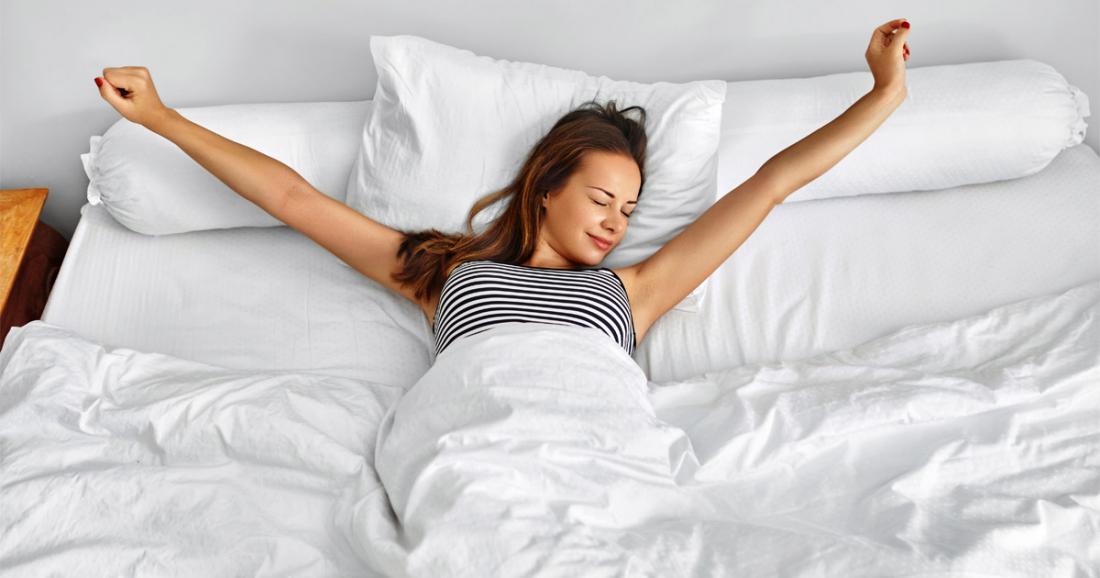
Support for strong immunity
Lack of sleep, in addition to those already mentioned, also negatively affects our body's defences. Simply put, if you don't give your body enough sleep, it can alter your immune response. Sleep is an essential part of building your immune system and ensuring it is functioning at full capacity. When you get the quality of sleep and the number of hours your body needs, the strength and effectiveness of your immune system can be increased many times over. If you don't sleep enough, there is an increased risk of developing a cold or viral infection. Not only is the length of sleep crucial for a strong immune system, but of course the quality of sleep goes hand in hand with it. Lack of sleep can also encourage the development of inflammation in the body, which can result in a range of unpleasant health complications or develop into chronic diseases such as obesity, heart disease, certain cancers, Alzheimer's disease, depression and type 2 diabetes.

You're not just doing it for yourself, you're doing it for those around you
If we don't sleep enough, we can affect others by our behaviour or inattention. When we are tired, our ability to focus on tasks, reflexes and reaction times decrease. In fact, it has been reported that severe sleep deprivation is comparable to alcohol abuse. For example, if you are tired, you may fall asleep while driving your car, you may miss some important details at work, or you may unintentionally hurt someone (and yourself). Also, being obnoxious and unpleasant when tired is not a pleasant experience for those around us. All in all - getting enough sleep is important for ourselves, but also for the people around us whether we're talking about jobs, roads or home.
Recommended
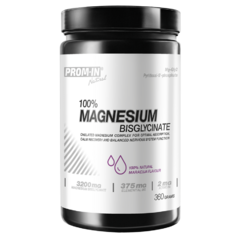
Prom-in 100% Magnesium Bisglycinate
Guaranteed tips for a really good night's sleep
We have several articles on how to get a good night's sleep on the web, so we'll just briefly highlight a few key points. We should go to bed at around the same time every day. The room in which we sleep should be dark, well ventilated and used only for sleeping and love play. Choosing the right mattress and pillow is also important. We should avoid using phones and computers for about an hour before bedtime, as well as watching TV, as these devices produce blue light that can disturb our sleep. This can also be partially treated by using special glasses or backlighting devices. We should also be careful about eating heavy, overly spicy, fatty or sugary foods.

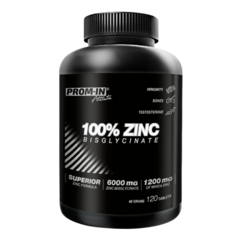
Also be cautious about taking stimulants and drinking coffee in the afternoon, as caffeinated drinks and pre-workout supplements have the ability to delay fatigue, and this can cause difficulty falling asleep. Alcohol is not good for sleep quality either. Intense physical activity shortly before going to bed can also cause problems for some people, but this is very individual. You can try a warm bath before bed, sipping herbal teas, meditation, or a short yoga stretch. You can also take sleep supplements - plain magnesium with zinc, melatonin, or perhaps CBD drops.

What to take away from the article?
Bottom line - along with nutrition and exercise, sleep is one of the main pillars of health. Lack of sleep is associated with many negative health effects, including increased risk of heart disease, more depression, weight gain, inflammation, poorer recovery and a host of diseases. While individual sleep needs vary, most research suggests that for optimal health, we adults should sleep 7 to 9 hours per night. Just as important as quantity, of course, is the quality of sleep. Sleep should be given the same attention as nutrition and sport, and should not be neglected because of work commitments.
Sources:
Cooper, C. B., Neufeld, E. V., Dolezal, B. A., & Martin, J. L. (2018). Sleep deprivation and obesity in adults: a brief narrative review. BMJ open sport & exercise medicine, 4(1), e000392. https://doi.org/10.1136/bmjsem-2018-000392
Itani, O., Jike, M., Watanabe, N., & Kaneita, Y. (2017). Short sleep duration and health outcomes: a systematic review, meta-analysis, and meta-regression. Sleep medicine, 32, 246-256. https://doi.org/10.1016/j.sleep.2016.08.006
Krause, A. J., Simon, E. B., Mander, B. A., Greer, S. M., Saletin, J. M., Goldstein-Piekarski, A. N., & Walker, M. P. (2017). The sleep-deprived human brain. Nature reviews. Neuroscience, 18(7), 404-418. https://doi.org/10.1038/nrn.2017.55
Könen, T., Dirk, J., & Schmiedek, F. (2015). Cognitive benefits of last night's sleep: daily variations in children's sleep behavior are related to working memory fluctuations. Journal of child psychology and psychiatry, and allied disciplines, 56(2), 171-182. https://doi.org/10.1111/jcpp.12296
Charest, J., & Grandner, M. A. (2020). Sleep and Athletic Performance: Impacts on Physical Performance, Mental Performance, Injury Risk and Recovery, and Mental Health. Sleep Medicine Clinics, 15(1), 41-57. https://doi.org/10.1016/j.jsmc.2019.11.005
Javaheri, S., & Redline, S. (2017). Insomnia and Risk of Cardiovascular Disease. Chest, 152(2), 435-444. https://doi.org/10.1016/j.chest.2017.01.026
Makarem, N., Alcántara, C., Williams, N., Bello, N. A., & Abdalla, M. (2021). Effect of Sleep Disturbances on Blood Pressure. Hypertension (Dallas, Tex. : 1979), 77(4), 1036-1046. https://doi.org/10.1161/HYPERTENSIONAHA.120.14479
Hayley, A. C., Williams, L. J., Venugopal, K., Kennedy, G. A., Berk, M., & Pasco, J. A. (2015). The relationships between insomnia, sleep apnea and depression: findings from the American National Health and Nutrition Examination Survey, 2005-2008. The Australian and New Zealand journal of psychiatry, 49(2), 156-170. https://doi.org/10.1177/0004867414546700
Opp, M. R., & Krueger, J. M. (2015). Sleep and immunity: A growing field with clinical impact. Brain, behavior, and immunity, 47, 1-3. https://doi.org/10.1016/j.bbi.2015.03.011
No posts have been made yet.