Zinc - A key mineral for strong immunity and physical performance
 Author:
 Zinc is an important micro component of nutrition that is often forgotten. Many of you will know zinc for its ability to support immunity, but this unassuming mineral can do so much more! Zinc affects hormone production, is important for optimal functioning of the digestive system, and even has an effect on performance and strength. Athletes and active individuals in particular should make sure to get enough of it, as zinc is "lost" from the body through sweat during physical exertion.
It also has the ability to act as an anti-inflammatory agent, which means it can have significant therapeutic benefits in the treatment of chronic diseases such as cancer or heart disease. Zinc deficiency can lead to a number of health problems such as chronic fatigue, digestive problems and hormonal problems. Zinc deficiency is not uncommon in our country either, so let's take a closer look at this element today!
Article content:
- Theoretical window - what is zinc?
- The main health benefits of zinc
- Other effects of zinc
- How do I know if I have a zinc deficiency?
- The best food sources of zinc
- How to choose the right zinc supplement and how much to take?
- What can I take away from this article?
Theoretical window - what is zinc?
Zinc is both a vital element and an essential one. This means that it is not produced by the body itself and must be taken in through diet and supplements. After iron, it is the second most abundant trace element in the body and its role is fungible. Zinc is important for the proper functioning of more than 300 biochemical processes - it affects digestion and metabolism, the nervous system, thyroid function, the immune system, the reproductive organs and its deficiency can have truly fatal consequences. In addition, it acts as an antioxidant, which means it fights free radical damage and helps slow the aging process.
This mineral has an absolutely crucial effect on hormonal balance, and for this reason, even a small deficiency can lead to an increased risk of infertility or the development of diabetes. If zinc is deficient in the body, it can cause frequent illness, depression and mood disorders, poor wound healing, impaired concentration and growth problems in children. Let us now review the most important benefits that zinc offers to the body.
The main health benefits of zinc
Zinc as a key component for supporting the immune system
Zinc is often used as an over-the-counter supplement effective in fighting colds. When taken regularly for at least five months, it reduces the risk of developing a cold - plus, once you're already feeling ill, zinc can help speed up the healing process. According to some research, zinc deficiency is even one of the most common causes of chronically low immunity. Getting enough zinc significantly reduces the occurrence of infections and supports immune function, especially in the elderly.
A mineral with a strong antioxidant effect
Zinc has been shown to be a powerful anti-inflammatory and antioxidant agent that helps fight oxidative stress and prevent the development of disease. Zinc stabilizes cell membranes and contributes to the body's antioxidant protection. Antioxidants are substances that fight free radicals - the substances behind many diseases, including cancer. Zinc is also crucial for the synthesis of nucleic acids, and its amount affects the rate of cell division, growth, regeneration and wound healing.

An essential mineral for hormonal balance.
Zinc plays a very important role in hormone production. For example, it influences the natural production of testosterone. In addition, zinc reduces the activity of aromatase, an enzyme that stimulates the conversion of testosterone into estrogen. Low zinc levels in men can also lead to lower sperm production and quality. Its intake is also crucial for female hormonal health. Zinc is involved in the formation of eggs inside the ovaries as well as their subsequent release from the ovaries. It is essential for the production of estrogen and progesterone, which support women's reproductive health. Its deficiency can lead to menstrual cycle disorders, mood swings, early menopause and infertility in both sexes.
An effective weapon against insulin resistance and the development of diabetes
Let's stay with hormones and build on the previous point. Zinc is needed to balance the levels of other hormones, including insulin, the main hormone involved in blood glucose regulation, which is why zinc is used as a natural supplement in the treatment of diabetes. The beta cells of the pancreas, which produce insulin, contain high levels of zinc and research has shown a link between low zinc levels and the development of diabetes. Zinc is also essential for the secretion and storage of insulin in beta-cells. In addition, it has antioxidant and anti-inflammatory effects and this is used to prevent complications associated with diabetes.
It plays an important role in cardiovascular health
In addition to its effect on the immune system, zinc is also essential for heart health and supports optimal blood circulation. It can be used as a natural remedy for lowering high blood pressure and can also have a positive effect on LDL ('bad') cholesterol levels.
Zinc is important for the absorption and digestion of nutrients
Zinc also affects protein synthesis and is involved in the breakdown of carbohydrates, which the body uses as its main source of energy. Zinc is involved in many gastrointestinal processes, and without it our body is unable to adequately digest food and absorb all nutrients. Therefore, when it is deficient, fatigue can easily occur due to lack of energy.

It helps wounds to heal better and alleviates the symptoms of acne
Zinc is widely used in the treatment of burns, eczema and other skin injuries. This is because this mineral plays a key role in collagen synthesis, prevents the development of inflammation and is essential for proper healing. Also, people who suffer from acne often struggle with zinc deficiency and supplementing with zinc can help them significantly with this problem.
Other effects of zinc
As mentioned in the opening paragraphs - zinc is involved in more than 300 reactions in the body and to list all its important functions would make a really long article. So we will mention some others only in passing. We have already discussed that zinc is important for metabolism, so it is worth mentioning that zinc also affects the thyroid gland. It also affects the quality of our hair, nails and skin. It is equally essential for the health of our eyes.
A relatively little known fact is that sufficient zinc intake also affects memory and mental performance. Last but not least, zinc influences the perception of taste, increases taste acuity and stimulates the appetite, which is used in case of lack of appetite. Of course, we could go on for a long time, but I'm sure you already understand that zinc is a truly essential element and its intake should not be trivialised.
How do I know if I have a zinc deficiency?
According to a 2019 study, more than 17% of the world's population is zinc deficient. Usually, deficiency occurs with excessive calorie restriction, insufficient dietary variety, or various digestive disorders and intestinal diseases. People who do not eat meat and dairy products (vegetarians, vegans and those who follow even more restricted diets) are most at risk of deficiency. Other groups at risk are people working under high stress, the elderly, pregnant women, diabetics and people with gastrointestinal disorders. People who consume alcohol in excess may also have difficulty getting enough zinc. A final group that is often at risk of deficiency is active athletes, as their needs increase due to activity.
How does zinc deficiency manifest itself? Frequent fatigue, infertility, digestive problems, impaired immunity, poor wound healing, frequent sweet cravings, nervous dysfunction, diarrhea, poor nail and hair quality, decreased libido and depression. In children, zinc deficiency can lead to developmental and growth problems. A deficiency of this mineral in pregnancy can cause very low birth weight, and in worse cases can even lead to physical or mental disability of the baby or miscarriage.
The best food sources of zinc
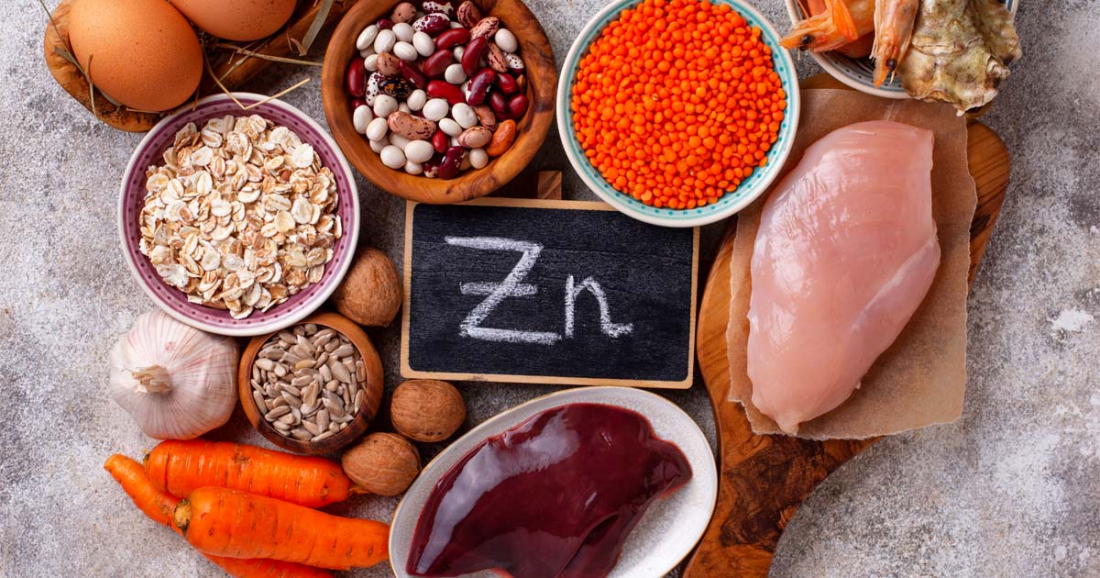
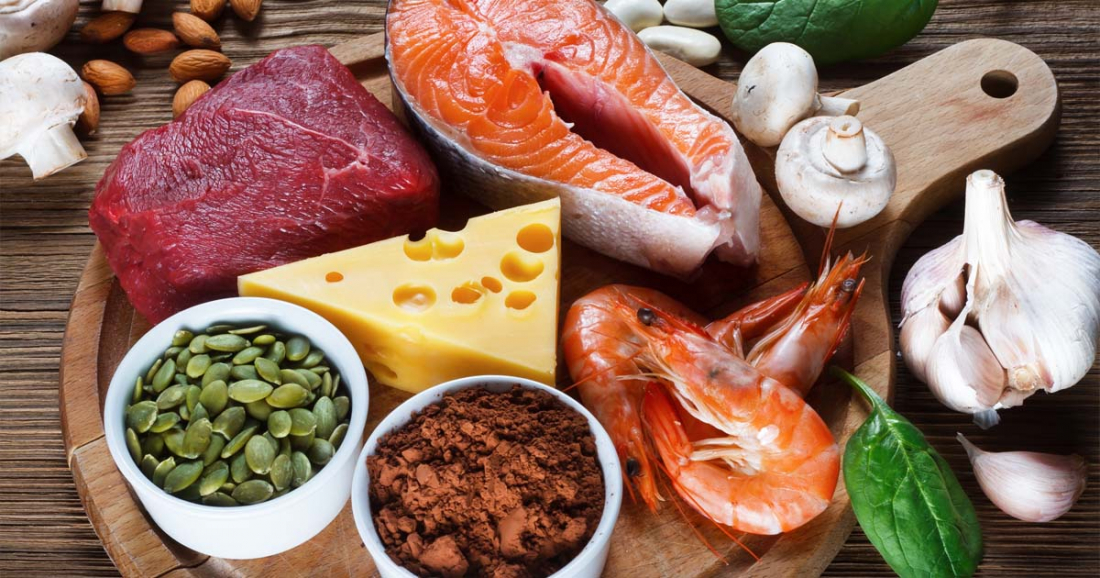
The basic prerequisite for avoiding zinc deficiency is to eat a sufficiently varied diet of the highest possible quality and adequate quantity. The focus should be on real foods, i.e. foods that have not undergone multiple processing. The richest food in zinc is oysters. However, these are not usually found regularly in our diets, and other sources are not so rich that we can adequately meet the necessary zinc intake, so it is advisable to supplement with additional zinc.
Zinc is found in beef, liver, chickpeas, cashews, pumpkin seeds, cocoa powder, lamb, eggs, chicken and turkey, mushrooms and beans. Zinc from animal sources is slightly more absorbable, as most plant sources contain phytates (phosphorus compounds found in cereals and legumes) that inhibit zinc absorption. This can be prevented by fermentation or soaking.
How to choose the right zinc supplement and how much to take?
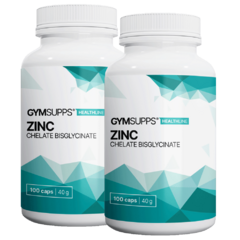
Zinc supplementation should be taken by anyone who may be potentially at risk of zinc deficiency. If you choose to include a supplement containing it, it should not be a multivitamin, as it inhibits with copper and iron, which most multivitamins contain. Also be careful about taking it with food, especially then with dairy products and foods rich in phytate. Taking it at night, at least an hour apart from meals, along with a dose of magnesium seems ideal. The form with the highest bioavailability and absorption is said to be the chelated form of zinc, i.e. zinc bound to the amino acid glycine.
As far as the optimal dose is concerned, it will be, as is usual in nutrition, individual. It will depend on gender, age, physical activity, dietary variety, and many other factors. The optimal dose should be around 12 mg for men and around 8 mg for women. Pregnant women should increase the dose up to 12 mg. Higher doses should also be taken by people with physically demanding jobs and individuals who are under permanent stress. As mentioned in the introduction, active individuals also need higher doses. In the cases mentioned above where an increased dose is needed, the optimal zinc intake may be between 15-30 mg.
Are there any side effects associated with taking high doses of zinc? Most studies state that the dose should not exceed 40 mg, at least not in the long term. Excessive zinc intake can lead to copper and iron deficiencies. A high dose can also cause digestive upset or fevers.
What to take away from the article?
Zinc is a very important mineral that is involved in more than three hundred different processes in the body. It is crucial for immunity, affects the absorption and digestion of nutrients, promotes wound healing, prevents acne and has a bunch of other benefits. People who do not eat meat and dairy products, the elderly, pregnant women, alcoholics, diabetics and people with digestive or nutrient absorption disorders are most at risk of deficiency.
Deficiency leads to excessive fatigue, frequent illness, depression, digestive problems, infertility and other negative effects. As active people, we can reap countless benefits from its effects, and considering its important role in the body, its sufficient intake should not be underestimated.
Recommended
Sources:
Rungby J. (2010). zinc, zinc transporters and diabetes. Diabetologia, 53(8), 1549-1551. https://doi.org/10.1007/s00125-010-1793-x
Tuerk, M. J., & Fazel, N. (2009). Zinc deficiency. Current opinion in gastroenterology, 25(2), 136-143. https://doi.org/10.1097/MOG.0b013e328321b395
Hulisz D. (2004). Efficacy of zinc against common cold viruses: an overview. Journal of the American Pharmacists Association : JAPhA, 44(5), 594-603. https://doi.org/10.1331/1544-3191.44.5.594.hulisz
Singh, M., & Das, R. R. (2013). Zinc for the common cold. The Cochrane database of systematic reviews, (6), CD001364. https://doi.org/10.1002/14651858.CD001364.pub4
Gammoh, N. Z., & Rink, L. (2017). Zinc in Infection and Inflammation. Nutrients, 9(6), 624. https://doi.org/10.3390/nu9060624
Jalali, G. R., Roozbeh, J., Mohammadzadeh, A., Sharifian, M., Sagheb, M. M., Hamidian Jahromi, A., Shabani, S., Ghaffarpasand, F., & Afshariani, R. (2010). Impact of oral zinc therapy on the level of sex hormones in male patients on hemodialysis. Renal failure, 32(4), 417-419.
Fukunaka, A., & Fujitani, Y. (2018). Role of Zinc Homeostasis in the Pathogenesis of Diabetes and Obesity. International journal of molecular sciences, 19(2), 476. https://doi.org/10.3390/ijms19020476
Roohani, N., Hurrell, R., Kelishadi, R., & Schulin, R. (2013). Zinc and its importance for human health: An integrative review.Journal of research in medical sciences : the official journal of Isfahan University of Medical Sciences, 18(2), 144-157.
Marger, L., Schubert, C. R., & Bertrand, D. (2014). Zinc: an underappreciated modulatory factor of brain function. Biochemical pharmacology, 91(4), 426-435. https://doi.org/10.1016/j.bcp.2014.08.002
Maxfield L, Crane JS. Zinc Deficiency. [Updated 2020] In: StatPearls [Internet]. Treasure Island (FL): StatPearls Publishing; Available from: https://www.ncbi.nlm.nih.gov/books/NBK493231/
https://medlineplus.gov/ency/article/002416.htm
https://ods.od.nih.gov/factsheets/Zinc-HealthProfessional/
No posts have been made yet.