Everything you need to know about antioxidants
 Author:
 If you are interested in healthy lifestyle, you must have noticed the concept of antioxidants and their miraculous effects on human health. Antioxidants in the diet, antioxidants in supplements, whose advertisements compete to see which is more miraculous... Do you have any doubts what antioxidants are and how they work? Let's take a closer look at them today.
Content
- What exactly are antioxidants?
- But nothing is just black or white!
- The importance of antioxidants for life
- What kinds of antioxidants do we have?
- Do we need to take supplements to ensure we get enough of them?
- Conclusion
To begin with - what exactly are antioxidants?
To properly understand the function of antioxidants, we need to start at the atomic level. So let's start a little philosophically and reminisce about school physics and biology classes. The entire universe is made up of atoms. Each atom is actually a shell that contains a nucleus, where protons and neutrons are located, and then electrons orbit around the nucleus. We have three basic kinds of atoms - protons, which are atoms with a positive charge, and electrons, which have a negative charge, and neutrons, which are, as their name suggests, neutral, that is, without a charge. Atoms combine to form molecules and other larger formations.
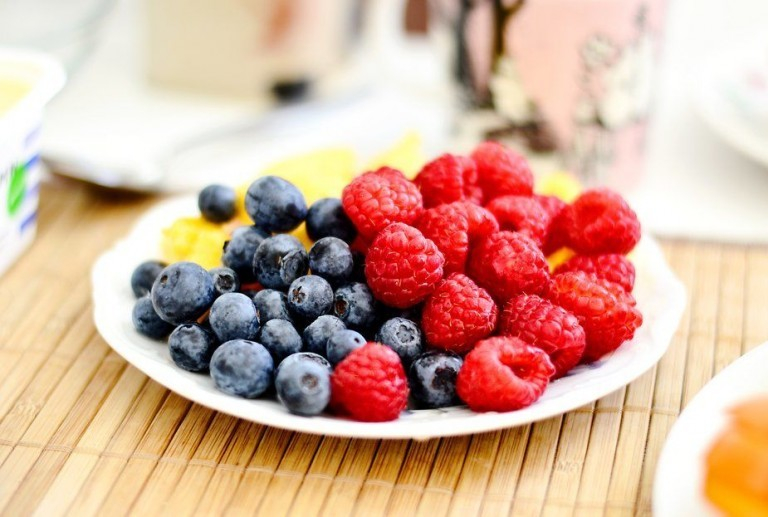
The human body is made up of proteins, fats and deoxyribonucleic acids (DNA), which are essentially huge molecules made up of hundreds to thousands of atoms joined together. The body of all living creatures maintains a stable internal environment because of the chemical reactions that take place within the body. All the necessary reactions that an organism carries out are then referred to as metabolism. During the course of each reaction, molecules are broken down or grouped together.
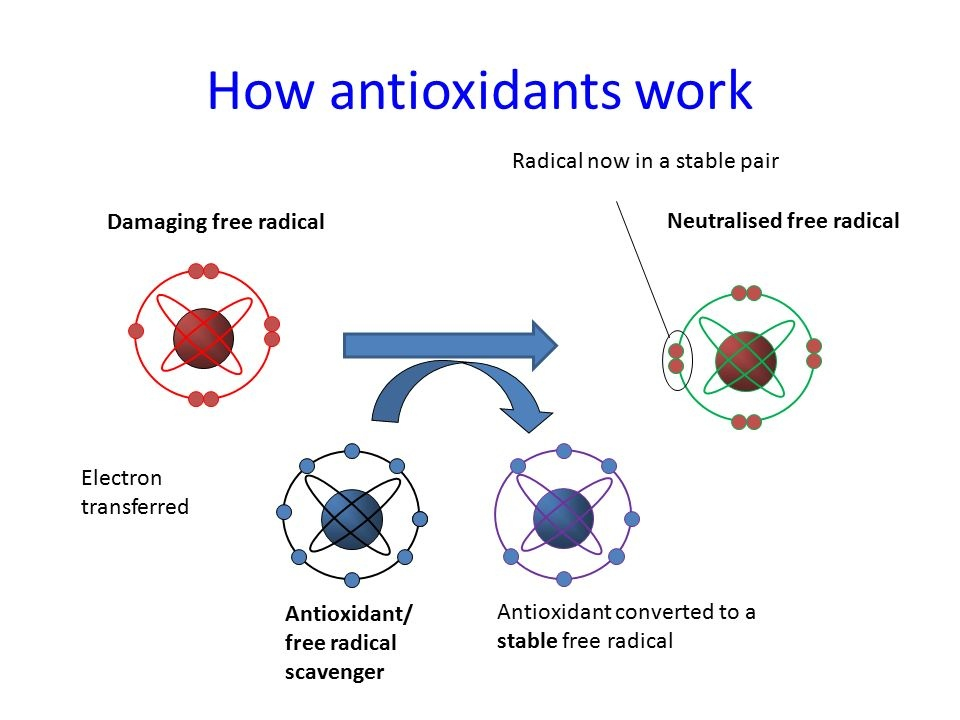
To be stable, a molecule must have a certain number of electrons. If it loses this number, a molecule is formed that we call a FREE RADICAL. Free radicals are electrically charged molecules in cells that are unstable and can react with other molecules in the cell and even damage them - for example, DNA. Free radicals can also cause a so-called chain reaction, where molecules damaged by free radicals also become free radicals and do more damage. This is where antioxidants come in, as the "salvation" for the body. When a molecule loses an electron and becomes that free radical, which as you understand is not (always) good for the organism. The antioxidant molecule will engage in this reaction and "give" the free radical its free electron, effectively neutralizing it back and preventing the free radical from doing harm in the body.
Here we have a simplified illustration of how antioxidants work against radicals.
But nothing is just black or white!
Not only are antioxidants important for life, but also some free radicals. Free radicals are formed during metabolic reactions in the body and the supply of antioxidants prevents them from destroying our organism. However, it must be taken into account that free radicals also perform certain functions in the body that are essential for life. For example, the immune system uses free radicals to kill bacteria that may attack us and cause an infectious disease.
As with most processes, there is a balance to radicals. Our body needs some free radicals, but we also need antioxidants to prevent free radicals from destroying the body. However, if this balance is disturbed, a problem arises. When the body is deficient in antioxidants relative to the number of free radicals, a condition called oxidative stress occurs.
You've probably heard of oxidative stress, and it is a condition where the body is dominated by free radicals and can cause serious cell damage or even complete cell death. Oxidative stress is a modern diagnosis that can take many forms and have many causes - from natural processes in the body to sport and diet. The main factors in its development include:
- An inappropriate diet containing too much polyunsaturated fatty acids.
- Hyperglycemia - or high blood sugar.
- Smoking.
- Alcohol consumption.
- Lack/excess of oxygen in the body.
- Excessive consumption of micronutrients, especially iron, magnesium, copper and zinc.
- Insufficient/excessive intake of antioxidants.
- Bacterial and other infections.
- Exposure to all kinds of radiation, including excessive exposure to the sun.
- Air pollution.
- Prolonged strenuous physical activity that damages tissues
Yes, indeed, even training puts oxidative stress on the body and is a strain on the body, even though it makes you feel positively energized. That is why it is necessary not to underestimate recovery. Long-term oxidative stress can also have more serious consequences, such as the development of cardiovascular or lung diseases and various types of cancer. Oxidative stress is also linked to the development of Alzheimer's disease. In addition, oxidative stress accelerates the aging of the body.
The importance of antioxidants for life
If you have carefully read all the previous paragraphs, you must have understood that antioxidants are essential for life. All living organisms, for example, have their own way of defending themselves against free radicals and the oxidative stress that free radicals cause. Antioxidants can be found in virtually all foods of animal and plant origin. In fact, our life literally depends on the intake of antioxidants, especially vitamin C and vitamin E. However, beware, even here there is a limit, beyond which the intake of these vitamins (antioxidants) becomes toxic and harmful.
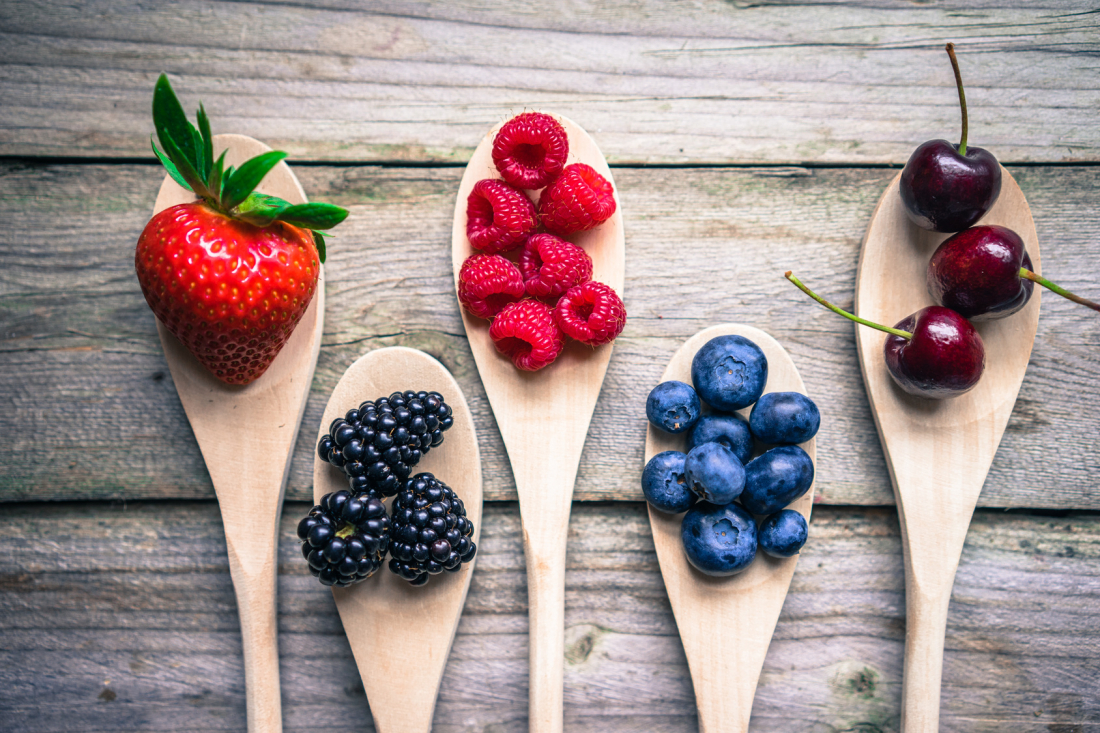
Therefore, it is advisable to have a varied diet that includes both plant and animal components. Indeed, meat products and fish also contain antioxidants, but in smaller quantities than those found in fruits and vegetables. The foods that reign supreme in antioxidant content are small berries, especially blueberries. Other very rich sources are dark chocolate, green tea or coffee. Coffee has even been identified in studies as the greatest source of antioxidants, and this is because the general population unfortunately does not consume enough antioxidant-rich foods.
In addition, antioxidants are also added as preservatives to various foods, both natural and industrially produced, to ensure their longer shelf life.
What kinds of antioxidants do we have?
When it comes to the types of antioxidants in food, there are a huge number of them. They can generally be divided into two groups - water-soluble antioxidants and fat-soluble antioxidants. Water-soluble antioxidants act both inside and outside the cell (in the intracellular fluid and extracellular fluid), while fat-soluble antioxidants act only on cell membranes.
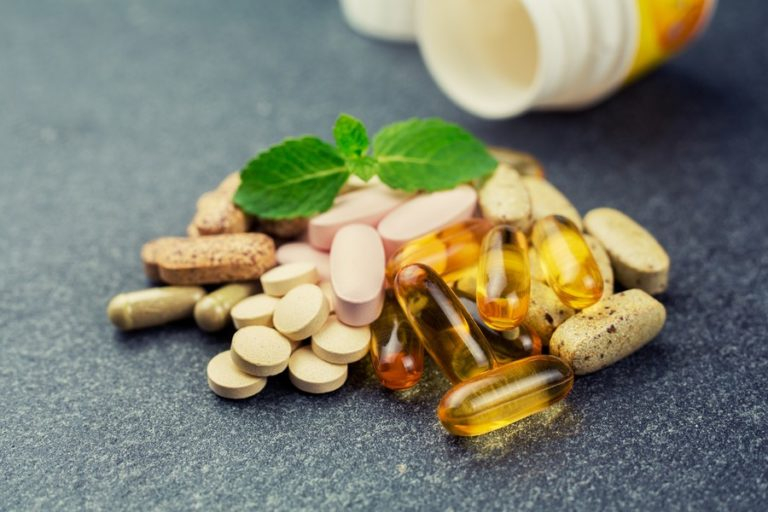
The main antioxidants we take in from our diet are vitamin C, vitamin E and flavonoids. Vitamin C is the main water-soluble vitamin and is one of the most important essential nutrients we need to take in. Vitamin E is the main fat-soluble vitamin and plays a vital role in protecting cell membranes from damage by oxidative stress. Flavonoids are substances, mostly plant-type, that offer a number of positive effects for the body, such as helping to regulate cholesterol levels.
Is it necessary to take dietary supplements to ensure sufficient amounts?
You may wonder, when reading about the effects of antioxidants, whether we should consume them specifically in the form of a supplement. While adequate intake of antioxidants is important, to use the old adage - less is sometimes more. Excessive consumption of antioxidants alone can have toxic effects and, paradoxically, exacerbate the effects of harmful radicals and oxidative stress.
Studies also show that antioxidants taken from the diet, i.e. natural, have a much stronger effect than those taken in supplement form. For example, the juice of a blood orange has a much greater oxidizing effect than the same amount of vitamin C you get from a tablet dissolved in water. It is also true that there are hundreds (if not thousands) of different types of substances in food that work synergistically together. Therefore, taking only one or two selected substances in isolation will never have the same positive effects.

What can I say in conclusion?
The best way to ensure your body gets enough antioxidants is to eat a healthy, wholesome, balanced and varied diet, rich in fruits and vegetables. On the other hand - you can't go wrong by investing in a good quality multivitamin!
Sources: healthline.com, examine.com, PubMed
Recommended
Czech Virus SuperVita PRO 2.0
Czech Virus Algastin Natural Astaxanthin
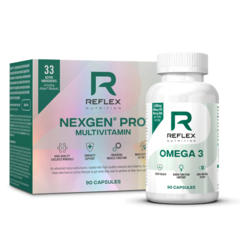
Nexgen Pro 90cps + Omega 3 90cps
No posts have been made yet.