





12 healthy foods high in antioxidants
 Author: Šárka Randáčková
 What are antioxidants?
Antioxidants are substances that help protect the body's cells from free radical damage. Free radicals are unstable molecules that can damage cells, DNA and other structures in the body. Antioxidants can help neutralize free radicals and thus prevent or slow cell damage.
Antioxidants are found in many different foods, including fruits, vegetables, legumes, nuts and seeds. Some common antioxidants include vitamin C, vitamin E, beta-carotene, lycopene, flavonoids and polyphenols.
Studies suggest that antioxidants may have a number of health benefits, including:
- Reducing the risk of chronic diseases such as heart disease, cancer and Alzheimer's disease.
- Improving immune system function
- Reducing inflammation
- Protecting against sun damage
It is important to remember that antioxidants are not a cure and cannot prevent all health problems. However, including enough antioxidants in your diet can be one way to promote overall health and well-being.
Here are some tips on how to increase your antioxidant intake:
- Eat a varied diet rich in fruits, vegetables, legumes, nuts and seeds.
- Choose unprocessed foods, as these usually contain more antioxidants than processed foods.
- Eat fruits and vegetables raw or cooked, as cooking can reduce the content of some antioxidants.
- Drink green tea, which is a good source of antioxidants.
- Add herbs and spices to your diet, such as turmeric, garlic and ginger, which are also rich in antioxidants.
Scientists examine the amount of antioxidants in foods with several tests. One of the best tests is FRAP (ferric reducing ability of plasma) analysis. This measures the antioxidant content of foods by their ability to neutralize specific free radicals. The higher the FRAP value the more antioxidants a food contains and we have 12 foods full of antioxidants for you!
12 Healthy Foods High in Antioxidants
1. Dark chocolate
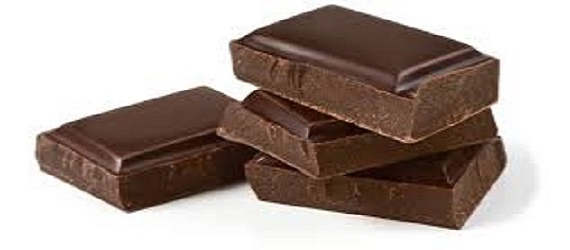
Good news for chocolate lovers. The dark version has more cocoa, minerals and antioxidants. According to FRAP analysis, dark chocolate has 15 mmol of antioxidants per 100 g. That's even more than stars like blueberries and raspberries. We further associate dark chocolate's antioxidants with astounding health benefits like reduced inflammation and reduced risk factors for heart disease. A review of 10 studies examined the effect of cocoa consumption on blood pressure. Cocoa consumption reduced systolic blood pressure by an average of 4.5 and diastolic blood pressure by an average of 2.5 mmHg. Another study found that dark chocolate may reduce the risk of heart disease by increasing the level of antioxidants in the blood and raising HDL (good) cholesterol and preventing oxidation of LDL (bad) cholesterol. Oxidised LDL cholesterol can increase inflammation of blood vessels and the risk of heart disease.
2. Pecans
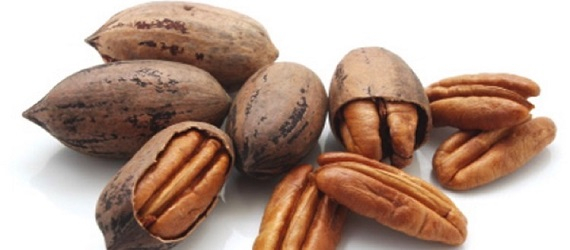
Pecans are native to Mexico and South America. They are a good source of healthy fats and minerals and are also rich in antioxidants. According to FRAP analysis, pecans contain up to 10.6 mmol of antioxidants per 100 g . They can also increase the concentration of antioxidants in the blood. According to one study, people who ingested 20% of their daily caloric intake from pecans had a significant increase in blood antioxidant concentrations. Another study reported a 26-33% reduction in oxidized LDL cholesterol, a risk factor for heart disease. Pecans are an excellent source of healthy fats, but they are also quite caloric. They should therefore be eaten in moderation.
3. Blueberries
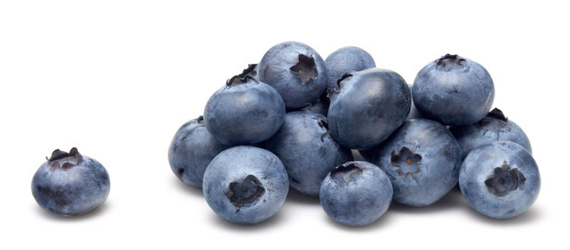
Although they contain few calories, blueberries are very rich in nutrients and antioxidants. According to FRAP analysis, blueberries contain up to 9.2 mmol of antioxidants per 100g . Many studies confirm that blueberries contain the most antioxidants of all commonly consumed fruits and vegetables. Research also shows that the antioxidants in blueberries can slow the degradation of brain function that occurs in old age. The antioxidants of blueberries further reduce the risk of heart disease, LDL cholesterol and blood pressure .
4. Strawberries
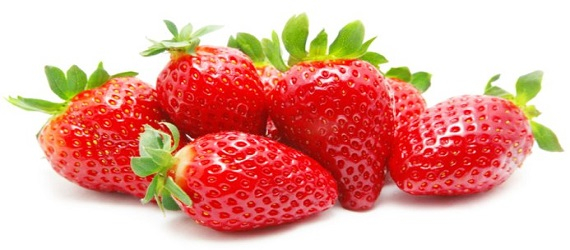
Strawberries are one of the most popular fruits on the planet. They are sweet, a good source of vitamin C and are also rich in antioxidants. According to FRAP analysis, blueberries contain up to 5.4 mmol of antioxidants per 100 g . Antioxidants in strawberries reduce the risk of heart disease by reducing LDL cholesterol and increasing HDL cholesterol levels. A review of 10 studies found that antioxidants from strawberries significantly reduced LDL cholesterol levels in people with heart disease or high levels.
5. Artichokes
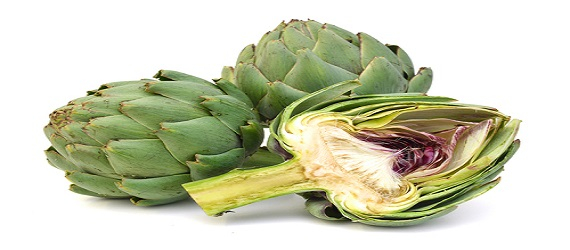
Artichokes are tasty and nutrient-dense, but you won't find them in many people's diets. However, they have a rich history - people in ancient times used them to treat liver diseases such as jaundice. Artichokes also contain fibre, minerals and antioxidants. According to FRAP analysis, artichokes contain up to 4.7 mmol of antioxidants per 100 g. Studies suggest that the antioxidants in artichokes may reduce the risk of certain types of cancer and type 2 diabetes. The antioxidant content of artichokes varies according to preparation. Cooking can increase it up to eight times and stewing up to 15 times. Frying, however, can reduce the antioxidant content.
6. Goji
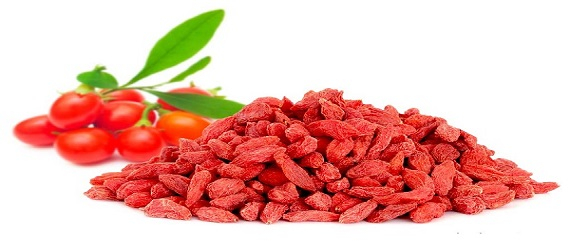
Goji is the dried fruit of two plants, lycium barbarum and lycium chinense. They have been part of Chinese medicine for more than 2000 years. Goji is often referred to as a superfood because it is rich in vitamins, minerals and antioxidants. According to FRAP analysis, goji contains up to 4.3 mmol of antioxidants per 100 g. Antioxidants from goji may protect against certain cancers, heart disease and skin aging. One study had healthy elderly individuals consume a milk drink with goji berries every day for 90 days. At the end of the study, the subjects had 57% more antioxidants in their blood. Goji berries are nutritionally very interesting, but eating them regularly can be quite expensive. Few studies have looked at their effects on humans. Although these studies are on the side of their usefulness, more research is needed.
7. Raspberries
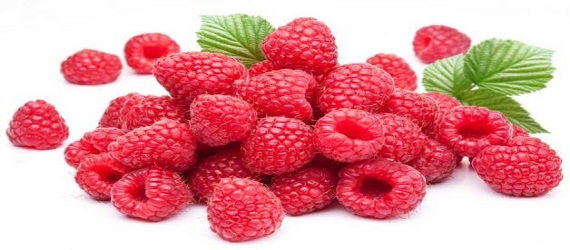
Raspberries are often used in desserts and are an excellent source of fiber, vitamin C, and antioxidants. According to FRAP analysis, raspberries contain up to 4 mmol of antioxidants per 100 g. Several studies have linked raspberry antioxidants to a reduced risk of cancer and heart disease. One laboratory study found that antioxidants and other components of raspberries destroyed 90% of stomach, colon, and breast cancer cells in a sample. A review of studies found that raspberry antioxidants slow and block a number of cancers and reduce the risk of heart disease. Most research on raspberries, however, is conducted in test tubes. More human trials are needed.
8. Kale
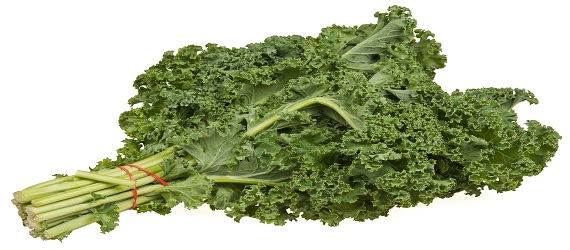
Cabbage is a vegetable belonging to the species brassica oleracea. Other members of this family are broccoli and cauliflower. Kale is nutritionally one of the most interesting vegetables ever, thanks to vitamins A, K and C. It is also rich in antioxidants, providing up to 2.7 mmol per 100g. Red varieties of kale can contain up to twice as much - up to 4.1 mmol of antioxidants per 100g. Kale is also an excellent source of calcium, a mineral that is essential for bone health and plays an essential role in cell function overall.
9. Red cabbage
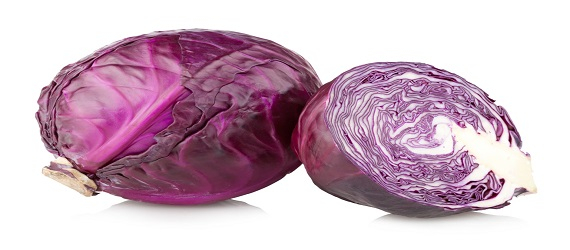
Red cabbage is nutritionally very interesting. It is rich in vitamins C, K and A and many antioxidants. According to FRAP analysis, red cabbage contains up to 2.2 mmol of antioxidants per 100 g. This is more than four times higher than the content of ordinary cabbage. Its colour is given by the same antioxidants that are also found in strawberries and raspberries. These antioxidants reduce inflammation, the risk of heart disease and some cancers. It is also high in vitamin C, which itself acts as an antioxidant in the body, boosting the immune system and maintaining skin firmness. The method of preparation also has a significant effect on the antioxidant content. Boiling and frying increases it, whereas stewing can reduce it by up to 35%.
10. Beans
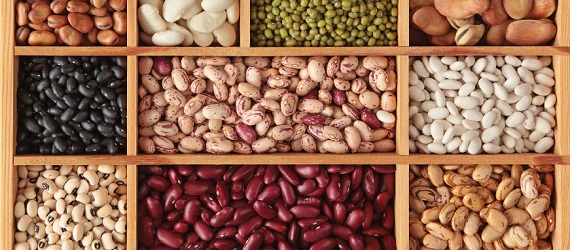
Beans are a diverse group of legumes that are not expensive and are healthy. They also have a huge fiber content that can help with bowel regularity. Beans are also very rich in antioxidants. FRAP analysis has found that green beans contain up to 2 mmol of antioxidants per 100g. The antioxidants in some beans have been linked to reducing chronic inflammation and suppressing cancer growth. Several animal studies have found growth suppression of breast, bladder, kidney and lung cancer cells. However, further studies in humans are needed
11. Beets
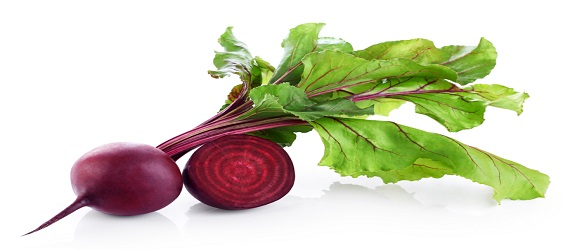
Beetroot is the root of the beta vulgaris plant. It has a mild taste and is a great source of fiber, potassium, iron, folate and antioxidants. According to FRAP analysis, beetroot contains up to 1.7 mmol of antioxidants per 100 g. Several studies have linked beet antioxidants to a reduced risk of bowel and digestive tract cancer. Beets also reduce inflammation. For example, one study found that capsules containing beet antioxidants significantly reduced arthritis pain and inflammation.
12. Spinach
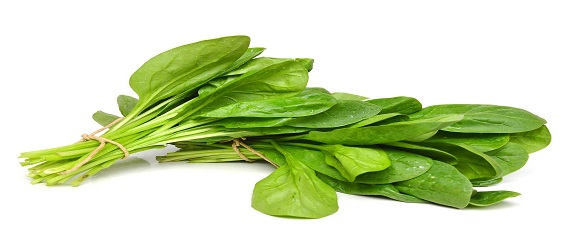
Spinach is nutritionally one of the best vegetables. It contains lots of vitamins, minerals and antioxidants. Moreover, it has very few calories. According to FRAP analysis, spinach contains up to 0.9 mmol of antioxidants per 100 g. Spinach's antioxidants can protect your eyesight from harmful UV rays and other dangerous wavelengths. These antioxidants help fight eye damage from free radicals.
Conclusion
Antioxidants are compounds that are formed in the body and can also be found in food. They protect the human body from potentially dangerous molecules known as free radicals. When free radicals accumulate, they can cause a condition known as oxidative stress. This can increase the risk of chronic diseases such as heart problems, type 2 diabetes, cancer and other chronic diseases. However, a diet rich in antioxidants can neutralize free radicals, and fight the risk of chronic disease. When you eat the foods mentioned in this article, you will increase your blood levels of antioxidants and reap their myriad health benefits.
Source: www.healthline.com
Author: Ryan Raman, MS, RD (NZ)
Original Article Title: 12 Healthy Foods High in Antioxidants
Recommended
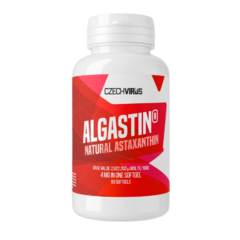
Czech Virus Algastin Natural Astaxanthin
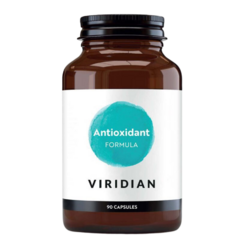
Viridian Antioxidant Formula
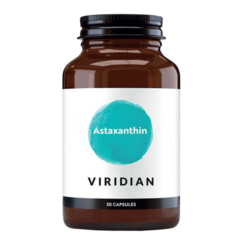
Viridian Astaxanthin
 Author: Šárka Randáčková
 No posts have been made yet.








