





Magnesium and zinc - an important duo in your supplementation
 Author:
 [AUTHOR: Pavel Samek / Prom-in]
Zinc and magnesium are essential for boosting your performance. They even support fat burning and are absolutely essential for immunity. I myself have been stressing to athletes for years the importance of supplementation with micronutrients in particular. It is absolutely crucial. No NO booster or BCAA will have the same effect on your performance as sufficient micronutrient saturation. What's more, if you are deficient in any of the micronutrients, all the advanced supplements will be completely useless. I hope this article will get you thinking and maybe even rethinking what is most important in your supplementation.
Article Content:
- The effect of zinc and magnesium on the hormonal milieu
- The effect of zinc on overall health
- Why do athletes need to supplement with magnesium and zinc?
- How to ensure zinc and magnesium absorption
The effect of zinc and magnesium on the hormonal environment
We might pause first at one myth. Many people think that zinc and magnesium help boost testosterone levels. Unfortunately, they can't. This myth originated from the bombastic commercials for the ZMA product in the 1990s (a great product, by the way). Disappointing? No reason. Because zinc and magnesium provide something more. In fact, overall, they can optimize your hormonal environment.
Note: Increasing levels naturally is not realistic in practice. Thanks to pulse secretion, you won't affect testosterone secretion above natural levels in any significant way (No, squats won't really raise your testosterone levels, but they can build you great thighs).
On the other hand, you can lower your levels quite effectively, mainly by overtraining, caloric deficit, lack of fats but also carbohydrates in your diet, and deficiency of important micronutrients. You can't raise your levels above your natural level, but you can effectively optimize them. This is where zinc and magnesium supplementation play a major role.
Research has confirmed to us that after undergoing heavy training, zinc in athletes very effectively raises testosterone levels back to optimal levels (In fact, serum TST levels are actually lowered by strength training). Which can also be interpreted to mean that it increases testosterone levels. But as we explained above, this is an optimization not some major boost, just that this optimization is crucial from a performance standpoint.
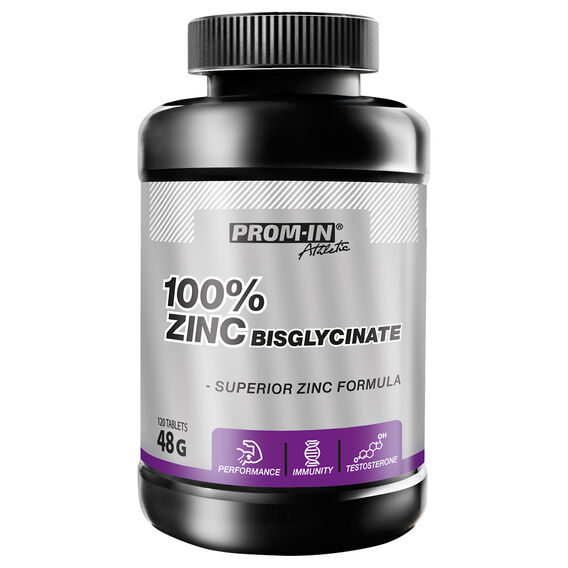
But what is significantly more important than the effect of zinc supplementation on testosterone levels is the ability of zinc in combination with magnesium to suppress the secretion of catabolic cortisol. This hormone is in fact an antagonist for testosterone. Triathletes using magnesium-based supplements for four weeks had significantly lower post-race cortisol levels than athletes taking a placebo. A study by Brazilian researchers, on the other hand, showed a drop in cortisol levels just two hours after taking a zinc-based supplement.
Less well known is the role of zinc in supporting thyroid function. Needless to say, the thyroid ensures optimal metabolic functioning. Several studies have confirmed that dietary zinc deficiency leads to decreased thyroid hormone levels. In contrast, zinc supplementation can even increase your metabolic rate. According to one University of Massachusetts study, supplementation with 25 mg of zinc significantly increased metabolic rate in as little as 21 days.

The effect of zinc on overall health
The effect of zinc supplementation on immune function is fairly well known. Supplemental zinc intake reduces the incidence of acute lower respiratory tract infections. Research by the Cleveland Clinic has shown that zinc supplementation at the onset of a cold can halve the duration of the illness. The researchers concluded that zinc can block the virus from reacting with surface proteins.
Zinc also acts as a powerful antioxidant. This greatly improves recovery after a hard workout.
Why do athletes need to supplement magnesium and zinc?
Athletes are the most at-risk group when it comes to magnesium and zinc deficiency. This is due to several factors, chief among which are loss of zinc during sweating, increased need for zinc during recovery. Nutrition also has an effect on the need for zinc and magnesium. For example, refined carbohydrates in the form of white flour products significantly reduce blood magnesium levels. Another problem may be insufficient absorption of zinc and magnesium from the natural diet. The problem is that calcium-rich foods (such as dairy products) inhibit the absorption of both zinc and magnesium in the small intestine. Copper and also foods rich in phytate (phosphorus compounds found in whole grains, cereals and legumes) inhibit optimal absorption of zinc again in the small intestine.
Ensuring optimal absorption of magnesium and zinc from natural sources can be problematic. As athletes, you have to cover the increased need for these two minerals, so supplementation with zinc and magnesium should be an absolute essential. Only then will you be assured of optimal conditions for muscle mass and strength gains, plus supplementation will help with burning subcutaneous fat and improve your immunity.
How to ensure zinc and magnesium absorption
If you use the Vita Solution multivitamin product, you will have noticed that it does not contain magnesium or zinc. We have taken this step to avoid interference with the other ingredients in the product and to allow you to take magnesium and zinc at a time when optimal absorption is assured.
When supplementing magnesium and zinc, it is not only the form in which you take the minerals that is important, but also the timing of when you use them. It is advisable not to take magnesium and zinc with food and especially not with dairy products. Both magnesium and zinc are less easily absorbed with food because the calcium in food significantly blocks the absorption of zinc. Zinc also inhibits the absorption of amino acids from food. Therefore, a model of taking magnesium and zinc at night may be considered a suitable solution. I suggest taking 300-450 mg of magnesium in chelate form. At night, magnesium bisglycinate appears to be the ideal form. This is where we find magnesium bound to the amino acid glycine.
Glycine has an interesting function in the central nervous system, where it increases N-methyl-D-aspartate receptor-mediated neurotransmission and acts as an inhibitory neurotransmitter via the glycine receptor. This results in a calming and relaxing effect. The magnesium dose can be supplemented with zinc. Again ideally in the form of a compound of an ion and an amino acid, here again glycine is used to form zinc bisglycinate. Alternatively, the well-known zinc monomethionine can be used. The optimal dose of pure micro element will be 20-40 mg. I do not recommend doses of magnesium higher than 500 mg, as they could interfere with sleep. Likewise, a zinc dose higher than 50 mg can be risky in terms of disrupting immune function and metabolism.
As for meal spacing, I suggest 1-2 hours after a meal and 45-60 minutes before the last meal of the day.
Recommended
Prom-in 100% Magnesium Bisglycinate
Reference:
1. Brandão-Neto, J., et al. Zinc acutely and temporarily inhibits adrenal cortisol secretion in humans. A preliminary report.Biol Trace Elem Res. 1990 Jan;24(1):83-9.
2. Brilla, L. R. and Conte, V. Effects of a Novel Zinc-Magnesium Formulation on Hormones and StrengthJournal of Exercise Physiology online. 3(4): 2000.
3. Brilla, L. R. and Haley, T. F. Effect of magnesium supplementation on strength training in humans.J Am Coll Nutr. 1992 Jun;11(3):326-9.
4. Cinar, V., et al. Effects of magnesium supplementation on blood parameters of athletes at rest and after exercise.Biol Trace Elem Res. 2007 Mar;115(3):205-12.
5. Cinar, V., et al. The effects of magnesium supplementation on thyroid hormones of sedentary and Tae-Kwon-Do sportsperson at rest and exhaustion.Neuro Endocrinol Lett. 2007 Oct;28(5):708-12.
6. Cordova, A. and Navas, F. J. Effect of training on zinc metabolism -- changes in serum and sweat zinc concentrations in sportsmen.Ann Nutr Metab 1998:42:274-82.
7. Evans, G. W. and Johnson, E. C. Effect of iron, vitamin B-6 and picolinic acid on zinc absorption in the rat.J Nutr 1981:111:68-75.
8. Freake, H. C., et al. Actions and Interactions of Thyroid Hormone and Zinc Status in Growing Rats.J. Nutr. 131:1135-1141, 2001.
9. Golf, S. W., et al. On the significance of magnesium in extreme physical stress.Cardiovasc Drugs Ther 1998:12:197-202.
10. Haralambie, G., et al. Serum zinc in athletes in training.Int J Sports Med. 1981 Aug;2(3):135-8.
11. Kilic, M., et al. Effect of fatiguing bicycle exercise on thyroid hormone and testosterone levels in sedentary males supplemented with oral zinc.Neuro Endocrinol Lett. 2007 Oct;28(5):681-5.
12. Kilic, M., et al. The effect of exhaustion exercise on thyroid hormones and testosterone levels of elite athletes receiving oral zinc.Neuro Endocrinol Lett. 2006 Feb-Apr;27(1-2):247-52.
13. Kilic, M., et al. Effect of zinc supplementation on hematological parameters in athletes.Biol Trace Elem Res. 2004 Jul;100(1):31-8.
14. Konig, D., et al.Zinc, iron, and magnesium status in athletes/influence on the regulation of exercise-induced stress and immune function. Exerc Immunol Rev 1998:4:2-21.
15. Kwun, I. S., et al. Marginal zinc deficiency in rats decreases leptin expression independently of food intake and corticotrophin-releasing hormone in relation to food intake.Br J Nutr. 2007 98(3):485-9.
16. Mahalanabis, D., et al. Randomized, double-blind, placebo-controlled clinical trial of the efficacy of treatment with zinc or vitamin A in infants and young children with severe acute lower respiratory infection.American Journal of Clinical Nutrition 79(3): 430-436, 2004.
17. Mocchegiani, E., et al.Zinc, metallothioneins, and longevity--effect of zinc supplementation: zincage study.Ann N Y Acad Sci. 2007 Nov;1119:129-46.
18. Mossad, S. B. Effect of zincum gluconicum nasal gel on the duration and symptom severity of the common cold in otherwise healthy adults.QJM. 2003 Jan;96(1):35-43.
19. Persigehl, M. Changes in the serum zinc concentration in different metabolic situations.Z Klin Chem Klin Biochem. 1974 Apr;12(4):171-5.
20. Sazawal, S., et al. Zinc supplementation reduces the incidence of acute lower respi- ratory infections in infants and pre-school children: a double-blind, controlled trial.Pediatrics 102:1-5, 1998.
21. Shankar, A.H., et al. Zinc and immune function: The biological basis of altered resistance to infection.Am J Clin Nutr 68:447S-463S, 1998.
22. Sprietsma, J.E. Modern diets and diseases: NO-zinc balance. Under Th1, zinc and nitrogen monoxide (NO) collectively protect against viruses, AIDS, autoimmunity, diabetes, allergies, asthma, infectious diseases, atherosclerosis and cancer.Medical Hypotheses(1999) 53(1): 6-16.
23. Theberge, C. S. and Volpe, S. L. Effect of Zinc Depletion and Repletion on Resting Metabolic Rate and Zinc Status in Healthy Males and Females.New England American College of Sports Medicine Annual Meeting, 2003.
24. VanLoan, M. D., et al. The effects of zinc depletion on peak force and total work of knee and shoulder extensor and flexor muscles.Int J Sports Nutr 1999:9:125-135.
25. Wada, L. and King, J. C. Effect of low zinc intakes on basal metabolic rate, thyroid hormones and protein utilization in adult men. J Nutr. 1986 Jun;116(6):1045-53.
26. Wichnik, A., et al. Magnesium aspartate as a cardioprotective agent and adjuvant in tocolysis with betamimetics. Animal experiments on the kinetics and calcium antagonist action of orally administered magnesium aspartate with special reference simultaneous vitamin B administration. Z Geburtshilfe Perinatol 1982:186:326-34.
No posts have been made yet.








