12 tips for better sleep that you can start practicing today!
 Author:
 We have already discussed the fact that sleep is a very important component for physical and mental health, a slim line, and sports performance several times here, and no one will be surprised by this information. Nevertheless, it is now known that a significant proportion of the population suffers from difficulties falling asleep, or sleep itself, either in terms of quality or quantity. Sleep deprivation can lead to weight gain, irritability, impaired memory and cognitive function, depression, anxiety, performance decline and other not-so-positive symptoms. Sleep problems plague more people than you might think. That's why today we're going to focus on a few key aspects that affect sleep and whose inclusion or elimination can help with sleep-related problems.

1. Sleep for the optimal amount of time
Since there is no one universally valid optimal sleep time, we should each find our own. For most of us, the optimum will be somewhere between 7-9 hours. If we sleep for the optimal amount of time, we wake up feeling rested, refreshed, focused and should stay that way throughout the day. The demands you put on yourself during the day can affect how much sleep you need at night, so people with physically or mentally demanding jobs or top athletes usually need more sleep to get proper rest. Finding the optimal sleep time is usually done by trial and error, as there really are no universally valid limits.
2. Don't ignore your biological clock
As humans, we have always been programmed to sleep at night and be active during the day. If you sleep well at night and for an adequate amount of time, your body and mind will feel sleepy at night before bed and will be awake throughout the day. Avoid sleeping too much during the day, of course if you work in shift work then sleeping during the day is a must. The rest of us should sleep no more than 20-30 minutes during the day. Short sleep can actually boost cognitive function, physical and mental performance, but we really shouldn't sleep for more than half an hour, because then we'll be groggy and tired rather than rested and productive. In addition, the nocturnal sleep cycle could be disrupted.
At the same time, we should go to bed at about the same time every day. Going to bed at the same time should be part of your routine, even on weekends. This way you can use the power of your body's circadian rhythms.
3. Sleep in a dark room
It is scientifically proven that the darker the room we sleep in, the better for the quality of our sleep. Consider that our ancestors fell asleep in complete darkness, without the constant hum of electronic devices and the blue light that comes from them. If you already have to sleep in the same room as electronics, make sure they are actually turned off. Darken windows with blinds or dark curtains, or use an eye scratcher. If you have to sleep during the day because of your job, then an eyeshade is the best solution.

4. Limit blue light in the hours before falling asleep
Not only during sleep, but also before it starts, we should create an environment for the brain that tunes it into sleep mode. Avoid using electronics, especially cell phones, computers and tablets right before you go to bed. The blue light that emanates from them can disrupt the sleep process. If you want or need to watch an electronic screen before bed, wear blue light-blocking glasses or use a night light setting that turns the screen backlight orange rather than blue.

5. Sleep in a cool room and ventilate before going to bed
If you want to get a really deep and good night's sleep, it's important that the room you sleep in tends to be cooler and with lots of fresh air. Fresh air is important not only for health and mental alertness, but also for quality sleep. The ideal temperature for sleep, according to various studies, is around 18 to 20 degrees. So don't set the heating in your bedroom to too high a temperature and ventilate the room well before going to bed. People who have trouble sleeping are also often advised to go for a short walk before going to bed. The fresh air will help you fall asleep and clear your head of any negative thoughts.
6. The right pillow and mattress work wonders
Not just the room conditions but also the pillow, blanket and mattress play a huge role in the quality of your sleep. Everyone needs a different mattress - some people are comfortable with a soft mattress others need more of a firm support. The same can be said for pillows, some people sleep better on harder pillows, such as foam or orthopaedic pillows, while others like to fall asleep on classic feather pillows. Of course, the choice of mattress and pillow is heavily influenced by personal preference, but try and find what really suits you. The duvet should not be too heavy. Don't forget to wash your bedding often - after all, it's best to sleep in freshly laundered duvets.
Recommended

Nebbia Crop top mikina MUSCLE MOMMY 619

HMS Multifunkční bradla s lavicí PWL8325
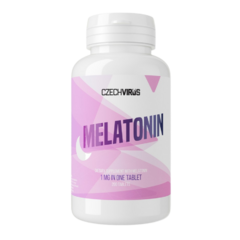
Czech Virus Melatonin

Nebbia Top-style body CLUB D’OR 641
7. Don't take your work to bed
Do you fall asleep with a heavy head thinking about how much work you missed during the day, how much is waiting for you tomorrow or are you stressed from the demanding tasks? Write them down in your diary or on paper. Check them off during the day and in the evening check how much work you missed or, conversely, praise yourself for how much work you got done during the day. If you have a busy day ahead of you, make a to-do list and don't think about anything in bed.
You can also try meditation. Although many people find it funny these days, the effects of meditation have been proven by studies and research suggests that meditation can actually reduce the symptoms of insomnia and improve sleep quality. Mindfulness meditation is based on slow, calm breathing while sitting in a quiet place. The purpose is to learn to become aware of your breath, body, thoughts and feelings, and to be able to relax. According to some experts, meditating can relieve the symptoms of stress, improve concentration and improve overall cognitive function.
8. Move regularly, with adequate sleep spacing
Regular movement is a big contributor to health, weight loss and of course, sleep quality! Regular physical activity (at least in its most natural form) should be on everyone's daily agenda. However, with more strenuous activities in the evening or later in the afternoon, you may have difficulty falling asleep due to the stimulation of your nervous system. However, this is very individual and you need to test for yourself when physical activity suits you so that it does not interfere with your sleep cycle. For example, yoga stretches may be a suitable activity before bedtime. If you exercise in the afternoon, also beware of excessive use of stimulants and kickers, which can also affect sleep quality and prevent you from falling asleep.
9. Avoid heavy meals shortly before bedtime and don't overeat
Can't manage to eat during the day, so you fill up on all sorts of things in the evening? It's not good to go to bed hungry, but not too full either. Avoid eating heavy foods too - fried, fatty, fast food, too sweet - all of these can be really problematic in the evening, especially shortly before bedtime, and can lead to a heavy stomach and difficulty sleeping. Try to eat good quality, varied food at regular intervals throughout the day.
Of course, it is not only the quantity that is crucial, but also the composition. In the evening, we should eat lighter meals that are sufficiently nutritious so that our body does not suffer from hunger during the night and wake us up with a growling stomach. So don't stress yourself with the myth that we should eat for the last time at 18:00 and then nothing after that - eat an hour or two before bedtime, but really make sure you have a good composition and don't overeat.
10. Watch out for caffeine and alcohol consumption
We shouldn't overdo it with caffeinated drinks in the afternoon either. This is because caffeine acts as a nervous system stimulant, temporarily suppressing fatigue and stimulating alertness. Its effects are enjoyed by many of us every day, and it's no wonder caffeine is the world's most popular stimulant. But nothing should be overdone. Excess caffeine can cause nervousness, restlessness, lack of concentration, difficulty sleeping and loss of fine motor control.

Similarly with alcohol - it may seem like a good idea to have a glass of wine or beer after work to 'sleep better', but the opposite is true. Consuming alcoholic beverages before bed may help you fall asleep, but the quality of your sleep will suffer greatly. In addition, consuming alcoholic beverages can have quite a negative impact on your reduction depending on what type of drink you choose and how regularly you drink it.
11. Bet on the right supplements or try the power of herbs
Yes, even supplements can help with falling asleep easier or with improving the quality of your sleep. Which ones to bet on? For example, magnesium in combination with zinc can be one of the basic supplements. This duo has a beneficial effect on the nervous system, helps with recovery and can help with the quality of our sleep. Another supplement that is a real powerhouse when it comes to sleep and sleep quality is melatonin. Melatonin is known as the "sleep hormone" that the body produces itself and its release is a signal to the body that it's time to go to sleep. The production of this hormone is cyclic, meaning that its release into the blood fluctuates throughout the day and night. The level of melatonin rises the most in the evening and is lowest in the morning. Because melatonin is actually a sleep hormone, dietary supplements with melatonin are a very popular gentle way to treat insomnia. We have dedicated a separate article to melatonin, which you can read here to find out about all the benefits melatonin offers as a supplement.

However, you can also use common herbs such as lemon balm, valerian, ginseng, passionflower, chamomile or lavender. The effects of herbs on sleep or calming the mind have been well known since ancient times. But beware, even the use of herbs has its downsides. You should be cautious if you are taking antidepressants or blood thinners, as some herbs can inhibit the active ingredients in the drugs. You should also be cautious in case of pregnancy.
12. Establish regular sleep rituals
Rituals can also help with falling asleep, i.e. something you do every day that your brain instills as a "it's time to go to sleep" instruction. This could be a warm shower, an evening yoga stretch, meditation, listening to music, or even sipping chamomile tea or dissolvable magnesium. If you develop a habit that you do regularly, your brain will fix it as a signal for bedtime and you are very likely to fall asleep more easily. At the same time, let's reiterate that we should go to bed at the same time every day.
What to take away from the article?
Sleep is an integral part of the puzzle leading to a healthy body, a slim line and athletic performance, so its quantity and quality should definitely not be underestimated! Today we've put together 12 tips for better sleep that you can apply regularly to make the most of your sleep regime. Of course, something works a little differently for each of us, so your individual points for better sleep might be a little different.
Sources:
Hartescu, I., Morgan, K., & Stevinson, C. D. (2015). Increased physical activity improves sleep and mood outcomes in inactive people with insomnia: a randomized controlled trial. Journal of sleep research, 24(5), 526-534. https://doi.org/10.1111/jsr.12297
Halpern, J., Cohen, M., Kennedy, G., Reece, J., Cahan, C., & Baharav, A. (2014). Yoga for improving sleep quality and quality of life for older adults. Alternative therapies in health and medicine, 20(3), 37-46.
Tosini, G., Ferguson, I., & Tsubota, K. (2016). Effects of blue light on the circadian system and eye physiology. Molecular vision, 22, 61-72.
https://www.webmd.com/sleep-disorders/sleep-blue-light
https://www.sleepfoundation.org/bedroom-environment/touch/what-temperature-should-your-bedroom-be
Abbasi, B., Kimiagar, M., Sadeghniiat, K., Shirazi, M. M., Hedayati, M., & Rashidkhani, B. (2012). The effect of magnesium supplementation on primary insomnia in elderly: A double-blind placebo-controlled clinical trial. Journal of research in medical sciences : the official journal of Isfahan University of Medical Sciences, 17(12), 1161-1169.
Ferracioli-Oda, E., Qawasmi, A., & Bloch, M. H. (2013). Meta-analysis: melatonin for the treatment of primary sleep disorders. PloS one, 8(5), e63773. https://doi.org/10.1371/journal.pone.0063773
Shochat, T., Haimov, I., & Lavie, P. (1998). Melatonin--the key to the gate of sleep. Annals of medicine, 30(1), 109-114. https://doi.org/10.3109/07853899808999392
No posts have been made yet.