Daily habits to help you build strong immunity
 Author:
 The cold weather and the fact that sometimes we cannot estimate the outside temperature favours all kinds of viruses and colds. In normal situations, our immune system prevents any germs from taking hold. However, if it is not working properly (for example, due to excessive stress), the germ can get into the body and cause us a lot of trouble. Fortunately, there are a number of ways we can strengthen our immune system. If you are plagued by frequent colds and flu, then be sure to take the time to read our tips! Right off the bat though, we must say that building a strong immune system is not a week's work, but needs to be addressed consistently and over the long term.
Theoretical window - what is the immune system?
The immune system is an interactive network of organs, white blood cells (leukocytes) and proteins that protect the body from viruses and bacteria or any foreign substances. The immune system neutralizes and eliminates pathogens such as bacteria, viruses, parasites or fungi that enter the body, recognizing and neutralizing harmful substances from the environment. The immune system is such a defense system of every organism that works 24/7 and we don't even particularly notice it. But its performance is influenced by a number of factors. Studies show that under-activity of the immune system can lead to severe infections, and conversely, over-activity leads to allergic and autoimmune diseases.

In order for our body's natural defences to function properly, the immune system must be able to distinguish between "own" and "non-own" cells, organisms and substances, and fight against the "non-own" ones. When the immune system fails to recognize its own and non-own cells, it develops what are called autoimmune disorders (celiac disease, allergies, type I diabetes, etc.). The amazing thing about the immune system is that it is constantly adapting and learning, so the body can fight off bacteria or viruses that change over time. There are two parts to the immune system: innate and adaptive (in other words, acquired or specific). Our innate immune system functions as a general defense against pathogens. The adaptive immune system targets specific pathogens and develops depending on which diseases we have already encountered in our lives. These two immune systems complement each other in any response to a pathogen or harmful substance.
Negative factors affecting the immune system
There are a number of factors that have a negative effect on our immune system. The main "pests" include, for example, the now ubiquitous stress. Stress leads to a higher production of cortisol, the stress hormone, which, among other things, suppresses the immune system by reducing the number of lymphocytes (a type of white blood cell). Sleep deprivation and excessive physical or mental exertion also contribute. In fact, the immune system (like other parts of the body) needs plenty of quality sleep. If it is denied it for a long time, it cannot be expected to function well. Although the optimal amount of sleep is different for each of us, we should make quality sleep one of the top priorities of each day. Nor should we forget about a diet consisting mainly of overly processed foods and insufficient intake of vitamins and minerals. Nor can immunity be supported by an excessive calorie deficit, alcohol consumption or smoking. Overuse of medicines and antibiotics is not beneficial either.

Seven daily habits that can support the immune system
Okay, so we know that the body's immune system is very important, we know what's bad for it and it's time to look at what we can do to support it. As mentioned in the introduction, we can influence the immune system quite a bit with our daily habits and it's a shame not to take advantage of this. The following tips are very beneficial for a strong immune system:
Sleep again
If you think we're overdoing it with the emphasis on sleep, that's not true. Sleep really is key to ensuring optimal health, and its importance is rightly emphasized in a variety of areas, whether we're talking about immunity, athletic performance, fat reduction, recovery or muscle building. Sleep is a great support for a strong immune system and should definitely not be neglected. The optimal amount of time we should devote to sleep each day is, as is usually the case, very subjective for each of us. It is generally recommended to sleep between 6 and 9 hours.

Bet on a balanced diet
Our gut is where a large part of our immune system is located, so it's no surprise that diet will play a pretty crucial role when it comes to our immune system. Let's start by saying that it's very important to eat enough. Excessive calorie restriction can have a negative impact on the whole body because it puts a lot of strain on the body, and of course this will take a toll on overall health. A weakened organism is more susceptible to infections due to starvation. So make sure that your intake matches your individual needs. Your diet should consist of food in its most natural form and, on the other hand, you should limit excessively processed foods, semi-processed foods, cold cuts, fast food, excessive sugar intake, unsuitable sources of fat and caffeine.
We should ensure that we have sufficient intake of fruit and vegetables as sources of vitamins and minerals. We should not neglect complex carbohydrates, sources of good quality protein and, of course, the all-important fats. Avoid excessive restriction or complete restriction of individual macronutrients and ensure that your diet is balanced. Regular intake of probiotics, which are extremely important for the proper functioning of the immune system, is also beneficial for the immune system. These can be found, for example, in fermented milk products, kimchi, yoghurt with probiotic cultures and classic sauerkraut is also a rich source. If we were to single out some other foods that are very beneficial for the immune system, we have to mention onions, garlic, broths, ginger, honey, kiwis, citrus fruits and foods rich in antioxidants.


Add the right accessories
Of course, diet is the absolute foundation, but in addition to that you can also add certain supplements to help support your immune system. The most important supplement in this regard is, of course, a quality multivitamin, which should not be missing on anyone's shelf. Especially during the winter, it is also very important to supplement vitamin D, which is absolutely crucial for overall health, and yet a huge part of the world's population suffers from its deficiency. Research suggests that low levels of this vitamin are associated with a higher incidence of colds, flu and other respiratory infections, so we should not underestimate its intake. You can't do any harm by supplementing vitamin C, especially during flu season.
Another supplement that should be taken as standard is omega-3 fatty acids. These have an effect on a number of processes in the body, affecting the health of the heart, eyes, brain and of course are very important for the immune system and its proper functioning. Although we can get them through our diet (for example by eating fattier fish), few of us can get the necessary amounts. Dietary supplements containing them are a very simple and effective way to improve physical and mental health and can also be used as a prevention against a number of diseases. We can also add the aforementioned probiotics, which are crucial for a healthy gut and therefore strong immunity. A supplement that we must mention in the context of the immune system is zinc. Zinc supports immune function and has antiviral effects. It works best when you start taking it at the first signs.

Motion
Movement is also an integral part of the health puzzle, as long as it is done in a sensible way. For example, regular exercise improves cardiovascular health, lowers blood pressure, helps us maintain a healthy body weight and is effective in preventing many diseases. It also helps to naturally strengthen the immune system and keep it in good shape. Specifically, for example, it serves to promote proper blood circulation, which allows the cells and substances of the immune system to move freely throughout the body and do their work efficiently. In addition, if you head out into the fresh air to get some exercise - perhaps in the form of a walk - you kill two birds with one stone, because fresh air combined with natural exercise = balm for the body and soul.
Regular exercise is definitely very important for health and immune support, but it's important to note that too much of anything is bad for you! Sport, even recreational sport, is still a kind of stress on the body and needs to be compensated for with proper rest, diet and done sensibly. In fact, excessive physical stress can be another factor that contributes to a weakened immune system and consequent other health complications.
Recommended
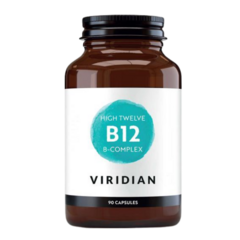
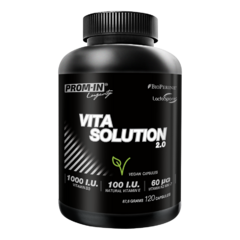
Prom-in Vita Solution 2.0
A regular dose of fresh air
Being out in the fresh air is another great necessity for health and is therefore very important for building strong immunity. That's why we should ideally go outside every day, in all weathers, in all seasons. Being outdoors, even in bad weather, helps the body to cope with various viruses, bacteria and harmful substances. This makes our body more resilient and helps it build strong natural defences. Of course, it is ideal if we have the opportunity to spend time somewhere in the woods or countryside where the air is cleaner. Being in the fresh air will also help sharpen the senses, boost productivity and serve as a great relaxation technique. Need any more reasons to go for a walk today!
Learn to regulate stress
As mentioned above - stress is one of the main contributing factors to a compromised immune system. Stress affects us from many directions on a daily basis and each organism copes with it in its own way. A certain amount of stress is natural and actually necessary for the body, but if there is too much stress in the long term, it increases the risk of developing disease and makes our immune system less vigilant to external threats and more likely to succumb to a bacteria or virus. If stress is really a long-term thing, the whole organism can collapse. Fortunately, there are a number of methods that can help with stress regulation. For example, it is worth mentioning exercise, being in nature, meditation, yoga, reading a book, and of course limiting exposure to stressors. We have dedicated an entire article to ways to regulate stress and you can read it here.

Try hardening
Regular hardening is a very effective way to naturally strengthen the immune system and increase resistance to viruses. Many people today live mostly indoors and spend minimal time outdoors, especially in cold weather. But this is a mistake. Hardening and ice showers have been very much in vogue in recent years, so if you already practice something like this, very good for you! And if you don't, check out the article below to see how beneficial such an ice shower can actually be. It is important to note that if you are just starting out with the ice shower ritual, it is better to choose a gradual technique so that you don't let your body's reaction be too strong and weaken your immunity instead of strengthening it.

What to take away from the article?
The immune system is an interactive network of organs, cells and proteins that protect the body from viruses and bacteria or any foreign substances. Its functionality and strength is largely a reflection of how we take care of our bodies, how we nourish them and how much attention we give them. If we want our immune system to function well, we need to give our body enough quality sleep, a balanced diet rich in nutrients, which can be supplemented with appropriate supplements, we should also take regular exercise, get fresh air every day, and of course we should also think about stress management, as this is the most common cause of a weakened immune system. And let's not forget that all the care we give to the body will be given back to us.
Sources:
Parkin, J., & Cohen, B. (2001). An overview of the immune system. Lancet (London, England), 357(9270), 1777-1789. https://doi.org/10.1016/S0140-6736(00)04904-7
Wintergerst, E. S., Maggini, S., & Hornig, D. H. (2006). Immune-enhancing role of vitamin C and zinc and effect on clinical conditions. Annals of nutrition & metabolism, 50(2), 85-94. https://doi.org/10.1159/000090495
Ashraf, R., & Shah, N. P. (2014). Immune system stimulation by probiotic microorganisms. Critical reviews in food science and nutrition, 54(7), 938-956. https://doi.org/10.1080/10408398.2011.619671
Aranow C. (2011). Vitamin D and the immune system. Journal of investigative medicine : the official publication of the American Federation for Clinical Research, 59(6), 881-886. https://doi.org/10.2310/JIM.0b013e31821b8755
Hulisz D. (2004). Efficacy of zinc against common cold viruses: an overview. Journal of the American Pharmacists Association : JAPhA, 44(5), 594-603. https://doi.org/10.1331/1544-3191.44.5.594.hulisz
Dhabhar F. S. (2014). Effects of stress on immune function: the good, the bad, and the beautiful. Immunologic research, 58(2-3), 193-210. https://doi.org/10.1007/s12026-014-8517-0
Prather, A. A., Janicki-Deverts, D., Hall, M. H., & Cohen, S. (2015). Behaviorally Assessed Sleep and Susceptibility to the Common Cold. Sleep, 38(9), 1353-1359. https://doi.org/10.5665/sleep.4968
No posts have been made yet.