





Cold water as one of the possible keys to optimizing immunity!
 Author:
 The use of cold water for showering, especially when applied regularly, has numerous health benefits according to many people . But is this technique, which may be slightly unpleasant, really better for us than showering with warm water? Those who regularly apply cold shower therapy claim that this habit helps them with stress management and also helps build their confidence.
The idea is that by voluntarily indulging yourself and feeling uncomfortable for a while, which will boost your immune system, among other things, this ritual also helps to strengthen your willpower and mental toughness. In addition, we can also find studies that say that cold showers have benefits for athletes after training and thus can be an aid to enhance performance. How about those cold showers really?
Article Content:
- Theoretical window
- Benefits of the cold water shower ritual
- Cold vs. hot showers, which is better?
- How about those cold showers?
- When is it better to avoid cold showers?
- What to take away from the article?
Theoretical window - what does a cold (or even icy) shower actually look like?
A cold shower is considered to be a shower with water that is roughly around 50 to 60 degrees Fahrenheit (i.e., approximately 15 degrees Celsius). If we choose water that is colder, it's more like an ice shower. Proponents base this on the theory that for most of human history, humans have been exposed to cold, either voluntarily or involuntarily. Extreme cold is one form of stress that causes our bodies to briefly go through a sort of "fight response" to which they then adapt, and regular application of this stressor leads to the same stressor being able to be handled more effectively in the future.

Exposure to cold causes our bodies to release a rush of stress hormones, including cortisol, norepinephrine and adrenaline. This causes ahalt to negative bodily processes that include, but are not limited to, inflammatory reactions. Increasing the flush of stress hormones may sound like something you don't want to happen, butif the process is short-term and you allow the body enough time to "regenerate," this ritual can actually be very beneficial, much like other beneficial stressors (beneficial within reason, of course) such as physical activity or fasting.
Benefits of the cold water shower ritual
From the opening paragraphs, it's probably clear to you that this ritual can actually be beneficial to your health, especially for active individuals! Let's take a look together at some of the benefits that an ice shower can provide.
Increased attention and mental performance
One of the most interesting reasons to apply cold showers is their ability to instantly energize us. Indeed, studies show that people who regularly indulge in ice showers exhibit higher mental performance, higher levels of attention, concentration, have much more energy and overall experience a significant increase in cognitive performance. Some people even liken the effects of an ice shower to those of drinking a cup - or two - of coffee.
Reducing inflammation and improving blood circulation
Cold exposure is considered a form of hormesis*, a phenomenon in which low exposure to "hormonal stressors" actually causes beneficial changes in how your body functions. The same thing happens when you exercise - hormesis causes the body to learn to adapt to the stress induced by training, and we then feel more resilient with each workout. In the case of cold showers, adaptation manifests itself in improved cardiovascular, cognitive and musculoskeletal function.
*Note : Hormesis is the name given to the hypothesis that moderate exercise has a beneficial effect on living organisms, including humans. Hormic response is a term referring to a positive response of an organism to substances that, in large quantities, can cause severe damage.
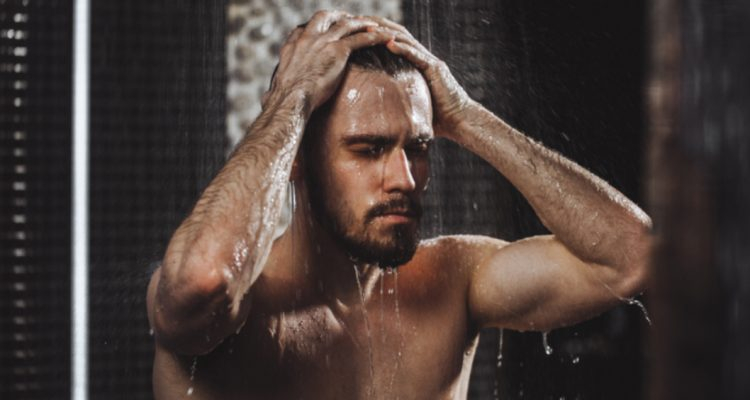
According to many sources, cold showers can be an effective therapy for muscle pain, inflammation and can have an overall positive effect on recovery processes and cardiovascular function during exercise. The anti-inflammatory effects of cold exposure are mainly due to an increase in heart rate, improved blood flow and oxygen absorption.Healthy blood circulation is essential for proper regeneration of muscles and other tissues, which means that if you learn to apply ice showers regularly (or even go to the cryochamber regularly), you may tend to recover much better and be able to train significantly more efficiently and intensely.
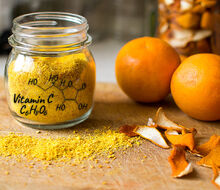
To make matters worse, studies show that cold showers also have a positive effect on the immune system, as exposure to cold can increase the production of white blood cells, which are crucial for proper immune function. One study found that adults who regularly showered with cold water for 30 days experienced a full 29 percent reduction in illness and absenteeism compared to a group that did not use ice showers. That's quite a result, don't you think?
Positive effect on mood and increased self-confidence
It takes a fair amount of courage and determination to stand under ice water , but many people describe feeling much happier after completing the ritual. By overcoming the fear of the unpleasant sensation of acute stress (in the form of freezing cold), you can learn to better manage the physiological symptoms your body experiences when you are stressed or afraid of something.

Some research suggests that cold therapy can also benefit those who suffer from depression, anxiety and panic attacks. In addition to releasing endorphins and other chemicals that make you feel more alert and attentive, another mechanism that cold showers can boost your mood is by increasing electrical impulses from peripheral nerve endings in the brain, which seems to have promising antidepressant effects.
Positive effects on skin and hair health
One study looking at the benefits of cold showers for the skin found that the habit can reduce skin dryness, inflammation and itching. Resisting the urge to heat up while showering will help prevent skin and hair from becoming dry and looking irritated or dull. This is because the cold reduces the formation of small blood vessels in the skin, causing pores to look tighter and less inflamed.
A cold shower can boost metabolism
Studies have found that when it's cold, it activates brown adipose tissue (brown fat), which burns more energy to warm the body. This uses up calories and can help boost your metabolic activity. While this ritual is unlikely to lead to any significant weight loss without combining it with other lifestyle changes, exposure to the cold can also contribute to weight loss, but definitely don't imagine you can lie in front of the TV all day, gorge on crap, jump under ice water twice a day and be a twig. It doesn't really work like that.
For men only - cold water showers can have a positive effect on sperm health and production
Have you ever heard that men should avoid long stays in saunas, hot tubs and other excessive heat because it heats up the testicles too much and they can't produce sperm properly? There is evidence to suggest that cold showers have the opposite effect and can help improve sperm and testosterone production. Although studies looking at this benefit often differ in opinion on the whole, more recent studies are leaning towards the idea that cold showers may actually have an effect on semen quality.
Cold vs. hot showers, which is better?
Which method is better - showering with cold or hot water? That depends entirely on your goals, and both types of showering have their benefits. Warm showers can definitely be a good way to relax, are a great pre-sleep ritual, and can even be helpful in relieving sore muscles. A warm shower is also a good way to loosen mucus that can get trapped in the airways and contribute to breathing problems.
However, very hot showers are not recommended for those with sensitive skin or have more sensitive skin prone to redness, dryness or eczema. Hot showers are also not suitable for those of you who get dizzy easily or are troubled by high blood pressure. Overall, it seems that hot showers are better for the evening, while cool showers are more appropriate in the morning as a quick 'wake up'. Both types of showers can be used in different ways and will help change your mood, energy levels and restore proper muscle function.
How about those cold showers?
Are you intrigued by the benefits of applying cold showers and don't know how to get started with this ritual? To begin with, it's better to choose shorter intervals and gradually lengthen your stay under the icy water to allow your body to get used to the shock. Here are some tips to get you started.
Start with short intervals, 30 seconds is fine to begin with. It's best to start by taking a shower with warm water and gradually start lowering the temperature until the water is cool enough. Once you get used to these short intervals, start extending the intervals under cool water to 2-3 minutes, or more if you are able.
Another useful method is the so-called contrast shower. This is a technique in which you alternate intervals of warm and cold water. The length of the intervals depends entirely on you, for example, one minute under cold water, one minute under warm water to help the body recover from the shock. Repeat this cycle about 5-7 times. Contrast showers can promote blood circulation throughout the body and are very effective for relieving sore muscles.
As for where to direct the water, you can either stand directly under the shower so that it flows directly onto your head, or direct the water to specific parts of your body and muscles that are sore or tense, for example. You'll get the most benefit if you shower your head, back or neck.
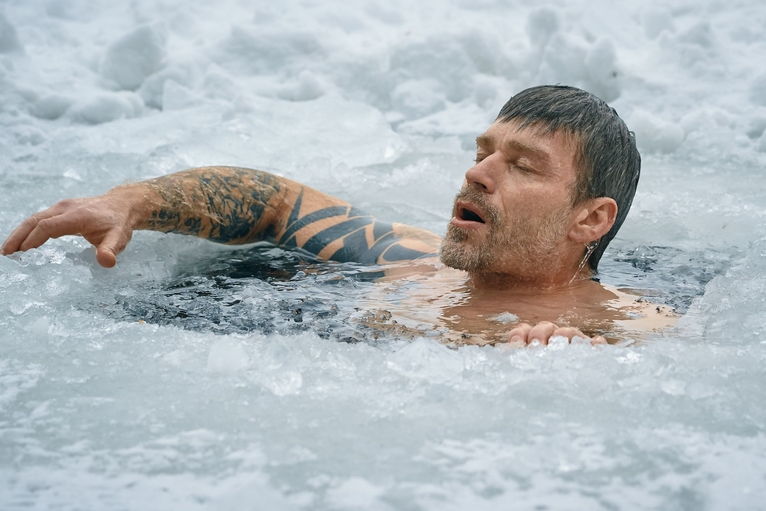
How cold should the water be to really see the benefits of cold showers? Ideally, get it to around 15°C, or slightly cooler, but you'll be really cold by then! When you start showering, don't forget to breathe. Calm, deep breathing is another aid to relaxation that will help calm your whole body and boost cognition.
It's a good idea to end the whole ritual with a warm shower, which feels nice and will make it easier for you to maintain the ritual of a regular cold shower for a long time. A great way to make cold showers a regular ritual is to do a monthly challenge of your own. Start with short periods of time and gradually extend them up to a minute or more.
When should I avoid cold showers?
Even cold showers may not be beneficial for everyone. Cold showers are probably best avoided if you have any health problems, such as:
- The flu or a cold.
- Underweight or suffering from an eating disorder (which can lead to excessive cold sensations)
- You have a heart or breathing problem that causes difficulty breathing
- Pregnancy
- Hypothermia
What to take away from the article?
As with any other aspect, for some a cold shower may be a real cure, for others it may not suit them. When applied correctly and regularly, this ritual can have several benefits, especially in terms of improving cognitive function, alertness and attention. Whenincorporated regularly, a cold shower can also have a positive effect on the immune system. It will also improve your blood circulation and can have a positive effect on the treatment of sore muscles. It is ideal to practice it in the morning and the length of time you endure is highly subjective. The ritual of cold showers can really boost your health.
Recommended
Allnature Inulin
Kevin Levrone Omega 3
NutriWorks Maca 700mg
Amix Lecithin 1200 mg
Sources:
https://www.ncbi.nlm.nih.gov/pubmed/31343603
https://www.ncbi.nlm.nih.gov/pmc/articles/PMC4049052/
https://www.ncbi.nlm.nih.gov/pmc/articles/PMC5025014/
https://www.ncbi.nlm.nih.gov/pubmed/17993252
https://www.ncbi.nlm.nih.gov/pubmed/22269323
https://doi.org/10.1016/j.ajog.2013.02.010
https://journals.plos.org/plosone/article?id=10.1371/journal.pone.0161749
https://link.springer.com/article/10.1007%2Fs40279-015-0431-7
https://www.ncbi.nlm.nih.gov/pmc/articles/PMC2248601/
No posts have been made yet.








