





Is the orange really the greatest source of natural vitamin C?
 Author:
 Vitamin C is one of the essential vitamins. From an early age, we have heard from our mothers and grandmothers that we should eat enough fruit to avoid getting sick. Man cannot make this vitamin himself, so he must take it from food. Of course, nowadays it is more common to take the so-called "C" in small pills. However, today we are going to take a look at the vitamin C that is found in vegetables and fruit. Not everyone knows how much of this vitamin is contained in an orange or a lemon.
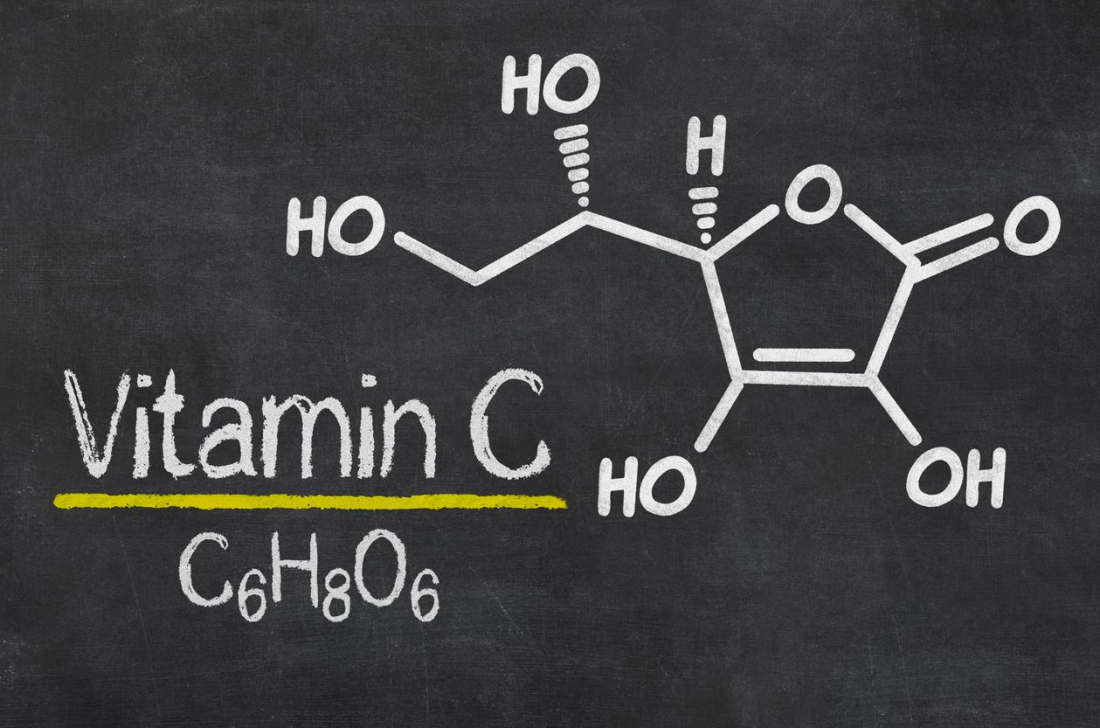
What do we need it for?
This vitamin has many uses and great benefits, each of us would come up with more and more benefits. We will, therefore, list just a few, from our point of view, the most interesting ones.
- Vitamin C is a great antioxidant! That you've heard this term before, but you're not sure what it means? Read our article - Everything you need to know about antioxidants
- Reduces the likelihood of heart and vascular disease.
- Smokers beware! Smoke contains lead. By snorting it, it enters your body. The "C" has the ability to bind heavy metals like the aforementioned lead, making it easier to flush these substances out of your body!
- By stimulating white blood cells, it helps with disease.
- It makes sure that we make the best use of the iron we take in from our food.
- Another plus is that it increases resistance to colds - with many illnesses arising from colds, this information can be very useful.
How much to accept?
There is also a lot of speculation about the daily dose of vitamin C and everyone will tell you something different... Therefore, the table below, which shows the daily intake of "C", should be considered as one of the possible options.
| Age | Men | Women |
|---|---|---|
| up to 6 months | 50 mg | 50 mg |
| 7 to 12 months | 55 mg | 55 mg |
| 1 to 3 years | 60 mg | 60 mg |
| 4 to 6 years | 70 mg | 70 mg |
| 7 to 10 years | 80 mg | 80 mg |
| 11 to 14 years | 90 mg | 100 mg |
| 15 to 18 years | 100 mg | 90 mg |
| 15 to 18 years with increased physical activity | 130 mg | 120 mg |
| pregnant | - | 110 mg |
| breastfeeding | - | 150 mg |
| 19 to 34 years old (light workers) | 100 mg | 100 mg |
| 19 to 34 years (moderate workers) | 120 mg | 110 mg |
| 19 to 34 years (heavy workers) | 130 mg | 120 mg |
| 35 to 62 years (light workers) | 100 mg | 95 mg |
| 35 to 62 years (moderate workers) | 110 mg | 100 mg |
| 35 to 62 years (heavy workers) | 120 mg | 110 mg |
| 63 years and over (not working) | 100 mg | 100 mg |
Smokers should increase their daily dose by at least 35mg, precisely because of the leaching of lead from the body! If we have increased physical or mental stress, are ill or have some wounds healing, our intake should also be increased!
The best sources
"Orange and lemon contain the most vitamin C." One of the common myths we may come across! These two citrus fruits contain around 50mg of vitamin C per 100g. But now take a look at the table below, which we've taken from theCzech Republic's food composition database.
| Food | Vitamin C per 100g |
|---|---|
| Vegetable peppers, red | 191.0 mg |
| Parsley, stems | 178.5 mg |
| Blackcurrant | 166 mg |
| Broccoli | 121.0 mg |
| Horseradish | 117.0 mg |
| Capsicum, green | 104.1 mg |
| Brussels sprouts | 95.2 mg |
| Cabbage lettuce | 94.8 mg |
| Kiwi | 92.7 mg |
| Sterilised peppers | 81.2 mg |
| Cauliflower | 76.8 mg |
| Spices, paprika, sweet, ground | 71.1 mg |
| Dill | 70.0 mg |
| Garden strawberries | 66.6 mg |
| Spinach | 60.0 mg |
| Tomato puree | 54.4 mg |
| Cabbage, red | 52 mg |
| Spices, marjoram, dried | 51.4 mg |
Wow. So about eighteen foods contain more "C's" than oranges and lemons... Things are not always as they say. Red peppers contain the most vitamin C, so from now on, red peppers should definitely not be missing from your diet!
Recommended
Source :https://www.nutridatabaze.cz/,https://www.vimcojim.cz/magazin/clanky/o-zdravi/Kral-vitaminu---vitamin-C.-V-malych-davkach,-zato-casteji__s10012x10703.html,https://www.celostnimedicina.cz/vitamin-c-v-prirode.htm
No posts have been made yet.








