11 probiotic-packed foods that are worth including in your diet on a regular basis!
 Author:
 Probiotics are a form of beneficial bacteria found in the human gut biome and are responsible for everything from nutrient absorption to immune health. We've devoted a fairly comprehensive article to them, so today we'll just recap the highlights and, more importantly, introduce the foods that are the richest in probiotics and will help ensure we get enough of these important bacteria.
Probiotics are far from being the only bacteria necessary for the proper functioning of the digestive system, but eating foods rich in probiotics has hundreds of other health benefits that you may not even be aware of! According to studies, probiotics can also help lower cholesterol, protect against allergies, and help prevent cancer and other diseases. You don't have to buy any overpriced pills or other preparations to ensure you get enough probiotics, but you just need to enrich your diet with plenty of foods rich in these beneficial bacteria. In this article, we will cover a rather extensive list of probiotic foods that will help you ensure you get enough probiotics.
Article Content:
Theoretical window - what are probiotics?
Probiotics are a type of beneficial bacteria found in the gut microbiome. These microorganisms play a central role in health, contribute to immune function and ensure optimal digestion. If you don't have enough probiotics, you may experience problems such as rashes, indigestion, frequent colds, candida or various autoimmune diseases.
Historically, as a species, we have had plenty of probiotics in our diets due to eating fresh food from good soil and fermenting food to keep it from spoiling. Today, however, unsustainable farming practices, reduced diet quality, and excessive food processing have resulted in significantly lower levels of probiotics in food. In addition to taking probiotic supplements, there are many probiotic foods that can be consumed to ensure your body receives adequate intake of these important microorganisms.
If we have enough probiotic foods in our diet, we are doing our body a great service. A sufficient intake of probiotics is important for proper digestion, they strengthen the immune system, which can make us less sick, they can help with a bloated belly and they are beneficial in the treatment of various digestive related problems. In addition, probiotics can affect the condition of our skin, and many other health factors.
Sounds great, doesn't it? If you want to enjoy all the benefits mentioned, it's time to start consuming plenty of probiotic foods. Ideally, you should eat a variety of different types of probiotic foods, as each offers a different type of beneficial bacteria, and each has a bit of specific benefits to offer the body. Let's take a look together at a list of the top foods in which probiotics can be found!
Kefir
Kefir is a fermented dairy product native to the caucasus. It is most often prepared from goat, cow or sheep milk and what is called kefir grain. In addition to traditional milk kefir, there is also water kefir. Here, kefir crystals form the fermentation culture and water enriched with fruit sugars forms the nutrient medium. Kefir has been known throughout the world for many centuries. It has a slightly sour and pleasant taste and, depending on the product, contains between 10 and 34 strains of probiotics per dose. Kefir is similar to yoghurt, but because it is fermented and contains more bacteria, it boasts a lower lactose content and a higher probiotic content.
2. Kombucha
Kombucha is a fizzy drink that is made from black or green tea and a kombucha mushroom called SCOBY. Kombucha has been around for over 2000 years and originated in Japan. One of the main substances that is produced during the fermentation of kombucha is acetic acid, which, as the name suggests, is also one of the components of vinegar. Acetic acid has the ability to destroy harmful bacteria that are found in our bodies. Kombucha has many benefits for the body - the main benefits include a beneficial effect on digestion and metabolism, detoxification of the liver, can help with lowering high cholesterol levels and much more. You can also make kombucha yourself at home and control its composition.
3. White yoghurt with live cultures
The most well-known and probably the most popular food containing probiotics is white yogurt. Yoghurt is made from milk by fermentation, which involves beneficial and health-promoting bacteria, especially lactobacilli and bifidobacteria. Yogurts made from cow, sheep or goat milk are among the top probiotic foods, especially when they contain live cultures and are in unpasteurised form.
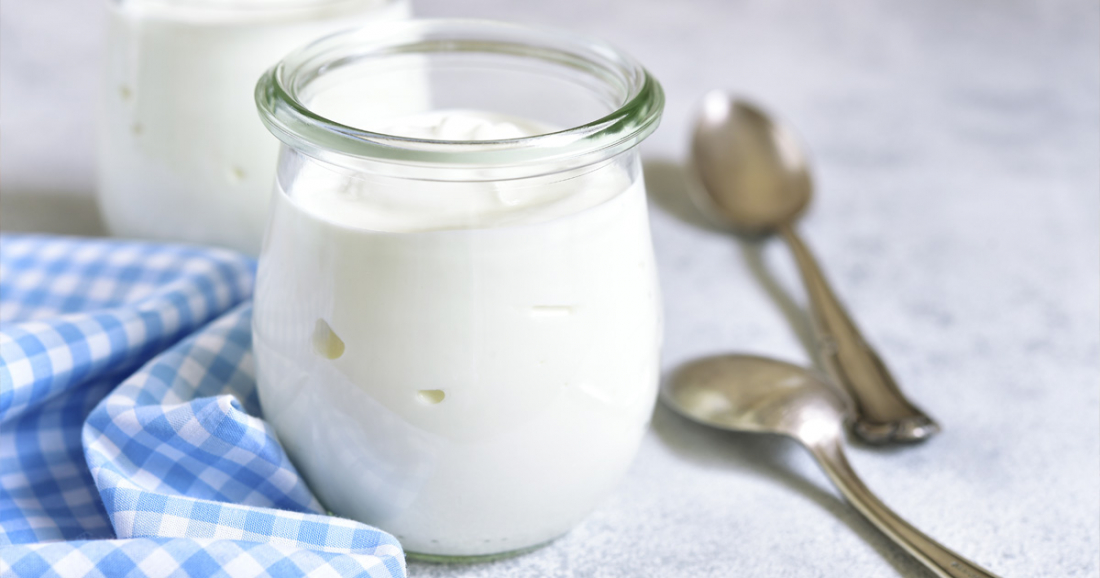
The problem is that most yogurts today contain substances (especially sugar and other additives) that destroy the positive effects of probiotic bacteria. What's more, not all yoghurt contains live probiotic cultures. Sometimes these live bacteria are killed during the production of the yoghurt and the yoghurt is then without probiotics. Choose a yogurt that has a really simple formula, no added sugar, no unnecessary additives and with the addition of beneficial probiotic cultures.
4. Fermented vegetables
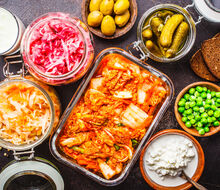
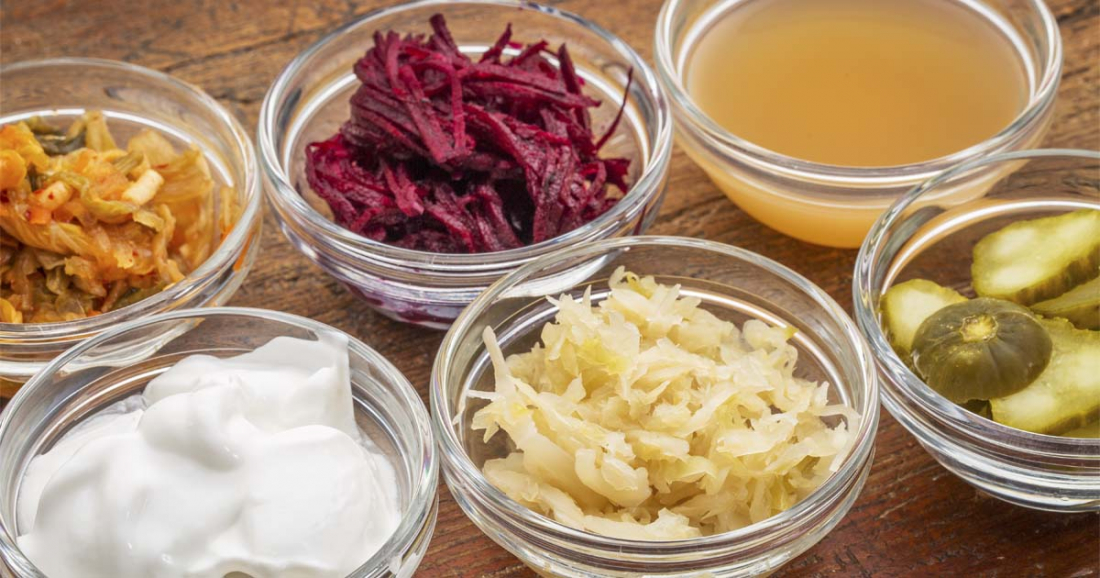
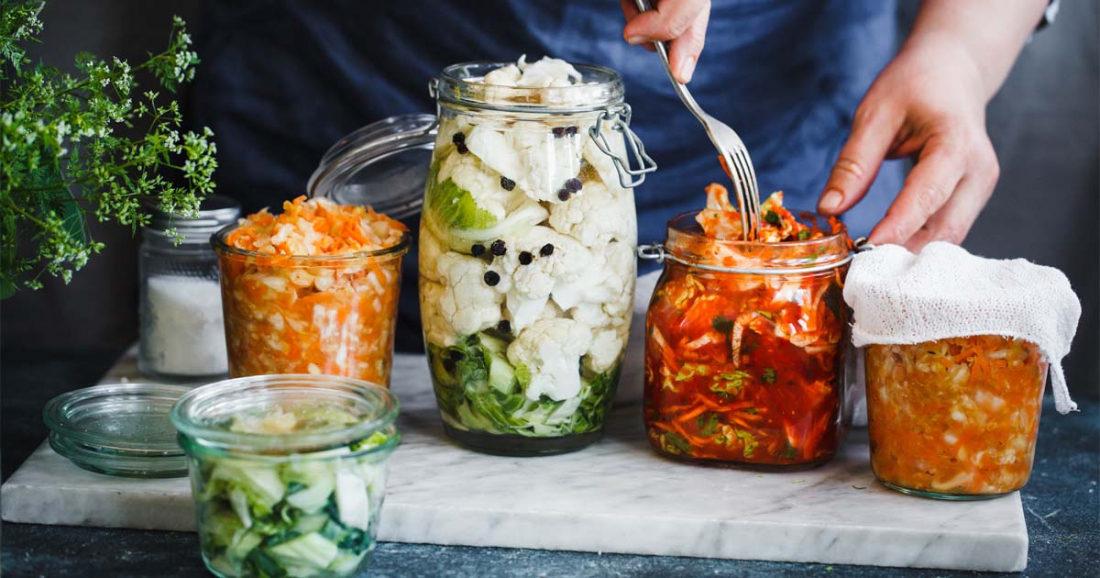
In the old days, when there were no fridges and freezers, food was preserved by fermentation - that is, by fermentation. Fermentation can generally be defined as the process of transformation of organic matter by micro-organisms. It involves the rapid growth of micro-organisms that create (usually) an acidic environment that protects food from microbial putrefaction and contamination with toxins. You can ferment practically anything - cabbage, carrots, radishes, beets, in short any seasonal vegetable you have on hand.
Fermented foods act as a natural probiotic and contain high levels of enzymes that aid digestion. They are rich in B vitamins, vitamin K2 and especially vitamin C and A. They boost immunity and help absorb minerals and other nutrients from food. They have antibiotic and anticarcinogenic properties. They facilitate the digestion of other foods and help regulate fat absorption and appetite. They help restore a healthy microbiome in the intestines, intestinal peristalsis and regulate the acidity of gastric juices.
5. Sauerkraut
Sauerkraut is a food resulting from lactic fermentation of finely grated cabbage (i.e. fermentation by lactobacilli). It is one of the oldest foods ever made and is a popular delicacy in many countries, especially in Europe. Sauerkraut has a sour and salty taste due to fermentation. Thanks to fermentation, it can last for several months. In addition to its probiotic properties, sauerkraut is also a rich source of fibre, vitamins C, B and K. In addition, it contains large amounts of sodium, iron and manganese. Sauerkraut also contains the antioxidants lutein and zeaxanthin, which are important for our eyesight.
6. Tempeh
Tempeh is a fermented soy product native to Indonesia and is another amazing source of probiotics. It is based on soybeans, similar to tofu. In tempeh, however, they are present in their whole form, due to fermentation with a noble mould (e.g. similar to ermine). Fermentation also increases the vitamin content, especially the B series, and tempeh is considered the most digestible of all soy products. Interestingly, the fermentation process reduces the amount of phytic acid. This increases the amount of nutrients absorbed from tempeh. Another interesting 'side effect' of the fermentation process is that the bacteria involved in the fermentation process produce vitamin B12, which soya beans do not contain at all. Tempeh is particularly well known in the vegetarian and vegan community, but can be a nice change of pace for anyone who wants to take a break from meat every now and then.
Recommended

7. Natto
Natto is the name given to cheese fermented from soybeans using Bacillus subtilis bacteria. The fermentation process breaks down the soya protein and makes it much easier to digest than soya beans themselves. Natto contains the extremely potent probiotic Bacillus subtilis, which has been shown to boost the immune system, support cardiovascular health, and is also a rich source of vitamin K2, which is important for the proper use of calcium in the bones, and in turn for removing calcium from blood vessels that excess calcium could damage.
Natto also contains a powerful anti-inflammatory enzyme called nattokinase, which has been shown to prevent blood clotting. Natto is also a rich source of protein, giving it a high position in the probiotic food rankings.
8. Miso
And in Japan we are still staying - specifically at the traditional Japanese spice called Miso. Miso is a soybean paste made by fermenting soybeans, to which salt and the noble Koji mold are added. Sometimes miso is also made by mixing soybeans with cereals such as brown rice, rye or barley. Anyone who has ever visited a Japanese restaurant will be familiar with the famous miso soup. But Miso is more than just a traditional soup! In Japan, this condiment forms one of the mainstays of traditional Japanese medicine and is used to support the optimal functioning of the digestive system.
9. Kimchi
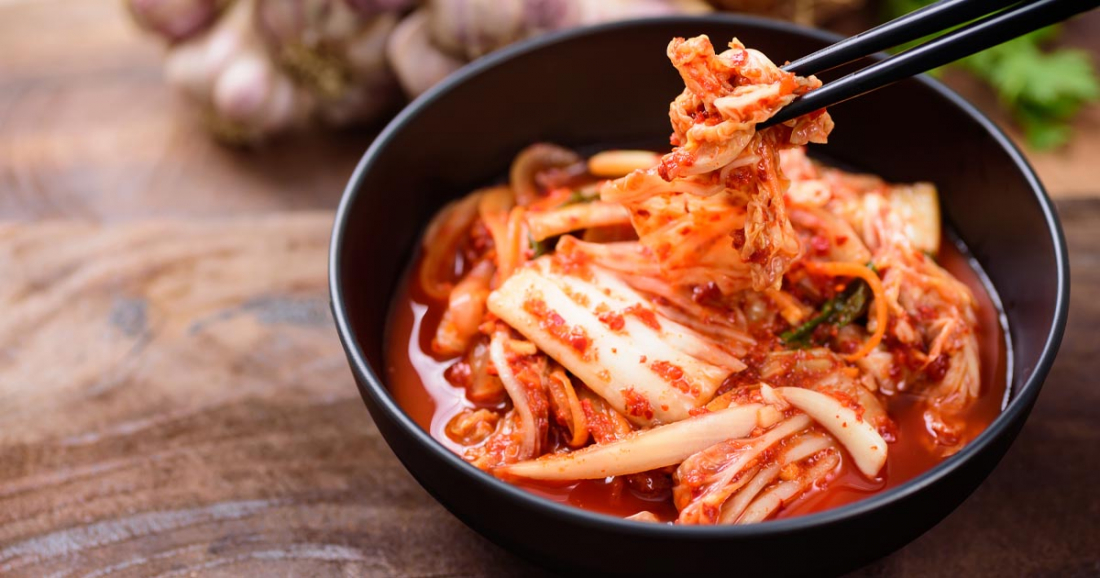
From Japan, we move to Korea, because kimchi cannot be missing from the list of probiotic-packed foods. A traditional Korean delicacy, kimchi is made from Chinese cabbage that is mixed with a variety of other foods and spices such as radishes, carrots, garlic, ginger, onions, sea salt, spices and fish sauce. The mixture is then left to ferment for three to 14 days, and at the end, a probiotic-packed treat full of distinctive flavours with significant health and digestive benefits is created.
10. Buttermilk
We use the term buttermilk to refer to the residual liquid from churning butter. After fermentation, a sour milk drink is produced. There are two basic types of buttermilk - traditional and artificial (so-called cultured). Traditional buttermilk originated in Asia. Unfortunately, most types of buttermilk that we can buy in the shops do not contain probiotics. Therefore, you need to choose carefully which products to actually invest in - look for buttermilk that is enriched with live cultures that are a source of beneficial probiotics.
11. Apple cider vinegar
Apple cider vinegar is also known as the elixir of youth. It is considered a panacea. In addition to acetic acid, apple cider vinegar contains water, enzymes, trace amounts of other acids, but it also harbours a number of vitamins and important minerals. And it is these substances that have positive effects on human health. Thanks to this, it also has antibacterial effects, acting as an antibiotic that effectively destroys bacteria in the body and strengthens immunity. In addition to regulating blood pressure, lowering cholesterol, improving insulin sensitivity and other benefits, apple cider vinegar is also a source of important probiotics. Be careful of the amount, though - it is an acid after all. You can use it in salad dressings, for example.
What to take away from this article?
Adding probiotic-rich foods to your diet can be an easy and effective way to support your gut microbiome while improving your overall health. Learn to consume at least one probiotic food each day from the ones we've covered today. Don't be afraid to experiment and try new things - have you never heard of tempeh, natto, or maybe kombucha? Give these foods a chance and enrich your diet with important ingredients that benefit your health!
Sources:
Kechagia, M., Basoulis, D., Konstantopoulou, S., Dimitriadi, D., Gyftopoulou, K., Skarmoutsou, N., & Fakiri, E. M. (2013). Health benefits of probiotics: a review. ISRN nutrition, 2013, 481651. https://doi.org/10.5402/2013/481651
Bull, M. J., & Plummer, N. T. (2014). Part 1: The Human Gut Microbiome in Health and Disease. Integrative medicine (Encinitas, Calif.), 13(6), 17-22.
Rosa, D. D., Dias, M., Grześkowiak, Ł. M., Reis, S. A., Conceição, L. L., & Peluzio, M. (2017). Milk kefir: nutritional, microbiological and health benefits. Nutrition research reviews, 30(1), 82-96. https://doi.org/10.1017/S0954422416000275
Vīna, I., Semjonovs, P., Linde, R., & Deniņa, I. (2014). Current evidence on physiological activity and expected health effects of kombucha fermented beverage. Journal of medicinal food, 17(2), 179-188. https://doi.org/10.1089/jmf.2013.0031
Ghoneim, M., Hassan, A. I., Mahmoud, M. G., & Asker, M. S. (2016). Effect of polysaccharide from Bacillus subtilis sp. on cardiovascular diseases and atherogenic indices in diabetic rats. BMC complementary and alternative medicine, 16, 112. https://doi.org/10.1186/s12906-016-1093-1
Sato, T., Yamada, Y., Ohtani, Y., Mitsui, N., Murasawa, H., & Araki, S. (2001). Production of menaquinone (vitamin K2)-7 by Bacillus subtilis. Journal of bioscience and bioengineering, 91(1), 16-20. https://doi.org/10.1263/jbb.91.16
Johnston, C. S., Kim, C. M., & Buller, A. J. (2004). Vinegar improves insulin sensitivity to a high-carbohydrate meal in subjects with insulin resistance or type 2 diabetes. Diabetes care, 27(1), 281-282. https://doi.org/10.2337/diacare.27.1.281
No posts have been made yet.