





Probiotics - a key component of the diet for proper digestion and health
 Author:
 Whether you're looking to boost your immune system, reduce your risk of developing various diseases, or simply want to support your overall health, probiotics shouldn't be missing from your daily routine. Many of these bacterial cells are considered "good bacteria" that help support immune function, increase nutrient absorption, and aid in the synthesis of key neurotransmitters and other compounds important for health.
Probiotics are a type of organism that can help increase the amount of beneficial bacteria in the gut. They are found in supplements, foods (such as tempeh, natto and miso) and probiotic drinks such as kombucha. What exactly are probiotics, where do we look for them, and how can they affect our health? That will be the subject of today's article.
Article content:
- What are probiotics?
- Types of probiotics
- List of the most important health benefits of probiotics
- What to take away from the article?
What are probiotics?
Probiotics are live bacteria that help harmonize your digestive tract, supporting your body's ability to absorb nutrients and fight infections. The human body has approximately the same number of gut bacteria molecules as the rest of the body, so it's no wonder our digestive system is so extremely important to our health. Probiotics are essentially living organisms that are similar to the beneficial microorganisms found naturally in the gut. We tend to think of most bacteria as harmful, but probiotic bacteria are actually very beneficial to the body and help the body function properly.
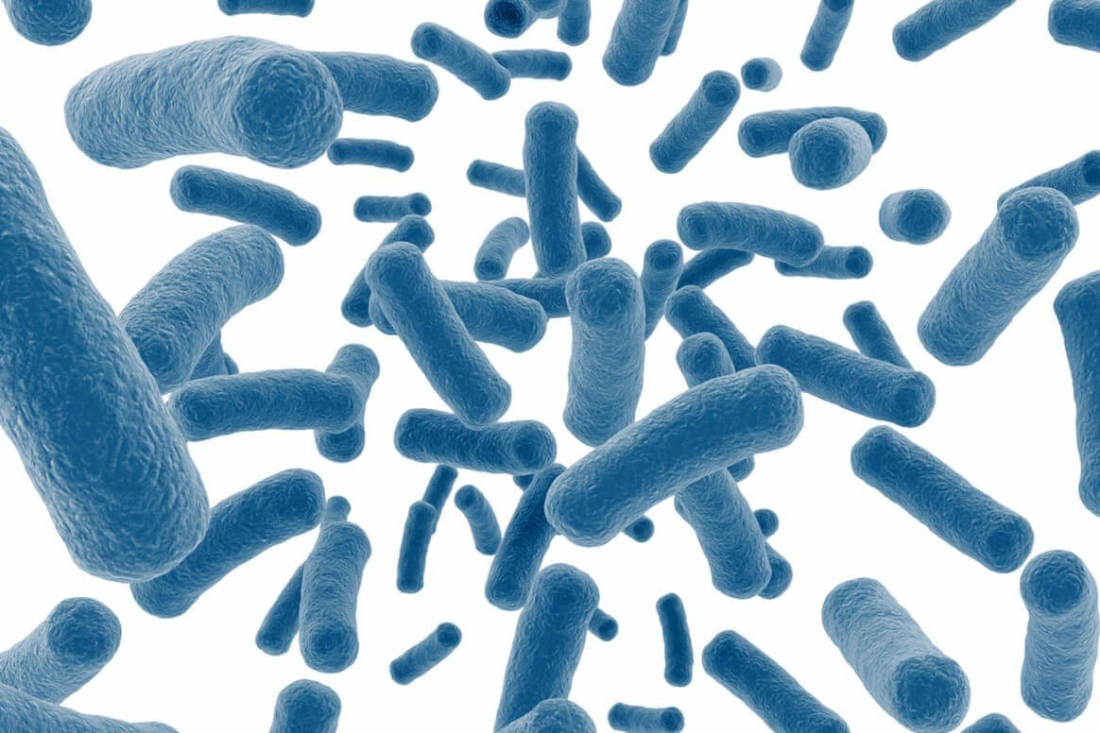
Our skin and digestive system are hosts for about 2,000 different types of bacteria. The benefits of probiotic bacteria include supporting immune function, helping to reduce inflammation in the body, promoting healthy digestion and maintaining beautiful skin, and they are especially effective when combined with prebiotics. In addition, gut bacteria are responsible for several important processes in the body, such as the production of vitamin B12, butyrate and vitamin K2, the elimination of unwanted microbes, the production of enzymes that destroy harmful bacteria, and the stimulation of IgA secretion and regulatory T cells (t-lymphocytes) that support the body's immune system.
Probiotics are something we have inside us from birth. Historically, humans have had plenty of probiotics in their diet through eating fresh foods from good soil and also eating fermented foods, a process that prevents foods from spoiling quickly. Today, however, many of these benefits have been significantly suppressed through the use of fertilizers, pesticides and other chemicals, and the natural probiotic content of foods is declining. In fact, many foods even contain rather dangerous antibiotics that destroy the good bacteria in our bodies.
Types of probiotics
There are so many types of supplements available for probiotic supplementation. They differ in stability, variety, but also in the number of CFU (colony-forming unit, a measurement of probiotic content). The most common probiotics are of two types - Bifidobacteria and Lactobacillus. In addition to being the most commonly available and very easy to find in common foods, these two types have also been evaluated through studies to be the most effective in boosting immune function, beneficial effects on the gut biome, weight reduction, and more.
There are also many specific strains of probiotics, each of which has been shown to benefit a slightly different sector of health. The probiotics with the greatest positive effect include:
- Bacillus coagulans
- Bacillus subtilis
- Bifidobacterium bifidum
- Bacillus clausii
- Lactobacillus plantarum
- Lactobacillus fermentum
- Lactobacillus reuteri
- Lactobacillus acidophilus
- Lactobacillus gasseri
- Lactobacillus rhamnosus
- Lactobacillus sporogens
- Saccharomyces boulardii
List of the most important health benefits of probiotics
Before we look at where to actually look for probiotics and what supplements and foods to reach for, let's take a look at what benefits their intake actually offers. The pros of probiotics are taken both in terms of their content in food and as a supplement.
They support the health of the digestive system
At the top of the list of pros of probiotics can't really be anything other than just promoting healthy digestion. Probiotics are generally beneficial in the treatment and prevention of gastrointestinal diseases. Consuming foods rich in good bacteria and using probiotic supplements can help provide protection against inflammatory bowel diseases, including ulcerative colitis and Crohn's disease. Probiotics and foods containing them appear to be particularly effective in the treatment of ulcerative colitis.
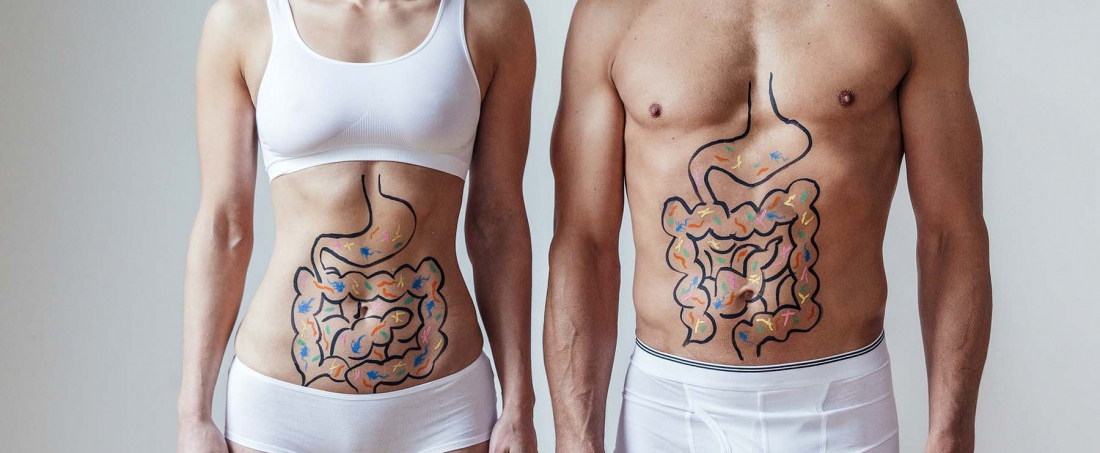
There is also ongoing research investigating the effect of probiotics in diseases associated with gluten consumption, such as celiac disease. A large body of evidence suggests that probiotics are effective against several forms of diarrhoea, including antibiotic-associated diarrhoea, acute diarrhoea, travel diarrhoea, infectious diarrhoea and other related diarrhoeal symptoms. But they also help in the opposite way, meaning they can be beneficial in treating constipation. Many studies suggest that they may also be beneficial in reducing the negative complaints associated with irritable bowel syndrome.
Probiotics reduce antibiotic resistance
The World Health Organization considers antibiotic resistance to be one of the greatest threats to global health, food security and development today. Bacteria are becoming resistant to antibiotics due to the overuse of prescription antibiotics, the lack of diversity of these drugs and the misuse of antibiotics.
Probiotics, whether in supplement or food form, can help to rebuild a strong range of positive gut bacteria, which are often greatly reduced by antibiotic use, and also help to prevent intestinal problems associated with antibiotic use. In addition, probiotic supplements and foods can increase the effectiveness of antibiotics and prevent bacteria in the body from becoming immune to the drugs.
Probiotics reduce antibiotic resistance
Both probiotics and prebiotics are very hot topics in immunity research. Because chronic inflammation is the cause of many diseases and negative health conditions, the fact that probiotics can inhibit the development of inflammation through their effects in the gut, where up to 80% of the entire immune system lies, is crucial . The immunity-boosting benefits of probiotics appear to be particularly useful for the quality of life of the elderly. Research is also currently investigating whether probiotics may play a role in supporting the treatment of HIV-positive individuals.
Probiotics for beautiful skin
A number of studies have investigated the benefits of probiotics for the skin, particularly in children. A meta-analysis of several studies has shown that probiotic supplements are effective in preventing childhood atopic dermatitis and childhood eczema. The integrity of gut bacteria has also been linked to the development of acne, although how this occurs is still very unclear. The skin health benefits of probiotics also appear to be associated with a reduction in inflammation. Indeed, research suggests that a balanced gut environment has benefits for both healthy skin and for individuals who suffer from a skin condition.
They help prevent the development of food allergies
Did you know that children who suffer from a lack of positive gut bacteria are more likely to develop food allergies in the first two years of life? The reason probiotics may help to alleviate food allergy symptoms is likely due to their ability to reduce chronic inflammation in the gut and regulate immune responses - and this happens in both adults and children.
They may be helpful in treating serious illnesses in infants
Two dangerous diseases in newborns, necrotizing enterocolitis (NEC) and neonatal sepsis, are two diseases that can be prevented through the use of probiotics. Both of these complications are common in premature babies and are most dangerous in low birth weight and very low birth weight infants. Research has confirmed that if a pregnant mother takes high-quality probiotics during pregnancy , her baby is significantly less likely to develop NEC or sepsis, especially when the baby is breastfed after birth and the mother is still taking a supplement containing probiotics, consuming products containing probiotics, or when the baby is fed a formula with probiotics added. Research results also confirm the significant benefits of probiotic supplements in reducing mortality and morbidity in preterm infants.
They reduce blood pressure
A large body of available studies has concluded that probiotics help lower blood pressure by improving lipid profiles, reducing insulin resistance, regulating renin levels (a protein and enzyme secreted by the kidneys that lowers blood pressure) and activating antioxidants. Scientists view probiotics as having a very promising future in the treatment of high blood pressure, as there are no side effects.

They help in the treatment of diabetes
Several large studies and two meta-analyses have confirmed that probiotics could be a major supporting factor in the application of natural diabetes treatment. In a large study involving nearly 200,000 subjects and a total of 15,156 cases of type 2 diabetes, researchers confirmed that a higher intake of probiotic-rich yoghurt radically reduced the risk of diabetes. Combining probiotics with prebiotics can also help regulate blood sugar levels.
Top foods containing probiotics
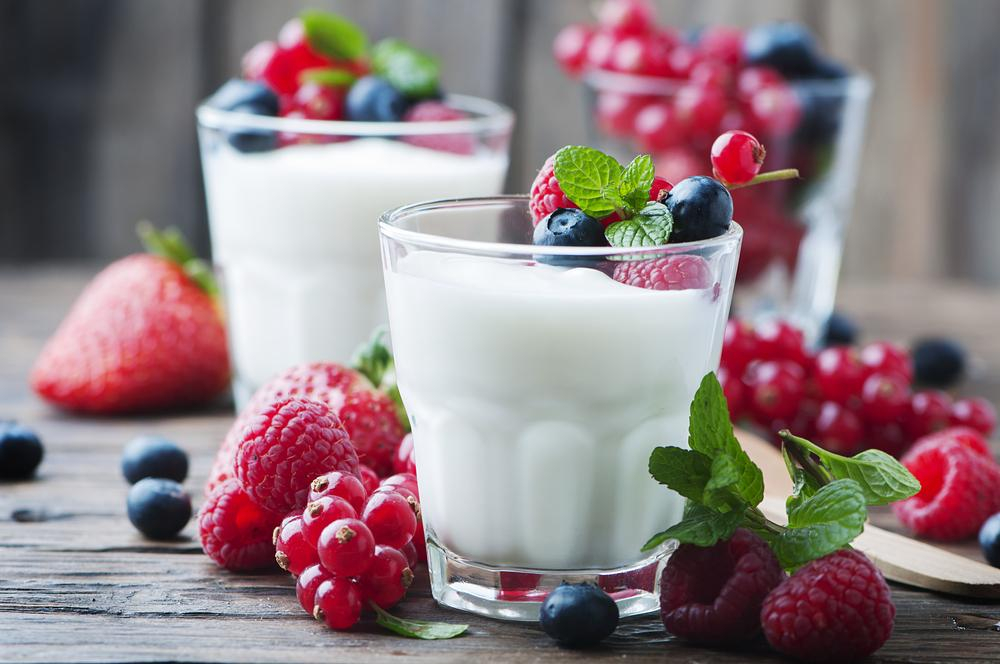
Before you reach for a supplement containing them, try incorporating more foods with their natural content into your diet. Sour dairy products and fermented foods are the richest in probiotics. The best food sources of probiotics include:
- Miso
- Natto
- Tempeh
- Kombucha
- Cheese
- Kefir
- Yogurts with probiotic cultures
- Kimchi
- Pickled cabbage
- Pickles

Keep in mind, however, that these probiotic foods should be low in sugar, preservatives and other additives to truly maximize the health benefits of probiotics. Even if you are consuming the best probiotic drink or the best probiotic yogurt, it may not provide maximum health benefits if these products are overly processed, overloaded with chemicals, and packed with sugar or other additives.
Supplements containing probiotics
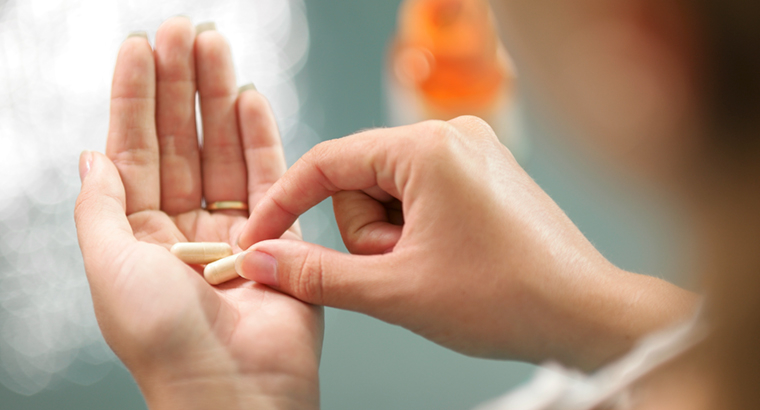
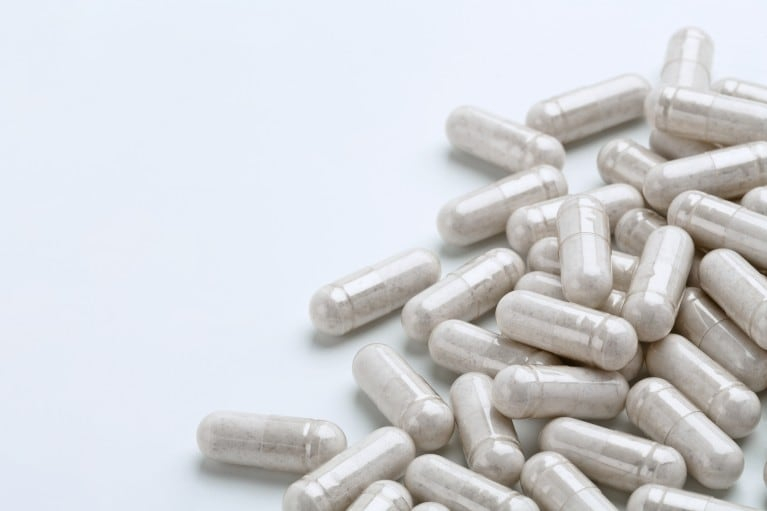
It's important to remember that the health benefits of one strain of probiotics may differ greatly from those of another. If you want to use probiotics to address specific health issues, it is essential to choose the right type of probiotics or reach for the right foods. When looking at the contents of a supplement or food, you should pay attention to the type, genus and strain of probiotics it contains. The product, usually in the form of capsules or pills, should provide the highest concentration of colony forming units (CFU). Most products are also very susceptible to proper storage. The following things should be considered when purchasing probiotics:
- Brand quality - look for reputable and proven brands with good reviews from customers and ideally doctors.
- High CFU count - the dosage of probiotics is measured in "colony forming units" or CFUs. Ideally, you should aim for at least 5 to 10 billion CFUs per day for children and 10 to 20 billion CFUs per day for adults. However, recommended dosages may vary depending on individual health concerns, so consult your doctor or pharmacist as needed.
- Survival and Strain Diversity - Your probiotic supplement should contain strains such as Bacillus coagulans, Saccharomyces boulardii, Bacillus subtilis, Lactobacillus plantarum, Bacillus clausii and other cultures that ensure that probiotics reach and are able to colonize the digestive biome.
- Prebiotic and other content - For probiotic bacteria to grow, they also need prebiotics. Quality probiotic supplements contain both prebiotics and other ingredients designed to support digestion and immunity. Examples of such ingredients may include: flaxseed, chia,ashwagandha,hemp seed, pumpkin seed, milk thistle, peas, ginger, beans and turmeric.
- Stability and types of organisms - Some probiotic strains need to be kept refrigerated to maintain maximum effectiveness. This applies throughout the production, packaging, transport, storage and sale process. Other types are relatively stable and do not require any special conditions such as a cold environment. Unfortunately, most such probiotics that require refrigeration will never achieve the necessary efficacy because they are not stable enough. So look for ones that have good stability.
- Sugar - Sugar is something that should definitely not be in a product containing probiotics . In fact, sugar is really not a good food source for probiotics. The only suitable food source designed to properly nourish probiotics is prebiotics. A synbiotic is a dietary supplement that contains both prebiotics and probiotics. The best synbiotics contain healthy plant starches and fiber. Therefore, a product with probiotics should definitely not contain any added sugar.
- Live vs. dead - "Live and active cultures" are a significantly better choice than "made with active cultures." After fermentation, the product can be cooked longer, which kills both the good and bad bacteria in its contents and extends its shelf life.
When to take probiotics?
Most doctors and other scientific sources recommend taking probiotics first thing in the morning, 15 to 30 minutes before your first meal. This ensures that the probiotics reach the digestive tract quickly without being hampered by breakfast in the stomach. With that said, as long as you consume foods containing them, the time of day is virtually irrelevant.
Are there any risks and side effects?
As with everything else, yes, there are. This is because not all probiotics are created equally. And not all strains have beneficial effects, consult your doctor before taking a supplement . Sometimes diarrhea can occur when taking larger doses of probiotics, or if you are not used to them . You can start with smaller amounts, such as one tablespoon of kefir or one probiotic capsule a day, and gradually increase the amount. One of the very rare side effects of probiotics seen in cancer patients is sepsis. However, this is an extremely rare case.
What to take away from the article?
Probiotics are organisms that havea very positive effect on our health. They have an effect on the immune system, can be beneficial in treating diabetes to help with high blood pressure, affect healthy looking skin, protect us against developing food allergies, can be very beneficial for enhancing the effects of antibiotics and more. We don't have to go far to get good quality probiotics - just use commonly available foods like yogurt, kefir, tofu, or fermented foods. Probiotics are very valuable for overall health and we should definitely not neglect their sufficient intake.
Recommended
Sources:
https://www.ncbi.nlm.nih.gov/pubmed/22529959
https://www.ncbi.nlm.nih.gov/pmc/articles/PMC2856834/
https://www.who.int/en/news-room/fact-sheets/detail/antibiotic-resistance
https://journals.lww.com/co-gastroenterology/Abstract/2015/03000/Prebiotics,_probiotics,_synbiotics,_and_the_immune.12.aspx
https://www.tandfonline.com/doi/abs/10.1080/15284336.2016.1184827
https://www.sciencedirect.com/science/article/abs/pii/S0091674907021720
https://www.sciencedirect.com/science/article/abs/pii/S0091674901961408
https://www.ncbi.nlm.nih.gov/pmc/articles/PMC4078018/
https://www.ingentaconnect.com/content/ben/cpd/2009/00000015/00000013/art00004
https://onlinelibrary.wiley.com/doi/full/10.1111/nure.12084
No posts have been made yet.








