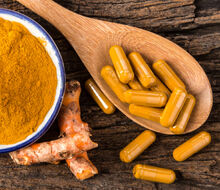
Let's take a look together at the positives of 4 science-based superfoods.
 Author: Šárka Randáčková
 Superfood is a pretty overrated concept. However, in today's article, we offer you four that find support in scientific studies.
The word "superfood" has been bandied about endlessly in the media. And every year a new one comes along. Whether we're talking about a super-rare fruit from the Amazon or a seed that cures every disease known to man, one thing is always the same. Their magical properties are rarely based on scientific evidence.
While we're aware that no superfoods actually exist, we've put together four foods that can be backed by science.
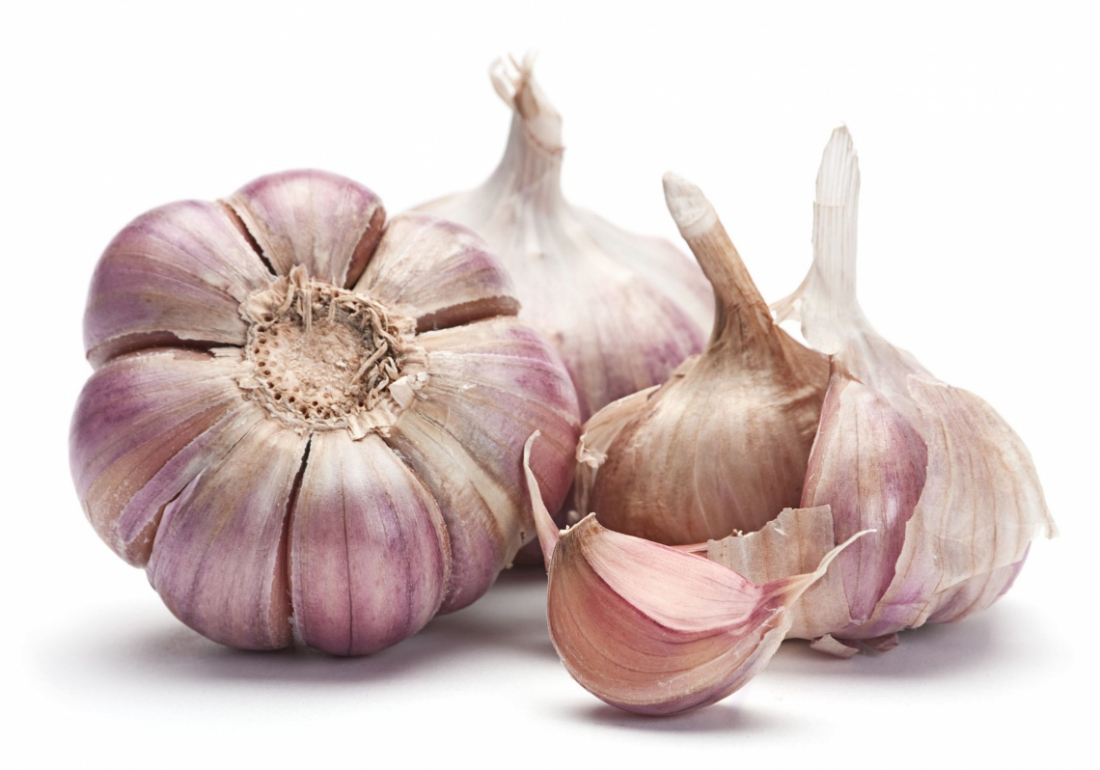
Garlic
- Garlic has been shown to improve cardiovascular health, lower blood pressure and improve cholesterol profile.
- It also has powerful antioxidant effects.
- Some evidence also talks about improving fasting blood glucose levels.
Including garlic in your diet is one of the healthiest habits you can cultivate.
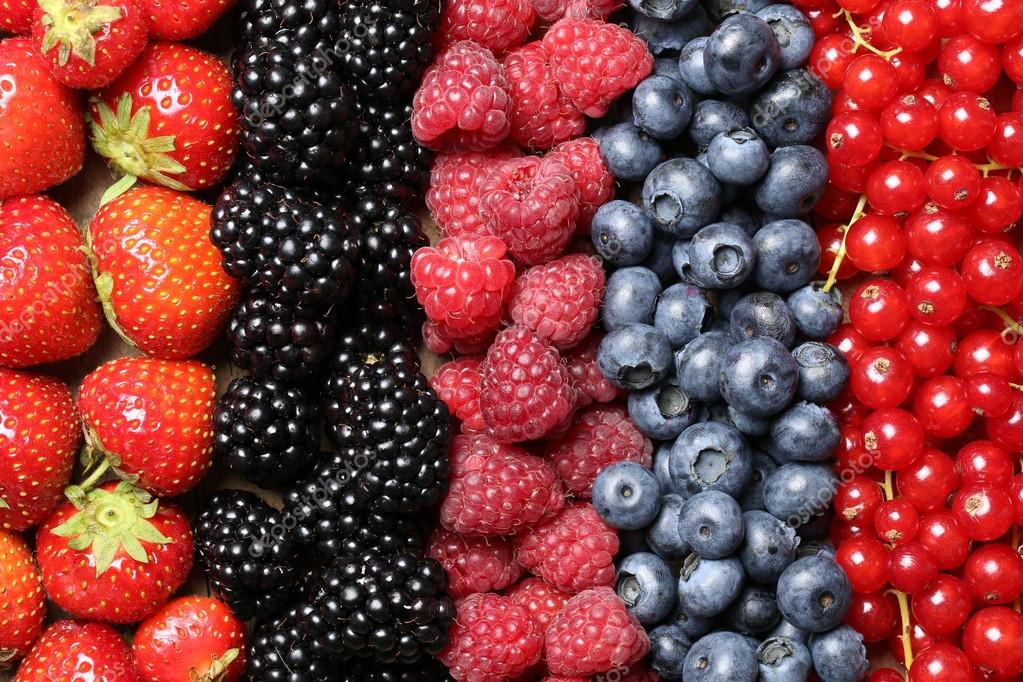
Dark berries
- Blueberries in particular are a rich source of anthocyanins and pterostilbene. Anthocyanin is attributed to the effect of dark berries on brain function.
- For older people, it could help with memory.
The mechanism of action (stimulation of a growth factor called BDNF) suggests that the berries could work the same way on younger populations. However, research on this topic is still in its infancy.
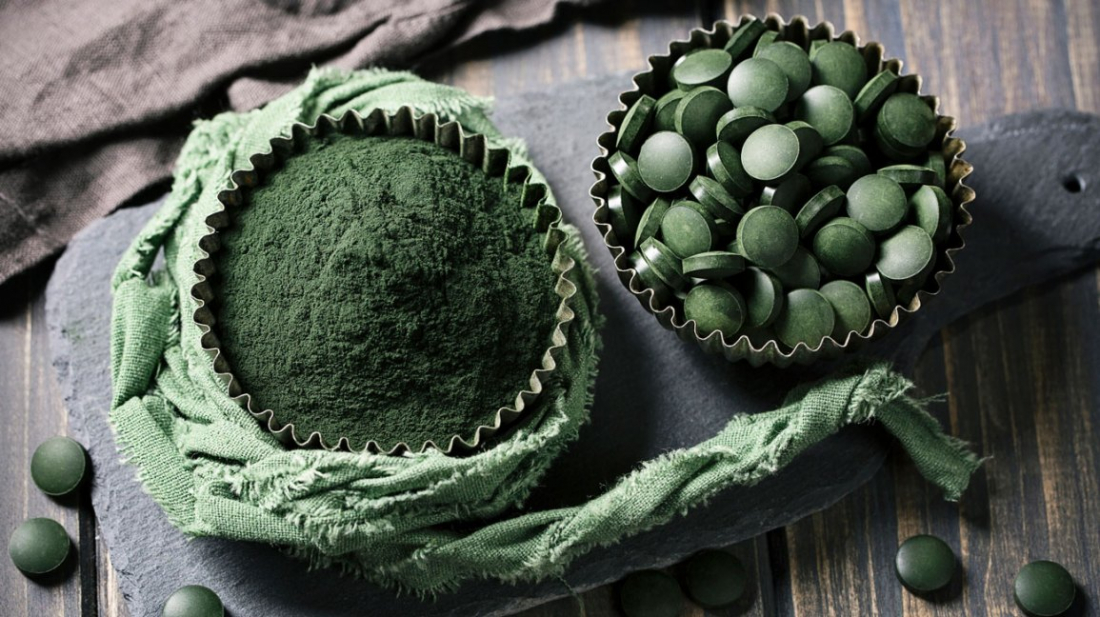
Spirulina
Spirulina is a blue-green algae with 55-70% complete protein content. Its popularity has been driven by NASA, which has begun researching it as an alternative for its space missions.
- Spirulina also contains a decent dose of beta carotene, several trace minerals and pro and pseudo vitamins. It also boasts safety and anti-inflammatory and antioxidant properties.
- Studies suggest that consuming spirulina can dramatically reduce LDL-C, triglycerides and total cholesterol levels, while HDL-C levels are increased. Animal studies also suggest protection of brain function. However, this needs to be confirmed by human studies.
On the negative side, spirulina tastes by far the worst of all the supplements on this list.
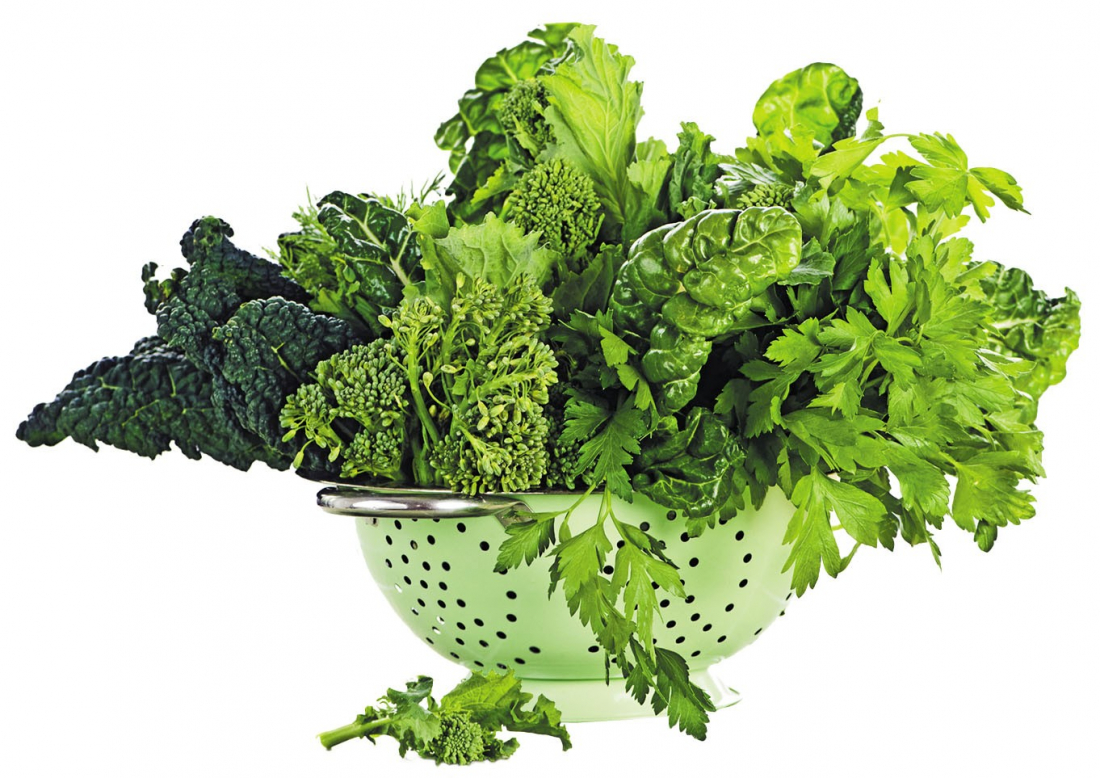
Leafy vegetables
- Leafy greens contain high levels of nitrates, just like beetroot. In fact, beets have so much nitrate that they can be used as a pre-workout support, i.e. in juice form.
- Nitrates improve blood flow by dilating blood vessels.
Daily consumption of leafy greens such as arugula, rutabagas, dill, turnips and beets can help with lowering blood pressure over time.
Don't follow trends
The new superfoods are so good it's hard to believe. Don't follow the media, read studies (not just abstracts!).
Being suspicious of new trends will save you money in the long run. Don't look for shortcuts. Add some of the foods mentioned above to your diet and make long-term, sensible changes to your entire lifestyle.
Source: www.examine.com - 4 science-based "superfoods" you should consider eating
Author.
Author: Šárka Randáčková No posts have been made yet.