





Turmeric and curcumin - discover their magic and benefits!
 Author:
 Turmeric. It may sound a bit like an incantation, but it's actually the name for a type of exotic spice. Don't you see why we are going to talk about spices on our website? You might be surprised how many benefits this unassuming plant has to offer.
Article content:
What is turmeric or curcumin?
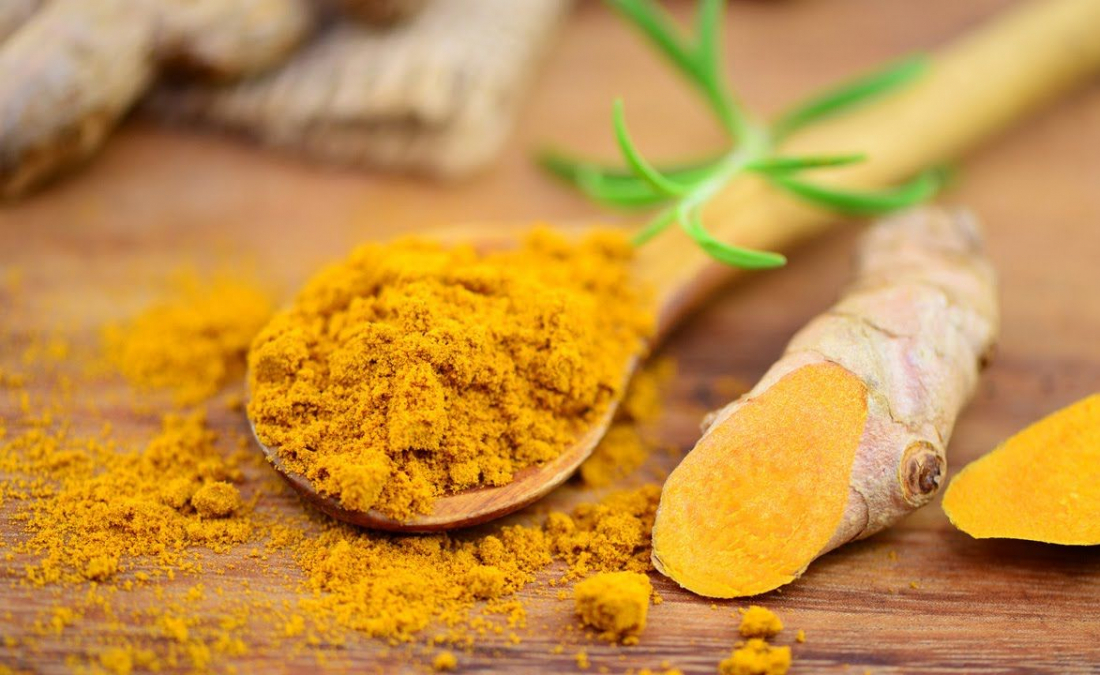
Those who like Indian and Asian cuisine will know that it is a spice, one of the main ingredients in curries. The rhizome of the plant is used, which resembles ginger, but is much more strongly coloured. However, we most often encounter the ground form in the form of spices. This spice is significant in its curcumin content, the substance responsible for the yellow colour of both turmeric and curry. Turmeric is also known as Indian saffron.
However, not just to talk about food - curcumin is also used in medicine. As a result, it has been the subject of numerous research studies and has fairly recently been labelled a 'super spice' due to the wide range of potential benefits when used. It is also used in dermatology, as an additive in creams and skin preparations.
So what does curcumin do?
Despite the fact that the bioavailability of curcumin in turmeric is still under investigation, research to date shows curcumin to be a powerful antioxidant. Curcumin's antioxidant properties help fight damage caused by oxidative stress. Studies have shown that it has many potential benefits, including improving blood flow and relieving pain, which is especially appreciated by athletes. Another benefit for athletes is the restorative strengthening effects, resulting in shorter recovery times.
Turmeric also has a positive effect on the digestive system - improving digestion, liver and gallbladder function, increasing the production of gastric juices and is also used as an aid for heavy menstruation in women. Of course, the list of benefits doesn't end there, let's have some more. It plays an important role in strengthening the immune system due to its antibacterial and antiviral effects. It is also used as a disinfectant to treat wounds externally. Among its other effects, we also find it to alleviate the signs of aging, skin care and also to treat vascular diseases and jaundice.
Curcumin is used as a stimulant with a mild warming effect. It lowers cholesterol and cleanses the skin. It also has a soothing effect, nourishes all the tissues of the body and supports not only the physical state of the body, but also the mental one. Indeed, clinical studies have shown that curcumin acts as an antidepressant and is therefore used medically in the treatment of depression and anxiety conditions.
Turmeric and the substances it contains have even more special abilities. Curcumin can penetrate through the cell membrane and thus can change the properties of the entire cell. According to research, curcumin can also affect DNA and RNA. It has the ability to modify a large number of genes. Curcumin can also affect hormones and neurotransmitters.
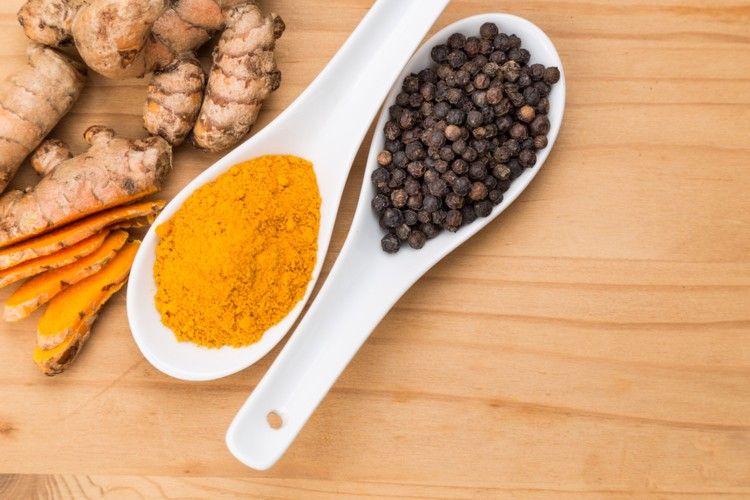
Currently, curcumin, precisely because of its ability to influence changes in genetic information, is most often studied for its anti-cancer action and it must be said that the results are quite promising. It could be one of the most impressive natural substances in the field of cancer prevention and treatment. However, it should be noted that any positive effects of curcumin depend very much on the way it is consumed, as the body has a limited ability to absorb it. The absorption of curcumin has been shown to increase significantly when combined with other spices. The ideal combination seems to be with piperine , which is found in pepper.
Curcumin is one of the substances with the strongest anti-cancer activity - it has been shown that people who consume higher doses of turmeric in their diet have a lower incidence of cancer. The beneficial effects of curcumin have been confirmed in a wide variety of cancers, such as breast, prostate, lung, colon and pancreatic cancer.
In addition to all these effects, curcumin is also used for the treatment of Alzheimer's and Parkinson's diseases. It is also used in the treatment of arthritis. It also plays a role in the fight against diabetes and is also used as a weight loss aid for obese individuals.
What is the recommended dosage?
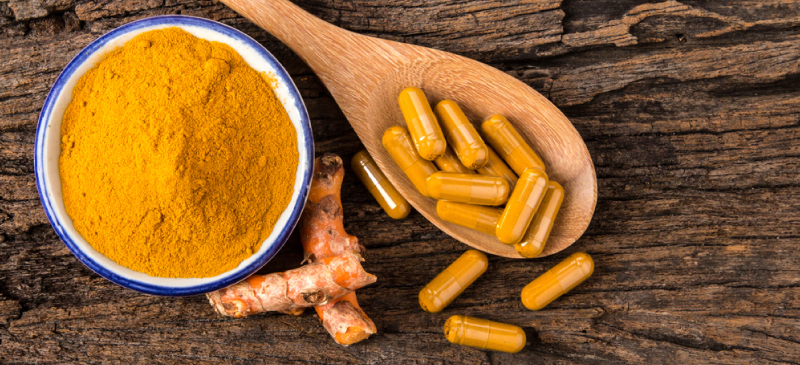
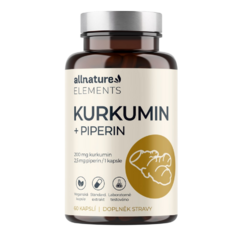
Turmeric can most commonly be consumed in its natural form as a root or ground spice. Supplements containing curcumin could be another option. However, in this case, be very careful - as already mentioned, the absorption of curcumin alone is very low, so supplements need to contain piperine as well, which increases its absorption significantly (up to 2000% better utilization is reported). No negative effects have been shown, even with increased consumption. The recommended dose is around 3 - 4g per day. If you've read carefully, turmeric offers some benefit to virtually every organ in the body, so we should at least consider including it in our diet.
Recommended
HiTec Curcumin
Sources:https://www.ncbi.nlm.nih.gov/pubmed/20205886https://www.ncbi.nlm.nih.gov/pubmed/20388102https://www.ncbi.nlm.nih.gov/pubmed/20205886/https://www.ncbi.nlm.nih.gov/pubmed/20388102https://www.ncbi.nlm.nih.gov/pubmed/19594223https://www.ncbi.nlm.nih.gov/pubmed/26418821https://www.ncbi.nlm.nih.gov/pubmed/21986478https://jissn.biomedcentral.com/articles/10.1186/1550-2783-11-31https://www.ncbi.nlm.nih.gov/pubmed/9129943https://www.ncbi.nlm.nih.gov/pubmed/25795285https://www.ncbi.nlm.nih.gov/pubmed/9619120https://www.healthline.com/nutrition/top-10-evidence-based-health-benefi...
No posts have been made yet.








