Why is it not a good idea to eliminate fat from the diet?
 Author:
 Tuk. An essential macronutrient that people still often look down on because of the myths that accompany it. But the truth is that the human body needs fat for a whole host of bodily processes. Whether for vitamin absorption, beautiful hair and skin, strong immunity, sports performance... in short, it needs them in sufficient quantities for optimal functioning and a lack of them can cause very serious problems. Even in fat reduction, we don't have to worry about fat and it is certainly not true that eating fat = gaining weight! Today, let's take a look at what fats are actually responsible for in our bodies and how we can easily tell if we are missing this essential macronutrient in our diet, which unjustly has a pretty bad reputation.
A theoretical window - what are fats anyway?
Let's start with a classic theoretical window. As already mentioned, fats are one of the essential macronutrients along with carbohydrates and proteins and should definitely not be missing from your diet. When we hear the phrase "energy source", most of us think of carbohydrates first, but fats are also a very good source of energy. In numerical terms, a gram of fat contains even more calories than the other two macronutrients combined - protein and carbohydrates have the same 4 kcal per gram, and fats have 9 kcal per gram. In addition to their function as a source of energy, fats also play a role in many physiological processes in the body, and for this reason alone it is not a good idea to exclude them from the diet completely or to restrict their intake excessively.
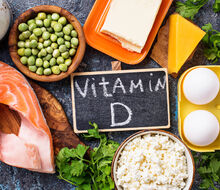
For example, fats are very important for the absorption of certain vitamins - in particular vitamins A, D, E and K and certain antioxidants. They also play an important role in the synthesis of hormones such as testosterone and oestrogen and are important for the production of vitamin D. Fat also affects our immune system, protects some of our organs and regulates body temperature. Fats are also important for hormonal health - in women, for example, too low a percentage of body fat can lead to reproductive organ dysfunction. Fats are also crucial for our brain, nervous system and ability to learn - which is why fatty foods (especially those rich in omega-3 fatty acids) are recommended for mental vitality. They are also essential for cell growth, wound healing and cardiovascular health. Sumasumarum, fats are simply essential in the diet!
Types of fats
Of course, there is no such thing as fat and there are more and less suitable sources that we can use. Each type of fat has a specific role to play and all types, with the exception of trans fatty acids, have their place in the diet. We can divide fat sources in several ways. For example, according to their origin, they can simply be divided into vegetable and animal. It is preferable for health that fats from plant sources predominate, at least in a 2:1 ratio. Another possible division of fats is according to their nature. From this perspective, fats are divided into saturated, trans and unsaturated fats, which are further subdivided into monounsaturated and polyunsaturated fats, among which we also find essential fatty acids. Let's talk a little more about each group.
Trans fatty acids
Trans fats are the least desirable group of fats and should be rare in the diet. They are mainly found in hydrogenated and hydrogenated oils, which are often added to processed foods or convenience foods to improve taste and increase shelf life. If you are buying such foods, read the ingredients carefully and if you find margarine or hydrogenated oil in the ingredients, then put the product back on the shelf. Consuming large amounts of this type of fat can increase your risk of heart disease, stroke and type 2 diabetes.

Saturated fats
Saturated fats are mainly found in animal products such as meat, eggs and dairy products. So we usually have plenty of them in our diet. For some time they have been presented as very negative with regard to raising LDL (bad) cholesterol. However, of course, it depends on the approach - if this type of fat is highly dominant in the diet then it is likely to be problematic, but as long as saturated fats are not predominant in the diet and do not come purely from processed foods, they have a pride of place in the diet. Fats in this group should make up about one-third of total daily fat intake.
Unsaturated fatty acids
The last group is unsaturated fats. In terms of structure, this group of fats is composed of at least one double bond. Based on where the first double bond is located (from the methyl end - labeled omega), unsaturated fatty acids are divided into the omega-3, -6, and -9 groups. Unsaturated fats can be further distinguished by how many double bonds they have. A group with one double bond is called a monounsaturated fatty acid (MUFA), and if there are more double bonds we call it a polyunsaturated fatty acid (PUFA). In general, fats from this group have the ability to harmonize cholesterol levels, thus having a positive effect on the cardiovascular system.
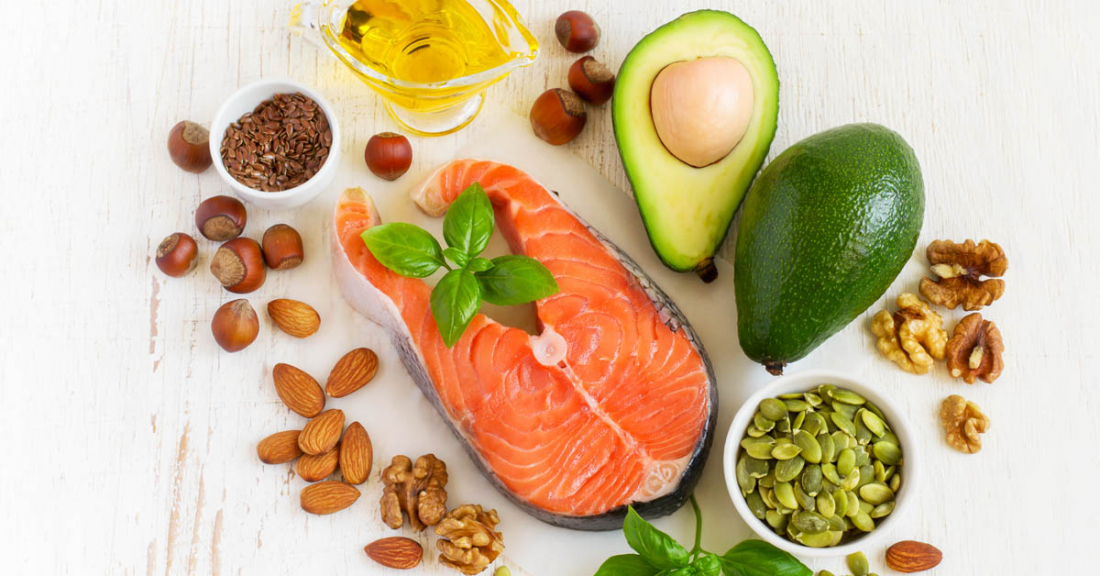
Monounsaturated acids can be found in vegetable oils, avocados or nuts. We will stop at polyunsaturated acids because they also include omega-3 fatty acids, which are often mentioned in connection with health. Our bodies cannot make polyunsaturated fats - so they must be taken in the form of food or supplements. These fats are therefore 'essential'. Omega-3 fatty acids are a specific type of polyunsaturated fat that can help reduce the risk of heart disease, can lower blood pressure, and are also important for the nervous system, eyesight, immunity... in short, for overall health and athletic performance.

The problem is that, like most of the Western population, we have a disparity between omega-3 and omega-6 fatty acids in our diets. Omega-3 and omega-6 are two different types of polyunsaturated fatty acids, and a healthy body needs both types in some proportion. The optimal ratio should be 1:1, or at most 3:1 in favour of omega-6, but in the diet of most of us, the dominance of omega-6 is much more pronounced (up to 20:1, for example). The richest source of omega-3 fatty acids is fatty marine fish, which unfortunately in our conditions few people consume enough of and therefore it is advisable to take it in supplement form.
Negative effects of low fat intake
Okay, enough with the theory - let's take a look at the most common signs that our diet does not contain enough fat and it would be advisable to increase our fat intake.
Lack of fat-soluble vitamins
As already mentioned - fats are crucial for the absorption of vitamins A, D, E and K, which are essential for health. When our diet is deficient in fat, these vitamins have nothing to dissolve in, even though we may be eating foods that contain them, and we become deficient, with a number of negative consequences for our overall health. From slow healing of wounds, deterioration of the skin, deterioration of vision, moodiness, tooth decay, muscle pain or weakening of the immune system.

Poor skin condition and slow wound healing
Fat is an essential part of the structure of skin cells and helps the skin maintain its elasticity, healthy appearance and freshness. If you don't get enough fat in your diet, it can affect the health of your skin and lead to dermatitis. "Dermatitis" is the term used to describe a skin condition. Dermatitis caused by a lack of fat in the diet often manifests as a dry, scaly rash. Unless poor drinking or weather changes are to blame, it's a good idea to look at your diet and make sure there are plenty of healthy fats in it.
The body also needs fat to make important molecules that control the body's inflammatory response. Low fat intake in the diet could disrupt this reaction and lead to slow wound healing. A lack of fat-soluble vitamins, such as vitamin A and vitamin D, can also cause wounds to heal more slowly than they normally would.
Weakened immunity
Severely limiting your fat intake can weaken your immune system and lead to more frequent illnesses. In short, the human body needs fat to produce molecules that stimulate immune cell activity. Essential fatty acids are also important for the growth of immune cells. Again, this brings us back to the fact that vitamins D and A are important for the immune system to function, and if we don't consume enough fat, the body logically doesn't get enough of these key nutrients, and a deficiency (of anything) will often have the biggest impact on immunity.
Moodiness and depression
Fats are also very important for the nervous system and our brain. Therefore, logically, when we don't get enough of them, we become irritable, moody, obnoxious, and can even often become depressed. Studies confirm the link between omega-3 fatty acids, fat-soluble vitamin D supplementation and a reduction in the incidence of depression and anxiety disorders. In fact, vitamin D and essential fatty acids play a role in the release of neurotransmitters (serotonin and dopamine) that influence brain function and development and also regulate our mood. Intake of sufficient amounts of essential fatty acids and vitamin D can help maintain a stable mood and benefit the function and vitality of our brain.
Recommended
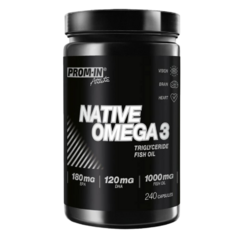
Prom-in Native Omega 3
Other negative manifestations
As already mentioned, fats are also important for the production of certain hormones. In women, for example, reproductive organs may stop working and menstruation may be lost. Furthermore, low fat intake can lead to increased inflammation in the body, hair loss, dental deterioration, coldness, extreme fatigue, impaired athletic performance and other negatives that result from a lack of key vitamins.
So how much fat should we actually eat and where do we get it from?
A fundamental question to which, as is customary in nutrition, there is no universal answer. Fat intake is individually determined and depends on physical disposition, gender, preferences, goals, genetic predisposition, athletic performance... in short, a great many factors. It is stated that daily intake should be between 25-40% of total caloric intake and should consist of a variety of sources. It is also important to remember, of course, that there is no such thing as fat and that there are types that should be preferred in the diet and, conversely, types that should be more rare. Ideal sources include oily fish, avocados, nuts and olive oil. However, sources such as eggs or animal fats should not be discarded either. Omega-3 fatty acids should also be supplemented outside the diet in the form of a supplement.
What can I take away from this article?
The topic of today's article was fats, which belong to the essential macronutrients and have an irreplaceable role in the body. For example, fats are important for the absorption of certain vitamins, for the proper functioning of the nervous system and the immune system, as well as for the healthy appearance of the skin. Negative consequences of insufficient intake include moodiness, impaired immunity, poor skin condition and hair loss, or problems with the production of important hormones. As with other macronutrients, it is very important to combine the sources to ensure that the daily intake of all types is in an individually optimal ratio and that the diet is sufficiently varied.
Sources:
Liu, A. G., Ford, N. A., Hu, F. B., Zelman, K. M., Mozaffarian, D., & Kris-Etherton, P. M. (2017). A healthy approach to dietary fats: understanding the science and taking action to reduce consumer confusion. Nutrition journal, 16(1), 53. https://doi.org/10.1186/s12937-017-0271-4
Guo, E. L., & Katta, R. (2017). Diet and hair loss: effects of nutrient deficiency and supplement use. Dermatology practical & conceptual, 7(1), 1-10. https://doi.org/10.5826/dpc.0701a01
Anez-Bustillos, L., Dao, D.. T., Fell, G. L., Baker, M. A., Gura, K. M., Bistrian, B. R., & Puder, M. (2018). Redefining essential fatty acids in the era of novel intravenous lipid emulsions. Clinical nutrition (Edinburgh, Scotland), 37(3), 784-789. https://doi.org/10.1016/j.clnu.2017.07.004
Kris-Etherton, P. M., Innis, S., Ammerican Dietetic Assocition, & Dietitians of Canada (2007). Position of the American Dietetic Association and Dietitians of Canada: dietary fatty acids. Journal of the American Dietetic Association, 107(9), 1599-1611.
Fernandez, M. L., & West, K. L. (2005). Mechanisms by which dietary fatty acids modulate plasma lipids. The Journal of nutrition, 135(9), 2075-2078. https://doi.org/10.1093/jn/135.9.2075
No posts have been made yet.