





A guide to omega 3 fatty acids - are they really as useful as they are said to be?
 Author:
 Omega 3 fatty acids, most commonly in the form of fish oil, are a supplement that many nutritionists and even doctors consider an absolute staple of supplementation along with a multivitamin. However, recently there have been reports on the internet that consuming omega three can be downright dangerous! What exactly are these omega 3's and are they really that important, or are they just another unnecessary investment?
Article content:
- What exactly are omega-3 fatty acids?
- The most important omega-3 fatty acids
- Omega-3 vs. omega-6
- The effects and health benefits of omega-3 fatty acids
- What is the optimal amount we should be taking?
- How to ensure sufficient intake?
- 10 Foods Rich in Omega-3 Fatty Acids
- What to say in conclusion?
What exactly are omega-3 fatty acids?
Omega-3s are fats that are classified as "beneficial" and have many benefits for both athletes and inactive individuals. We call them essential, which means that our bodies cannot make them on their own and we must take them from food or in supplement form. As mentioned in the introduction, they are considered one of the most important supplements along with a good quality vitamin. One of the easiest ways to get them is by eating fish. Unfortunately, we are one of the countries where there is a so called western style of eating which does not contain much fish.
The most important omega-3 fatty acids
There are severalomega-3 acids, but we will explain the three most important ones, namely:
EPA (eicosapentaenoic acid).
Eicosapentaenoic acid (EPA) is an omega-3 fatty acid with a chain of 20 carbon atoms. It is found mainly in oily fish, seafood and fish oil. It has a number of very important functions in the body. For example, it has a positive effect in combating mental illness, and is particularly useful in the treatment of depression.
DHA (docosahexaenoic acid)
Docosahexaenoic acid is an omega-3 fatty acid containing a chain of 22 carbon atoms in its molecule. It is mainly found in oily fish, seafood, fish oil and algae. This acid is very important for our brain - it is part of cell membranes, especially in the brain and nerve cells. Its share in the brain among polyunsaturated acids is up to about 40%. It is very important to take this acid during pregnancy, as it is important for the proper development of the nervous system of the fetus and at the same time DHA.is also part of breast milk.
ALA (alpha linolenic acid)
Alpha linolenic acid (ALA) is an omega 3 fatty acid with 18 carbon atoms in its chain. It is found in high-fat plant foods, especially flaxseed, chia seeds and walnuts. Although it is the most commonly consumed omega-3 fatty acid in the diet, it is not very active in the body. To be active, it needs to be converted to EPA or DHA. However, this process is relatively inefficient in humans, so it is recommended to consume enough omega-3 fatty acids to ensure sufficient intake of the two mentioned above.

Omega-3 vs. omega-6
Omega-3 fatty acids are very often discussed in conjunction with omega-6 fatty acids. However, omega-3 and omega-6 are two completely different types of polyunsaturated fatty acids. The truth is that a healthy body requires both types in some proportion. When it comes to omega-6, you are very unlikely to be deficient in omega-3. They are very readily available from nuts, meats, eggs, oils. As already mentioned, the richest source of omega-3 fatty acids is fatty marine fish, which unfortunately few people eat enough of, so omega-6 dominates our "Western diet".
If omega-6s are in a significant predominance, health complications, fat mass increase, reduced or poor regenerative processes and inflammation can occur. Therefore, it is ideal to choose a supplement with approximately 120mg of DHA and 180mg of EPA.

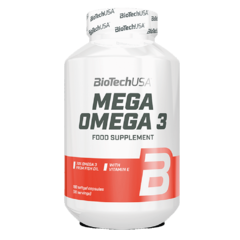
Gymsupps Omega 3 contains concentrated EPA and DHA, supplemented with vitamin E, to support cardiovascular health and brain function.
Effects and health benefits of omega-3 fatty acids
Omega-3 fatty acids are not considered one of the most effective supplements for nothing. They have many positive effects on the body, especially (but not only) for athletes. So let's start with the benefits that we, as active individuals, will especially appreciate.
Regeneration after exercise
One of the most important parts of the whole exercise process, recovery. Omega-3s can reduce muscle fatigue, muscle soreness and inflammation in the muscles. This effect is sure to be appreciated after an intense workout. They also have the function of blocking the breakdown of muscle fibers.
Weight reduction
Yes, you read that right. Omega-3 fatty acids are an unobtrusive helper in reducing excess kilograms. Of course, the reduction is not an effect of consuming them alone, but since fat-rich foods help keep you fuller longer, you could say that they can do you a great service in the right amounts. In fact, these are fats that are mostly beneficial in nature. There are also new studies showing that DHA, in addition to being a producer of anti-inflammatory hormones, has the ability to stimulate the cells that burn fat and in turn block its production. In addition, these fats have also been found to help stimulate genes that help take up and store glucose in the muscles. In short, this is one way these healthy fats help in maintaining optimal body fat and also serve to prevent diabetes.
Furthermore, omega-3s lower triglyceride levels in the blood, alleviate the symptoms of depression, anxiety, dementia and also manifestations in children with ADHD. In addition, they stimulate brain function, strengthen memory and also positively affect mood. Furthermore, they are a good prevention against asthma and are even reported to prevent cancer. Omega-3s are also anti-inflammatory and help relieve pain. They are very essential in pregnancy for proper fetal development. Improving the ratio between omega-6 and omega-3 also improves insulin sensitivity. A relatively new finding is their positive effect in the fight against aging, thanks to the ability of omega-3 fats to reduce oxidative damage to cells.

All of these are undoubtedly very interesting and substantial benefits, but let's take a look at the one that will probably generate the most interest on our site.
Omega-3 and muscle building
Yes, omega-3s won't let you down in this area either. From the information above, we already know that omega-3s have the ability to stimulate fat-burning genes and limit the activity of those that store them. However, recent studies have confirmed that omega-3s may actually have a slight role in muscle building as well.
Researchers from Washington University School of Medicine in St. Louis took men and women aged 25-45 and gave them either 4 grams of fish oil or corn oil every day for 8 weeks. In 2011, they published a report in the American Journal of Clinical Nutrition that the subjects who were given fish oil had a greater increase in muscle protein synthesis - the process of building muscle protein from amino acids - when they ate protein and carbohydrates. In other words - omega-3s may help the body (and muscles) make better use of pre- and post-workout meals, key runs for muscle growth.
Vegans and vegetarians
Vegetarians and vegans should pay special attention to their intake of omega-3 fatty acids, as their diets typically do not include fatty marine fish, which is their main source. Fortunately, there are many plant-based sources of omega-3s to help them reach their recommended daily intake.
The best plant sources of omega-3 include:
- Chia seeds: a very rich source of ALA (alpha-linolenic acid), a type of omega-3 that the body cannot make on its own.
- Flaxseed: Another great source of ALA, also rich in fiber.
- Hemp seeds: Contain ALA as well as EPA (eicosapentaenoic acid) and DHA (docosahexaenoic acid), which are important for heart and brain health.
- Nuts and seeds: Walnuts, almonds, pecans and sunflower seeds contain small amounts of ALA.
- Canola oil: A good source of ALA and relatively low in omega-6.
Omega-3 and hardiness
Another indisputable benefit that all athletes will appreciate is the increase in endurance. This benefit will also help you if your goal is muscle gain. A study conducted by Iranian researchers reported that men who took fish oil to train for 12 weeks showed significant improvements in lung function and capacity during exercise. The better the lungs work and the more air they can take in, the more oxygen goes to the muscles. This allows for better endurance and recovery between sets, leading to better training results.

The second way omega-3s improve endurance is again the aforementioned function for increased fat burning. By burning more fat and storing more glucose as glycogen in a day, your muscles have higher glycogen levels, which is a critical source of energy for the body during exercise. Omega-3s also allow you to burn slightly more fat during exercise, saving muscle glycogen and allowing you to perform for longer periods of time. Adding to this, all the extra glycogen that is stored in your muscles makes them bigger and fuller, thanks to the water that glycogen pulls into your muscles.
What is the optimal amount we should be taking in?
As is usual in nutrition, there is actually no universally accepted recommendation for how much to take in per day. However, a sort of general recommendation is to consume 1-3g of omega-3 per day. Ideally, omega-3s should be taken with food and specifically rich in carbohydrates and amino acids. A good time is in the morning or after training, as omega-3s stimulate anabolic processes. It is better to divide the daily dose as digestive problems could occur.
How to ensure sufficient intake?
Eating fish more than twice a week seems to be the ideal way. However, even this is not a 100% guarantee that you will achieve a sufficient intake. It is therefore advisable to take a nutritional supplement, usually in the form of fish oil. However, you need to look for a really good quality product with sufficient EPA and DHA content. Make sure that the product does not contain mercury. Of course, the rule of thumb is that too much of anything is bad for OMEGA-3 and fish oil intake should not be overdone. Excess intake can cause stomach upset.
10 Foods Rich in Omega-3 Fatty Acids
Omega-3 fatty acids are healthy fats essential for our bodies. They help reduce inflammation and promote healthy aging. The three main types of omega-3s are EPA, DHA (found in fish and seafood) and ALA (found in plant sources). Here's a list of 16 foods rich in omega-3s:
1. Black Walnuts
They contain 1.7g of ALA per ½ cup.
2. Canola Oil has 2.4g ALA per gram of fatty acids per gram of ALA (2.4g ALA per serving).
1.3g of omega-3 ALA per tablespoon.
3. Catfish
0.3g of EPA and DHA per serving.
4. Chia Seeds
7g omega-3 per tablespoon.
5. Edamame
0.3g omega-3 per ½ cup.
6. Fish Oil
2.9g ALA and DHA per tablespoon.
7. Ground Flaxseed
1.6g omega-3 per tablespoon.
8. Halibut
1g omega-3 per serving.
9. Hemp Seed
0.9g omega-3 per tablespoon.
10.
3.1g omega-3 per serving.
Omega-3 content in food
| Food | Amount of ALA per 100 g | Ratio of omega-3: omega-6 |
| Black Walnuts | 2,5 g | 1:4 |
| Canola Oil | 2,2 g | 1:2 |
| Catfish (fillets) | 1,0 g | 1:5 |
| Chia Seeds | 17,5 g | 3:1 |
| Edamame (cooked) | 0,9 g | 1:3 |
| Fish Oil | 30 g (EPA + DHA) | 3:1 |
| Ground Flaxseed | 22,0 g | 4:1 |
| Halibut (baked) | 3,3 g | 1:1 |
| Hemp Seed | 15,0 g | 3:1 |
| Sunflower | 0,1 g | 1:20 |
The ideal choice is fatty marine fish such as salmon, mackerel, herring, cod liver, anchovies or sardines. It should be noted that the body also needs fats to function, and these foods are rich in the most beneficial ones. Omega-3s are indeed one of the most beneficial fats, especially for athletes and pregnant women.

Then another good source of omega-3 is meat from free-ranging cattle. Regular beef, however, contains more omega-6 fatty acids. Animal diets containing omega-3s, such as fish and grass-fed beef, contain EPA and DHA, which are the easiest for the body to use.
Plant sources include walnuts, chia and flaxseeds. There is no need to worry about these foods being too fatty. These sources provide the most ALA, alpha-linolenic acid, which, as we have already explained, is not as useful to the body as the other two.

What to say in conclusion?
Omega-3 fatty acids should form the absolute foundation of your supplementation. Although they have been unfairly demonized lately, their beneficial effects on health and athletic performance have been confirmed by multiple large-scale scientific studies. Omega-3s can truly be considered a supplement with miraculous effects.
If you don't eat fish, or don't eat enough of it, definitely consider investing in a dietary supplement. You will do your body a better service by making this investment than if you buy any other supplement. Dietary supplements containing them are a very simple and effective way to improve physical and mental health, and can also be used as prevention against a number of diseases.
When omega-3 fatty acids are consumed in excess, side effects such as increased risk of bleeding and stomach upset can occur.
Recommended


Sources:
https://www.ncbi.nlm.nih.gov/pmc/articles/PMC3737804/
https://www.sciencedirect.com/science/article/pii/S0195666308004972
https://www.aafp.org/afp/2004/0701/p133.html
https://ods.od.nih.gov/factsheets/Omega3FattyAcids-HealthProfessional/
https://www.ncbi.nlm.nih.gov/pubmed/22113870
https://www.ncbi.nlm.nih.gov/pubmed/21939614
https://www.ncbi.nlm.nih.gov/pubmed/22361189
https://www.ncbi.nlm.nih.gov/pubmed/16828546
https://www.ncbi.nlm.nih.gov/pubmed/21501117
No posts have been made yet.








