Unconventional fats | What to enrich your diet with? We have 6 tips for you
 Author:
 Fat is a macronutrient that is somewhat controversial. Although on the one hand there are extreme supporters who avoid carbohydrates and promote fat in every possible way, on the other hand many athletes are concerned about the uncontrollable weight gain that awaits them after consuming fat. What position to take on fat is up to you, but you should know that you need fat in a healthy and varied diet and that it is ideal to get it from as many sources as possible. That's why in today's article, we're going to present 6 foods that will reliably enrich your diet with healthy fats and avoid any stereotype.
Article content:
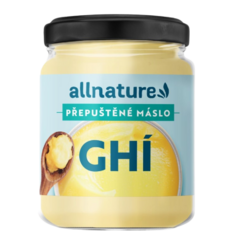
Ghí
- Why eat it? It is a healthier alternative to butter that is suitable even for lactose intolerant people.
- How to use it? As it is a butter product, its use is identical - it can be spread on bread and used in baking or frying.
- Where to buy it? Gheeis now available in almost every major supermarket, online and in most health food stores.
Although the popularity of ghee has been skyrocketing in recent years, it has so far found a somewhat futile place in the fitness community. Simply put, ghee is a butter that has been stripped of all milk proteins and lactose, which brings several benefits over regular butter:
- The smoke point is increased, making it a more suitable raw material for frying, and at the same time less acrylamide is released during frying, the potentially cancer-causing effects of which are debated in professional circles.
- It retains all the nutrients beneficial to health, including the full spectrum of lipophilic vitamins (A, D, E and K) and omega-3 fatty acids.
- It is also suitable for people with lactose intolerance as the manufacturing process completely removes this problematic substance for some.

Although ghí was mentioned by Magdalena Dobromila Rettigova at the beginning of the 19th century, it has only become the subject of relevant research in recent years. While some research suggests that ghee consumption may reduce LDL cholesterol levels, for example, we will have to wait for more extensive findings from human studies.
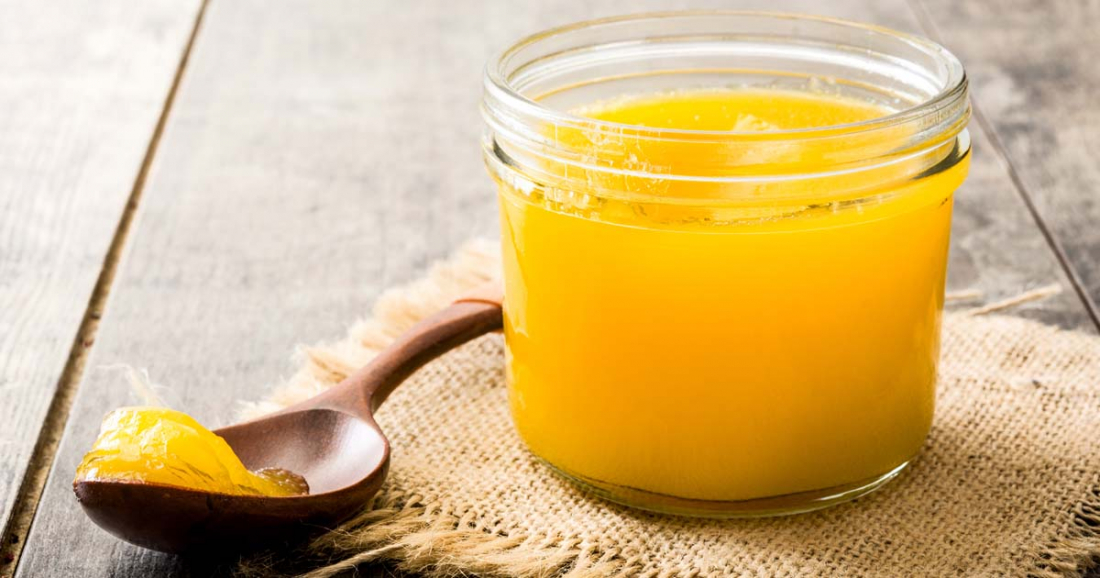
Ghee not only looks beautiful, it tastes great too. But compared to some margarines, you'll have to pay a little extra.
Avocados and Guacamole
- Avocados contain a variety of beneficial micronutrients and healthy fats.
- How to use them? They taste great sweet and savoury, can be added to a variety of recipes or eaten as guacamole with bread.
- Where to buy them? Almostany supermarket or convenience store. Although guacamole is also sold, it is better to avoid preservatives and other additives by making it at home.
That you only look at avocados when you're quickly scanning the supermarket shelves? Then you're making a huge mistake and robbing yourself of one of the best sources of fat ever. Although it is a fruit (specifically the fruit of a tree called the pear tree), right away 65% of all the nutrients are attributed to fat. In addition to carbohydrates (15%) and protein (6%), the remainder is made up of fiber (14%) and a variety of micronutrients led by potassium, copper, phosphorus, vitamins C, E, K, H and B. At the same time, current scientific studies suggest that in some cases, regular consumption of avocados may lower LDL cholesterol levels.
The best thing about avocados, however, is that you can consume them in a thousand different ways and never go overboard. They can be eaten with meat, but they can also be prepared sweet or made into a spread for baked goods. One of the most popular ways of processing avocados is to make guacamole, which is nothing more than mashed avocado, finely chopped onion, salt, lemon juice and possibly a spoonful of mayonnaise or chilli chunks. Great nutritional values, a huge load of vitamins and minerals and above all an unbeatable taste.
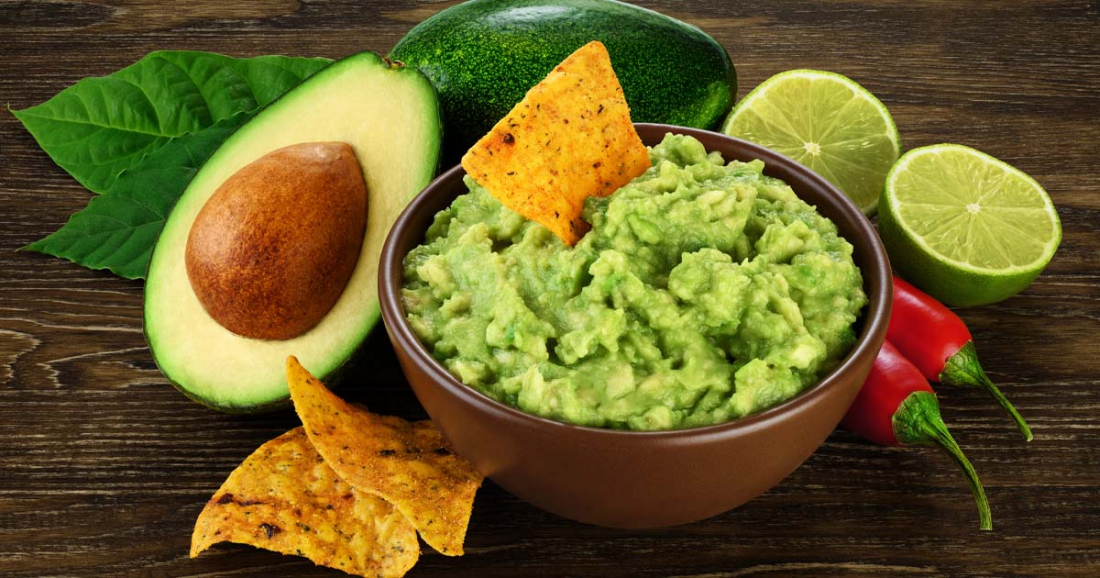
Looking for a healthy (but still very calorie dense) dip for nachos? Try guacamole!
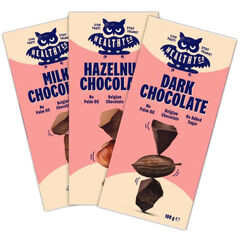
High quality dark chocolate
- In addition to fat, it contains a variety of micronutrients, including magnesium, potassium, manganese, iron and phosphorus.
- How to use it? Dark chocolate can be added to a variety of breakfast cereals without added sugar, eaten on its own or added to a variety of baked desserts.
- Where to buy it? Darkchocolate with a cocoa content of over 80% is available in every supermarket, but if you want 100% chocolate, online shops or specialist brick-and-mortar stores are ideal.
That you would definitely not expect dark chocolate in today's article? Then you should know that up to 65% of all calories in chocolate come from fat, which is a combination of saturated and unsaturated fatty acids. In addition, it is important to remember that dark chocolate is a great source of minerals (especially magnesium, potassium, iron and manganese) and antioxidants, which are reported to be even more abundant than blueberries or other popular fruits.
While we understand that many athletes with healthy lifestyles may be averse to chocolate, there's really nothing wrong with good quality dark chocolate with as few additives as possible. On the contrary, there is even scientific research that confirms that eating chocolate prevents UV damage to the skin, lowers blood pressure or supports cognitive function.
And of course, importantly, chocolate tastes amazing. You can indulge in it with your breakfast cereal, while baking or just when you're feeling peckish. However, it's important to remember that good quality chocolate will usually contain 80 per cent or more cocoa solids, with only the bare minimum of additives. For example, the popular Lindt chocolate with a 90% cocoa solids content consists only of cocoa mass, cocoa butter, reduced fat cocoa powder, a few grams of sugar and vanilla. And there's nothing wrong with such a composition, is there?
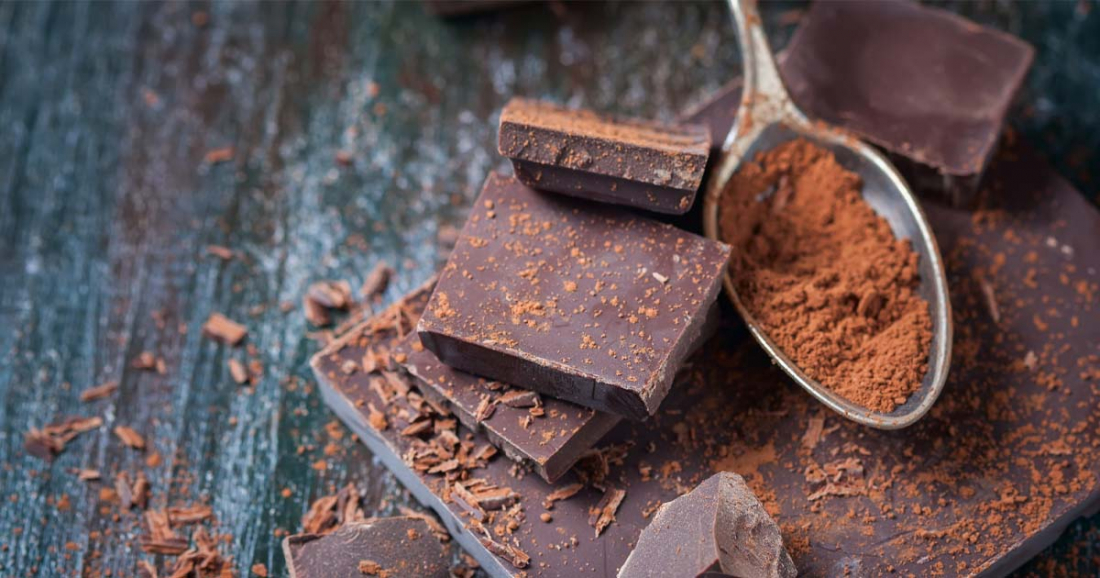
Quality dark chocolate is loaded with both fats and antioxidants. But forget about cheap and over-sweetened pseudo-chocolate.
Tofu and other soy products
- Why eat them? They're high in protein and fat, plus they'll lighten your diet from meaty foods.
- Tofu is great with noodles or any other side dish, and can be a reliable meat substitute from time to time.
- Where to buy it? Tofu is available in any supermarket, as well as a range of soya products. However, some specialities can be bought in specialist shops or online.
If there is one food in the world of health food that is highly controversial, it is definitely soya and products made from it. And although the issue is quite complex, occasional consumption of soya certainly does not harm anyone. On the contrary, it can bring a whole range of benefits - for example, tofu has a great spectrum of fatty acids, the isoflavones it contains, according to some research, prevent bone demineralisation in postmenopausal women and improve skin elasticity. Tofu, like tempeh or miso, can be bought in a number of larger supermarkets or health food stores, and can be prepared sweet or savoury and flavoured to suit your taste. If you buy smoked tofu and have it with noodles, for example, you can effectively replace meat for one or two days a week.
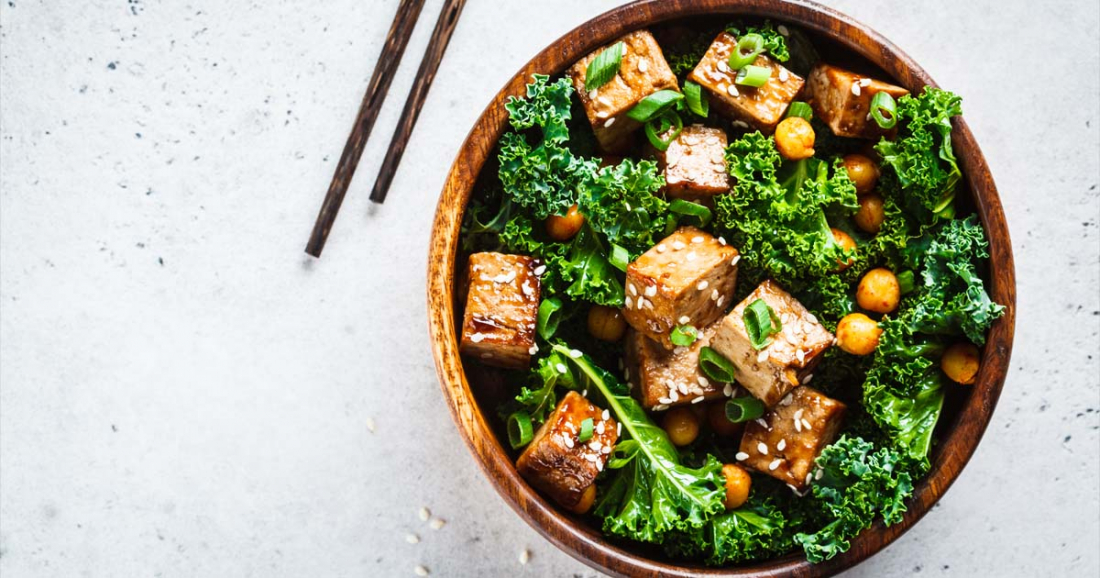
Avid carnivores can also enjoy a vegan or vegetarian meal from time to time. And soya has a very good nutritional value.
Cold-pressed oils
- Why eat them? They are a concentrated source of healthy fats and a range of vitamins and minerals
- How to use them? Their use is really wide, you can add them to various dishes, soups and no-bake recipes.
- Where to buy them? In specialisthealth food shops or online.
Cold-pressed oils may not be one of the trendiest foods, but they still have a lot to offer your diet. Cold-pressing preserves all the health benefits, so you really get the most out of the oils. For example, you can choose from pumpkin seed oil, which is a great source of zinc, walnut oil, wheat germ oil, which is rich in B vitamins, or poppy seed oil, which is used for insomnia or diarrhoea. However, it is important to know that the less industrial processing an oil has undergone, the more susceptible it may be to oxidation. It is best to choose products in darkened bottles, which preserve the oil better.
Macadamia nuts
- Why eat them? They are the fattiest nuts ever and contain a variety of health benefits.
- How to use them? Like any other nuts, they can be used on their own or in a variety of recipes
- Where to buy them? In anyhealth food store and some supermarkets
As a very good source of fat, most of you probably use nuts - and if not on their own, then at least in the form of delicious nut butters, for example with a selection of chocolates. But macadamia nuts are definitely not one of the classics, although they do have plenty of benefits. It's worth saying up front that these are the fattiest representatives of this category ever, and according to the Calorie Chart website, 100g of macadamia nuts have up to 76g of fat. So it's definitely not a good idea to overdo it with their consumption, but in the same breath it's worth adding that macadamia nuts have a huge content of antioxidants, they are proven to be loaded with flavonoids, due to their fibre content they effectively satiate even with smaller amounts and even their regular consumption, according to previous research, lowers LDL cholesterol levels. You can enjoy them on their own, with breakfast cereals and in various sweet or savoury recipes.
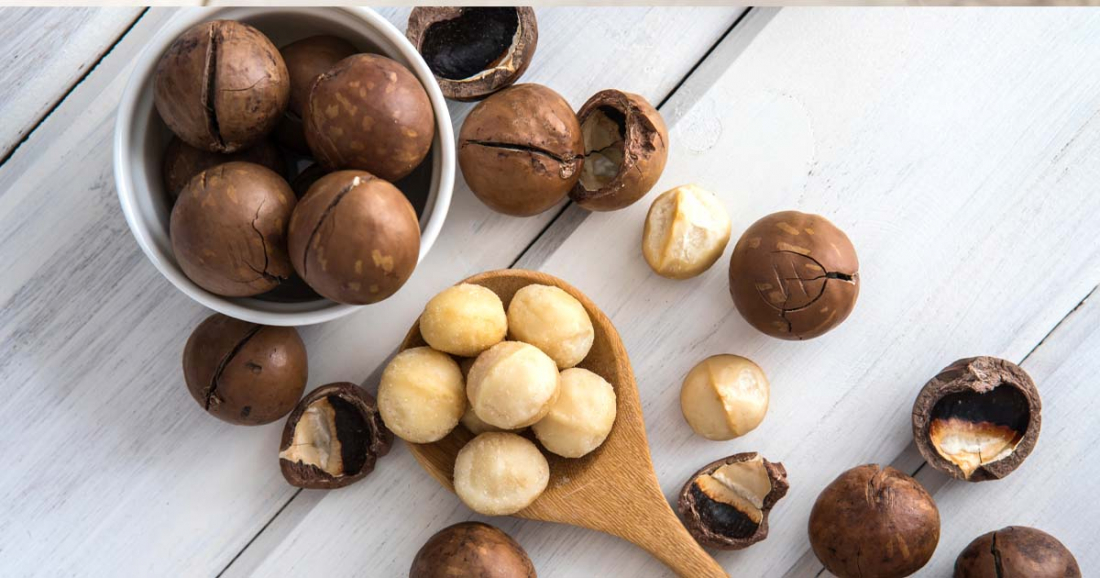
Macadamia nuts are among the fattiest nuts, but they contain a wide range of vitamins and minerals in addition to fat.
What to take away from today's article?
The main thing you should take away from today's article is that your diet should be as varied as possible and even if you try to have as much protein in your diet as possible, you are definitely not fixated on the same foods over and over again. So, from time to time, swap your usual staples for ghee, avocado, good quality chocolate, tofu, tempeh, miso or even macadamia nuts without any worries. Firstly, you will have a pleasant change of diet and secondly, you will provide your body with a huge amount of vitamins, minerals and other beneficial substances.
Recommended
No posts have been made yet.