Omega-3 fatty acids - a key nutrient for health
 Author:
 Omega-3 fatty acids are an important nutrient for health. They are an indispensable component of cell membranes and affect a wide range of bodily processes. We can safely say that they are one of the absolutely key nutrients that our body needs for optimal functioning and overall health - they are essential for the proper functioning of the immune, pulmonary, cardiovascular, nervous and endocrine systems. A deficiency of these nutrients can have a profound effect on our health. So today, let's take a look together at what they are responsible for, how we can tell if we are deficient in them in our diet and how to easily fix it.
Content:
- What are omega-3s?
- What are the health benefits of consuming omega-3 fatty acids?
- The key relationship between omega-3 and omega-6
- How do I know if I'm lacking omega-3 fatty acids?
- What is the optimal dose and what sources to look at to increase my daily intake?
- What can I take away from this article?
Theoretical window - what are omega-3s?
Omega-3s are a specific type of polyunsaturated fatty acid (PUFA). This means that they contain more than one double bond in their chemical structure. The "3" indicates where the first double bond occurs in the chemical structure. These are essential fatty acids, which means they are essential for health, but the human body cannot make them on its own. For this reason, it is important to take them in the diet or through a supplement. The most important omega-3 fatty acids are eicosapentaenoic acid (EPA), docosahexaenoic acid (DHA), and their essential precursor alpha-linolenic acid (ALA).
Eicosapentaenoic acid (EPA)
EPA is a 20-carbon fatty acid found abundantly in oily fish such as salmon, sardines, mackerel and herring, and is also found in krill oil. For vegans, there is also the option of seaweed oils. Its most important function is that it produces important signaling molecules called eicosanoids in the body that reduce inflammation. It also plays an important role in preventing the development of mental illness, especially depression.
Docosahexaenoic acid (DHA)
This 22-carbon molecule is also found in fatty fish, krill oil and seaweed. It is an important structural component of cell membranes, especially in nerve cells and the brain. It is also key in pregnancy, as it is absolutely essential for fetal development. Docosahexanoic acid is also present in large quantities in breast milk.
Alpha-linolenic acid (ALA):
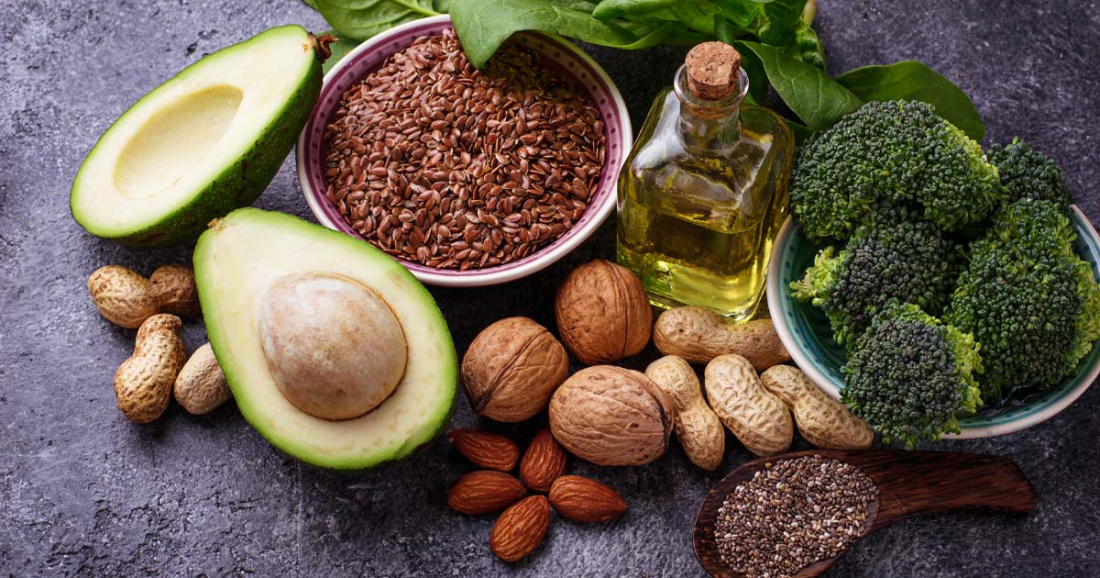
This omega-3 fatty acid is found mainly in plant sources and is the most commonly consumed. It is found in green leafy vegetables, flax and chia seeds, walnuts and their oil, and soya and rapeseed oil. Although we take in the most of it, there's a catch. ALA is a short-chain acid. This means that the body must first convert it into EPA and DHA (long-chain acid) in order to synthesize it. However, this conversion is relatively inefficient, and only about one percent of the total amount of ALA you consume is converted to the long-chain version your body needs. So it's much more efficient to focus directly on sources of EPA and DHA.

Health benefits of consuming omega-3 fatty acids
Promote cardiovascular health
One of the most important benefits of adequate intake of omega-3 fatty acids is the way they positively affect risk factors associated with the development of heart disease. Heart disease is the leading cause of death worldwide and affects millions of people worldwide. Fortunately, studies show that omega-3 fatty acids can help reduce several risk factors that influence the development of heart disease while helping to promote heart health.
Not only can they reduce the development of inflammation, but they can also lower triglyceride levels and increase levels of "good" HDL cholesterol. In addition, according to a study conducted in Iceland, eating omega-3-rich fatty fish three times a week can also reduce diastolic blood pressure, another major risk factor for developing heart disease. Last but not least, they can combat the development of metabolic syndrome.
.png)

Omega-3s are essential for proper brain function and good mood
Omega-3s also have neuroprotective and anti-inflammatory effects. Taking omega-3 fatty acids is often recommended for older people because they help reduce inflammation and promote cognitive function. According to research, omega-3s may also help treat neurodegenerative diseases such as Alzheimer's disease, dementia and bipolar disorder. Omega-3 fatty acids play a very important role in the prevention and treatment of depression. Many studies show a correlation between low omega-3 intake and a higher incidence of depression. Some studies even suggest that adequate intake of omega-3 fatty acids (specifically EPA) may have a similar effect to taking antidepressants.
They may affect sleep quality
If you have trouble sleeping, you may want to consider increasing your intake of omega-3 fatty acids, among other things. Some research suggests that low levels of omega-3 fatty acids may increase the risk of developing sleep disorders in children and obstructive sleep apnoea in adults. One reason for this may be that low levels of omega-3s are associated with lower production of melatonin, which is known as the sleep hormone, and sufficient production is crucial for optimal sleep.
A study in the Journal of Clinical Sleep Medicine that examined the association between fatty fish consumption and sleep quality concluded that eating three servings of omega-3-rich fatty fish per week had beneficial effects on sleep quality.

Promote bone and joint health
As we age, problems such as arthritis and osteoporosis begin to appear, increasing the risk of joint pain, fractures and reduced bone density. Studies show that adequate intake of omega-3 fatty acids can help keep bones and joints strong. Omega-3s may help increase calcium absorption, which could potentially protect against bone loss and reduce the risk of developing osteoporosis. They can also reduce inflammation and may be beneficial in treating rheumatoid arthritis, a chronic condition that causes stiffness, swelling and joint pain.
They can be effective in preventing cancer and the development of autoimmune diseases
More and more research is showing a direct link between how we eat and the development of cancer, making it increasingly clear that what we eat can affect our risk of developing cancer. In particular, foods rich in omega-3 fatty acids have been linked to a reduced risk of developing several types of cancer, such as breast, prostate, colon and pancreatic cancer. However, this area needs to be further investigated and the effects of omega-3 fatty acids in preventing the development of different types of cancer need to be confirmed and well mapped, as studies are often divided in their opinions.
A sufficient intake of omega-3 fatty acids may also help prevent the development of various autoimmune diseases such as diabetes, irritable bowel syndrome, sclerosis, arthritis, lupus and ulcerative colitis. Several studies have confirmed links between high omega-3 intake and a reduced risk of developing autoimmune diseases or improving symptoms of pre-existing diseases. Some research also suggests that the best protective effect occurs when omega-3 fatty acids are consumed in larger amounts in the first year of life.

Omega-3 - a very important nutrient for athletes
Of course, we must not forget that omega-3 fatty acids and their sufficient intake are very important for athletes. Active individuals will be particularly interested in their positive effect on recovery, anti-inflammatory effects, improvement of insulin sensitivity, and improved fat loss, as well as the support shown in studies for muscle mass growth. EPA and DHA have the ability to block muscle fibre breakdown. In fact, they increase the anabolic response to amino acid administration. For this effect, the use of omega-3 fatty acids with a carbohydrate- and protein-rich meal appears to be most appropriate.
In addition, research is emerging that suggests that DHA, in addition to its function as a producer of anti-inflammatory hormones, has the ability to stimulate the activity of fat-burning cells and may even help block their formation. In addition, these fats have also been found to help stimulate genes that help take up and store glucose in the muscles. To make matters worse, adequate intake of omega-3 fatty acids can also promote endurance, thanks to their ability to support cell regeneration.
Other benefits worth mentioning
In addition to the above, omega-3s are also crucial for eye health and good vision. In fact, DHA is a major component of the retina (making up to 60%) and a lack of it logically results in impaired vision. Omega-3s are essential in pregnancy, they are important for the proper development of the fetus and they also prevent a number of diseases such as ADHD, autism or cerebral palsy. A deficiency of omega-3 (especially DHA) in pregnancy can have fatal consequences. Studies have also found omega-3 fatty acids to be helpful in relieving menstrual pain. EPA and DHA are also essential for skin health, affecting skin hydration and elasticity, are effective in fighting acne, and may also have an antiaging effect.
The key ratio between omega-3 and omega-6
In order to reap all the benefits of omega-3 fatty acids mentioned above, we need to take in enough of them and also have their levels in the right ratio to omega-6 fatty acids. Omega-3 and omega-6 are two different types of polyunsaturated fatty acids. A healthy body needs both types in a certain ratio to function properly. This should be 2:1 to 3:1 in favour of omega-6. The problem is that omega-6s typically dominate our diet in a much more significant ratio, often as high as 10:1.
Omega-6 fatty acids are sometimes referred to as "the bad ones" but that's not entirely true. They are crucial for health, but the trouble is that we simply take in too much of them. This is due to the typical composition of the so-called Western diet, which is dominated by meat, cold cuts, refined oils, eggs and processed foods, while fatty fish, which is the best source of omega-3 fatty acids, is found very little in the diet.
This is partly due, of course, to the fact that we do not have direct access to the sea, but also to the traditional composition of Czech cuisine and the price of fish. If omega-6s are really predominant, health complications can arise, fat mass can increase, regenerative processes can be restricted or poorly managed and inflammation can increase, so we need to think about increasing the intake of omega-3 fatty acid sources and balancing the proportions between the different types of polyunsaturated acids.

How do I know if I am lacking omega-3 fatty acids?
There are a number of signs that you may be missing or getting too little omega-3 fatty acids in your diet. These don't always have to be serious symptoms, but if you're lacking these important fats, you may notice symptoms such as frequent depression, moodiness, irritability, impaired concentration and impaired memory. You may also notice symptoms on your skin, which may be dry, flaky, sensitive or irritated. The deficiency can also manifest itself in poor quality hair and nails. Muscle and joint pain, dehydration, or dry eyes are also common. If you are experiencing any of these symptoms, it may be time to focus on enriching your diet with sources of omega-3 fatty acids.
What is the optimal dose and what sources to focus on to increase your daily intake of omega-3 fatty acids?
The optimal amount of how much omega-3 fatty acids we should be consuming per day will, as with most other nutrition, be highly individual. It depends on physical disposition, genetic predisposition, physical activity, but also on the overall composition of our diet. A sort of general recommendation is to consume 1-3g of omega-3 per day. Ideally, omega-3 should be taken with food and specifically rich in carbohydrates and amino acids. A good time is in the morning or after a workout because omega-3s stimulate anabolic processes. It is better to divide the daily dose as digestive problems could occur.
Recommended

Prom-in Native Omega 3

Reflex Omega 3

Czech Virus Omega 3 MAX

GymSupps Omega 3

Omega 3 240cps 1+1
If you're worried that your diet is low in these beneficial fats, or you're experiencing some of the symptoms of deficiency listed above, try one of the following tips to help you easily boost your omega-3 fatty acid levels.
1) Treat yourself to fatty fish several times a week
One of the easiest ways to get a good dose of omega-3 fatty acids is to eat fatty fish regularly. Many experts recommend eating fish at least 3 times a week. Some of the fish richest in these beneficial fats are salmon, mackerel, sardines, halibut, anchovies or tuna. If possible, choose wild fish over farmed fish, which have lower concentrations of omega-3 fatty acids.
2) Enrich your diet with other food sources of omega-3
Another way to ensure your body gets enough omega-3 fatty acids is to increase your intake of foods that contain them. Although oily fish is considered the best source, you can also add walnuts, flax, hemp and chia seeds or egg yolks to your diet. Natto is also a pretty good source of omega-3 fatty acids. Nuts such as Brazil nuts, cashews or hazelnuts are also sources of omega-3s, but they contain mostly ALA, which is difficult for the human body to transform to be usable, so we would need to take in a lot of these sources. Conversely, we should limit processed foods, semi-processed foods, solid and trans-saturated fats, excessive intake of sausages and refined oils.
3) Take a supplement!
Supplementation is the most convenient way to ensure your body gets enough of those important fats. We do get a certain amount from our diet, but in most cases it is not enough, especially if fish is not on your list of favourite foods, so omega-3 fatty acids in the form of fish oil should have pride of place in everyone's supplementation, along with a good multivitamin, whether we are active athletes or not.
But don't underestimate proper selection when buying a supplement, as many fish oil supplements contain mercury and/or other harmful contaminants. Therefore, always purchase supplements (not just an omega-3 supplement) from a reputable source that clearly tests for these harmful contaminants and study the exact ingredients of any supplements you purchase. Supplements can come in two forms - TG (triglyceride) and EE (ethyl ester). The main difference between the TG and EE forms is their bioavailability. The TG form has 70% higher bioavailability and triglycerides have 36-48% better absorption than ethyl esters, sowe recommend choosing a supplement based more on triglycerides. Even vegans will not miss out, as vegan supplements are now available. Even with fish oil, too much of anything is bad for you and excessive intake can cause stomach upset.
What to take away from this article?
Omega-3 fatty acids are a very important part of the diet and affect a wide range of health-related aspects. For example, they are important for heart, brain and joint health, but they can also help us with recovery and building muscle mass. Unfortunately, we are one of the nations that often lack these important fats in our diets. Today, in addition to all the benefits that omega-3s offer, we've looked at how we can tell when we're lacking them and how we can easily replenish them. We should include more fatty fish in our diets, and there's no harm in supplementing these extremely important substances with a supplement either. Your health will thank you.
Sources:
Simopoulos A. P. (2002). The importance of the ratio of omega-6/omega-3 essential fatty acids. Biomedicine & pharmacotherapy = Biomedecine & pharmacotherapie, 56(8), 365-379. https://doi.org/10.1016/s0753-3322(02)00253-6
Simopoulos A. P. (2002). Omega-3 fatty acids in inflammation and autoimmune diseases. Journal of the American College of Nutrition, 21(6), 495-505. https://doi.org/10.1080/07315724.2002.10719248
Leaf A. (2008). Historical overview of n-3 fatty acids and coronary heart disease. The American journal of clinical nutrition, 87(6), 1978S-80S. https://doi.org/10.1093/ajcn/87.6.1978S
Grosso, G., Galvano, F., Marventano, S., Malaguarnera, M., Bucolo, C., Drago, F., & Caraci, F. (2014). Omega-3 fatty acids and depression: scientific evidence and biological mechanisms. Oxidative medicine and cellular longevity, 2014, 313570. https://doi.org/10.1155/2014/313570
Oliveira, J. M., & Rondó, P. H. (2011). Omega-3 fatty acids and hypertriglyceridemia in HIV-infected subjects on antiretroviral therapy: a systematic review and meta-analysis.HIV clinical trials, 12(5), 268-274. https://doi.org/10.1310/hct1205-268
McGlory, C., Calder, P. C., & Nunes, E. A. (2019). The Influence of Omega-3 Fatty Acids on Skeletal Muscle Protein Turnover in Health, Disuse, and Disease. Frontiers in Nutrition, 6, 144. https://doi.org/10.3389/fnut.2019.00144
Johnsen, S. H., Jacobsen, B. K., Brækkan, S. K., Hansen, J. B., & Mathiesen, E. B. (2018). Fish consumption, fish oil supplements and risk of atherosclerosis in the Tromsø study. Nutrition journal, 17(1), 56. https://doi.org/10.1186/s12937-018-0364-8
Bouzianas, D. G., Bouziana, S. D., & Hatzitolios, A. I. (2013). Potential treatment of human nonalcoholic fatty liver disease with long-chain omega-3 polyunsaturated fatty acids. Nutrition Reviews, 71(11), 753-771. https://doi.org/10.1111/nure.12073
Hoare, S., Lithander, F., van der Mei, I., Ponsonby, A. L., Lucas, R., & Ausimmune Investigator Group (2016). Higher intake of omega-3 polyunsaturated fatty acids is associated with a decreased risk of a first clinical diagnosis of central nervous system demyelination: results from the Ausimmune Study. Multiple Sclerosis (Houndmills, Basingstoke, England), 22(7), 884-892. https://doi.org/10.1177/1352458515604380
Paul D. Terry, Jennifer B. Terry, Thomas E. Rohan, Long-Chain (n-3) Fatty Acid Intake and Risk of Cancers of the Breast and the Prostate: Recent Epidemiological Studies, Biological Mechanisms, and Directions for Future Research, The Journal of Nutrition, Volume 134, Issue 12, December 2004, Pages 3412S-3420S, https://doi.org/10.1093/jn/134.12.3412S
Kruger, M. C., & Horrobin, D. F. (1997). Calcium metabolism, osteoporosis and essential fatty acids: a review. Progress in lipid research, 36(2-3), 131-151. https://doi.org/10.1016/s0163-7827(97)00007-6
Peuhkuri, K., Sihvola, N., & Korpela, R. (2012). Dietary factors and fluctuating levels of melatonin. Food & nutrition research, 56, 10.3402/fnr.v56i0.17252. https://doi.org/10.3402/fnr.v56i0.17252
https://www.sciencebasedhealth.com/Fish-Oil-EE-vs-TG-omega-3s-which-is-better-W119.aspx
No posts have been made yet.