Soluble fibre: 5 easy ways to get it into your diet
 Author:
 Soluble fibre is one of the most talked about components of our diet and many studies show that sufficient intake is really important for the health of the intestinal tract. It probably goes without saying, then, that a healthy lifestyle should consist not only of sufficient physical activity and a diet rich in essential macronutrients, but also a sufficient intake of dietary fibre. In this article, we will therefore introduce what soluble fibre actually is, how it works in our bodies and the ideal ways to supplement it.
Article content:
- What is soluble fibre?
- What is the function of soluble fibre in the body?
- What are the effects of soluble fiber on health?
- Where can we find soluble fibre?
What is soluble fiber?
If you read our articles regularly, you will know that we have partly touched on this topic, for example in the article entitled Why should fibre be part of every meal? There we wrote, among other things, that fibre is a specific polysaccharide, which our body, unlike starch in potatoes or rice, cannot fully convert into simple sugars and then use them. Thus, there is almost no modification in the digestive tract, but it is still incredibly important for our body. Soluble fibre in particular is specific in that it dissolves in water, and this has a number of practical consequences that are worth outlining in the following paragraph.
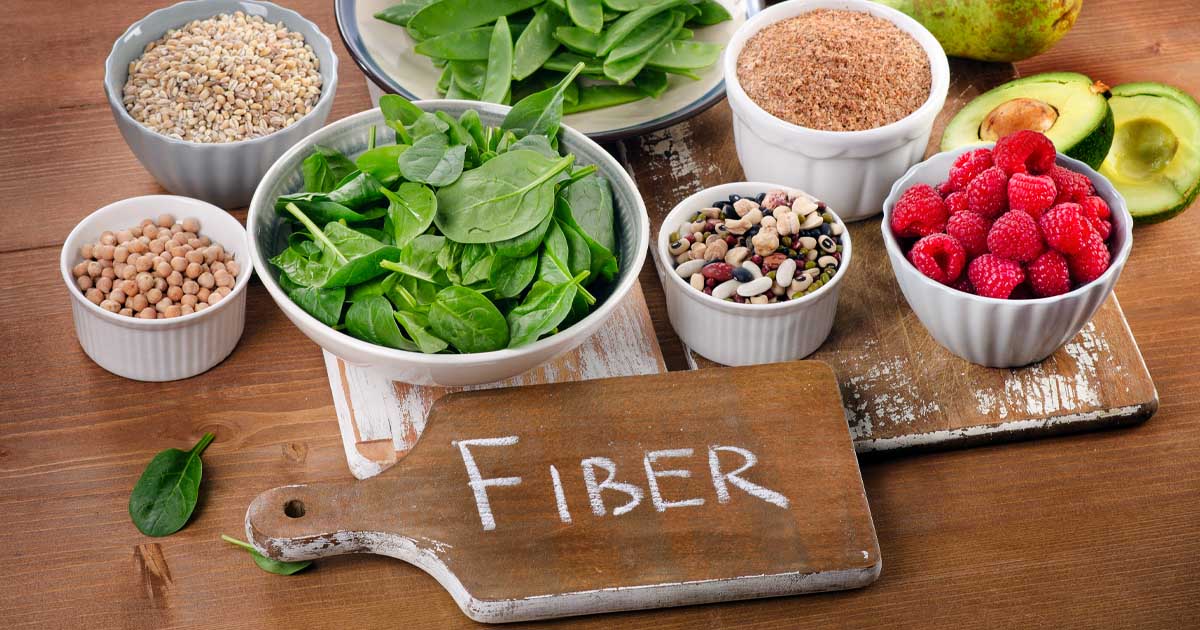
"A healthy diet is usually rich in fibre. You can find it in fruits and vegetables, cereals and nuts."
What is the function of soluble fibre in the body?
Insoluble fibre, which can be found primarily in cereals, passes through our tract unchanged and therefore, for example, has no calories. With soluble fibre, however, it is different, because it is transformed into a gel that can be partially digested when mixed. This also means that soluble fibre has a certain amount of calories - expert sources often talk about 1 to 2 kcal per gram of soluble fibre. By forming the aforementioned gel in the intestines, it helps to induce a feeling of satiety and serves as food for the intestinal bacteria.
What are the health effects of soluble fibre?
Although insoluble and soluble fibre are largely different, as we touched on in part in our article on the role of fibre, both are important for our health and many foods contain both types of fibre at the same time. Nevertheless, let's take a look at the benefits of soluble fibre in particular:
It acts as a prebiotic
The main benefits and effects of soluble fibre include its ability to act as a prebiotic. This means that it provides food for healthy gut bacteria, making it one of the essential factors important for the proper functioning of our gut microbiome. Many types of soluble fibre have been shown to be prebiotics, so it is definitely worth ensuring that we get enough of this nutrient.

For the proper functioning of the microbiome, it is important to ensure, among other things, a proper intake of fibre.
It can help in the diet
Soluble fibre forms the aforementioned gel, which, according to expert research, also helps to slow down the rate at which the stomach releases digested food into the intestines. Some studies have even linked higher soluble fibre intake to lower visceral adipose tissue. Other research has also shown that higher soluble fiber intake reduced the production of ghrelin, the hormone responsible for our appetite. Although the aforementioned work was done on obese women, it is possible that there is a link between fiber intake and appetite reduction, so fiber may be a good prevention of obesity.
May contribute to microbiome diversity
Our gut bacteria can weigh up to two kilograms in some cases, and as you can probably guess, there are really many different types of these bacteria. In fact, some evidence suggests that a greater diversity of these gut bacteria may be associated with a lower risk of type 2 diabetes or cardiovascular disease, for example. Other research has also suggested that there may be a link between soluble fibre consumption and gut bacterial diversity.
In addition, however, some expert sources suggest that it may have an effect on blood sugar levels and cholesterol reduction may be related to its intake. In short, there are a number of good reasons to pay attention to soluble fibre intake.
Where can we find soluble fibre?
Generally speaking, soluble fibre can be divided into a number of different types, the most well-known of which are pectin, found in fruit, inulin, found in chicory, for example, or psyllium, which is often sold in the form of food supplements. Foods containing high amounts of soluble fibre include black beans, avocados, sweet potatoes, broccoli and a wide variety of fruits from apricots to nectarines and figs to pears and apples. A good source can also be a variety of seeds, which we have written about in our multi-part seed guide and which you can find in a separate category in our shop.

Black beans can be used to make all sorts of spreads and are extremely popular in Mexican cuisine, for example.
How to increase soluble fibre intake?
Although fibre (not just soluble fibre) is extremely important for our bodies, many people take it lightly and if, for example, you have a very high proportion of processed foods in your diet, your fibre intake is probably not going to be that great either. Nevertheless, we have some simple tips for you to increase your soluble fibre intake - although it should be noted that they could all be summed up in the single rule of "just eat the rainbow", which we have covered in detail in a previous article.
- Think vegetables
Vegetables go well with almost every main course, and of course they're a great way to get a good portion of not only fibre, but also a variety of vitamins and minerals. If you tend to forget about vegetables, it's definitely not a bad idea to eat a portion of them before you start eating.
- Use nuts and seeds
Another relatively simple way to supplement fiber can be to use nuts or seeds. While you can add chia seeds to your diet quite easily by mixing them into yoghurt or porridge, for example, nut butters are perfect for all sorts of baking, as well as on some wholemeal bread or in smoothies.
(Here could be a banner referring to some nut butters.)
- Eat legumes regularly
Legumes should be an important part of a balanced diet and are also a good food for a healthy lifestyle. Lentils, peas and even beans like these contain a good portion of fibre in addition to protein and various minerals. So we definitely recommend reaching for less traditional ingredients such as chickpea hummus, for which you can find a recipe in our #varimefit article series.
- Try supplements
If you're worried about whether you're getting enough fibre in your diet, you can certainly try supplements too. As we've mentioned once before within this article, soluble fiber can take multiple forms. Probably the most well-known is therefore the aforementioned psyllium, which you can find in supplements such as GreenFood Psyllium or Allnature Psyllium BIO, for example. However, another option is to take supplements containing inulin, such as Synerbio from Viridian.
(here again, there might be a product banner with fiber)
- Try non-traditional side dishes
If you prefer the same side dishes in your diet, we definitely recommend trying something new. We've already mentioned some alternatives in our article on non-traditional carbohydrates, for example, but for soluble fibre content it's worth mentioning quinoa, amaranth or bulgur. On the one hand, you will avoid the stereotype of using side dishes and on the other hand, you will enrich your diet with a variety of interesting micronutrients.

Bulgur with vegetables is great on its own and as a side dish. And it also contains soluble fibre.
Safety of soluble fibre
In reasonable quantities, fibre is of course extremely important for our bodies. But it is definitely not true that the more you take in, the better. On the contrary, you should try to keep your intake to some reasonable level, which according to most sources is about 25 to 30 grams per day. If you exceed this amount regularly and significantly, you may experience side effects in the form of intestinal problems including gas, diarrhoea or constipation, as well as impaired absorption of certain micronutrients, including medicines. It is therefore a good idea to have at least a rough idea of how much fibre you are taking in per day, and it is also a good idea to keep an eye on how your body reacts to this amount of fibre.
What can you take away from this article?
In conclusion, it is worth repeating once again that soluble fibre, like insoluble fibre, is a really important component of a balanced diet. As well as acting as a prebiotic, it also has potential use in weight loss and can contribute to microbiome diversity, which is really important. Therefore, think about its sufficient intake, which you can supplement with vegetables, fruits, legumes, some types of side dishes and, of course, also with supplements, which you can find under our Digestive Support category.
Recommended
GreenFood Vláknina Psyllium
VitaHarmony Vláknina 700mg
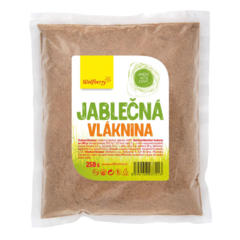
Wolfberry Jablečná vláknina
No posts have been made yet.