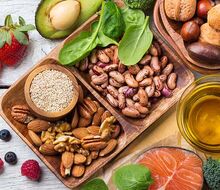
Do you have problems with your fibre intake? Try the miracle of psyllium!
 Author:
 We have recently devoted a whole article to fibre on our website. But let's get a little more specific today. Have you ever heard of psyllium? Psy-what? No, we're not trying any incantations on you here! Psyllium is a type of fiber that is very interesting in terms of the benefits it can offer. Fiber is a relatively underrated component of the diet, are you ready for our little theoretical window in which we'll take a closer look at the aforementioned psyllium and its effects?
Article content:
- Psyllium, relief for full bowels
- Psyllium as a cure for the common cold
- It can have a good effect on your heart
- And finally... a source of underrated prebiotics.
- Other beneficial effects for the body:
- This all sounds really great, but.. do we have any side effects too?
- What is the optimal daily dose and duration of use?
- What to take away from the article?
What is psyllium?
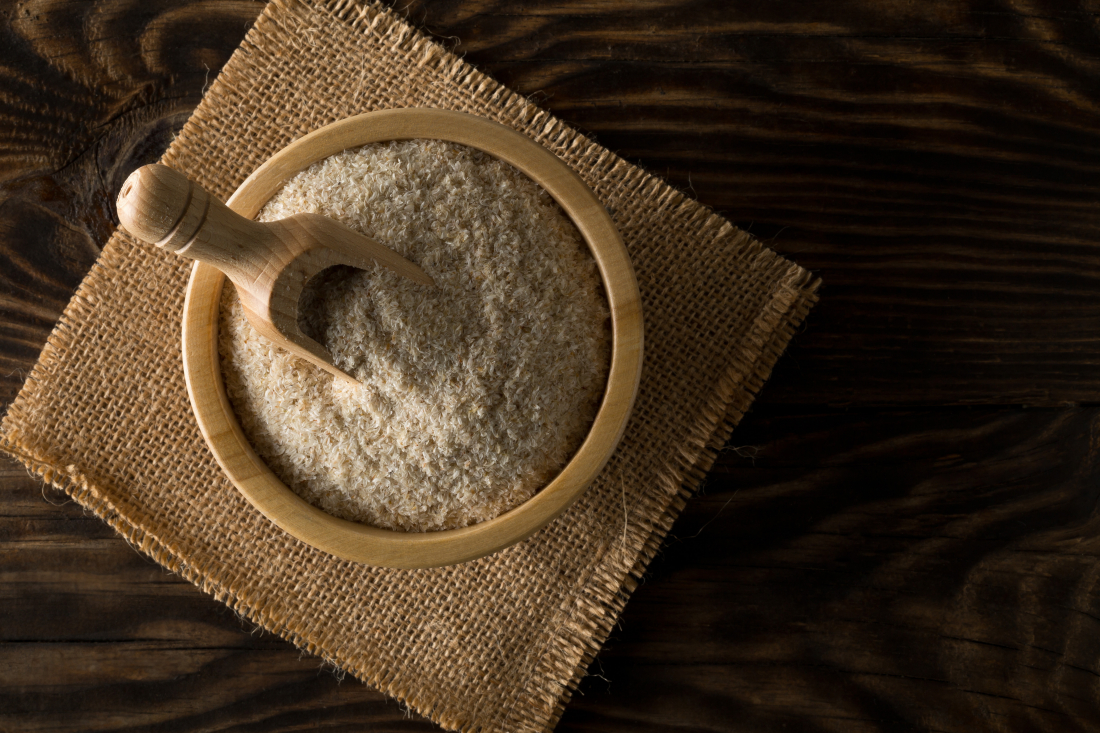
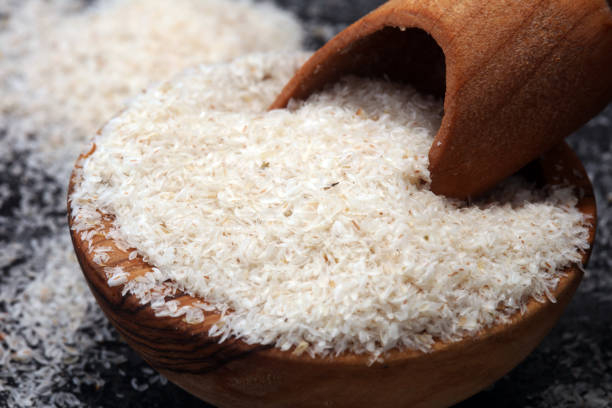
Psyllium is a type of soluble fiber that is obtained by grinding the seeds of the Indian plantain (Plantago ovata). It is most commonly (logically, that is) found in India, where traditional Indian Ayurvedic medicine has used it for medicinal purposes for over 2000 years. In our country we can very often find psyllium in the form of a dietary supplement, in various forms, but most often in capsules or powder, but we can also take it in some bakery products that are enriched with psyllium.
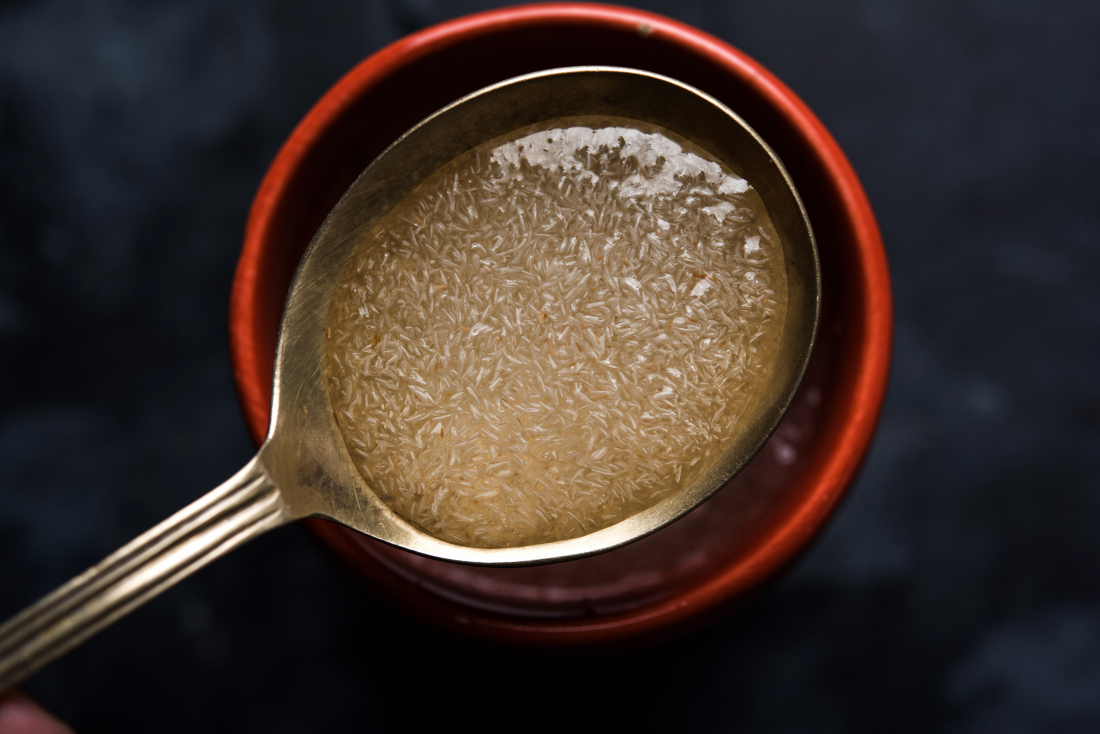
This type of fibre is a very effective natural substance in the treatment of digestive and bowel problems. Due to its excellent water solubility, psyllium has the ability to draw large amounts of water into itself and form a viscous substance that is not digested in the small intestine. The psyllium therefore swells on contact with water and forms a thick gel. In the stomach, this increases the volume of the diet(NOT the caloric content!), increases the gastric emptying time and increases the time of carbohydrate absorption from the intestines. In the intestines, the gel promotes peristalsis during its passage and positively influences the course of digestion, when natural cleansing of the intestines (especially the colon) occurs.
Psyllium therefore increases its volume several times when in contact with liquid - even up to 40 times, which is why it is necessary to increase fluid intake when taking it . Unlike other types of fibre, psyllium is very well tolerated and this makes it a great help to our organism. Yes, this indigestible viscous substance has indeed many benefits - let's imagine some.
Psyllium helps to lower blood sugar levels
Fiber helps regulate blood sugar levels after meals, lowering insulin levels and blood sugar concentrations. This is especially true for water-soluble types of fiber, which psyllium is. Scientific sources even agree that psyllium is much more effective in this respect than other types of water-soluble fibre found, for example, in wheat bran. This advantage is probably due to the properties of psyllium - i.e. that this gel-forming fibre can slow down the digestion of food, which helps to regulate blood sugar levels.
Because psyllium slows down the digestion of food, it is recommended to take it ideally before meals or in combination with meals to maximise its effect on blood sugar levels. Due to its ability to regulate blood sugar levels, psyllium is widely used in the treatment of type II diabetes. For example, there are studies that have investigated the effect of psyllium on blood sugar levels in diabetics, and the results clearly show the benefits of psyllium - when 5g of psyllium fibre was taken 3 times a day, after six weeks, diabetics experienced a 29% reduction in blood sugar fluctuations. So psyllium clearly offers a helping hand to all diabetics and people who have problems with blood sugar fluctuations.
Fiber = a great helper during the reduction period!
If you read our magazine regularly, this point will not surprise you too much. Fibre is well known and widely used in weight loss regimes for its ability to induce a feeling of satiety for longer periods of time. And this is most certainly the case with psyllium! As we mentioned in the introduction, psyllium, when in contact with water, forms a "gel" in the digestive tract that causes a longer satiety, and you can thus describe this fiber as a super helper in terms of regulating hunger and cravings, which therefore leads to helping us consume fewer calories by making us feel fuller for longer. However, of course, this doesn't mean that you'll only eat psyllium now! The key to successful reduction is, of course, creating a reasonable calorie deficit and filling it in the form of a wholesome diet. Soluble fiber is only a small piece that may, or may not, help you.
It helps regulate cholesterol levels
Another one of psyllium's great benefits lies in its help in regulating cholesterol levels. Psyllium binds to fats and bile acids, making it easier to eliminate them from the body. And as the body tries to replace the bile acids, the liver starts to make them again, which is what the cholesterol is needed for. This process leads to lower cholesterol levels in the blood, as the excess cholesterol is used up to produce new bile acids.

Studies show that including psyllium in the diet leads to lower levels of LDL (the "bad" cholesterol) and there are also studies that show that it has a positive effect on HDL - that is, that it increases HDL (the "good" cholesterol).Interestingly , the results of an analysis of 21 studies on the effects of psyllium on cholesterol levels also confirmed that the reduction in LDL cholesterol and total cholesterol in the blood depended on the dose of psyllium taken. Specifically, a daily dose of psyllium of around 20 grams resulted in a higher reduction in LDL cholesterol and total cholesterol than a daily dose of 3 grams of psyllium.
Psyllium, relief for full bowels
Psyllium acts as a bulking laxative. It increases the volume of stools, helping to relieve full bowels and thus relieve constipation. Psyllium first binds to digested food that passes from the stomach into the small intestine. It is in the small intestine that psyllium absorbs water, which increases the volume and moisture of the stool. This process allows undigested residues to pass more quickly through the digestive system. Studies conducted on chronic constipated individuals show that taking 5g of psyllium twice a day significantly increased the water content of the stool, its volume and the total number of stools per day.
Psyllium as a treatment for diarrhea
You're saying that this is nonsense because diarrhea (or diarrhea, if you will) is the opposite of constipation, and yet above we said that psyllium helps with constipation and now suddenly we're saying it helps with diarrhea? The two really don't go together... is that possible? It really is, we're not kidding you. A number of studies suggest that you can use psyllium even if you have the opposite problem to constipation. In fact, the principle of how psyllium works as an aid for diarrhea is similar to how it works to treat constipation. We have already seen that psyllium can draw large amounts of water into itself, which helps both to increase the volume of stool, but also to slow its passage through the colon. One study looked at the effects of psyllium in patients with diarrhea caused by lactose intolerance. Taking 3.5g of psyllium 3 times a day increased gastric emptying time from 69 minutes to 87 minutes, resulting in a significant reduction in toilet visits.
It can have a good effect on your heart
Incorporating water-soluble fibre - such as psyllium, of course - into your diet helps to lower triglyceride levels in the blood, which can help to lower blood pressure and reduce the risk of developing cardiovascular disease. Research suggests that psyllium may actually work very effectively in this regard! When administered at a dose of 5g three times a day for six weeks, subjects experienced a reduction in blood triglyceride levels from a whopping 26%. As far as blood pressure lowering research is concerned, there is no debate about the positive effects there either! For example, a study on obese patients showed that 7 grams of psyllium per day for 12 weeks can reduce blood pressure by up to 7%, which is very beneficial for the cardiovascular system!
And finally... a source of under-appreciated prebiotics.
Prebiotics are a micro-component of the diet that is very often totally overlooked, yet so important. What exactly are prebiotics? They are non-digestible substances that serve as an energy source for beneficial gut bacteria, thereby promoting their development and growth. And psyllium in particular is considered to have significant prebiotic effects. Although psyllium is somewhat resistant to fermentation, the intestinal bacteria can still process at least some of the psyllium fibre. Fermentation by intestinal bacteria produces short-chain fatty acids (SCFAs), which are very beneficial to the human body.
In addition, the fermentation of psyllium fibre is slower than that of other types of fibre, which means that unpleasant side-effects such as bloating and flatulence do not occur as often, or at least not to the same extent as in the case of other types. Psyllium is widely used by patients suffering from ulcerative colitis as it can relieve digestive problems in up to 70% of patients. Combined with probiotics, this fibre is a very useful supportive supplement in the treatment of Crohn's disease or ulcerative colitis.
Other beneficial effects for the body:
- Prevention of colon cancer,
- counteracts heart disease,
- helps with diabetes,
- helps in the treatment of haemorrhoids,
- treats irritable bowel syndrome and other digestive disorders.
That all sounds really great, but.. do we have any side effects?
Like everything in the world, psyllium has its BUTs. Most people tolerate it very well. Doses in the range of 5 - 10 grams taken three times a day have no serious side effects. However, individuals more sensitive to fiber intake may experience abdominal cramping, bloating or flatulence. Also, beware of taking too large a dose, which will bring these unpleasant problems with virtually 100% certainty. Psyllium can also interfere with the absorption of some medications, so it is not a good idea to take it with other medications or vitamins. Excess amounts of psyllium (usually more than 60 g per day) can also cause a decrease in the ability to absorb iron, calcium or magnesium.
What is the optimal daily dose and duration of use?
As we mentioned above, psyllium can be taken in doses of 5-10 g up to three times a day, either with or just before meals. However, it is definitely true that less is sometimes more. In case you are starting to take psyllium, it is advisable to start on small doses and gradually add more to avoid unpleasant digestive problems due to a one-time increase in fiber intake. However, even after adapting to its intake, you don't have to overdo it - psyllium has a lot of health benefits, but most scientific studies confirm that the positive effects of psyllium are best seen in a healthy individual at a dosage of 3-20.4 grams per day.
It's important to note that psyllium binds water to itself, so it's imperative to supplement your intake with plenty of water while drinking plenty of water throughout the day.
What to take away from the article?
Psyllium is a very beneficial fiber that offers many benefits. Diabetics, people suffering from Crohn's disease or ulcerative colitis, as well as anyone who does not have any health problem can benefit from its effects. Psyllium can help with adjusting blood pressure, cholesterol, and can help increase satiety, making it a great supplement in weight loss diets. Last but not least, it is very beneficial for the bowel function - so if you suffer from constipation or on the contrary diarrhea, psyllium can help you from these problems very easily. The benefits are many, but it is worth sticking to the "less is more" rule and not overdoing it with the dosage. Nevertheless, we can say that psyllium is an amazing natural supplement that you definitely can't go wrong with!
Recommended
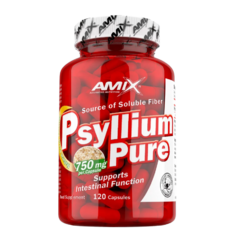
Amix Psyllium pure 1500mg
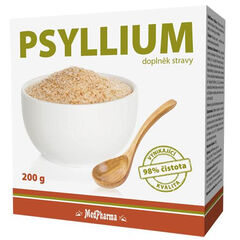
MedPharma Psyllium
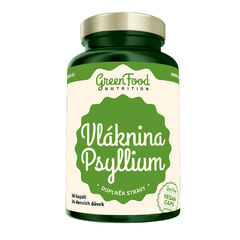
GreenFood Vláknina Psyllium
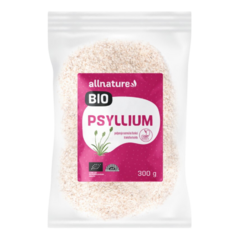
Allnature Psyllium BIO
Sources:
https://www.ijsr.net/archive/v4i9/SUB158459.pdf
https://www.ncbi.nlm.nih.gov/pubmed/17329047
https://www.ncbi.nlm.nih.gov/pubmed/7829013
https://www.ncbi.nlm.nih.gov/pubmed/10966900
https://www.ncbi.nlm.nih.gov/pubmed/9663731
https://www.ncbi.nlm.nih.gov/pubmed/21082352
https://www.ncbi.nlm.nih.gov/pubmed/9459381
https://www.ncbi.nlm.nih.gov/pubmed/16154305
https://www.ncbi.nlm.nih.gov/pubmed/9747644
https://www.ncbi.nlm.nih.gov/pubmed/20147463
https://www.ncbi.nlm.nih.gov/pubmed/7647826
https://www.ncbi.nlm.nih.gov/pubmed/18985059
https://www.ncbi.nlm.nih.gov/pubmed/8984124
https://www.ncbi.nlm.nih.gov
No posts have been made yet.