





What is the role of fibre, which is often neglected in our diets?
 Author:
 We've probably all heard about the importance of fibre. But what is its role in the body and how does fibre benefit us? Let's start with a surprising fact - fibre is a carbohydrate. There is a lot of evidence that shows that fibre has health benefits for the body, but not all types of fibre are equally beneficial, so let's talk more about fibre.
What exactly is dietary fibre?
Simply put, fibre is a partially digestible and partially non-digestible polysaccharide found in many foods, especially those in the health food category. The basic division of fibre is based on its solubility in water into:
SOLUBILE FIBRE - The name implies that it is water soluble and can be metabolised by beneficial bacteria in the gut.
INSOLUBLE FIBRE - This is not soluble in water.
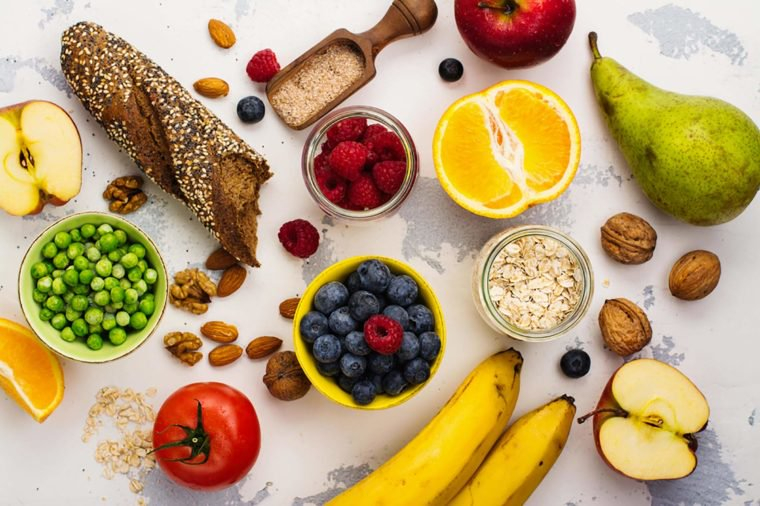
However, a more efficient way of dividing it is fermentable (i.e. one that can ferment) and non-fermentable, as this division takes into account whether or not the fibre is usable by gut bacteria. It is important to remember that there are many different types of fibre. Some have significant health benefits, while others are virtually useless. Soluble and insoluble types often intermingle. Most foods contain both soluble and insoluble fiber, and it is not always the case that insoluble fiber is unusable - that is, even some insoluble types can be used by bacteria in the gut.
Bacteria? Well, wait a minute.
Yes, the word "bacteria" came up several times in the opening paragraph, are you scared of infections? Be calm, and let's explain a bit. In fact, our entire body is made up of bacteria, which even outnumber the cells - 10 bacteria per cell, to be exact. Bacteria live on the skin, in the mouth and in the nose, but the vast majority live in the intestines, especially the small intestine. About 500 different species of bacteria live there, representing roughly 100 trillion cells. These gut bacteria are also known as gut flora. And these are definitely not bad bacteria! On the contrary. In fact, there are mutually beneficial relationships between us and the bacteria living in our digestive system. We provide them with food and a safe space for them to live, and in return they help with tasks that the human body cannot do on its own.
Some of these bacteria are important forweight reduction, the immune system, blood sugar control, bowel movements and brain function. Now, you may be wondering what the fibre has to do with all this. Well, bacteria, like any other living organism, need nutrition to survive and produce energy, which we supply through our diet. The problem is that most of the carbohydrates, proteins and fats are absorbed into the bloodstream before they reach the colon, which is why it's important to consume fiber. Human cells do not have enzymes that digest fiber, so it reaches the small intestine virtually unchanged. In contrast, gut bacteria have enzymes that allow them to break down large amounts of fiber. It is the nutrition of gut bacteria that is the biggest reason why its intake is important, as these bacteria act as prebiotics.
These bacteria also produce some of the important nutrients for the human body, such as short-chain fatty acids like acetic, propionic or butyric acid. Butyric acid (butyrate) in particular is very important for our health. Short-chain fatty acids serve as 'fuel' for cells in the large intestine, which helps to suppress the development of inflammation in the digestive tract and contributes to the treatment of many digestive diseases such as irritable bowel syndrome, Crohn's disease and ulcerative colitis. Fibre is known to cause bloating when consumed in large quantities, due to the production of gas during the digestion of fibre by bacteria.
So what are the main benefits of fibre?
The feeling of fullness or the effect of fibre on weight loss
Opinions vary widely on whether or not fibre is important for weight loss, but the fact is that fibre, because it is difficult to digest and binds water to itself in the gut, slows nutrient absorption and increases satiety. Thus, meals richer in fibre will fill you up more with less than calorie-dense meals without fibre. This fact allows you to consume fewer calories because fiber induces a greater feeling of satiety than calorie-rich foods without it, such as fast food or other processed foods. Eating a meal with plenty of fiber will help you maintain satiety longer during meals, which, according to studies, can ultimately reduce the total amount of calories you consume.

Controlling blood sugar fluctuations
It's also a fact that foods with fiber have a lower glycemic index than foods without it in most cases. Such foods keep sugar levels virtually in balance, which is actually a prerequisite for maintaining a feeling of satiety for longer.

Strengthening the immune system and lowering cholesterol
As mentioned in the opening lines. Fiber is important for gut bacteria. And the gut is said to be the cornerstone for the immune system! If you're interested in how the state of the gut microbiome affects our doggies, check out this article.
Having more beneficial bacteria residing in our digestive tract can lead to a reduction in the development of inflammation, disease, as well as lower blood pressure or cholesterol. However, the specific effects on cholesterol levels depend on the type of fiber, and studies confirm that increased intake of certain types of fiber can actually lower cholesterol levels significantly.
Digestion
How could we forget one of the most important and well-known effects of fiber? Fibre tends to increase the contents of our intestines and improve water absorption, and because of this it speeds up the movement of food through the intestines and helps us with bowel movements. However, this process takes place provided we drink enough. Of course, as we mentioned in the introduction, the digestion of fibre by bacteria can cause gas, so large amounts of it can cause a lot of mischief (you know what we're talking about O:)) However, these "side effects" of fiber digestion should subside once the body gets used to the higher intake. Still - if you are going to increase your dietary fiber intake, add it slowly. Not only for your own sake, but also for the sake of those around you.
Potential effect on life expectancy
Multiple studies demonstrate a positive association between the amount of fibre you take in through your diet and your life expectancy. One study examined the dietary fiber intake of nearly half a million European adults and found that those who ate more than 28 grams of fiber per day had up to a 24 percent lower risk of death than subjects who took less than 16 grams per day. But that doesn't mean that a diet lower in fiber increases your risk of death! Not at all! Only a diet rich in fiber is healthier in most cases, and it can POTENTIALLY increase your chance of living to a richer age.
How much fiber to consume?
Recommendations on this vary by association, but the most common numbers we see are 25g for women and up to 38g for men, but there is no scientific evidence to confirm that this amount is actually somehow generally best. In the case of fibre, MORE IS NOT BETTER. Apart from the 'side effects' of wind and bloating, high fibre intake also blocks the absorption of certain nutrients and minerals such as magnesium, sodium, calcium and potassium.
Recommended
GreenFood Vláknina Psyllium

VitaHarmony Vláknina 700mg
Wolfberry Jablečná vláknina
How to increase fiber intake
If you're not currently consuming enough fibre, don't despair. There is a very simple way to add fibre. Just choose the right foods. That being said, if you do add fiber to your diet, add it SLOWLY and GRADUALLY. Because you could experience a not very comfortable state in the form of bloating, flatulence, even abdominal cramping. Replace foods made from regular flour with whole grains, add more fruits, vegetables and legumes to your diet . It is also important to note that if you are adding fibre to your diet, you should also increase your fluid intake, as without sufficient fluid intake, fibre can have the opposite effect on digestion and cause constipation.
'Artificial' fibre (such as inulin), known as functional fibre, is added to some processed foods such as bars and baked goods to make the food appear healthier. However, recent studies show that this fibre can impair the absorption of natural fibre, so if you are going to increase your fibre intake, look for a natural source of fibre, preferably fruit or vegetables.
What can I take away from this article?
Fibre is an unjustly underestimated component of the diet, yet it is particularly important for the health and proper functioning of our digestive system. Not only does it "feed" your gut bacteria, fermentable fibre also creates short-chain fatty acids. Soluble fiber also helps to reduce appetite by inducing a feeling of satiety, as well as to lower cholesterol and reduce blood sugar spikes. The best way to increase your fiber intake is by eating enough fresh produce such as fruits and vegetables, legumes, or whole grain cereal products. However, it pays not to overdo it with the amount of fibre, as it can do more harm than good. Remember that increasing your fibre intake also means no adequate fluid intake!
Sources:
https://www.ncbi.nlm.nih.gov/pubmed/28512250/
https://www.ncbi.nlm.nih.gov/pubmed/8853402
https://www.ncbi.nlm.nih.gov/pubmed/21676152
https://www.ncbi.nlm.nih.gov/pmc/articles/PMC3257631/
https://www.ncbi.nlm.nih.gov/pubmed/26224864
https://www.ncbi.nlm.nih.gov/pubmed/23880340
https://www.healthline.com/health/food-nutrition/too-much-fiber
https://www.ncbi.nlm.nih.gov/pubmed/22648726
https://www.ncbi.nlm.nih.gov/pubmed/16918875
https://www.ncbi.nlm.nih.gov/pubmed/17183309
https://www.ncbi.nlm.nih.gov/pubmed/11396693
https://www.ncbi.nlm.nih.gov/pubmed/21810257
https://www.ncbi.nlm.nih.gov/pubmed/27863994
No posts have been made yet.








