Unconventional carbohydrates | What to enrich your diet with? We have 6 tips for you!
 Author:
 A bodybuilder's diet is, no matter how hard we try, to some extent a stereotype. The choice of meat is not unlimited, and so are the side dishes that meet the nutritional requirements. But how to enrich your diet at least a little? In today's article, we'll take a look at the most nutritionally valuable side dishes you may not have known about, which you can use with meat and sweet.
Article content:
Kamut
- 10 grams of protein, 7 grams of fibre and a whole host of vitamins and minerals led by zinc, selenium and vitamin B3.
- How to use it? In soups, salads and stews
- Where to buy it? In specialist health food shops or online
Although we could also mention spelt, amaranth or sweet potatoes in our article, the truth is that their popularity has been skyrocketing recently. So, to make our article special and really bring you some new tips, we will start with kamut. This is essentially the original variety of wheat that was and still is grown in the Middle East. The annual production of oriental wheat, as kamut is sometimes called, is really negligible compared to conventional wheat, but it has much better nutritional values thanks to the unchanged way it is grown.
In addition to a good portion of carbohydrates, you also get a good portion of protein, fibre and micronutrients - much more than wheat alone. Although it is a very old crop, modern scientific studies can't praise it enough - sweet potatoes have been pointed to a possible reduction in blood sugar levels and some findings even suggest a possible reduction in LDL cholesterol.
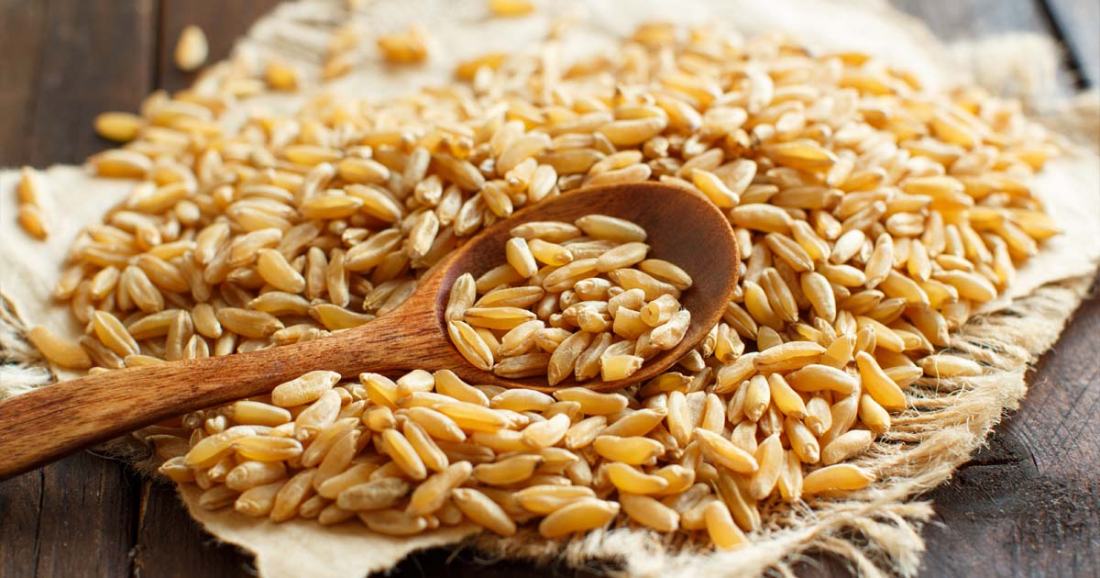
Kamut is the original variety of wheat and offers 10 grams of protein in every 100 grams.
Sorghum
- Why eat it? 11 grams of protein, 7 grams of fibre and a whole host of vitamins and minerals led by manganese, magnesium and copper
- As it is gluten-free, it is a great crop for coeliacs - it is suitable for baking, as a side dish with pulses or vegetables, and less commonly used in meat dishes
- Where to buy it? In specialist health food shops, some supermarkets or online
Although sorghum is a relatively popular crop abroad, it is hardly known here. It originates from Africa, where it was cultivated several thousand years ago and where, as is the case with many other items, it came to Europe via Asia. So why eat it? It has almost 11 grams of protein per 100 grams, thanks to its fibre it will keep you full for a long time and a whole range of vitamins and minerals will take care of your health.
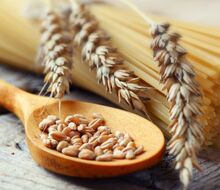
In addition to manganese, magnesium, selenium and copper, sorghum also contains a variety of polyphenols and phytochemicals that scientific evidence suggests may have positive effects on our health. It is also worth noting that sorghum is naturally gluten-free, which makes it a very good side dish for those of you who cannot consume gluten or just want to avoid it from time to time.
Mungo beans
- They contain a huge amount of protein, antioxidants, folic acid, iron, vitamins A, B, C, D and E.
- How to use them? They are perfect for any Asian cuisine, but they can also be used as a side dish with meat and in various salads or soups.
- Where to buy them? Online , in health food stores and even in some supermarkets.
Do you like to visit Asian restaurants? If so, you will not have missed the sprouted mung beans added to the vast majority of dishes. Besides tasting good, they are also a great source of protein, as 100g of mung beans contain almost 24 grams of protein. Among the micronutrients, it is worth mentioning folic acid, calcium, magnesium, iron and vitamins A, B, C, D and E.

Mungo can be bought in the form of shelled beans, but if you leave them to sprout at home, you will improve their nutritional profile and protect the substances that are destroyed by cooking in hot water. It's good to remember that, like rice, mung beans need to be rinsed thoroughly in water before each preparation and ideally left to soak overnight to remove the antinutrients. You can serve them with almost any meal, but they are not usually a substitute for a side dish - so it is advisable to combine them with another source of carbohydrates.
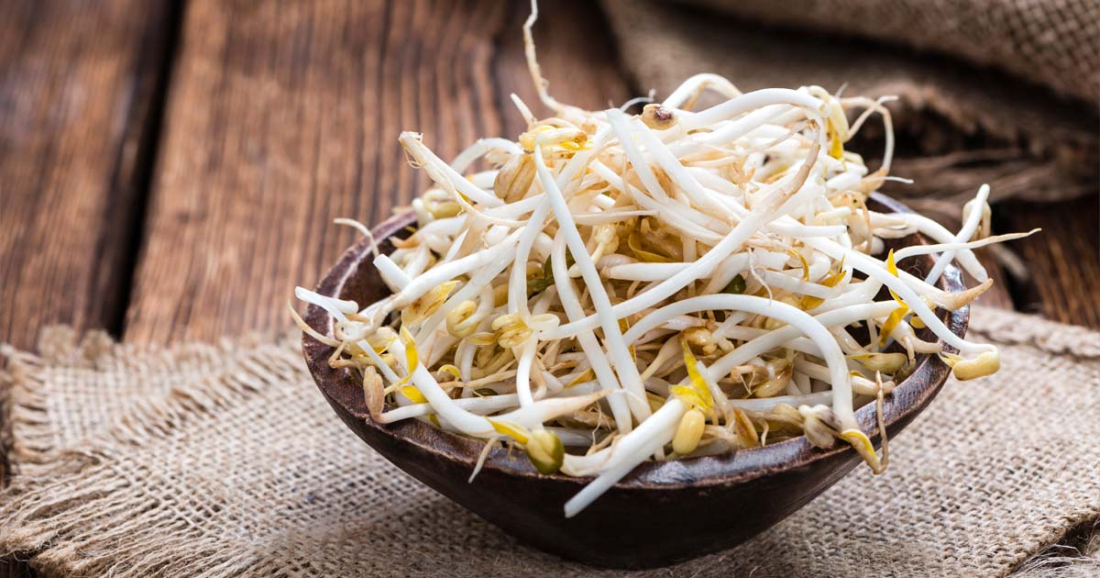
You may know mung beans from Asian restaurants. But you can sprout them at home without any problems.
Sunflower Jerusalem artichoke
- It contains a huge amount of vitamins A, B, C and D, iron, silicon and other micronutrients.
- As it is a potato-like tuber, it can be added to soups, baked or boiled and served with meat.
- Where to buy it? You can either growJerusalem artichokes or buy them from specialist online or brick-and-mortar stores.
If you are not from a village, you may never have heard of Jerusalem artichokes. And if you are from a village, you may never have thought of eating Jerusalem artichokes. Even though they are not a tasty side dish, they are surprisingly nutritious - they contain a lot of vitamins A, B, C and D, the much sought-after inulin (soluble fibre), iron and silicon.
They are commonly grown in the Czech Republic, their appearance resembles a small sunflower (as the name suggests) and they require no care to grow - if you have free space in your garden, you can plant them in April or May. Otherwise, they can be bought online and in some brick-and-mortar stores.
Fonio
- Why eat it? It contains a good load of carbohydrates, is effectively filling and, according to available analyses, contains a number of elements very important for humans, including iron, copper and magnesium.
- Although it is very rare to come across fonio, it is popularly used in Africa to make sweet and savoury porridges and can even be used to make beer.
- Where to buy it? Fonio is very uncommon, so you'll have to look more at foreign eshops that deliver to the Czech Republic. But it's definitely worth a try.
Fonio will most likely be another of the attachments you've probably never heard of. For those of you waiting for the Czech equivalent, we can tell you that it probably won't tell you anything either. It is a bit inaccurate to use the name 'dewberry', although fonio includes two different groups of grasses in this family.
Fonio is not so popular mainly because of its low yield (800kg of sundew per hectare), but because it grows in very difficult conditions, it is a kind of safety net in times of drought for many Africans. In terms of taste and texture, fonio resembles a cross between couscous and quinoa, so it's like being made into a variety of porridges. It also contains large amounts of resistant starch, which has been shown to provide food for healthy gut bacteria.
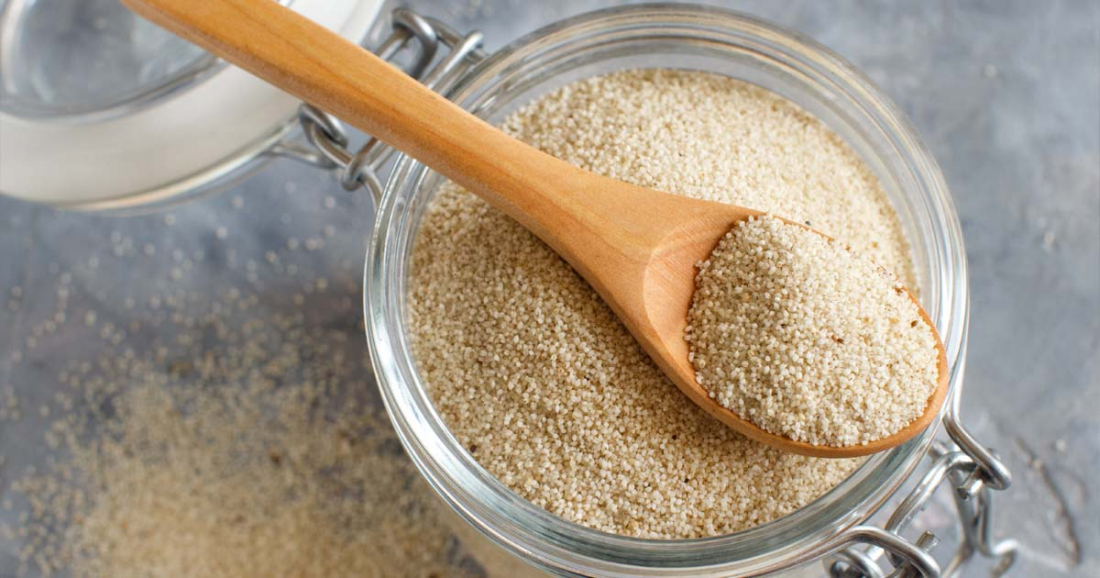
Fonio tastes great, plus it has a whole host of indispensable vitamins and minerals for humans.
Freekeh
- It contains a whopping 20 grams of protein per 100 grams, is rich in fibre and a range of micronutrients. Plus, it tastes great
- How to use it? After mixing it with water, just boil it for 20 minutes and use it in salads or soups. It goes well with meat and can even be baked sweet.
- Where to buy it? You can find itin online shops without any problems, but brick-and-mortar shops rarely offer it.
Freekeh (if you're breaking your tongue, the correct pronunciation is 'fríkech') is essentially nothing more than previously harvested and further processed wheat. But it is this early harvesting that causes the grain to remain extremely rich not only in protein and fibre, but also in iron or carotenoids, which have been shown to reduce the risk of degenerative eye disorders.
Thanks to its 20 grams of protein and a whole range of micronutrients, freekeh is perfect for bodybuilders' diets - you can use it in various salads or soups, bake it or prepare it with yoghurt for sweetness and it will always taste great. But it also takes only a few minutes to prepare, making it the ideal ingredient for a quick and hearty lunch. The only complication is that it logically contains gluten and is therefore not suitable for people with coeliac disease.
Recommended
Maca 100cps + Ashwagandha 100cps

Nebbia Washed bavlnený rag top GOLDEN AGE 788

Nebbia Dámské kompresní tílko INTENSE Ultra 835

Mars Snickers Low Sugar High Protein Bar
What to take away from today's article?
The main thing you should take away from today's rather extensive article is that although a bodybuilding diet will always be stereotypical, there are dozens of carbohydrate side dishes - and they are mostly nutritionally rich. We still couldn't fit a lot of side dishes into our article because we could have mentioned teff, spelt, quinoa, tapioca pearls and more and more carbs. So try to bring a little creativity to your diet and prepare something other than chicken and rice. We'll look at non-traditional sources of protein and fat in our other articles.
No posts have been made yet.