Nine foods for maximum productivity
 Author:
 It won't come as a huge surprise to say that what you eat can have a big impact on a huge number of aspects of your health - from your weight, to your energy levels, to the quality of your sleep. And so it may not come as a surprise to learn that there are certain foods that have the ability to boost our brain productivity, improve memory, and even help us increase focus. And it's these foods that we're going to focus on today.
It's true that the benefits of a healthy diet go far beyond what most of us think. According to the World Health Organization, an adequate diet containing all the essential nutrients can even increase productivity levels by a whopping 20 percent. And it's actually not surprising at all, because how we eat really affects countless bodily processes, and thinking, productivity or concentration are no exceptions. So if you struggle with fatigue and productivity decline while working or studying, try incorporating the foods we list below into your diet.

1. Salmon
The brain can be described as the fattest organ we have in our body - in fact, about 60% of the brain is made up of fat, and about half of that is omega-3 fatty acids. The brain uses omega-3 fatty acids, for example, to form nerve cells, which are (among other things) essential for concentration and memory. Perhaps nothing could be higher on the list of foods that support cognitive function and brain health than salmon. Salmon provides a mega-dose of omega-3 fatty acids, making it a top food for mental energy and focus. These healthy fats have been linked to a pretty extensive list of health benefits, from reducing inflammation, to better eyesight, to promoting heart health. Of course, these aren't all the benefits that omega-3 fatty acids bring to the brain and its activity. For example, they may also be effective in preventing mental deterioration and the development of Alzheimer's disease. There are also studies that show that adequate intake of omega-3 fatty acids can improve mood and act as a natural aid in the treatment and prevention of depression. Recent research also suggests that increasing the intake of omega-3 fatty acids from foods such as salmon can help improve memory and improve overall brain performance.

2. Green tea
Green tea is so well known to have a positive effect on a wide range of health aspects. Research suggests that a cup of green tea in the morning may be just what you need to get your day off to the right start and boost your productivity to the max. In fact, according to studies, green tea can actually have quite significant effects on brain function. Green tea contains substances that can help reduce anxiety, improve memory, boost attention and mental performance. Research even suggests that green tea can be an effective weapon against chronic fatigue and boost productivity in the long run. But of course, there's no such thing as green tea, and there's no harm in paying extra for a quality loose-leaf tea.
3. Coffee
Similar to green tea, coffee itself is on a similar path as the most well-known and used source of caffeine. Apart from the fact that coffee can effectively boost our cognitive function, memory and concentration, it can also dampen fatigue, improve mood and give us a proper kick to perform better mentally and physically. Studies suggest that regular coffee consumption can even increase the brain's capacity to process more information. In addition to caffeine, coffee also contains significant amounts of antioxidants, which is why regular consumption is also associated with a reduced risk of developing neurological diseases such as Parkinson's or Alzheimer's.

4. Eggs
Eggs are said to be an underrated superfood and we couldn't agree more! So enjoying scrambled eggs or a vegetable-filled omelette for breakfast is a great way to boost productivity throughout the day. Not only are eggs packed with choline, an essential nutrient that can kick-start cognitive abilities and boost (not only) brain function, but they're also a good source of protein. Multiple studies show that a high-protein breakfast leads to a longer-lasting reduction in ghrelin, the hormone responsible for stimulating hunger, compared to a high-carb breakfast. This means that after eating a protein-rich breakfast, we stay fuller for longer, allowing us to focus on the task at hand and not on our growling stomach. This is not to denigrate the presence of carbohydrates in breakfast - on the contrary, it is ideal to give your body a meal with a balanced ratio of all the essential macronutrients. For example, an omelette with rye bread and vegetables is simply the best.

5. Quality dark chocolate
Chocolate lovers can rejoice, because even good quality dark chocolate is one of the foods that have the ability to boost our productivity. One of the reasons why dark chocolate is so great for productivity is the fact that it contains caffeine, which can help kick-start energy levels, concentration and alertness. Quality chocolate is also a good source of magnesium, an important mineral that has been shown to improve learning ability and overall memory. Chocolate also contains other compounds that are beneficial to the brain, such as flavonoids and antioxidants. So if you love chocolate, then you just got permission to eat it with REASON every day. We say sensibly because we know what an addictive treat it is, which, if consumed in excess, can affect our weight, among other things. It is also important to note that quality chocolate means dark chocolate with a cocoa content of at least 85% and not the various sugar mixtures, milk chocolates and chocolates with gummy bears and God knows what else.
6. Almonds
Almonds are another delicacy that is often praised for its health benefits. Just a handful of these popular nuts, for example, is known to fill almost half of the recommended daily allowance of vitamin E, which is important for skin health, good eyesight and also protects the brain from the effects of aging. In addition, research shows that regular consumption of almonds can increase levels of acetylcholine, a type of neurotransmitter that improves learning ability and will also boost overall memory. Other studies looking at the effect of nuts in general have come to similar results. These suggest that regular consumption of nuts may lead to a reduced risk of cognitive decline in older adults. Other studies then show that regular nut consumption can boost memory, so you can see why nuts are recommended as a good snack for learning.
Recommended

GreenFood Green Tea

HealthyCo Chocolate
7. Broccoli
There are many reasons why we might recommend eating broccoli regularly - it is a good source of fibre and contains a number of important vitamins and minerals. But did you know that broccoli can also help you maintain your focus and strengthen your brain? Broccoli is rich in choline, an essential nutrient with strong benefits when it comes to cognitive function. Research suggests that choline is involved in cognitive performance, brain development, and even memory function. Broccoli is a significant source of vitamin K - one serving can even supply the body with up to 100% of the daily dose of this important vitamin. Results of studies on adults suggest that higher vitamin K intake is associated with better memory and concentration. In addition to vitamin K, broccoli contains a number of compounds that have anti-inflammatory and antioxidant properties and may help protect the brain from damage. So more plus points for broccoli! This much hated vegetable really has a lot to offer the body, don't you think?
8. Sweet potatoes
Sweet potatoes are packed with complex carbohydrates that make them digest slowly, prolonging the feeling of satiety, helping to stabilize blood sugar levels, and providing a gradual source of energy that will help you increase productivity (among other things). Sweet potatoes are also an incredibly nutritious food and are a particularly good source of vitamin A and vitamin C, both of which have been shown to play a fairly crucial role in brain function and have a significant impact on overall health and performance.
9. Avocados
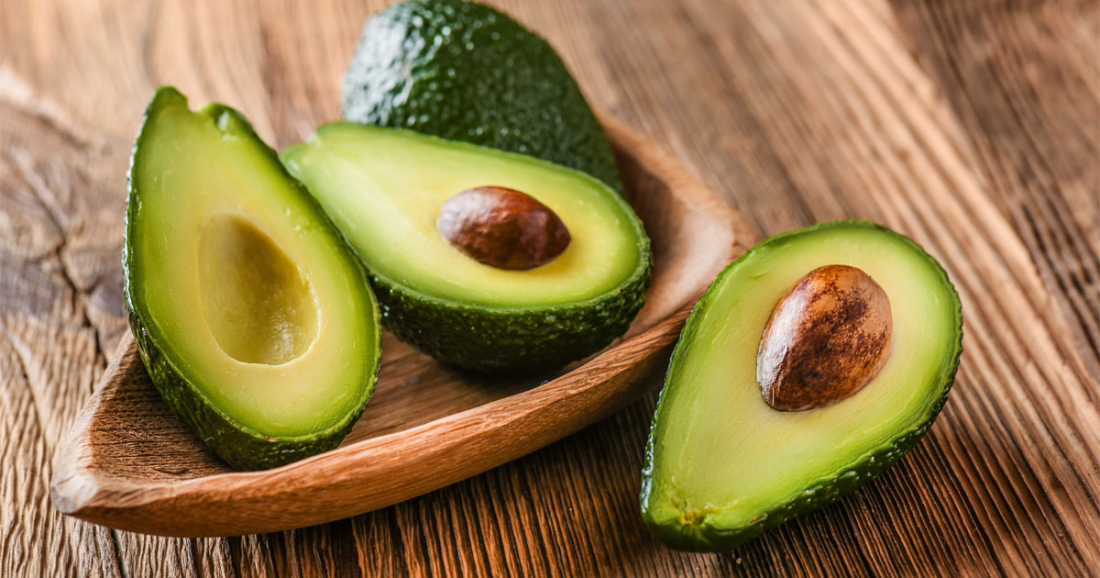
Avocados are a food really rich in healthy fats, so it's no surprise that its health benefits also affect brain activity. Consuming monounsaturated fats, which are found in avocados, for example, helps regulate blood pressure, which not only benefits our cardiovascular system, but is also important for our brain. In addition, vitamins C, E, K and some B vitamins are also found in avocados. Avocados support brain function, can improve memory as well as increase the ability to concentrate. Avocados, or the fats in them, are also important in the fight against Alzheimer's disease.
What else can we do for our brains?
The brain is a very energy-intensive organ. It may only take up about 2% of the average person's body weight, but it uses up to 20% of their total energy to operate! The brain's metabolism is therefore very energy intensive, and it needs enough energy to perform properly to maintain concentration throughout the day. In addition to the foods we've covered in today's article, it's obviously important to give it plenty of fuel throughout the day in the form of the highest quality, least processed, fresh foods possible. Because the moment you're munching on a few stalks of broccoli and the rest of your diet consists of ultra-processed foods and junk food, you won't really feel a completely significant difference. We should also definitely make sure that we eat enough overall. After all, adequate calorie intake is not only important for our bodies, but also for our brains and overall health. In addition to diet, you can also boost productivity by giving your body plenty of rest, a regular dose of fresh air, plenty of water and regular physical activity. Setting reasonable goals, taking regular work/study breaks, etc. certainly doesn't hurt either.
What to take away from the article?
How we eat affects not only how we feel and look, but also, for example, our productivity. A diet consisting of processed foods leads to us feeling tired, malaise and generally not being able to perform very well - either in the gym, at work or at school. Today, we've come up with nine foods that can boost productivity, cognitive function, memory and focus that you can incorporate into your diet. However, you need to keep in mind that a handful of nuts won't save you when you don't get enough sleep, don't get fresh air, live a sedentary lifestyle, and the rest of your diet consists mostly of ultra-processed foods and fast food.
Sources:
Jain, A. P., Aggarwal, K. K., & Zhang, P. Y. (2015). Omega-3 fatty acids and cardiovascular disease. European review for medical and pharmacological sciences, 19(3), 441-445.
Külzow, N., Witte, A. V., Kerti, L., Grittner, U., Schuchardt, J. P., Hahn, A., & Flöel, A. (2016). Impact of Omega-3 Fatty Acid Supplementation on Memory Functions in Healthy Older Adults. Journal of Alzheimer's disease : JAD, 51(3), 713-725. https://doi.org/10.3233/JAD-150886
Bauer, I., Hughes, M., Rowsell, R., Cockerell, R., Pipingas, A., Crewther, S., & Crewther, D. (2014). Omega-3 supplementation improves cognition and modifies brain activation in young adults. Human psychopharmacology, 29(2), 133-144. https://doi.org/10.1002/hup.2379
Poly, C., Massaro, J. M., Seshadri, S., Wolf, P. A., Cho, E., Krall, E., Jacques, P. F., & Au, R. (2011). The relationship of dietary choline to cognitive performance and white-matter hyperintensity in the Framingham Offspring Cohort. The American journal of clinical nutrition, 94(6), 1584-1591.
Zeisel S. H. (2006). The fetal origins of memory: the role of dietary choline in optimal brain development. The Journal of pediatrics, 149(5 Suppl), S131-S136. https://doi.org/10.1016/j.jpeds.2006.06.065
Mancini, E., Beglinger, C., Drewe, J., Zanchi, D., Lang, U. E., & Borgwardt, S. (2017). Green tea effects on cognition, mood and human brain function: A systematic review. Phytomedicine : international journal of phytotherapy and phytopharmacology, 34, 26-37.
Singal, A., Kaur, S., Tirkey, N., & Chopra, K. (2005). Green tea extract and catechin ameliorate chronic fatigue-induced oxidative stress in mice. Journal of medicinal food, 8(1), 47-52. https://doi.org/10.1089/jmf.2005.8.47
Blom, W. A., Lluch, A., Stafleu, A., Vinoy, S., Holst, J. J., Schaafsma, G., & Hendriks, H. F. (2006). Effect of a high-protein breakfast on the postprandial ghrelin response. The American journal of clinical nutrition, 83(2), 211-220. https://doi.org/10.1093/ajcn/83.2.211
Slutsky, I., Abumaria, N., Wu, L. J., Huang, C., Zhang, L., Li, B., Zhao, X., Govindarajan, A., Zhao, M. G., Zhuo, M., Tonegawa, S., & Liu, G. (2010). Enhancement of learning and memory by elevating brain magnesium. Neuron, 65(2), 165-177. https://doi.org/10.1016/j.neuron.2009.12.026
La Fata, G., Weber, P., & Mohajeri, M. H. (2014). Effects of vitamin E on cognitive performance during aging and in Alzheimer's disease. Nutrients, 6(12), 5453-5472. https://doi.org/10.3390/nu6125453
Batool, Z., Sadir, S., Liaquat, L., Tabassum, S., Madiha, S., Rafiq, S., Tariq, S., Batool, T. S., Saleem, S., Naqvi, F., Perveen, T., & Haider, S. (2016). Repeated administration of almonds increases brain acetylcholine levels and enhances memory function in healthy rats while attenuates memory deficits in an animal model of amnesia. Brain research bulletin, 120, 63-74. https://doi.org/10.1016/j.brainresbull.2015.11.001
Olson, C. R., & Mello, C. V. (2010). Significance of vitamin A to brain function, behavior and learning. Molecular nutrition & food research, 54(4), 489-495. https://doi.org/10.1002/mnfr.200900246
No posts have been made yet.