





10 really cheap sources of protein
 Author:
 Protein is a very important nutrient for overall health. Along with carbohydrates and fats, they are one of the essential macronutrients that should be an integral part of our daily diet. Protein plays a role in a number of bodily processes and is also important for building muscle mass or reducing fat. Their optimal intake in the diet is therefore very important. Well, yes, but where to find them besides meat? Today, let's take a look at 10 cheap sources from which we can get protein without spending too much money.
Article content:
- Theoretical window - what is protein?
- 10 cheap sources of protein
- What to take away from the article?
A theoretical window - what are these proteins?
Proteins are the basic building blocks of the body. They are made up of smaller molecules called amino acids. Amino acids are divided into non-essential (those that the body can make on its own) and essential (those that we must take in from our diet and other sources). Protein is a very important component of our diet. The body uses them for a wide range of processes. For example, they are necessary for the formation of muscles, tendons, tissues, organs and skin. They are equally important for the production of enzymes, hormones, neurotransmitters and various small molecules that serve important bodily functions.
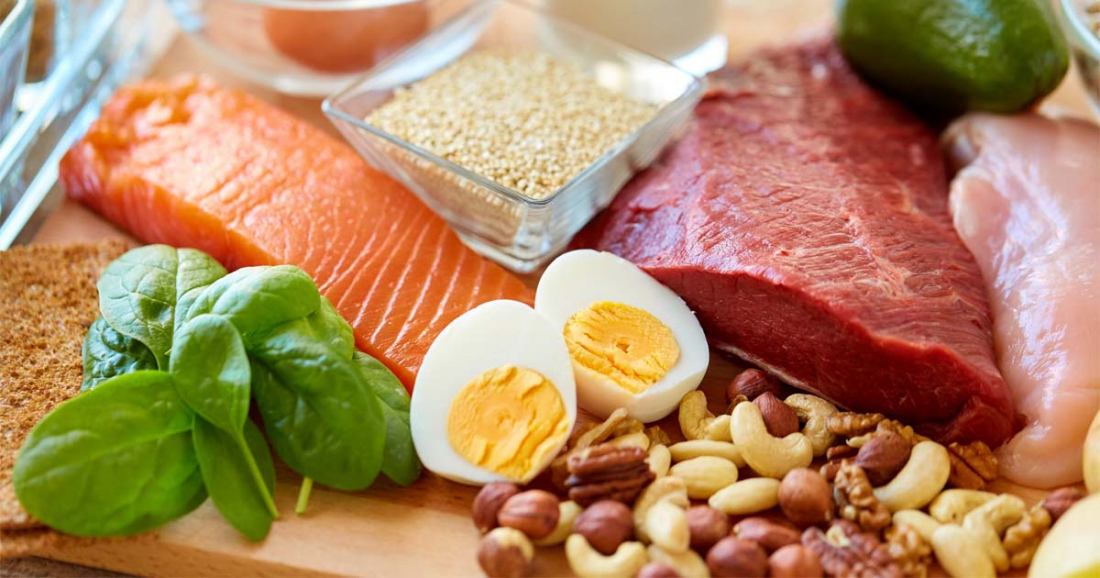
In addition to all the functions mentioned above, proteins are also central to the optimal function of the immune system and we should pay due attention to their adequate intake even when we are trying to lose weight or gain muscle. Protein has the highest thermic and satiating effect of all macronutrients, which means that we stay satiated the longest after consuming it, and sufficient intake can help control cravings.
It's not just the quantity of protein intake that is important, but of course the quality of it. The quality of the protein source depends on the amino acid profile, as these are what our body primarily uses. The best protein sources contain all the essential amino acids in proportions suitable for humans. In this respect, animal proteins are logically slightly better than plant proteins. This is due to the fact that animal muscle tissues are very similar to human ones. However, even plant sources need not be completely condemned.
The question of how much protein we should optimally consume per day is very difficult to answer in any general way, because the optimal protein intake will, as usual, be very individual. Daily protein intake depends on physical disposition, frequency and intensity of sport, other daily activities, genetic predispositions, gender and so on. It is said that for active individuals, the intake should be around 1.6 - 2.2 g per kilogram of body weight.
10 cheap sources of protein
Okay, enough with the theory.. surely you know that one of the best sources of protein is meat. But let's take a look together at which foods we can find a good amount of protein in - we believe some will really surprise you!
1. Eggs
Eggs are one of the most nutritious foods in the world. Not only are they full of vitamins, minerals and healthy fats, but they're also packed with protein. One large egg contains approximately 6 grams. The protein found in eggs has a biological value of 100, which is the very highest. Together with whey protein, egg protein is one of the highest quality types of protein. Like whey protein, egg protein is also considered complete, which means that it contains all the essential amino acids. In addition, eggs, especially egg yolk, are a rich source of vitamin D, A, K and E. They also contain a good proportion of calcium, iron and lutein. The egg white accounts for about two-thirds of the liquid weight of the whole egg, while the yolk accounts for about one-third.
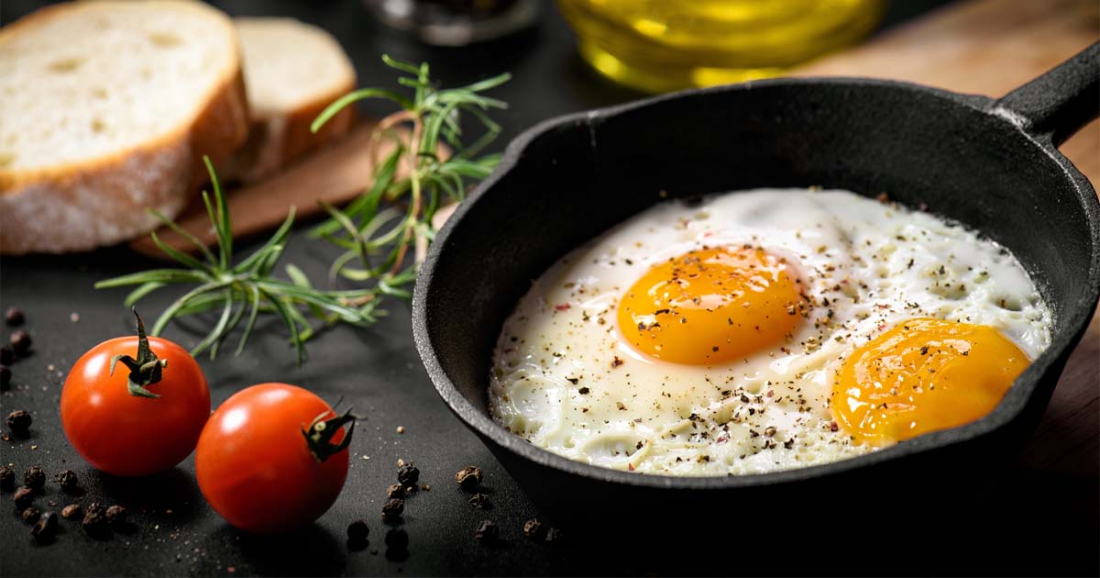
Eggs used to be associated with high cholesterol, but we now know that eggs do not raise bad cholesterol. In fact, eating eggs can even lower LDL cholesterol levels while promoting heart health. The choline found in eggs also helps keep our brains in tip-top shape. Eggs are an incredibly versatile and dare I say even indispensable part of our diets. For athletes they are one of the most important sources of protein, and for housewives they are an essential ingredient for cooking and baking.
2. Greek yoghurt
Greek yoghurt is made in a similar way to regular yoghurt, but stripped of whey and excess water. Greek yoghurt offers about 17 g of protein, which is up to twice the amount compared to regular yoghurt. It is thicker, slightly sourer and has less sugar. Plus, if you look for a product that contains live cultures, you'll be giving your body that all-important probiotic boost to support your digestion and overall health. Greek yoghurt is also great for reducing diets. White Greek yoghurt is a delicious and fairly inexpensive food that is also extremely versatile. You can eat it just like that with fruit, add it to smoothies, incorporate it into desserts, make dips, spreads and much more.
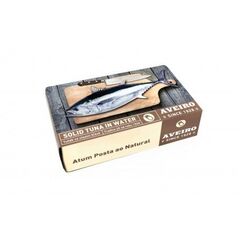
3. Tuna in a can
Fish is a fantastic source of protein, and quality canned meat is no exception! In fact, fresh fish is often very expensive in our environment, so quality canned fish is an excellent way to incorporate fish into your diet without putting too much strain on your budget. Canned tuna can contain around 20-25g of protein per 100g of content. The juiced version is also super diet-friendly, as it contains very little fat and calories and is very versatile - for spreads, pasta sauces, salads or even just on bread. Tuna is also a great source of the all-important omega-3 fatty acids, which have a good list of benefits for the body, which is why we devoted a whole article to them quite recently.
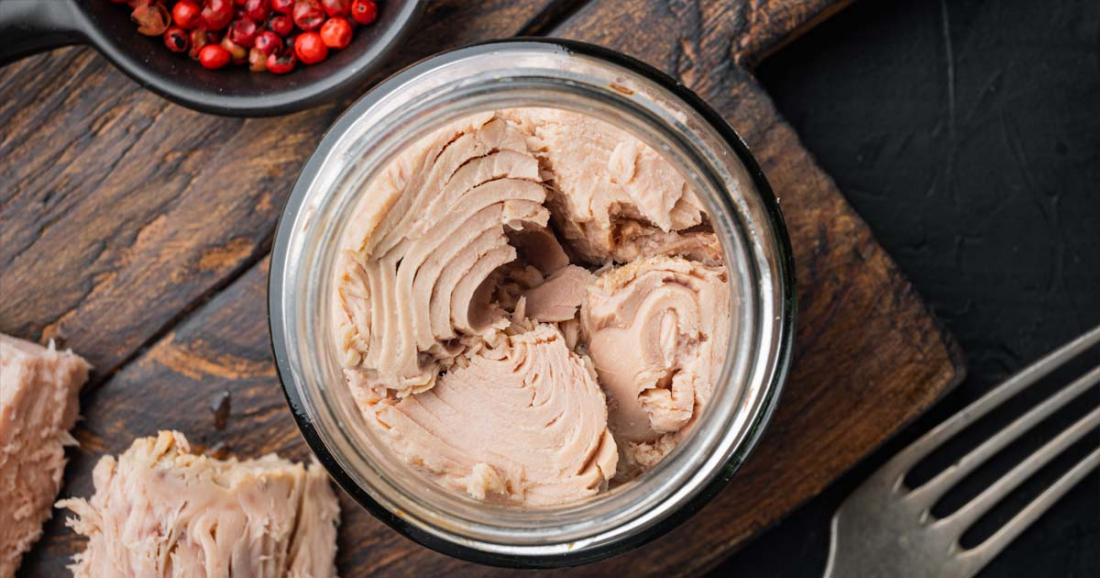
Canned meat has one disadvantage - it can contain large amounts of mercury, so it should be consumed no more than 2-3 times a week. Pregnant women should be doubly careful about mercury content. For canned meat, choose reputable vendors and high-quality products that are guaranteed to be low in mercury. Also watch the salt content, which is often disproportionately high in canned meat.
4. Cottage cheese
It's no wonder that in Arnold's day, cottage cheese was the top food for all muscle men. After all, cottage cheese is another food that is literally loaded with protein! Nowadays, they are slowly switching to other sources, but there is certainly no reason to condemn cottage cheese. Cottage cheese is made by precipitating milk protein with cultured microorganisms or enzymes. Cottage cheese is a rich source of casein, which is a slowly digestible type of milk protein. It has the ability to fill us up for a long time and supply our body with protein for a longer period of time. As a type of milk protein, cottage cheese is one of the most digestible sources of protein. Depending on the specific brand and fat content, soft curd contains up to 13-18g of protein per 100g. In hard cottage cheese for grating, we find almost 30g of protein per 100g of food.
In addition, it is very rich in calcium, which is essential for bone health. It also contains magnesium, selenium, copper, zinc and potassium. It is also a rich source of vitamin B2. When it comes to fat content, you don't have to worry that the low-fat version is somehow cheated - just check the ingredients and you'll find that unlike other low-fat products, low-fat cottage cheese contains no sugar, sweeteners or chemicals.
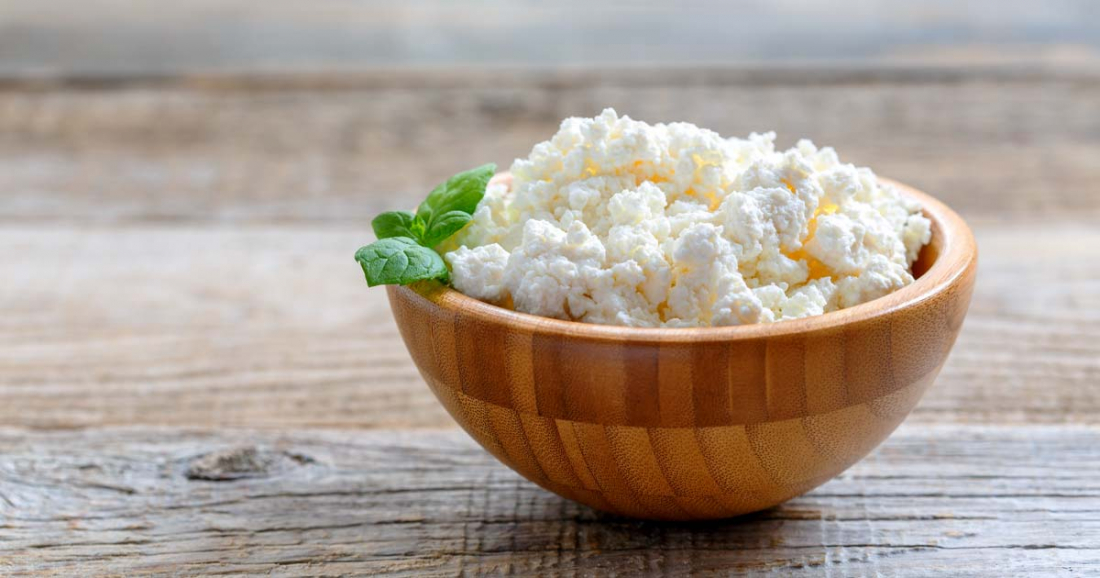
In fact, with the manufacturing process, it's kind of like that: The basic raw material for making cottage cheese is fresh cow's or goat's milk. The curd is made by precipitating casein. Depending on which substance is used to curdle the milk, hard and soft curds are produced. Depending on the milk used, curds are classified as skimmed (0.1% fat), low-fat (up to 1% fat), semi-fat (up to 5%), full-fat (over 5%) - or goat, sheep, etc. The amount of fat is expressed in relation to the total weight of the curd, so it is not the percentage of fat in the dry matter. This is around 4 - 5% for the low-fat version. So low-fat cottage cheese is an absolutely amazing source of protein with virtually no fat - and you can indulge in it in a different form. Again, cottage cheese is a very versatile food that can be used in hot or cold dishes and can be made sweet or savoury!
5. Legumes
Another underrated source of protein, is legumes. Depending on the particular species, legumes have a fair amount of plant-type protein. Unfortunately, plant proteins are often not considered complete sources, meaning that they do not contain all the essential amino acids, but this can easily be remedied by combining them with another plant source (often legumes are supplemented with cereals such as rice). In addition to protein, complex carbohydrates, vitamins, minerals and very important fibre can also be found in legumes. The latter is crucial for the health of our intestines, but also for optimal reduction and prolonging the feeling of satiety.
6. Whey protein
Another cheap source of protein is whey protein. Taking whey protein is an easy, convenient, and affordable way to increase your dietary protein intake. A serving of good quality protein contains around 20 - 25g of protein per serving and is priced around 20 crowns. Whey protein offers a range of benefits and is certainly not just for muscle builders. Whey protein is a complete source of protein, which means it contains all the essential fatty acids. The proteins found in whey protein have a high biological value and are very well utilized by the body.
Whey protein can be useful in building and maintaining muscle mass and can help athletes recover from tough workouts or increase muscle strength. It also appears that whey protein is a useful aid in fat reduction as it increases satiety (this is true of all proteins, of course) and can also boost the body's immune system. Whey protein powder can be added to smoothies, stirred into pancake batter or added to other desserts.
Recommended

7. Shapes
Tvarůžky is a Czech food that contains a large dose of protein. Tvarůžky is a ripened cheese made from non-fat sour curd. Tvarůžky is produced without the addition of rennets, colourings, flavourings and stabilisers, so it is a purely natural food. This cheese is distinguished by its high protein content and low fat and carbohydrate content. This makes it a great food not only for slimming diets. 100g of tvarůžky offers about 30g of protein, which is also very digestible. Like other dairy products, tvarůžky is a rich source of calcium. The only drawback is the high salt content (about 3-5%), but if you don't eat too much, this is not a major problem.
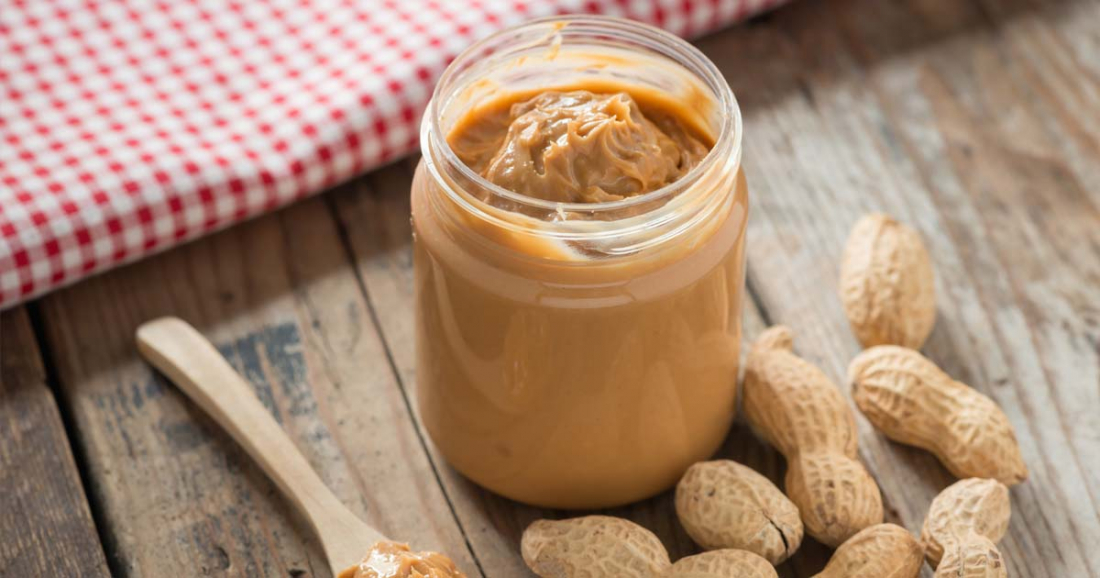
8. Peanut butter
If you are a peanut butter lover, then rejoice, besides its great taste, peanut butter is also a surprising and fairly inexpensive source of protein. Peanuts are officially a legume, but are often classified as a nut. A two tablespoon serving of peanut butter provides up to 8 grams of protein. Peanuts are an excellent source of monounsaturated fats, especially oleic acid, which helps lower LDL (bad) cholesterol and raise HDL cholesterol. Peanuts contain a decent supply of plant protein and few carbohydrates. They contain all the B-complex vitamins, as well as folic acid, zinc, iron, vitamin E, magnesium and phosphorus. They are also a rich source of antioxidants. But be careful about the ingredients and buy only natural products without added sugar and trans fats.
9. Oatmeal
Although oats are a cereal, they are another cheap source of protein. 50g of oatmeal can provide around 7g of protein. The biological value of protein contained in oatmeal is around 80%. Oats contain complex carbohydrates, low glycemic index, satiating and at the same time not too hard to digest. Oatmeal is high in vitamins and minerals, and also contains a type of soluble fibre called beta-glucans. Studies have shown that foods rich in beta-glucans can help lower LDL and total cholesterol levels, making oatmeal a great choice for heart health. Like other types of fiber, beta-glucans have a positive effect on the gut biome.
Oats are a gluten-free food in their own right - they contain the protein avenin, which most allergy sufferers find uncomfortable. The gluten itself enters the flakes through so-called cross-contamination, i.e. when processed with other gluten cereals or stored in the same factories. If you are allergic to gluten, then you should reach for cereals that have information on the packaging that they are truly gluten-free. Oatmeal is also very versatile - you can use it to make your favourite porridge, both savoury and sweet, bake all sorts of treats, grind it into flour and use it instead of the regular wheat version, or use it to thicken soups or sauces.
10. Sardines
Finally, we'll come back to tinned fish once more - but this time to sardines. Sardines are a somewhat neglected source of protein, which is a great pity. 100g of sardines offers up to 23g of protein. In addition to protein, there are also a number of health benefits such as vitamin D, zinc and vitamin B12. As sardines are meant to be eaten whole, including the bones, they are also a great source of natural calcium. To make matters worse, they are also an amazing source of omega-3 fatty acids. Another great advantage is that sardines are very low on the food chain, so their meat does not contain as many heavy metals (such as mercury) as tuna or other larger fish. Canned sardines are great for spring spreads, for example - if you mix them with cottage cheese or Cottage cheese, add herbs and a pinch of salt, you've got protein-packed goodness on the table in minutes!
What to take away from the article?
Protein is one of the key nutrients for health, muscle building and fat reduction. In addition to meat, you can incorporate cheaper sources of protein into your diet, like some of the ones on today's list. Eggs, sardines or cottage cheese, for example, will give you a decent supply of protein without breaking your budget. You really don't have to eat meat-only to ensure you get enough protein, but you can pick it up with other foods like cheesecakes, oatmeal, or even peanut butter.
Sources:
Pasiakos, S. M., McLellan, T. M., & Lieberman, H. R. (2015). The effects of protein supplements on muscle mass, strength, and aerobic and anaerobic power in healthy adults: a systematic review. Sports medicine (Auckland, N.Z.), 45(1), 111-131. https://doi.org/10.1007/s40279-014-0242-2
Turner, T. F., Nance, L. M., Strickland, W. D., Malcolm, R. J., Pechon, S., & O'Neil, P. M. (2013). Dietary adherence and satisfaction with a bean-based high-fiber weight loss diet: a pilot study. ISRN Obesity, 2013, 915415. https://doi.org/10.1155/2013/915415
Paddon-Jones, D., Westman, E., Mattes, R. D., Wolfe, R. R., Astrup, A., & Westerterp-Plantenga, M. (2008). Protein, weight management, and satiety. The American journal of clinical nutrition, 87(5), 1558S-1561S. https://doi.org/10.1093/ajcn/87.5.1558S
Sivieri, K., Morales, M. L., Adorno, M. A., Sakamoto, I. K., Saad, S. M., & Rossi, E. A. (2013). lactobacillus acidophilus CRL 1014 improved "gut health" in the SHIME reactor. BMC Gastroenterology, 13, 100. https://doi.org/10.1186/1471-230X-13-100
Whitehead, A., Beck, E. J., Tosh, S., & Wolever, T. M. (2014). Cholesterol-lowering effects of oat β-glucan: a meta-analysis of randomized controlled trials. The American journal of clinical nutrition, 100(6), 1413-1421. https://doi.org/10.3945/ajcn.114.086108
Zivkovic, A. M., Telis, N., German, J. B., & Hammock, B. D. (2011). Dietary omega-3 fatty acids aid in the modulation of inflammation and metabolic health. California agriculture, 65(3), 106-111. https://doi.org/10.3733/ca.v065n03p106
https://www.edf.org/oceans/mercury-alert-canned-tuna-safe
Wal, J., Gupta, A., Khosla, P. et al. Egg breakfast enhances weight loss. Int J Obes 32, 1545-1551 (2008). https://doi.org/10.1038/ijo.2008.130
No posts have been made yet.








