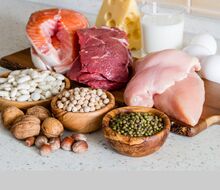
39 best protein foods!
 Author: Šárka Randáčková
 With this list, you can go supermarket aisle by supermarket aisle and always pick the best protein alternative.
Why are we so obsessed with protein? For one, we need plenty of them to build and repair muscle, but they also play a role in fat-burning metabolism and curb hunger pangs and fridge attacks. Plus, protein slows the release of carbohydrates into the bloodstream, which can prevent the rapid spikes in blood sugar that we think promote fat storage and dips in energy.
If we're concerned about appearance and holding or gaining muscle, we should aim for at least 2 grams of protein per kilo of body weight. That's quite a lot and you'll need to make sure your shopping cart is filled with quality products. That's why we thought it was time to take an editorial tour through the supermarket and help you find the best protein-rich foods. You'll be able to stuff yourself and be more chiseled than a Roman statue.
Check out the list of the 39 best protein foods
We've put together the high protein foods for you to keep you in the loop and make your shopping easier! Protein is found in many foods, including meat, fish, poultry, eggs, milk, cheese, legumes, nuts and seeds, and we've got a list of the best ones to reach for.
Protein food is one of the most important components of our diets, so it pays to focus on protein foods that will help us achieve not only health but fitness goals as well. Adequate protein intake, i.e. protein in food, is crucial for muscle growth and recovery as well as for proper metabolic functioning. Whether you prefer meat, dairy, legumes or whole grains, dietary protein can be found in a wide variety of ingredients and foods.
Focus on quality protein in foods to boost immunity and improve overall body vitality. Remember that protein in food must be dosed sensibly to achieve optimal results without overtaxing the digestive system. Therefore, try different protein foods and take advantage of their benefits in your daily diet - because with a sufficient supply of quality protein, the path to health and strength is much easier.
Dairy products
1/ Greek yoghurt
Protein: 23 g in a 230 g serving
The liquid is strained out, so the deliciously thick Greek yoghurt contains about twice as much protein as regular yoghurt. You'll also reap the rewards of probiotic bacteria, beneficial for your digestion, and calcium, which builds your bones.
Need to know: unflavored Greek yogurt contains about three times less sugar than flavored options.
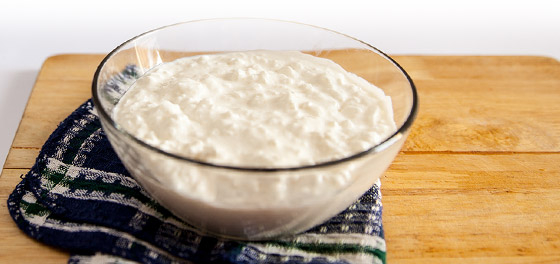
2/ Cottage cheese
Protein: 14 g per 100 g serving
This congealed product is packed with casein - a slow-digesting protein that delivers a steady supply of essential amino acids to your growing muscles. Take this as your best snack, especially before bedtime.
Need to know: cottage cheese has a huge amount of sodium, but nowadays it's written on the packaging, so you can choose brands that don't contain as much.
3/ Swiss cheese
Protein: 8 g in a 30 g serving
Swiss cheese contains more protein than other commonly available options, making it your muscles' best friend. It's ideal for sandwiches and burgers.
If you' re concerned about the calorie content of full-fat Swiss cheese, the low-fat options have a protein-to-fat ratio of about 8 to 1, and are still quite tasty.
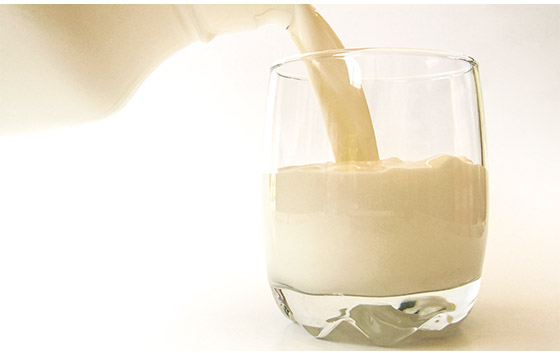
4/ 1.5% milk
Protein: 8 g per 230 ml serving
Milk is still an excellent source of protein with a biological value only slightly lower than that of egg-based ones. There's no need to pour in watery, tasteless skim milk. 1.5% milk isn't too bad on fat, and that extra bit of fat will help you absorb fat-soluble nutrients like vitamin D.
Need to know: studies have shown that cows fed organic methods produce milk richer in nutrients, including body-beneficial omega fatty acids.
5/ Soy milk
Protein: 8 g per 230 ml serving
Most plant milks don't have much protein, but soya milk is an exception. If you can't handle digesting regular milk, try topping your cereal or protein drinks with soy milk.
Need to know: if you don't want to grow a belly from added sugar, opt for unflavored options. And if you don't want to eat genetically modified foods, you'll have to pay extra for organic products.
Meat
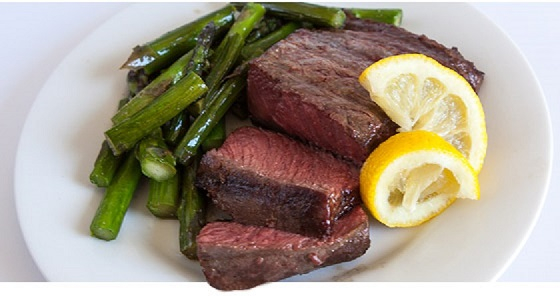
6/ Beef shank (top or bottom shawl)
Protein: 23 g per 85 g serving
These cleaner cuts of beef will give you a fantastic 1g of protein for every 7 calories, for example sirloin can only manage 1g for every 11 calories. Economically, the ham hock also works out very well.
You need to know: if you go overboard with the cooking time, cleaner cuts of meat like hams and loins will be leaner than Sahara, so take them rare and only on medium-rare.
7/ Ground beef
Protein: 18 g in an 85 g portion
90% ground beef will give you just the right amount of fat to keep your burgers from tasting like cardboard. Aside from the protein load, this meat also contains quite a bit of the almighty creatine.
Need to know: if you have a little extra cash, opt for grass-fed beef, which has more nutrients than regular beef from a factory farm.
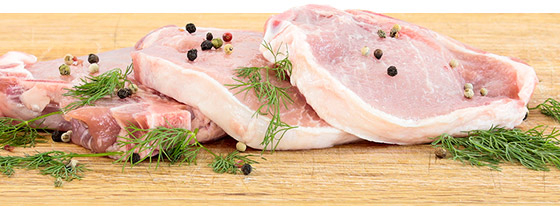
8/ Boneless pork chops
Protein: 26 g in an 85 g serving
The heaps of protein in chops, which are so easy to prepare, will give you just the right excuse to stuff yourself with them, literally like pigs.
You need to know. Simply marinate them in a mixture of salt and water (50g salt per litre of water) so that they are completely submerged, cover them and leave them to marinate for 30 minutes to two hours.
9/ Chicken breasts (boneless and skinless)
Protein: 24 g per 85 g portion
This bodybuilding staple delivers more protein than other poultry meats, so it should always be in your basket.
Must Know: To save money, strike up a friendly relationship with the guy who works in the meat department at your grocery store. He will then let you know when poultry is on sale.
10/ Turkey breast
Protein: 24 g per 85 g serving
Just like chicken, this big bird can flood your muscles with a wave of protein.
You need to know. If you're concerned about antibiotics in factory farming, there are products with labels guaranteeing antibiotic-free.
Seafood
11/ Yellowfin tuna
Protein: 25 g per 85 g portion
This meaty swimmer will give you a heap of easily digestible, high quality protein. You'll also get a healthy dose of B vitamins and the powerful antioxidant selenium in its skin.
Need to Know: If possible, try to get fish caught on a minnow or rod. These are the most organic choices.
Don't forget to check out our tuna menu at this link, where you'll find lots of varieties at the best prices!
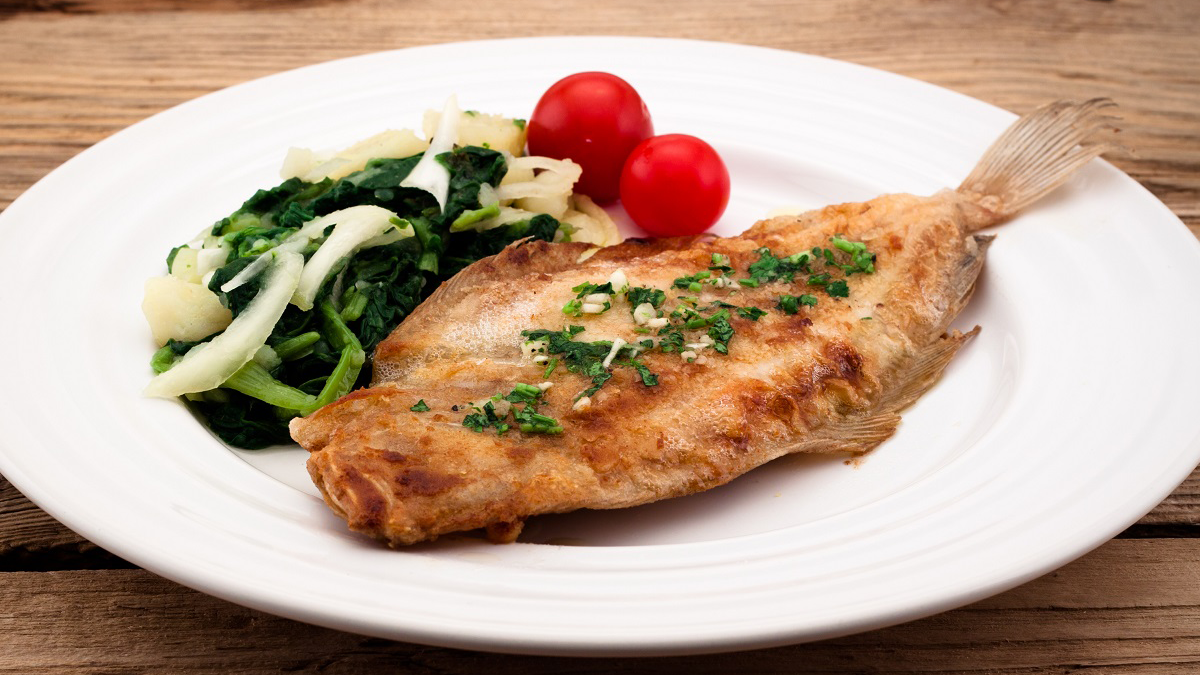
12/ Flounder
Protein: 23 g per 85 g serving
Among white-fleshed fish, plaice is the king in terms of protein. Each 85 g also has almost 2 g of fat, which makes halibut an even better catch.
You need to know: halibut from the Pacific, not the Atlantic, is generally considered a more environmentally friendly choice.
13/ Octopus
Protein: 25 g in an 85 g serving
Fishmongers are offering squid more and more. If you want the muscles of granite, you'd be a fool to pass them up.
Must Know: Frozen octopus is better than fresh because the freezing process helps tenderize the meat.
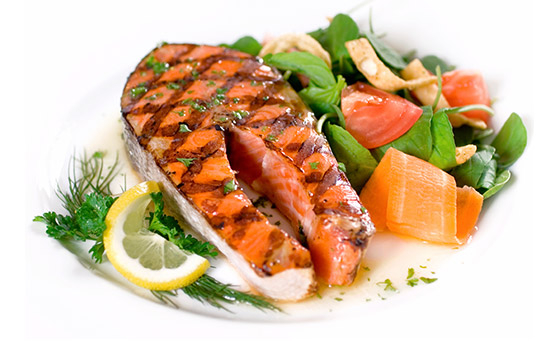
14/ Salmon Nerka
Protein: 23 per 85 g serving
Not only does wild salmon like nerka taste better than its captive-bred cousins, it also has about 25% more protein. Plus, you'll benefit from its overabundance of de-fattening omega-3 fatty acids.
Need to know: eat salmon with the skin on, as it adds flavour to the fish when prepared.
15/ Tilapia
Protein: 23 in an 85 g portion
Not only does wild salmon taste better as a spawn than its captive-bred cousins, but it also has about 25 percent more protein. Plus, you'll benefit from its overabundance of slimming omega-3 fatty acids.
Need to know: eat salmon with the skin on, as it adds flavour to the fish when prepared.
Meals in cans
16/ Anchovies
Protein: 24 g in 85 g serving
These little swimmers are surprise winners when it comes to protein in a can. Because of their size, they also don't accumulate toxins the way larger species do.
Need to know: to reduce saltiness, soak anchovies in water for 30 minutes, pat dry.
17/ Salted beef in conezrva
Protein: 24 g in an 85 g portion
The large amount of protein in this meat will definitely pump up your muscles. And no, it's not the same as lancmeat.
Must know: try adding raw vegetables to corned beef and serve with rice, or as the main protein in sandwiches.
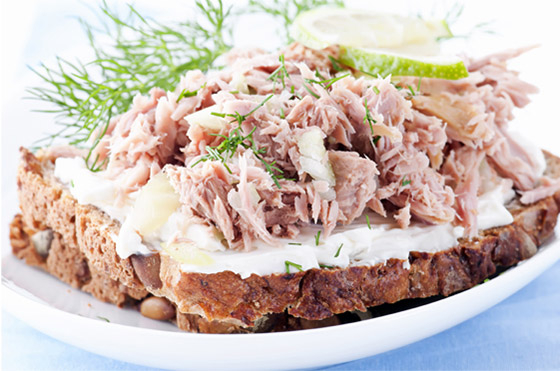
18/ Yellowfin tuna
Protein: 22 g per 85 g serving
It's less expensive and will actually give you a little more protein than classic white tuna.
Must know: save yourself some calories from cheap oils and buy tuna in its own juices.
19/ Chicken
Protein: 21 g in an 85 g serving
By wrapping classic chicken instantly in your sandwiches and salads, you get a new serving of quality protein.
You need to know: compare brands, and choose those with less sodium.
20/ Sardines
Protein: 21 g in an 85 g serving
Not only does this neglected dish brim with protein, it also gives you a heap of omega-3s and vitamin D. Research shows that increased vitamin D intake can increase testosterone production.
Must Know: Choose tastier and more organic brands.
21/ Dried beans
Protein: 20 in a 230 g serving
Beans are a fantastically cheap food that contains protein, and very easy to find in a can. Dried ones are the best. Each 230 grams also gives you a respectable 13 grams of fibre.
Need to know: some brands do not use BPA in their cans.
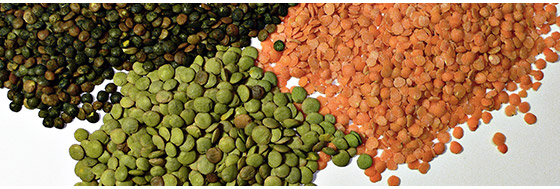
22/ Dried lentils
Protein: 13 grams per 60 gram serving
Cheap lentils will help you quickly and surely inflate your daily dose of protein, fiber, and add a wide range of healthy minerals.
You need to know: unlike dried beans, lentils don't need annoying soaking. Simply simmer it in a pot of water until soft, about 20 minutes. For a nutritious lunch, choose cooked lentils with chopped chicken or turkey breast, chopped vegetables and a vinegar dressing.
Delicacies
23/ Roast Beef
Protein: 18 g per 85 g serving
Roast beef treats usually contain more protein than others. Most people will be surprised to learn that roast beef is also a fairly clean meat.
You need to know: look for brands that avoid nitrites and nitrates, high consumption of which has been linked to certain diseases such as cancer.
24/ Canadian bacon
Protein: 15 g per 85 g serving
It comes from the cleaner, back side of the pig, and has about six times less fat than traditional bacon, giving it a much better fat-to-protein ratio.
You may also come across it under its other name: peameal bacon.
25/ Chorizo
Protein: 21 g in an 85 g portion
This Spanish spicy pork sausage can turn pasta dishes, scrambled eggs, soups and salads into protein-packed meals.
Cooks beware: Spanish chorizo is dried, so it doesn't need to be cooked before eating. Mexican chorizo, however, needs a trip to the pan first.
26/ Paprikash
Protein: 18 g in an 85 g serving
The unearthly amount of protein in the paprikash should make you think of homemade pizza tonight.
Need to know: the amount of sodium varies quite a bit across brands, so compare and choose the lowest content.
27/ Roasted turkey breast
Protein: 18 g in an 8 g serving
They have almost no fat, so their slices are pure food for your muscles. Pack plenty into your sandwiches.
Need to know: stay away from seasoned turkey and other treats so you don't add unnecessary things like salt, sugar and artificial flavourings.
Snacks in your pocket
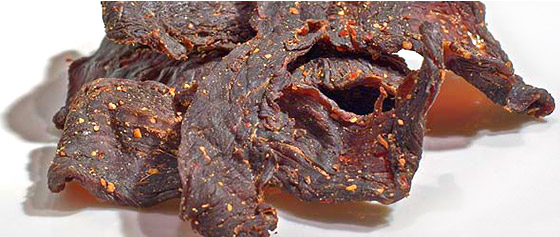
28/ Jerky
Protein: 13 g per 30 g serving
Jerky is serious about muscle. And you'll love the chewiness.
Need to know: you can find brands without MSG and nitrites.
You can findJerky for a great price at this link on our store!
29/ Peanut butter
Protein: 8 g in 2 tablespoons
It's not as trendy as other nut butters, such as almond, but it still leads on protein.
Forget the non-fat version. All they'll do is replace healthy fat with less healthy sugar.
30/ Mixed nuts
Protein: 6 g in a 60 g serving
Hazelnuts, cashews and almonds are a crunchy way to add protein and healthy unsaturated fats to your diet.
Need to know: if you're watching your sodium levels, look for "unsalted" on the packaging.
31/ Bean Chips
Protein: 4 g in a 30 g serving
If you insist on crunchy chips, you won't find a better choice than these protein-rich black beans.
You need to know.
Protein products
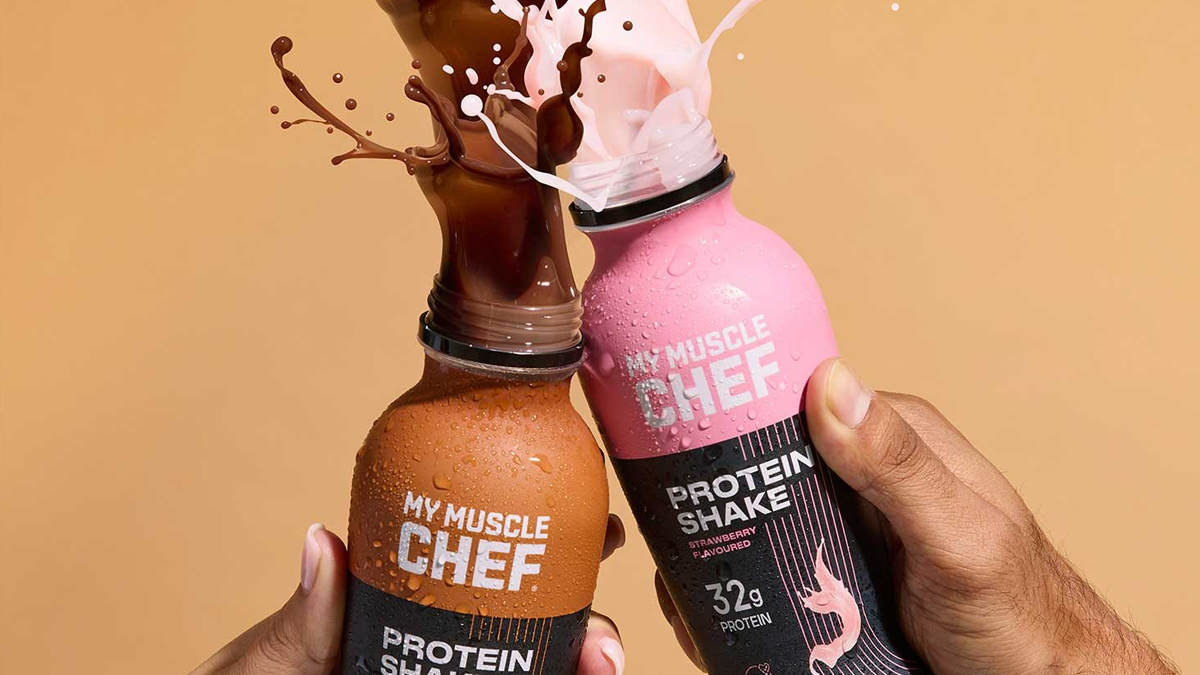
32/ Protein shake
Protein: 16 g in a 230 ml serving
Homemade protein drinks are always better, but store-bought ones will also serve for a quick dose of protein.
Make sure your drink contains a protein source like whey, not just fruit. That will only make you overdose on sugar.
33/ Tofu
Protein:12 g in an 85 g serving
If you're not a fan of meat, tofu can help with your protein intake.
You need to know: slices of firm tofu fry well. Or try throwing them on the grill and adding a little fire to their flavor.
Frozen meals
34/ Sweet beans
Protein: 8 g per 110 g serving
The frozen food section is like a nutritional minefield in most supermarkets. However, these green soya beans give you a dose of plant-based protein, fibre, vitamins and minerals.
Must Know: Prepare sweet beans according to package directions and season with fresh lemon juice, paprika and a pinch of salt.
35/ Peas
Protein: 7 g per 230 g serving
Most vegetables don't overflow with protein, but peas have so much that you should always keep a good supply in your freezer. It also has enough fibre to prevent cravings for rubbish.
Need to know: always give a bag of frozen peas a little spread. You should be able to feel the individual balls. An ice cube means it's been thawed and re-frozen, which can affect quality.
36/ Frozen Greek yogurt
Protein: 6 g per 130 g serving
It's frozen and creamy like ice cream, but has about twice as much high-quality protein.
Need to know: compare brands and choose those with lower sugar content. Some brands even list fruit before sugar in the ingredients. Figure it out.
Cereals
37/ Wheat germ
Protein: 6 g in a 30 g serving
The wheat grain has three components - the endosperm, the bran and the germ. The germ is the most nutritionally abundant and contains quite a bit of plant protein. You can use it to add protein to your porridge, pancakes and even smoothies.
Must Know: Sprouts should be stored in the refrigerator or freezer.
38/ Soba noodles
Protein: 12 g in an 85 g serving
Consider using these Japanese buckwheat noodles in your pasta dishes because they contain more protein than most wheat noodles. Plus, you can cook them in half the time.
Need to know: remove the excess starch that makes our noodles chewy by rinsing the finished soba noodles after draining.
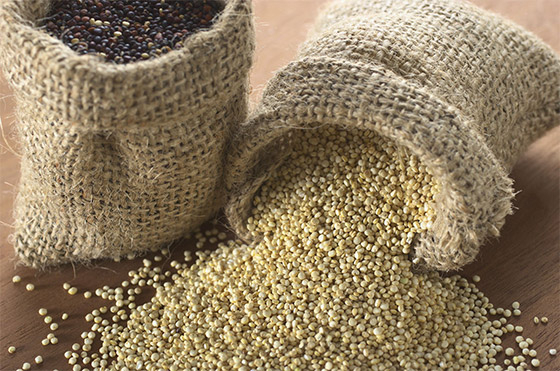
39/ Quionoa
Protein: 8 g in a 230 g serving
Among cereals, South American quinoa (buy here) is a rarity, containing an arsenal of essential amino acids, giving it muscle-building potential.
You need to know: roasting in a pan before simmering in water can enhance the natural nutty flavour of quinoa.
Source: www.bodybuilding.com
Author: Matthew Kadey, MS, RD
Translated by Jaromír Uhlíř (Cha Cha)
Original Article Title: The Ultimate List Of 40 High-Protein Foods!
Recommended
Nutrend Protein Pancake
Nutrend High protein chips
 Author: Šárka Randáčková
 No posts have been made yet.