





Squat - the king of exercises: correct technique, variations and benefits
 Author:
 The squat, an exercise that is often cast in the role of the "king of all exercises" and rightly so. The squat is undoubtedly the most popular and commonly used exercise for strengthening the legs and butt. It's a perfectly comprehensive exercise that will build strength, sculpt a beautiful posterior, but also work your abdominal muscles. That's why the squat is part of most fitness enthusiasts' workout. And of course we approve! Today, let's introduce squats a bit more - we'll tell you how to get the technique right, what variations we can include so that we don't get bored of squats, and we'll also highlight the biggest benefits of incorporating them into your workout.
Article content:
- Theoretical window - what is the squat?
- What muscles do we exercise during the squat?
- How to get the technique right?
- Different squat variations
- What to take away from the article?
Theoretical window - what is the squat?
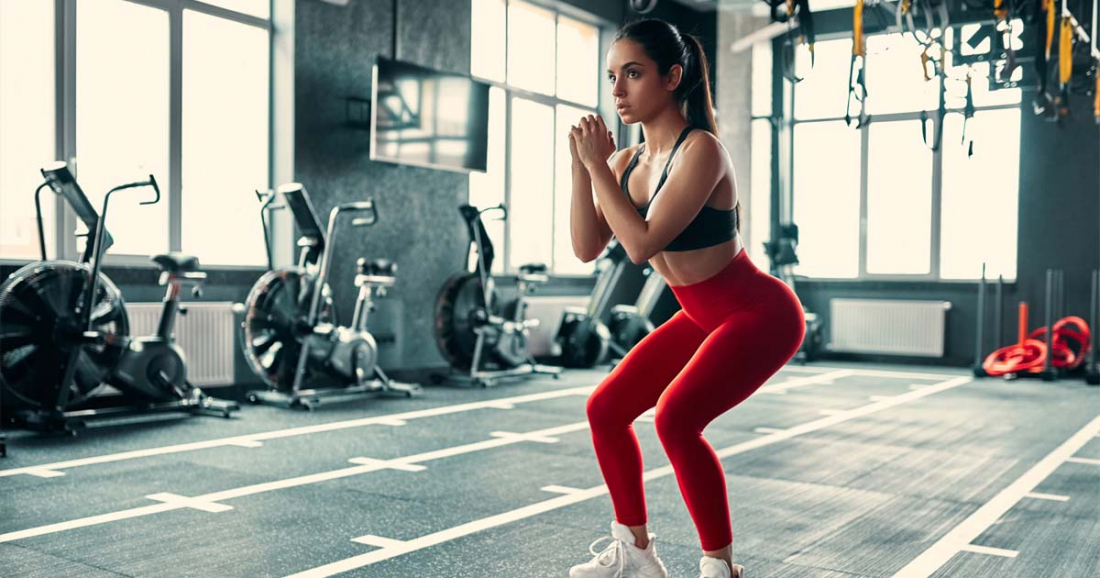
Squats are often referred to as one of the best functional exercises for strengthening the lower body. Performing them correctly will engage your legs, butt, but also your abdomen or midsection. We've actually been in contact with squats since we were very young, and that's where we might get our inspiration for proper technique, but we'll get to that later. The great advantage of squats is the fact that they can be performed anytime and anywhere, without the need for special equipment. In fact, we use them quite often in everyday life, we just don't realize it as much - for example, when tying shoelaces, lifting heavy boxes, etc. But the truth is that we don't concentrate on technique, which is the key to success, when we do everyday activities. And that squats are boring? No way! In fact, they can be performed in so many variations that you won't even have time to get bored with them.
What muscles do we exercise when we squat?
As already mentioned, the squat is a very complex exercise, which means it engages a lot of muscles. In the basic version, the quadriceps are the main muscles worked, and they are engaged as we lift the body from a deep squat to an upright stance. The hamstrings and adductors on the inner thighs also come into contraction as you descend into a deep squat. And that's not the end of the list. The muscles of the buttocks (especially the gluteus maximus), the abdominals and the muscles around the spine also do their work to help us maintain stability and an upright posture. We also use the calves and other muscles when squatting, depending on what particular variation we have in our training at the time.
How to get the technique right?
The squat is an exercise where technique is really key. Not only to grow muscles after it, but mainly as a prevention of unpleasant injuries that can occur with improper technique and can have fatal consequences. So how do you go about proper technique for the no-weight squat?
- Stand upright on the floor and spread your legs hip-width apart - toes pointing forward.
- Push your shoulders gently back and contract your abdomen. Don't forget to breathe.
- Put your hands wherever you feel comfortable - in your forearms or perhaps at your sides.
- Inhale, slowly lower yourself to the ground, bend your knees and push your butt back.
- Keep your back straight, don't arch it - a strong mid-body will help.
- When your knees are bent at a 90° angle and your thighs are parallel to the floor, stop the movement and try to stay in this position for a few seconds.
- Then push on your heels, slowly straighten your legs, and with an exhale return to the upright position again.
We recommend starting by learning the correct technique and then progressing to weight training. This is a very effective way to prevent all sorts of injuries. Watch your knees - it is certainly true that they should not go in front of your toes (in some cases it is even necessary), but they should never curl inwards! If your knees are pulling together at the bottom of the squat, it can help to shorten the movement a little - i.e. don't drop as low. The knees should not be bent. One of the most common squatting mistakes is definitely hunching - try to keep your back upright throughout the movement, otherwise you may injure it.
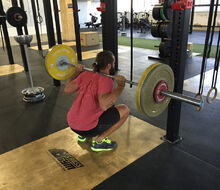
And then you can see what the correct technique looks like for the basic version of the squat with a barbell on your back in this video:
Different squat variations
There's really quite a list of squat variations, and that's just great! Why, you ask? Simply because by incorporating different squat variations, you'll exercise a different muscle from a slightly different angle each time, possibly engaging some more than the classic version, and of course you'll also liven up your workout and break up your routine. However, if you are starting out with squatting, you should focus on understanding and executing the correct technique of the basic squat form before trying other and more challenging forms. In these, you can already use various equipment such as one-armed dumbbells, large axle, expanders, kettlebell, chair or any other equipment. We've already introduced the basic version of the squat with and without weight above, so let's take a look at a few other popular squat variations together:
Front Squat
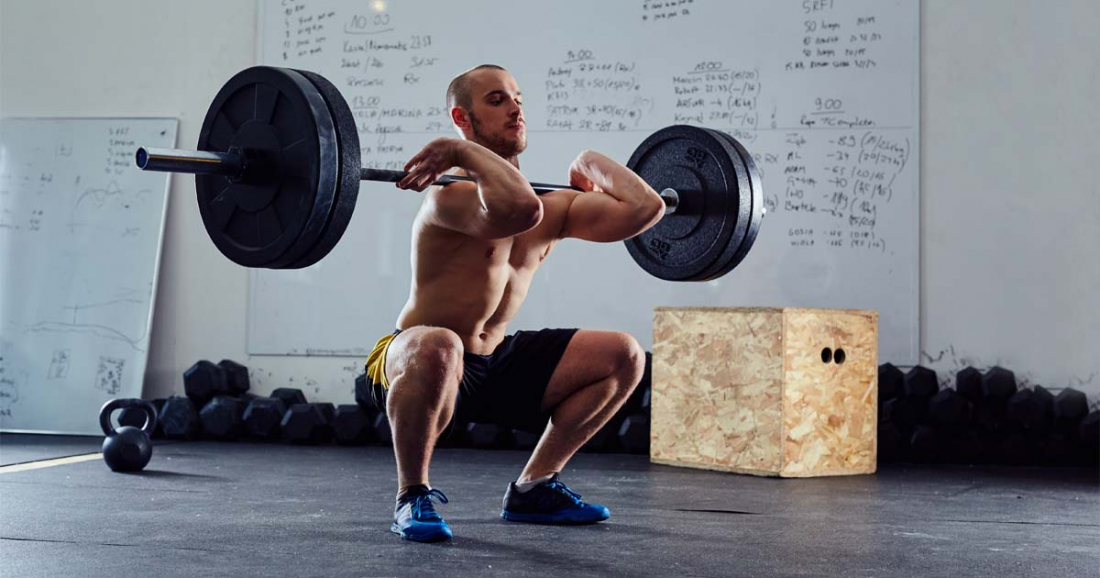
As the name suggests, the front squat involves not having the weight on your back, but resting the barbell in front of your head - either at the collarbone or somewhere at shoulder level. For the front squat, you'll want to choose a lighter weight than for the back squat. With this variation, it's sometimes a bit of a challenge to pick up the right grip and overall correct dumbbell position - but practice makes perfect, and believe it or not, you'll enjoy the front squats! Front squats are great as a bit of a finisher after classic squats when you want to work the front of your thighs a little harder.
Lunge squats
Let's go back to the unweighted squat for a moment, but let's try to make it a little more challenging! How about adding a jump squat? It's a plyometric movement - which actually means that with this type of squat, you're performing an aerobic exercise in addition to strengthening. The jump squat requires precise control of the technique of the classic version of the squat, because you have to coordinate multiple movements at the same time. The technique of the jump squat is identical to the classic squat, but you push off your heels a little more when you lift and jump. This type of squat is great for building explosiveness and should not be missed in the training of strength endurance athletes.
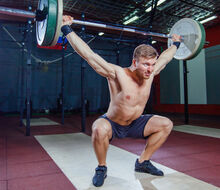
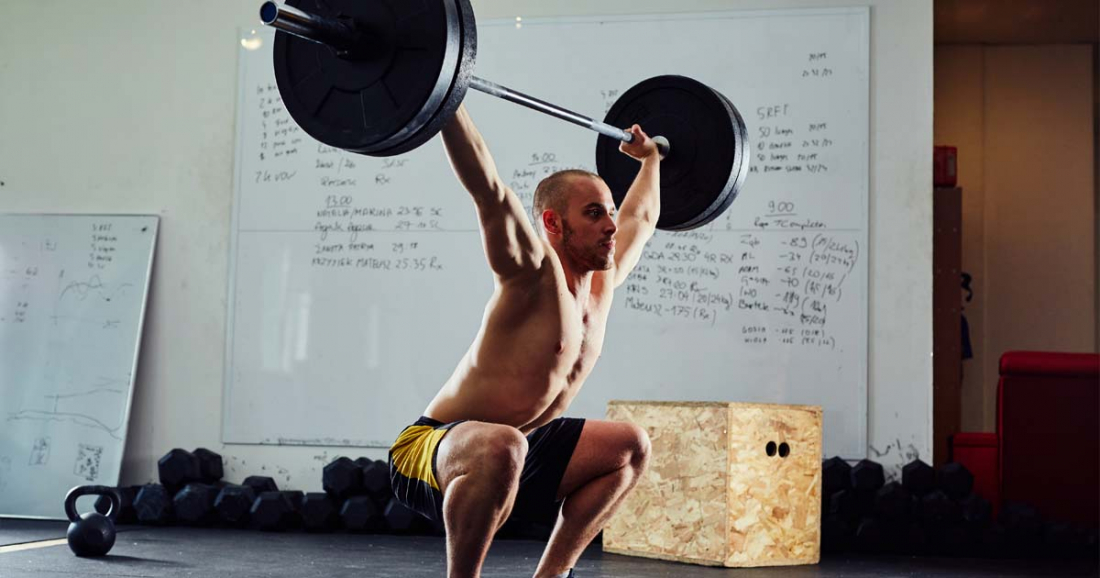
Overhead squats
In addition to the lower body, this squat variation engages your back, shoulders, arms and you'll also get a good feel for your abdominal and midsection muscles. The starting position of the squat is the same as in the classic squat, but keep your arms straight above your head. If you want to make this exercise harder, add weights in the form of a dumbbell, kettlebell or ball. Watch out for arching your back and bending over.
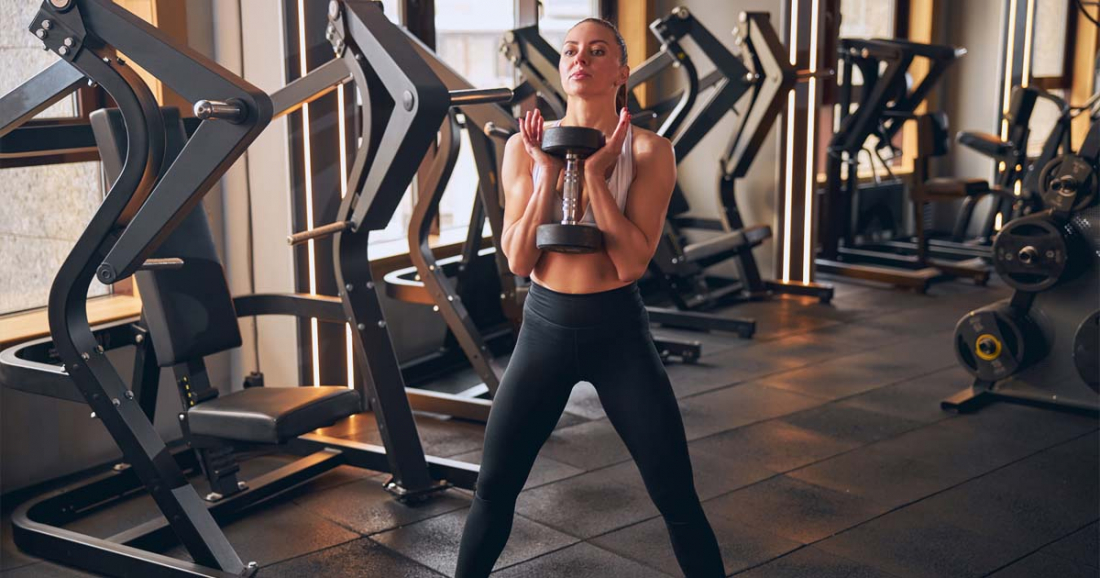
Goblet squat
Goblet squat, or squatting wide, is performed with a discus, kettlebell or dumbbell, and you hold the chosen equipment with your hands at chest level. Your feet are straddled and a little more than shoulder width apart and your toes should be turned outwards. The advantage of this form is the relief to the spine, as the weight is not on the back, and also this version is very much concentrated on the strengthened middle of the body. The wider stance also makes the butt more engaged, which will be appreciated not only by the ladies.

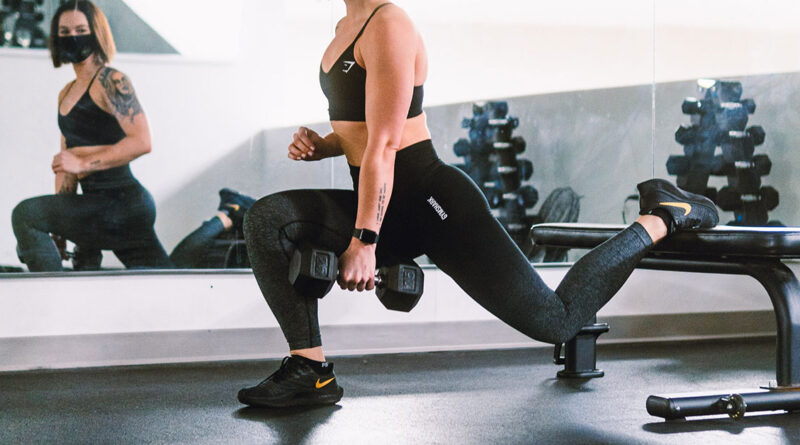
Bulgarian squat
Another popular variation is the Bulgarian squat. Before performing Bulgarian squats, prepare an elevated exercise equipment - a bench, step, lower chair or box. Stand with your back to it and place your right foot so that the top of your foot is on the elevated plane - this is the starting position. Next, bend your left leg at the knee and lower in a classic squatting motion until the knee of your right leg almost touches the ground. Make sure that your shoulders are facing backwards, your back is straight and you don't stand on your tiptoes as you lift. If you want to make this exercise harder, you can take one-armed dumbbells or even a kettlebell in your hands. You'll also engage your butt nicely with this exercise.
Hacken squat
In addition to the classic back squat, you can also incorporate the hacken squat into your workout. This is a special machine that will help you a bit with proper technique and relieve your lower back. Depending on the position of your feet, you can build beautiful thigh muscles and also butt muscles with the hacken squat. Check out the correct technique again in one of our videos:
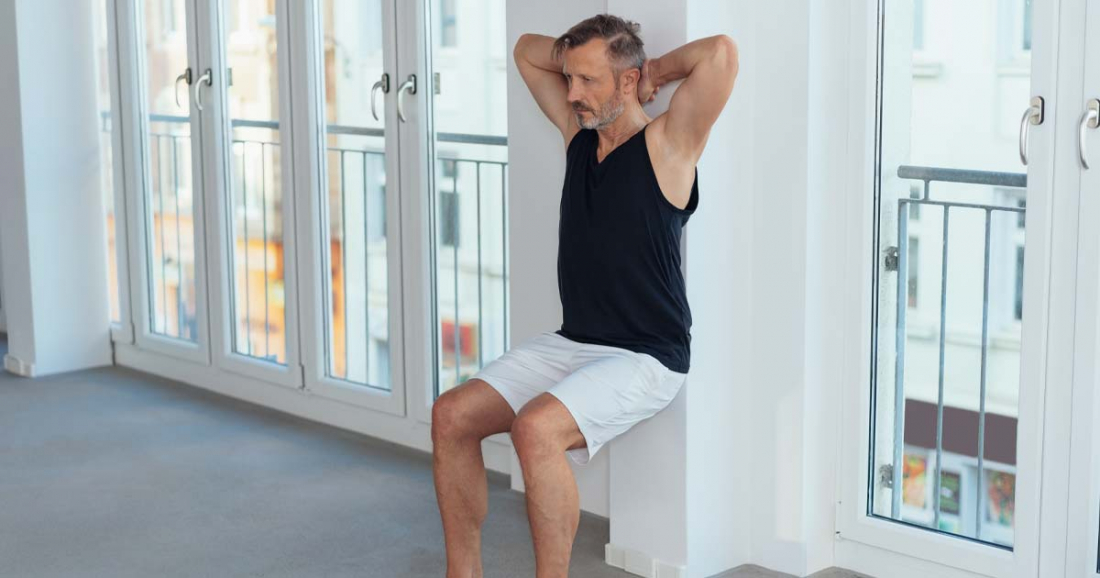
Wall sit - squats with back support against the wall
This exercise is not a dynamic form of squat, but it will definitely give your thighs and butt muscles a good workout. Stand with your back against the wall and slowly move into a squat position. Your back and head should be touching the wall at all times. Slowly move your feet away from the wall to create the basic squat position - your knees should be bent at a 90° angle, toes pointing forward and thighs parallel to the floor. You should stay in this position for at least one minute - it may not seem like it, but we'll tell you how long a minute can be when you try this exercise! To make the exercise harder, you can place a dumbbell or kettlebell on your knees.
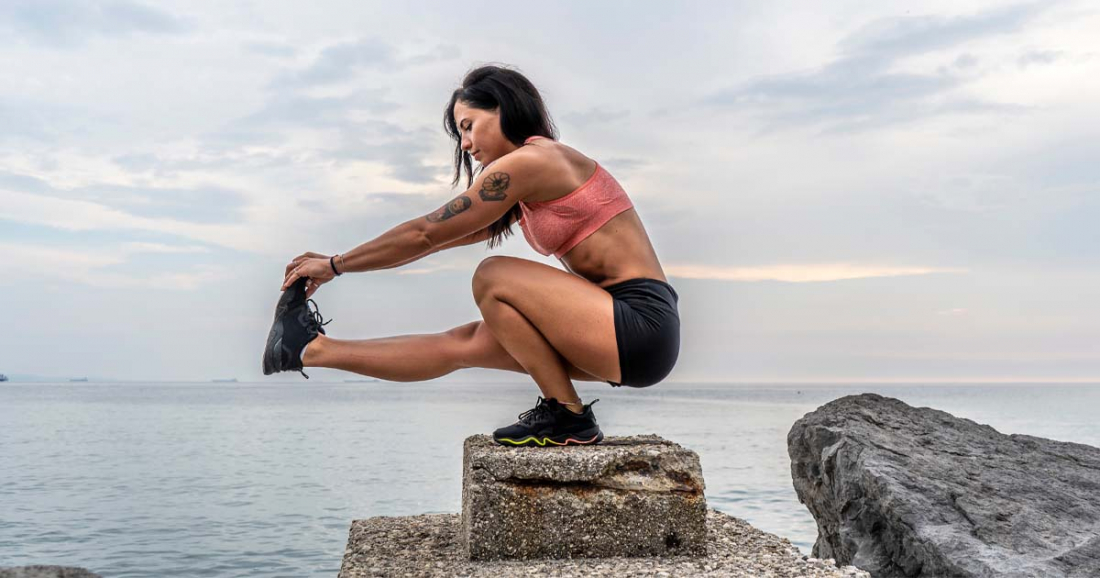
Squat on one leg
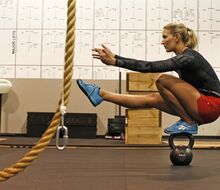
And here's something for the fancier ones - the single leg squat, or how hard the exercise can be without weight. Single leg squats are a great way to strengthen your thighs and butt, but also to gain better stability and coordination. How to do them? Take the starting position of a classic squat and then straighten one leg out in front of you. Slowly move downwards into a squat position. It's a good idea to keep your arms extended - this will give you better balance. The leg in the air should remain extended throughout the movement. Squat only to the position your body will let you get into, you certainly don't have to tip it at the cost of injury! Don't overextend your knees and try to maintain as much stability as possible.
Squats on the multipress
If you've heard the catchphrase in the gym that a squat on the multipress is not a squat, feel free to let it go. The Smith machine, or multipress, is an excellent tool for anyone who has trouble keeping their balance and back straight when squatting. Thanks to its design, this machine maintains one trajectory of movement at all times, from which you simply cannot deviate. So if you're new to squats, or if you have a distaste for free weight squats for some reason, the squats on the multipress may be just what you're looking for.
Recommended
Czech Virus ZMA MAX
Prom-in Joint Care Drink
GymSupps BCAA 4:1:1 Instant
Benefits of squatting
Finally, let's talk about the benefits of squatting. Apart from the fact that squatting burns a really good amount of calories, which is due to its difficulty and the fact that we engage a variety of different muscles when performing it, squatting is also a useful exercise for building strength, stability and strengthening your core, which is important for proper posture and reducing injuries. In addition, squats shape the lower body beautifully, which is something that not only women can enjoy, but of course, male members of the body as well, because who wouldn't want to have toned legs and a nice firm, round butt, right?
What to take away from the article?
Squats are rightly considered the king of all strength exercises. And no wonder. It's a very complex exercise that will exercise a lot of different muscles, burn a lot of calories and work on your fitness and stability. The squat can also be performed in a huge number of variations, so you can never get tired of it. Which is your favourite form and which is your least favourite?
Sources:
van den Tillaar, R., & Saeterbakken, A. H. (2018). Comparison of Core Muscle Activation between a Prone Bridge and 6-RM Back Squats. Journal of human kinetics, 62, 43-53. https://doi.org/10.1515/hukin-2017-0176
Marián, V., Katarína, L., Dávid, O., Matúš, K., & Simon, W. (2016). Improved Maximum Strength, Vertical Jump and Sprint Performance after 8 Weeks of Jump Squat Training with Individualized Loads. Journal of sports science & medicine, 15(3), 492-500.
https://www.bodybuilding.com/content/7-different-ways-to-squat.html
No posts have been made yet.








