





Improved squatting, increased strength and injury prevention. Let's get those stiff ankles moving!
 Author:
 When we say mobility, we usually think of the shoulders, traps, quadriceps, hamstrings, and in fact the entire chain of the back of the body. But what about the ankles? Surely you don't give their mobility much time. But what if I told you that this work will improve your squat performance, increase strength and reduce your risk of injury? Now I have your attention.
To understand why the ankle is important for all ground leg exercises, we need to look at the complex concept of dorsiflexion and how it relates to the ankle.
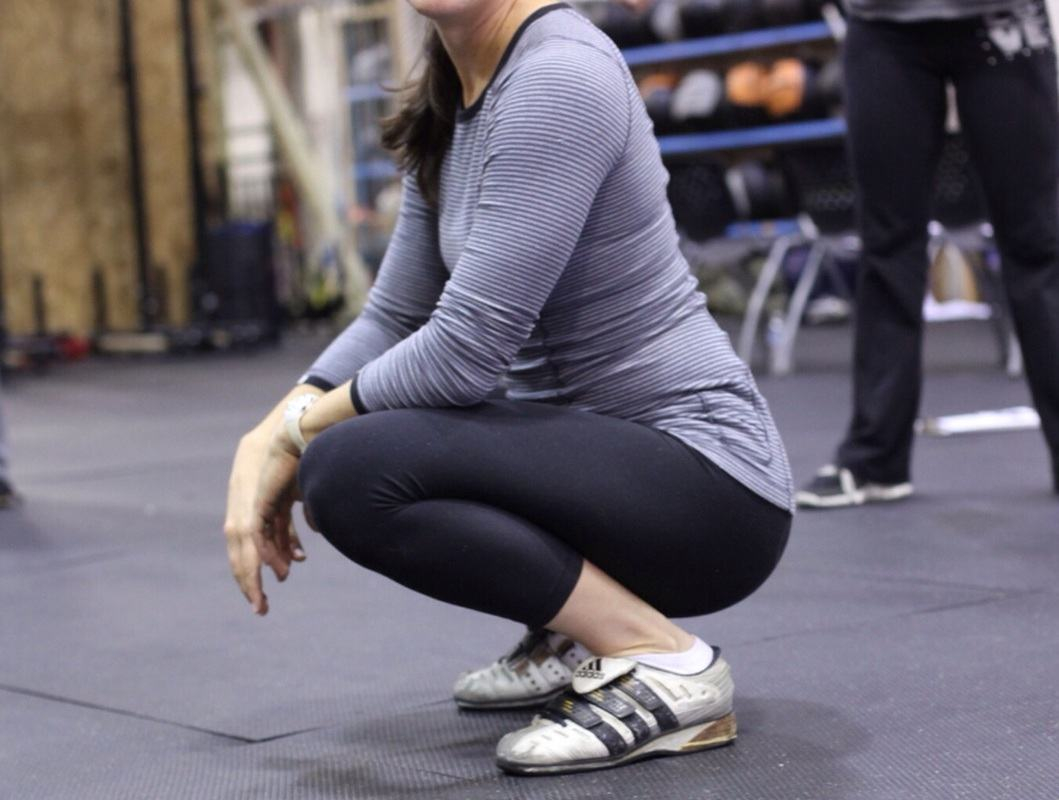
Ankle dorsiflexion
The ankle only moves in one plane (independently), and that is in the sagittal plane. In this plane it performs two types of movement, plantar and dorsal flexion. Plantar flexion is the downward movement of the toes (like a ballet dancer's toes). Dorsal flexion is the opposite movement. When you stand on your heel and pull the toe up. Dorsal flexion is essential because it allows the shin to move forward relative to the position of the foot. This is essential for body position and efficient use of power.
What causes poor dorsiflexion?
- Flexibility problems. In the calf muscle complex.
- Limitations in the ankle joint. This may be a tight joint socket or scarring and adhesion from previous interventions or injuries.
- Displacement of the hip arch. Poor posture (how often do you slouch when sitting at a desk?) This shifts your center of gravity forward, which the ankle tries to compensate for with plantar flexion.
- Other lower body injuries. If an athlete has knee, hip, back or other lower body pain, they will instinctively limp or avoid this discomfort by modifying their movement patterns. This will stiffen the ankle and limit its mobility.
- Frequent wearing of shoes with a raised heel. Yes, an elevated heel will gradually reduce your ankle mobility. I know you're now thinking, "What about weightlifting shoes?" There has long been debate about those-Matt Chan, for example, claims that these shoes are to blame for his injury. Greg Everet, on the other hand, says that weightlifting shoes have their merits-increasing dorsal ankle flexion and thus range of motion. Weightlifting shoes, of course, do not have the heel as high as, say, heeled shoes.
How to test ankle mobility?
Do a few squats without weight and have someone watch you. The classic sign of poor ankle mobility is lifting the heels off the ground.
Stand up straight with your feet together. Can you lift your foot without moving?
Kneel in a hip flexor stretch position, with one knee on the floor. You are testing your front foot, which will be about 13 inches from the wall. From this position, lean your knee toward the wall, keeping your heel on the floor as long as possible. This is how you will find out the angle that your shin can take. If you can get your knee up to the wall without lifting your heel, your ankle mobility is good.
What effect does poor dorsiflexion have on performance?
Depending on the level of immobility. But it can prevent you from performing certain movements altogether or start a chain of movement patterns that can result in or seriously risk injury. The shin has to stay more vertical, the torso leans more forward, and you lose neutral spine position (among other problems). In practical terms, you primarily lose the ability to generate maximum force. Without a neutral spine position, you are not transmitting maximum hip potential. With little load, you then create poor movement patterns that are not efficient and increase the risk of injury.
It is of course essential to spend some time on ankle mobility. Here are a few exercises to get you started:
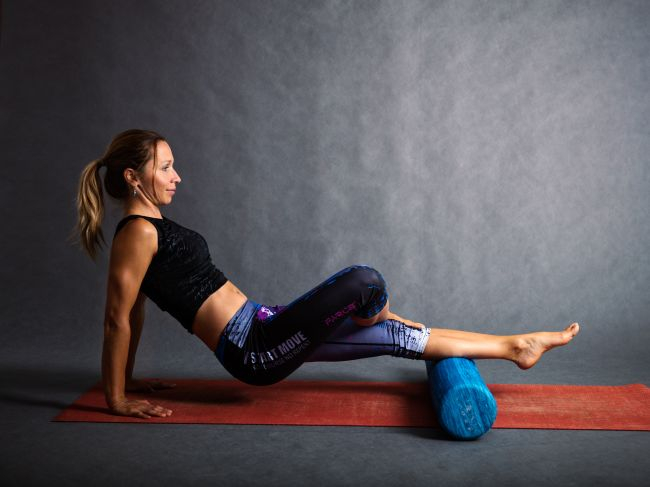
Myofascial release on a roller. Take as hard a roller as you can and sit on the floor. Place one foot on the roller, just above the ankle. If you find a hard area (you'll know), roll only over it for 10-20 seconds. The great thing is that you can roll your whole body and roll over different parts of the calf. You can also do dorsal flexion or circling while you roll.
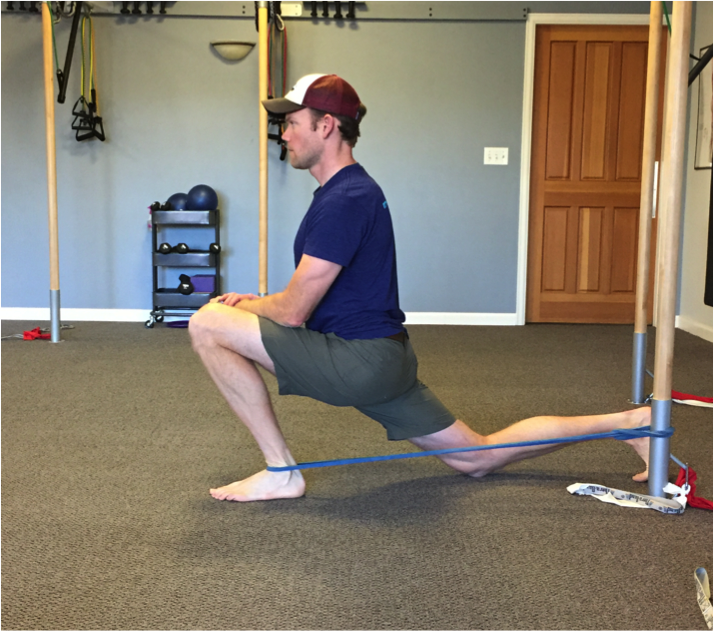
Stretch with a rubber band with an emphasis on forward motion. Tie the rubber band to something stable, like a squat rack. Stretch the leg with the front. The rubber will pull you back at the ankle. Place the toe of your working leg on a disc or other elevated object, with your heel on the ground. Move your knee back and forth to stretch the joint. Get to the end of your range of motion. Perform the exercise for 1-2 minutes.
Squats. This is quick and easy. Place your toes on something elevated (such as small discs) and get into dorsiflexion by bending your knees. As you improve, increase the base.
Startwith one knee on the floor. Keep your chest upright and off. Keep the PVC pipe perpendicular and outside your front leg. Lean into dorsal flexion, keeping your knee on the outside of the pipe.
Conclusion
There are literally a ton of exercises on the internet. You can also ask your favorite trainer. Either way, the few minutes you add to your overall mobility training by training proper ankle dorsiflexion will pay off handsomely!
William Imbo, Translated by Jaromír Uhlíř
Recommended

Nebbia Intense Mini Top GOLD Mesh 830

Nebbia Sportovní podprsenka se střední oporou ICONIC 230

Nebbia RE-FRESH Mikina 591

Prom-in Creatine HPLC
No posts have been made yet.








