What carbohydrates to consume? Diet for health
 Author:
 In recent years, carbohydrates have been unfairly relegated to the position of the main "nutrition demon" responsible for our fat stores, and modern dietary trends recommend that their intake be either severely restricted or even eliminated altogether. But of course this is not necessary. Healthy carbohydrates, not unhealthy carbohydrates, play a rather important role in the body and definitely have a place of honour in our diet. Let's take a look today at a few sources that really fill out the diet to include, i.e. carbohydrate-rich foods.
Article Content:
- What exactly are these carbohydrates and what role do they play in the body?
- Carbohydrate sources that are really worth having in your diet
What are carbohydrates and what role do they play in the body?
If you've read our introductory article entitled "what should a healthy diet contain", you'll already have at least a basic overview of carbohydrates, and today we're going to take it up a notch. What are carbohydrates? Carbohydrates can be divided into two main groups based on their chemical structure - simple carbohydrates and complex carbohydrates. The simple carbohydrate group (also otherwise known as sugars) can then be further divided into two smaller subgroups - monosaccharides and disaccharides.
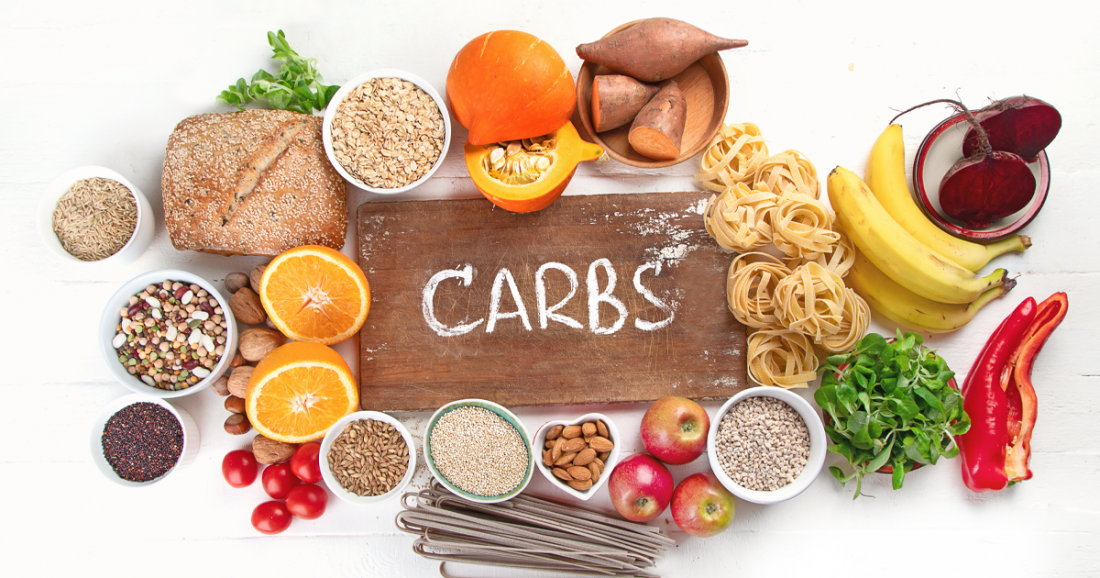
The most important monosaccharide is glucose, which circulates in the blood and serves as a source of energy for red blood cells and the central nervous system. Monosaccharides also include fructose, which is found in fruits, and galactose, which is part of the disaccharide lactose. Disaccharides include maltose (malt sugar), which is naturally produced when barley germinates, but is also produced in the human body as a by-product of the digestion of starches.
This group also includes the aforementioned lactose (milk sugar), which is found in dairy products and milk itself. The last representative is sucrose (beet sugar), the classic white sugar as we know it. In addition to table sugar, other sweeteners such as honey, maple syrup, agave nectar and molasses fall into this category. Contrary to popular belief, simple carbohydrates do not have to be strictly eliminated, but it is advisable to keep their intake under control and they should not dominate our diet.
The second large group is complex carbohydrates, or polysaccharides. Unlike simple carbohydrates, complex carbohydrates often contain fibre, which means they are released into the bloodstream more slowly and are therefore a longer-lasting source of energy.
This group includes mainly cereals and their products - wheat, barley, oats, rye, rice, but also buckwheat, quinoa and other supplements. Polysaccharides also include starches and fibre, which is a very important part of the diet. It is beneficial for the health of our intestinal biome and it can also slow down the digestive process, so that we can stay fuller for longer, which is not only useful when we are trying to reduce weight.
And what does our body actually need carbohydrates for? Carbohydrates are the body's main and most readily available source of energy. Our brains need them too and they can have quite a significant impact on our mood, mental well-being, ability to perform and overall physical and mental performance. In addition, complex carbohydrate sources contain a significant proportion of fibre, which is very important for our bodies, especially for our gut biome, where we find, among other things, the main "seat" of our immunity, and can also support proper fat reduction.
However, it's important to remember that not all sources of carbohydrates are the same, and not all are worth consuming in bulk. Complex carbohydrates should definitely dominate, but at the same time it must be said that sugars really don't need to be omitted completely, especially those from fruit. In addition to sugars, fruit also contains other nutrients that are beneficial to the body and it would be a shame to deprive yourself of them.
Sources of carbohydrates that are really worth having in your diet
Okay, let's move from theory to practice. Below we will give examples of what is really worth having in your diet, i.e. what carbohydrates are in. At the same time, of course, we add that there are many more suitable sources. The fact that we do not list some sources below does not mean that they are not healthy or that they should be avoided. Rather, we want to show you something a little less traditional or, conversely, remind you of foods (carbohydrate foods) that we often sort of neglect.
Oatmeal
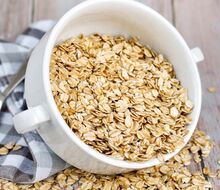
We probably can't put anything other than just oatmeal in the first place. Oatmeal has an absolutely fantastic nutritional profile - it contains complex carbohydrates, which are a great source of gradually releasing energy for the body, it also has a really good amount of fibre in the form of beta-glucans, which have a lot of health benefits for overall health. Oatmeal also boasts a decent protein content (on average between 11 - 15 g per 100g), which is also very good for the body. Their buildability is reported to be up to around 90% and their biological value is around 80, which is a pretty high number for a plant source.
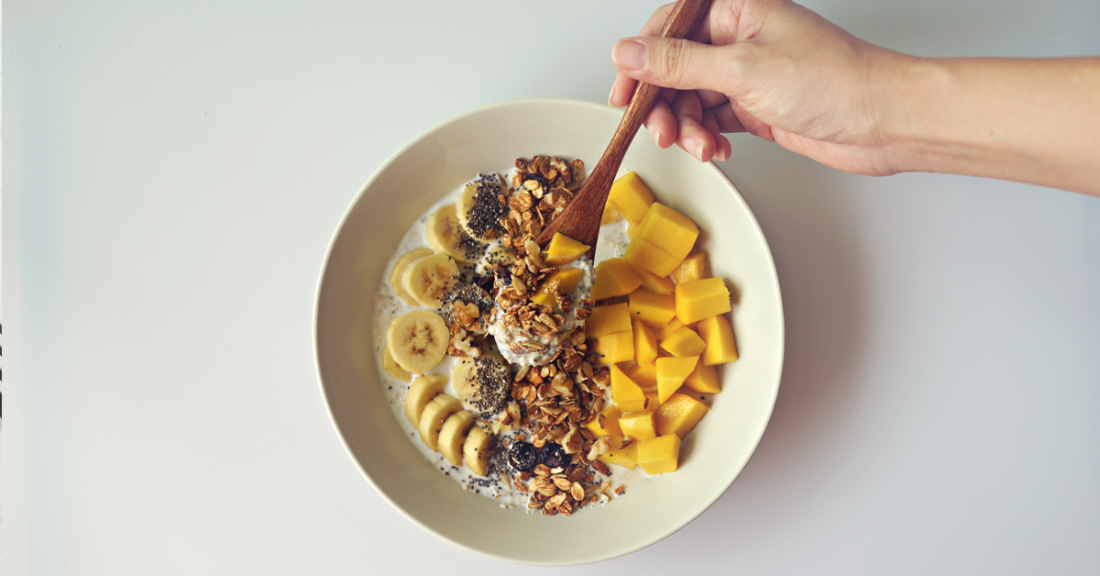
The list of nutritional benefits certainly does not end there - in oatmeal we also find a huge amount of micronutrients and antioxidants. Oatmeal is a good source of B-complex vitamins, as well as manganese, fortification, zinc, iron and magnesium. Consuming oatmeal is beneficial for the optimal functioning of our digestive system, it will support strong immunity, it is filling and a great source of energy. As a bonus, they are incredibly versatile and can be used for both sweet dishes (like porridge) and savoury dishes.
Quinoa
The pseudo-cereal quinoa has become very popular in recent years and we applaud it. It is a very good source of complex carbohydrates, fibre and minerals. It is particularly rich in B vitamins, vitamin C and E, and also contains calcium, magnesium, iron, manganese, phosphorus, folic acid, zinc and a range of antioxidants. The protein content is also worth mentioning - quinoa is one of the few plant sources of protein that boasts a full spectrum of all essential amino acids, making it a complete source of protein. As a bonus, quinoa is completely gluten-free, making it a suitable source for gluten-intolerant and celiac sufferers.
Thanks to its fibre content, quinoa can keep us well fed, which can also benefit us in terms of fat reduction. Fibre is also beneficial for our gut biome and strong immunity. The minerals in quinoa also benefit our cardiovascular system and help regulate blood sugar levels, which is appreciated not only by diabetics. Due to its high content of magnesium, manganese and phosphorus, quinoa can be described as a food that is beneficial to our bone health.
It comes in several varieties - the most common is white, but you can also find black or red varieties. If prepared correctly, it should have a mild nutty flavour and a pleasantly crunchy texture. And how to incorporate it into your diet? You can use it in a similar way to rice - as a side dish with meat, in salads, to make unusual pancakes or, for a change, you can use it to make porridge in the morning instead of oatmeal.
Buckwheat
From a nutritional point of view, buckwheat is indeed a very interesting food. As well as containing a high proportion of complex carbohydrates, it is also a great source of insoluble fibre, and its skin contains resistant starch that is fermented by gut bacteria in the large intestine. These beneficial bacteria produce short-chain fatty acids (SCFAs) such as butyrate. Butyrate and other SCFAs serve as nutrition for the cells lining the colon, thereby promoting its health and may help reduce the risk of developing cancer specifically of the colon. Buckwheat has a low to moderate glycemic index (GI) score and should not cause any significant fluctuations in blood sugar levels, making it a great food for diabetics as well.
Buckwheat also has a full spectrum of essential amino acids and is a complete source of protein. In addition, it contains other beneficial minerals such as manganese, copper, phosphorus, potassium, magnesium and iron. It is also worth noting that it is a good source of rutin, a powerful antioxidant that helps reduce inflammation in the body, regulates blood pressure and is important for blood vessel elasticity. Buckwheat also contains D-chiro-inositol, a unique type of soluble carbohydrate that lowers blood sugar levels, which may make it beneficial for the treatment of diabetes. Buckwheat is the richest source of this plant compound ever. Buckwheat also contains substances that benefit the cardiovascular system.

Buckwheat can be found in several forms. The basic type is the paddy buckwheat, which is not suitable for direct consumption but can be used, for example, to make tea. The second variant is hulled buckwheat, which is already intended for consumption and is actually the basic product from which other buckwheat products are made - groats, flakes or flour. Like quinoa, buckwheat can be used as a side dish with meat, in salads, made into porridge or added to soup. You can use the flour to bake all sorts of goodies or to make delicious pancakes.
Potatoes or sweet potatoes
Potatoes are also a very interesting, relatively cheap and at the same time really well available source of carbohydrates. Potatoes contain a lot of fibre which, as we have mentioned many times today, is very good for our bodies. In addition, potatoes contain resistant starch, which serves as a prebiotic, an indigestible compound that helps feed the beneficial bacteria (probiotics) that inhabit our gut.
Potatoes are considered a great source of antioxidants and vitamin C, a micronutrient that promotes heart health, boosts immunity, provides better absorption of other nutrients consumed, and promotes the production of collagen, which is important for our joints, tendons, ligaments, and skin.
In addition to all of the above, potatoes are also a great source of potassium, one of the most important minerals for overall health. Potassium is involved in more than 300 different enzymatic reactions in our body. It is needed to maintain fluid and electrolyte balance in the body, promotes heart health, helps lower blood pressure, reduces the risk of stroke and can even help prevent muscle cramps.
Potatoes also contain very few calories, making them an absolutely perfect part of a weight loss diet. In addition to being cheap, nutritious and readily available, potatoes can be used in the kitchen for so many dishes that they simply don't get old. Apart from the classic boiled in the skin, they can be stuffed, they make great mash, you can bake them, make pancakes... in short, there are no limits to your imagination! You can also replace potatoes from time to time with sweet potatoes, which are an interesting diversification, but they are quite expensive to eat regularly.

Fruits
Fruit should not be missing from our list, even though it is a source of sugars compared to the other foods mentioned. Fruits are a group of foods that are rich in fibre, vitamins, minerals and sugars and are characterised by their sweet taste. There are a lot of myths surrounding fruit consumption, so let's remember that there is no food that causes fatness on its own, which means that fruit doesn't just do it either.
Weight gain happens when our intake is higher than our output over a long period of time, and if you overdo it, you might as well gain weight after eating too much lettuce. Fruit does contain sugar, but unlike sweets, it also contains fibre, water and, depending on the type, various vitamins, minerals and antioxidants. This is what makes it a nutritionally valuable food, and thanks to this, it can be safely described as a very suitable part of the diet, regardless of whether it is a reducing food or not.
What types of fruit to include in the diet? Ideally all of them! Each type offers a slightly different nutritional profile and it is very advisable to rotate the types of fruit in your diet. When choosing, try to choose local and seasonal varieties, as these are the freshest and have the highest levels of health benefits. We don't have much choice in our conditions over the winter, but there are plenty of ways to add variety and colour to your diet throughout the rest of the year. We recommend not to eat fruit alone, but to supplement it with some protein - for example, yoghurt, kefir or protein powder.

Legumes
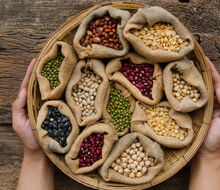
Legumes are one of the most neglected sources of nutrients. We deliberately do not say only carbohydrates, because legumes also have a very good proportion of vegetable protein. Legumes are a very important source of fibre and resistant starch - substances that have a very significant impact on the health and proper functioning of our digestive tract. Most varieties are high in micronutrients such as folic acid, iron, magnesium, phosphorus, manganese, potassium and various antioxidants. Legumes are often neglected in our diets, which is a shame, because there are a good list of benefits to eating them. From stabilizing blood sugar levels, to supporting the cardiovascular system, to helping with fat reduction.
As a bonus, legumes are cheap, readily available and, despite perceptions, easy to prepare. Legumes should be soaked for at least 12 to 24 hours before cooking. This process helps both to reduce the action of phytic acid, an antinutrient found in legumes, but can also potentially increase the amount of beneficial nutrients. If you want to make the job easier, feel free to reach for canned pulses, just be sure to watch the salt content. And how to incorporate pulses into your diet? Make a great soup, winter salad, a great spread or try baking some fantastic bean bownies!
Wholemeal pastry
Despite the myths that have accompanied it in recent years, bread can easily belong in a healthy diet. It certainly doesn't make you fat - but we've already come across that today. It's never just this or that food that's responsible for fat stores, it's the fact that overall we eat more calories than we can expend, so you really don't need to worry about pastries in your diet.
However, it's a good idea to take some care in your choice and opt for rye or at least whole grain options. Not that there's anything wrong with a classic white roll, in fact it often works out better calorie-wise than wholemeal flour, but wholemeal versions contain extra fibre and all sorts of micronutrients, making them more nutritionally valuable. Pastry is such a popular all-rounder that is suitable for all occasions.
Rice
We can't forget about rice in our list. From a nutritional point of view, it is much better to choose the natural version, which contains more fibre, but on the other hand - if you add some vegetables or even legumes to the classic white rice, the resulting dish will have plenty of fibre. There is a plethora of rice variants available on the market, but usually the downside is the higher price and the higher preparation time - especially the longer cooking time. The uses of rice probably don't need to be discussed in detail either. It can be used in both savoury cuisine and you can prepare some great rice porridge for breakfast.
Recommended
Country Life Quinoa BIO
What to take away from the article?
Today we talked in detail about carbohydrates. Again, we reminded ourselves that they are an important part of our diet, even when we are trying to lose weight. In addition, we also talked about what sources we can actually get them from - and that there are many to choose from! From oatmeal and rice, aka the ageless fitness classics, to legumes, potatoes and whole grain breads that we often look at through our fingers, to less traditional sources like quinoa or buckwheat. It's highly advisable to rotate carbohydrate sources in your diet, as each food contains slightly different nutrients and benefits our bodies in a different way. So don't be afraid to use them all and eat as varied as possible!
Sources:
Gabrial, S. G., Shakib, M. R., & Gabrial, G. N. (2016). Effect of Pseudocereal-Based Breakfast Meals on the First and Second Meal Glucose Tolerance in Healthy and Diabetic Subjects. Open access Macedonian journal of medical sciences, 4(4), 565-573. https://doi.org/10.3889/oamjms.2016.115
Bashir, K. M. I., & Choi, J. S. (2017). Clinical and Physiological Perspectives of β-Glucans: The Past, Present, and Future. International journal of molecular sciences, 18(9), 1906. https://doi.org/10.3390/ijms18091906 Hou, Q., Li, Y., Li, L., Cheng, G., Sun, X., Li, S., & Tian, H. (2015). The Metabolic Effects of Oats Intake in Patients with Type 2 Diabetes: A Systematic Review and Meta-Analysis. Nutrients, 7(12), 10369-10387. https://doi.org/10.3390/nu7125536
Ho, H. V., Sievenpiper, J. L., Zurbau, A., Blanco Mejia, S., Jovanovski, E., Au-Yeung, F., Jenkins, A. L., & Vuksan, V. (2016). The effect of oat β-glucan on LDL-cholesterol, non-HDL-cholesterol and apoB for CVD risk reduction: a systematic review and meta-analysis of randomised-controlled trials. The British journal of nutrition, 116(8), 1369-1382. https://doi.org/10.1017/S000711451600341X
Giménez-Bastida, J. A., & Zieliński, H. (2015). Buckwheat as a Functional Food and Its Effects on Health. Journal of agricultural and food chemistry, 63(36), 7896-7913. https://doi.org/10.1021/acs.jafc.5b02498
Różańska, D., Mikoś, K., & Regulska-Ilow, B. (2020). Assessment of the glycemic index of groats available on the Polish food market. Roczniki Panstwowego Zakladu Higieny, 71(1), 81-87. https://doi.org/10.32394/rpzh.2020.0101
Neela, S., & Fanta, S. W. (2019). Review on nutritional composition of orange-fleshed sweet potato and its role in management of vitamin A deficiency. Food science & nutrition, 7(6), 1920-1945. https://doi.org/10.1002/fsn3.1063
Kan, L., Nie, S., Hu, J., Wang, S., Cui, S. W., Li, Y., Xu, S., Wu, Y., Wang, J., Bai, Z., & Xie, M. (2017). Nutrients, phytochemicals and antioxidant activities of 26 kidney bean cultivars. Food and chemical toxicology : an international journal published for the British Industrial Biological Research Association, 108(Pt B), 467-477. https://doi.org/10.1016/j.fct.2016.09.007
Wallace, T. C., Murray, R., & Zelman, K. M. (2016). The Nutritional Value and Health Benefits of Chickpeas and Hummus. Nutrients, 8(12), 766. https://doi.org/10.3390/nu8120766
No posts have been made yet.