





Fruit juices: a tasty and healthy part of breakfast or extra calories?
 Author:
 For many people, a tasty and healthy breakfast is the most important meal of the day. And almost everyone likes to have a glass of fruit juice with their sweet breakfast from time to time, and wouldn't even think of questioning whether it's healthy at all. After all, it's just fruit, right? In today's article, we're going to show you how fruit juices really are, and whether you really see them as a healthy source of vitamins or rather extra calories.
Article content:
- What are the different types of juices?
- The disadvantages of fruit juices in a nutshell
- Advantages of fruit juice cubes
- What to take away from today's article?
What are the different types of juices?
You must have noticed that when you visit the supermarket, you can choose from dozens of different products and each of them has a completely different price tag. Why is that? Different processing methods and different fruit content. For the purposes of today's article, we can divide the commonly available fruit or vegetable juices into the following categories:
100% fresh juice
As you can probably guess, fresh juice with 100% fruit is the best possible choice. For example, if you take oranges at home and decide to juice them, you will get 100% orange juice that contains no added preservatives, colourings, stabilisers, sweeteners or anything like that. When you come across these products in the supermarket, they usually have a relatively small package and a high price tag, but you are guaranteed freshness. At the same time, the vitamin and mineral content is not compromised, and if the juice has whole pieces of pulp, it also contains a certain amount of fibre.
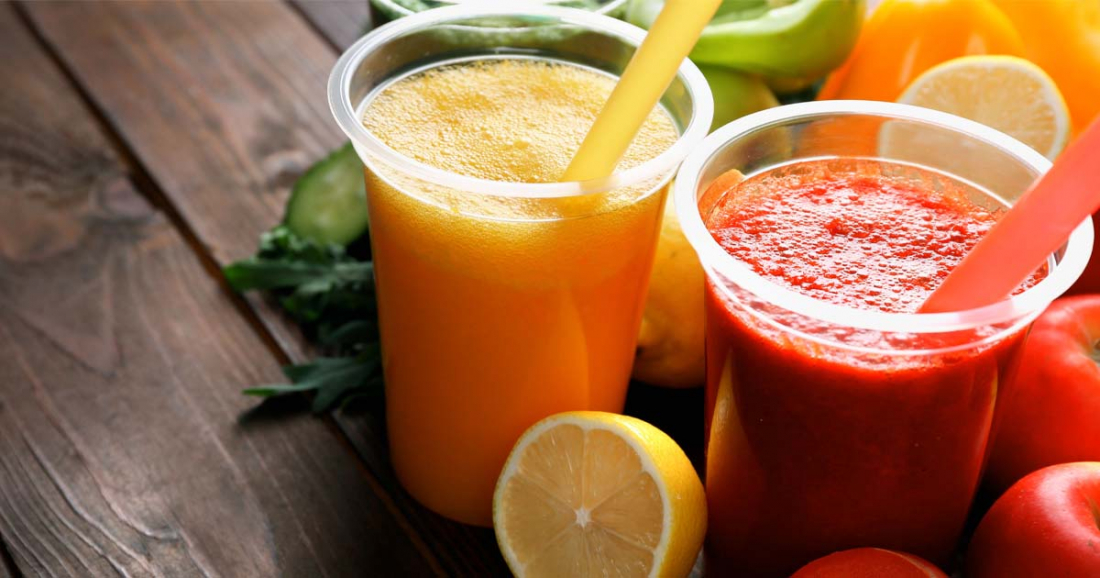
Of the fruit juices, orange juice is undoubtedly the most popular, but tomato juice is also growing in popularity.
100% juice from concentrate
As you can probably guess, it's much more common to come across juice that, although it contains only fruit, comes from concentrate. What this means in practice is that all the water in the fresh juice is evaporated to produce a syrupy liquid. This eases transport costs and eventual distribution and when the product needs to be packaged and sold, it is topped up with evaporated water.
This replenishment should be in the same proportion - if 60% of the water has evaporated from the juice initially, 60% should now be added. If more water is added to the concentrate than was originally evaporated, the resulting mixture is thinner and the product should be sold as "nectar." The problem with concentrates is that, according to expert observation, the desired flavour is lost in the production of concentrates, so some producers use certain additives.
Concentrate juice
If you don't see "100% fruit" anywhere on the product, it most likely contains far fewer of these ingredients - these are usually juices containing less typical and relatively expensive fruits or vegetables. The ingredients declared on the packaging are usually very scarce in the product, but they are also flavored with cheaper concentrates (e.g. apple) and of course a good portion of sugar, glucose-fructose syrup or other sweeteners. This variant is the worst ever and rather than being a healthy part of breakfast, it is a drink similar to sugary sodas, which we mentioned negatively, for example, in our article on eating habits that will help you lose weight.

While it may not be obvious at first glance, fruit juices can have the same amount of sugar as, say, the popular Coke or Sprite.
Disadvantages of fruit juices in a cube
Most people naturally associate fruit juices with a healthy lifestyle. And while the vast majority of them are obviously much better than sweetened sodas, they still have their negatives. Some of the most important ones worth discussing briefly, in our opinion, include:
They're loaded with sugar
Whether you buy 100% fresh juice or juice from concentrate, it will still contain quite a lot of sugar. In the case of orange juice, most products are around 10 grams per 100ml of product, which is equivalent to 25 grams of sugar in one smaller glass of juice. And while most of us can sort of count on some sugar, it certainly doesn't make juice a food suitable for reduction diets. For example, the problem is that the satiating effect is significantly lower with juice than with whole fruit.
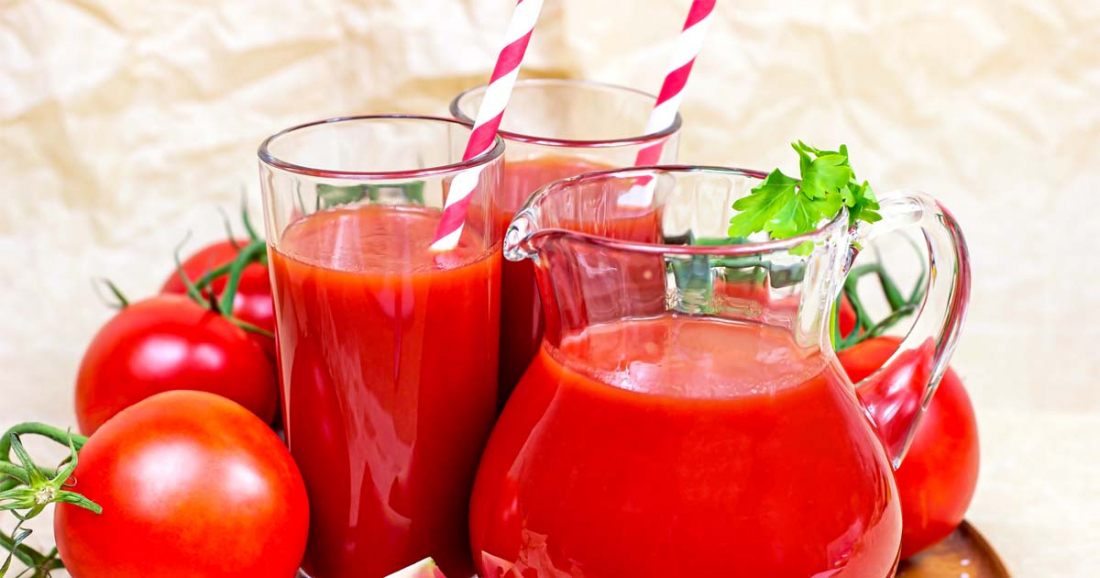
If you like tomato juice, you win. It contains much less sugar.
They don't contain as much fibre
Juice, even if it contains only fruit, will never contain the same amount of fibre as whole fruit. For example, according to the calorie tables, 100 grams of orange has 3 grams of fibre, whereas the equivalent amount of orange juice has only 0.2 grams. And in addition to being one of the factors that influence hunger, fiber also helps to moderate fluctuations in blood sugar levels after simple carbohydrates , according to scientific research .
There may be a reduction in some micronutrients
The last of the negatives mentioned is still a matter of debate to some extent. There are scientific articles that point to a rather significant reduction in micronutrients (especially vitamin C and thiamine), but on the other hand, research carried out by Tetra Pak, for example, has not shown any reduction in vitamin C in pasteurised juices. As it happens, most studies agree that there is a loss of vitamin C during pasteurisation, but it is not a staggering loss.
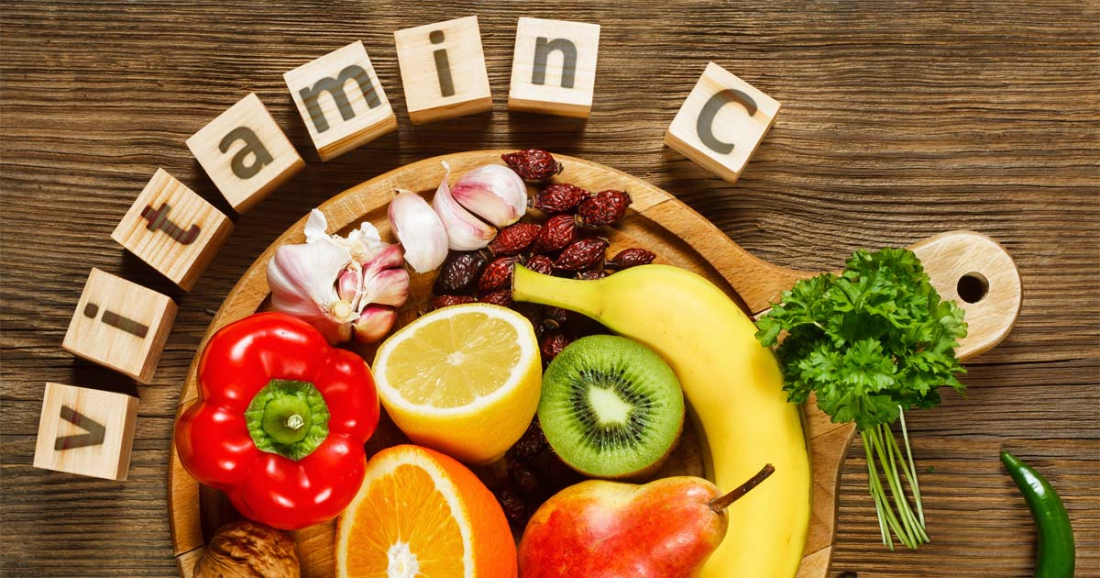
If you want to guarantee the highest possible micronutrient content, reach for fresh fruit. But according to most research, the content in juices isn't bad either.
The benefits of fruit juices in a nutshell
To make the article as objective as possible, we need to look at the benefits as well. It is still true that juices are not just sweetened water, but also contain a variety of different substances that can be beneficial for our bodies. In our opinion, the biggest benefits of fruit juices include:
They contain a variety of positive substances
Since it is still a fruit, juices also contain a huge amount of health benefits. In addition to vitamin C , it is worth mentioning beta carotene, flavonoids and anthocyanins, all of which play a number of important roles in our bodies. And when you don't have the opportunity to indulge in fresh fruit, fruit juices are definitely a good source. However, it is important to remember that the higher the fruit content of the product, the higher the amount of these health benefits.
Recommended

Czech Virus Odorless Garlic 1500

Nebbia Sportovní podprsenka se střední oporou 305

Nebbia Washed muscle back stringer GOLDEN AGE 791

Czech Virus Essential Minerals
They taste great
When it comes to juices, there's a huge range across the board, so there's something for everyone. After all, juices taste great and can help you get in the mood for the day right at breakfast, for example. And if your calorie plan allows it, they're definitely a better choice than carbonated sodas. If you don't want to ingest that much sugar, they can be diluted 1:1 with water.
What to take away from today's article?
Today's article was definitely not meant to somehow suggest that juice is bad. That's not the case at all - from time to time it's a great drink that refreshes and also contains quite a few different vitamins, minerals and other important components.
And if you choose fresh, you can enjoy almost identical amounts of micronutrients as in fruit. But it's good to remember that juices contain similar amounts of sugar as carbonated sodas, while lacking the fiber that fruit contains in its raw state. So you can certainly indulge in juice, but everything in moderation. You may end up eating 250 kilocalories more for breakfast without even knowing it.
No posts have been made yet.








