





Legumes - a neglected part of the diet hiding a stunning nutritional wealth!
 Author:
 Legumes, we all know them, but how many of us eat them regularly? They are considered a staple food in many cultures, yet they are very controversial for many people. Legumes can be a very enjoyable way to liven up your diet. After all, they are a source of plant-based proteins that count too! In addition, they contain other nutritional treasures that cannot be overlooked. Discover the benefits of eating legumes too!
WHAT ARE LEGUMES AND WHAT DO THEY OFFER?
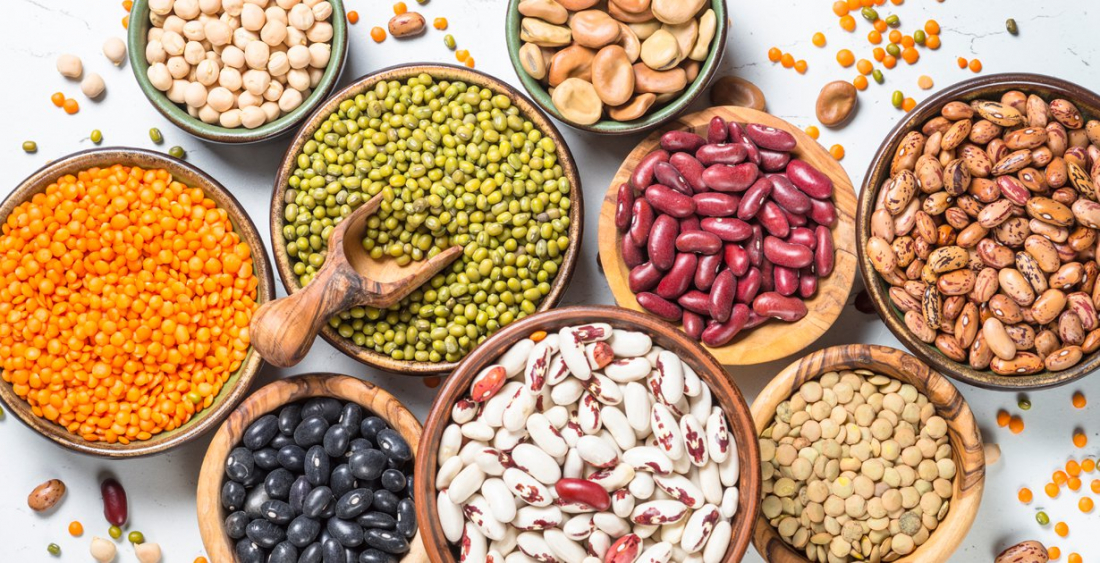
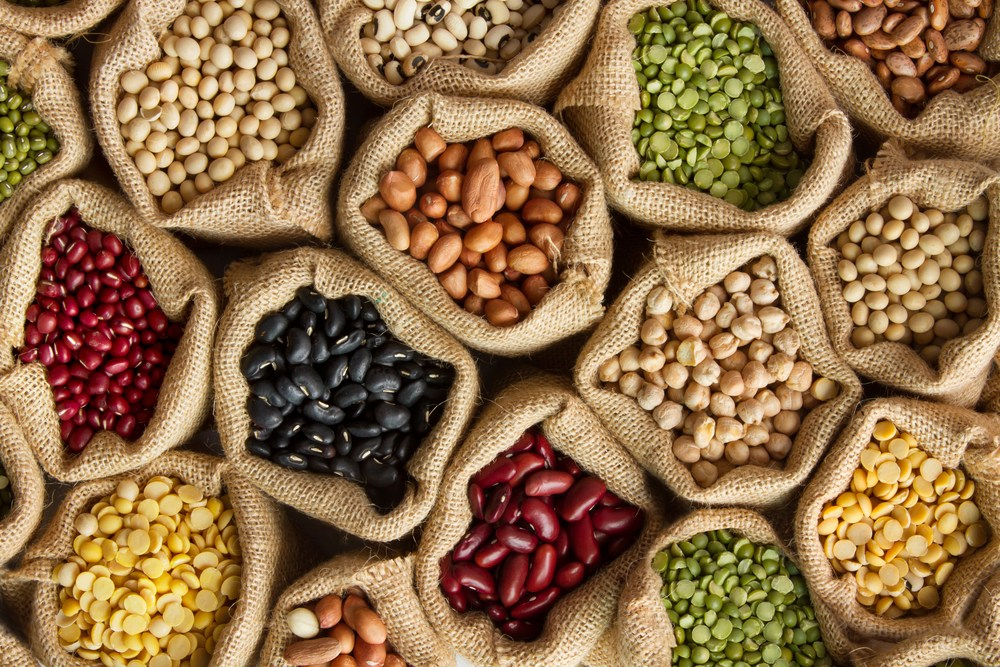
Legumes (the older name for pulses) are plants of the legume family that form fruits enclosed in pods. They include peas, lentils,beans, chickpeas, peanuts and also soybeans. The different types of pulses differ in their nutritional value, appearance, taste and, last but not least, their use and method of preparation. In addition, pulses are usually very inexpensive, which is another major benefit and, in particular, makes them a staple of the local diet in many developing countries .
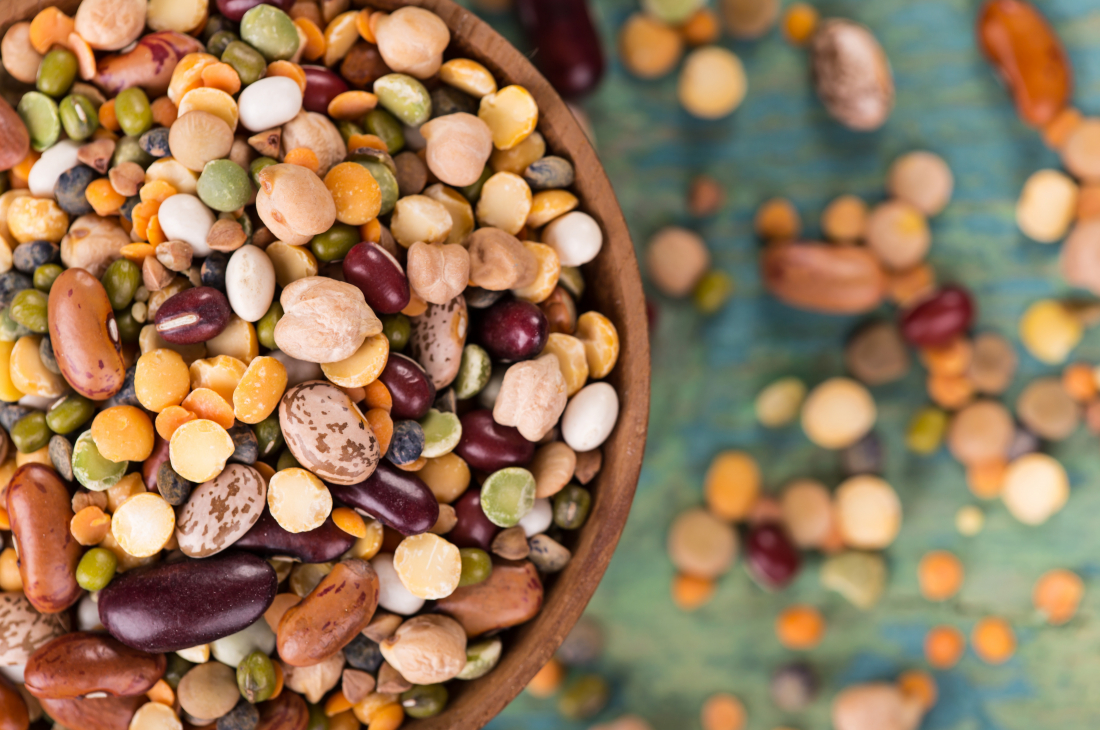
In terms of nutritional content, pulses have a perhaps unexpectedly rich nutritional profile, standing out in particular for their protein and fibre content. A 200g portion of pulses contains on average only around 230 calories, making them a super nutrient-packed food for maintaining a slim line. Pulses are considered one of the best plant sources of protein, due to the fact that they bind nitrogen, which is an essential component of amino acids, the building blocks of protein. Let's take a closer look at some of the benefits.
FOODS HIGH IN VEGETABLE PROTEIN
Most legumes are packed with protein and are consideredone of the best sources of plant protein. For example, chickpeas and beans contain up to 15g of protein per serving, and white beans often contain up to 19g. Protein is a very essential part of the diet and iscritical for cellular function and muscle growth. For this reason in particular, legumes are especially important in vegan and vegetarian diets, and are often used as a primary source of protein in these types of diets . When it comes to weight loss, getting enough protein can also make you feel fuller for longer, while also stimulating your metabolism and increasing the amount of calories you burn (the thermic effect of eating). Adding one serving of legumes to your diet at least 2-3 times a week will help you meet your daily protein needs easily and palatably.
You can buylegumes on our website here!
PULSES, A TREASURE TROVE OF FIBRE
Legumes are a rich source of healthy fibre, including so-called resistant starch and soluble and insoluble fibre. These two nutritional components have much in common. One of the most important is the fact that they pass through our digestive tract in undigested form, making their way to the large intestine where they serve as a quality source of food and energy for beneficial gut bacteria. One cup of cooked lentils, for example, contains 16 grams of fiber, or up to 64 percent of the recommended daily allowance of fiber.
A small disadvantage of insoluble fiber and resistant starch is that they cause side effects in the form of bloating and flatulence, but they also contribute to the formation of short-chain fatty acids such as butyric acid. These acids then have a significantly positive effect on the digestive environment and gut health, and studies have even shown that they reduce the risk of developing colon cancer. In addition, fatty acids are also effective in reducing post-meal glycaemia - the fluctuations in blood sugar levels following a meal - while improving the sensitivity of cells to insulin.
Increasing fibre intake is also beneficial for bowel regularity. This is because fibre slowly passes through the digestive tract and adds volume to the stool, which aids its passage. This is especially beneficial if you suffer from constipation. However, it is important to remember that you should increase your fibre intake slowly and gradually and drink plenty of water to go with it. A sudden increase in fibre intake can cause unpleasant symptoms such as gas, cramps or bloating.
FAT REDUCTION HELPERS
Due to their high protein and fibre content,pulses are also a high satiating food, which means they have the ability to keep us fuller for longer. Eating them regularly can lead to a reduction in food intake, and therefore calories, so including them in your diet can be a very good strategy for fat reduction. Legumes are also very nutritious foods, which means they are low in calories, but are literally packed with lots of vitamins, minerals and nutrients in each serving. This makes it easier to handle the calories you take in and can again be very beneficial in fat reduction.
LEGUMES FOR A HEALTHY HEART
The heart is one of the most important organs in the body, there is no need to debate this at length. It pumps blood to all the tissues in the body and supplies them with the oxygen and nutrients they need to function and thrive optimally. Protecting the health of your heart is naturally very important, as heart disease is the number one cause of death worldwide. Coupled with a healthy diet and an active lifestyle, adding a serving or two of legumes to your plate each day can have a very positive effect on your heart health.A 2011 studyshowed that a diet rich in legumes can reduce total and bad LDL cholesterol. Other research has confirmed other heart-healthy benefits of legumes, such as reducing triglycerides, blood pressure and inflammation.
EXCEPTIONAL VITAMIN AND MINERAL CONTENT
In addition to their admirable fibre and protein content, pulses are also very rich in micronutrients such as vitamins and minerals. Most pulses are high in micronutrients such as folic acid, iron, magnesium, phosphorus, manganese and potassium. A cup of lentils, for example, provides 90 percent of your daily needs for folic acid and up to 37 percent of the daily recommended dose of iron. Therefore, legumes are a very good source to supplement all the necessary nutrients. Legumes are especially important for vegetarians and vegans, who can use their intake to ensure that their micronutrient needs are met.
You can buypulses on our website here!
LEGUMES PLAY A ROLE IN STABILISING BLOOD SUGAR LEVELS
As if all the benefits of eating legumes weren't enough - in addition to all the positive health benefits mentioned above, legumes are also excellent when it comes to regulating blood sugar levels. The high amount of fiber found in legumes slows down the absorption of sugar in the bloodstream and keeps blood sugar levels stable.A 2014 study with over 2,000 participants found that blood sugar levels, along with other factors, were significantly lower in those who regularly ate legumes compared to those who did not.
THE DOWNSIDES OF EATING PULSES
Although legumes have many invaluable health benefits, there are some downsides to consider. Legumes contain so-called antinutrients, or compounds that can interfere with the absorption of important micronutrients such as iron and calcium. By far the most common antinutrient found in legumes is phytic acid, the main storage form of phosphorus found in foods such as cereals, pulses and nuts. The problem is that phytic acid can bind to certain minerals, including iron, zinc calcium, magnesium and manganese, inhibiting their absorption.
Over time, this can cause certain nutrients that are inhibited from being absorbed by the acid to become deficient when higher levels of legumes are consumed . However, this is much more common among vegetarians and vegans than among meat eaters who combine protein sources.
Another type of antinutrients found in legumes are the so-called lectins. Which are a fairly frequently discussed cause of various diseases lately. These are mainly various digestive disorders such as vomiting or bloating and diarrhoea, immune disorders, skin problems, polyvalent food allergies, inflammatory bowel disease and autoimmune diseases. Fortunately, however, the adverse effects of antinutrients in legumes can be greatly minimized with proper legume conditioning techniques.
Some people may also be allergic to certain types of legumes , especially peanuts. It is also important to keep in mind that legumes also contain carbohydrates, so for diabetics and individuals who follow a Paleo diet, legumes can cause mischief.
HOW TO MODIFY LEGUMES TO GET THE MOST OUT OF THEM AND MINIMIZE THE ADVERSE EFFECTS OF ANTINUTRIENTS?
Proper preparation is key to reaping the full health benefits of legumes. Certain cooking methods can reduce the negative effects of antinutrients while even improving the nutritional profile. One of the most effective ways is to soak the legumes ahead of time - called sprouting. Sprouting is a process thatinvolves soaking legumes for between eight and 24 hours. Soaking not only helps to reduce the action of phytic acid, but it can also potentially increase the amount of beneficial nutrients that legumes contain.
Fermentation is another process that can significantly improve the nutritional quality of pulses. Fermentation typically involves combining seeds with yeast and acid to produce health-promoting bacteria that can help break down hard-to-digest foods in the gastrointestinal tract. Studies show that fermenting legumes can facilitate protein digestion and reduce the amount of phytic acid in foods.By soaking , sprouting and fermenting legumes, you canensure that the nutritional content of legumes is optimized, increase nutrient absorption and prevent potential negative side effects associated with legume consumption.
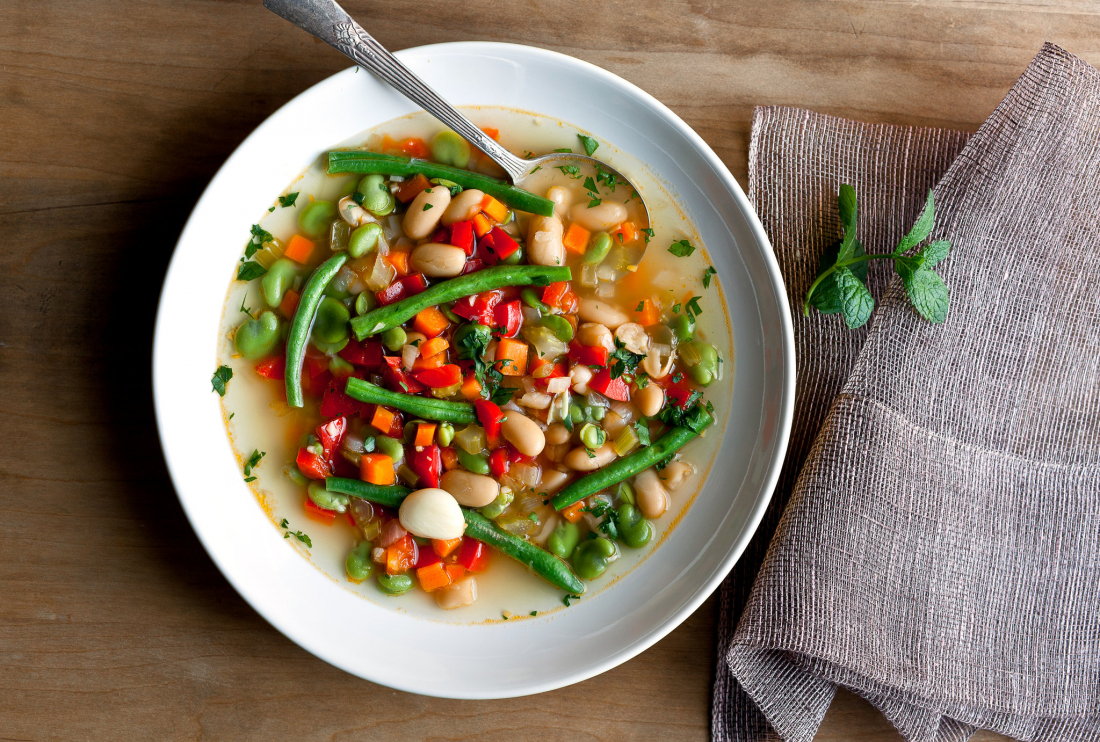
Not sure how to actually incorporate legumes into your diet? Try hummus, a traditional chickpea spread. Look for an Indian recipe or try a pulse soup.
You can buypulses on our website here!
WHAT ARE THE BEST PULSES AND WHICH ONES TO AVOID?
Beans, lentils and peas are the main types of pulses and all are relatively comparable in terms of nutritional content. Keep in mind, however, that some forms of these legumes may be preferable to others. For example, when comparing raw and prepared, canned beans, canned beans have many times the salt content due to the brine they are pickled in to make them able to last for a long time on store shelves. High salt content, on the other hand, is not beneficial to heart health at all.
Even though raw legumes are preferred, they can take longer to prepare and may not be as efficient or convenient for many people. If you opt for canned versions for this very reason, make sure they contain a minimum of added sodium and rinse them well with water before using. Most types of pulses are safe to eat and generally do not pose a health risk.
However, eating raw or undercooked beans can actually be very dangerous. Especially if they contain phytohemagglutinin, a type of lectin that can be toxic when consumed in large quantities. You may think this is gibberish, but there are actually many cases of phytohemagglutinin poisoning due to eating raw or undercooked beans. Fortunately, cooking deactivates phytohaemagglutinin and negates its toxic properties. For this reason, it is important to avoid raw beans and to ensure that they are sufficiently soaked and properly prepared.
WHAT TO TAKE AWAY FROM THE ARTICLE?
Legumes are an underrated part of the diet. Yet they hide so many good things! They are one of the best plant-based sources of protein, as well as containing tons of fiber, vitamins and minerals. This rich nutritional content provides many health benefits - legumes help strengthen the heart, can be beneficial in weight loss, help regulate blood sugar levels and so on. It is important to prepare them the right way, otherwise they can have a negative effect in the wellbeing of bloating and flatulence. Legumes are a great way to freshen up your diet!
Sources:
https://www.researchgate.net/publication/303371386_The_number_of_known_plant_species_in_the_world_and_its_annual_increase
Polak, Rani et al. "Legumes: Health Benefits and Culinary Approaches to Increase Intake." Clinical diabetes : a publication of the American Diabetes Association vol. 33.4 (2015): 198-205. doi:10.2337/diaclin.33.4.198
Mitchell D.C., Lawrence F.R., Hartman T.J., Curran J.M. (2009) Consumption of Dry Beans, Peas, and Lentils Could Improve Diet Quality in the US Population Journal of the American Dietetic Association, 109 (5) , pp. 909-913.
Rodhouse JC, Haugh CA, Roberts D, Gilbert RJ. Red kidney bean poisoning in the UK: an analysis of 50 suspected incidents between 1976 and 1989. Epidemiol Infect. 1990;105(3):485-491. doi:10.1017/s095026880004810x
Devi CB, Kushwaha A, Kumar A. Sprouting characteristics and associated changes in nutritional composition of cowpea (Vigna unguiculata). J Food Sci Technol. 2015;52(10):6821-6827. doi:10.1007/s13197-015-1832-1
Gupta RK, Gangoliya SS, Singh NK. Reduction of phytic acid and enhancement of bioavailable micronutrients in food grains. J Food Sci Technol. 2015;52(2):676-684. doi:10.1007/s13197-013-0978-y
Rosalind S Gibson, Anne-Louise M Heath, Ewa A Szymlek-Gay, "Is iron and zinc nutrition a concern for vegetarian infants and young children in industrialized countries?", The American Journal of Clinical Nutrition, Volume 100, Issue suppl_1, July 2014, Pages 459S-468S, https://doi.org/10.3945/ajcn.113.071241
Richard Hurrell, Ines Egli, Iron bioavailability and dietary reference values, The American Journal of Clinical Nutrition, Volume 91, Issue 5, May 2010, Pages 1461S-1467S, https://doi.org/10.3945/ajcn.2010.28674F
Sajjadi F, Gharipour M, Mohammadifard N, Nouri F, Maghroun M, Alikhasi H. Relationship between legumes consumption and metabolic syndrome: Findings of the Isfahan Healthy Heart Program. ARYA Atheroscler. 2014;10(1):18-24.
Bazzano LA, Thompson AM, Tees MT, Nguyen CH, Winham DM. Non-soy legume consumption lowers cholesterol levels: a meta-analysis of randomized controlled trials. Nutr Metab Cardiovasc Dis. 2011;21(2):94-103. doi:10.1016/j.numecd.2009.08.012
Yang J, Wang HP, Zhou L, Xu CF. Effect of dietary fiber on constipation: a meta analysis. World J Gastroenterol. 2012;18(48):7378–7383. doi:10.3748/wjg.v18.i48.7378
No posts have been made yet.








