





Veganism as a lifestyle
 Author:
 There are more and more vegans and vegetarians around us, many of us thinking that it is just some dietary invention of modern times. But the opposite is true, veganism is definitely not just any diet, it is a total lifestyle that we work towards throughout our lives.
As time goes on, some of us start to realise more and more that in order to have steaks for Sunday lunch, we first need to raise a pig, then kill and butcher it. But it's a living being just like us, so why abuse it? Another example would be a leather jacket. Where does the leather come from? Oh, right, from animals. The same leather can be used to make shoes and other things that are already part of our lives.
Vegans perceive all this as completely unnecessary harm to animals and for their cruelty, and they try to either stop it completely or at least minimize it with their lives and attitudes.
Who is this vegan anyway?
A vegan is defined as a person who follows a vegan way of life. The degree to which this is done is individual, no one has to be a strict vegan. Equally, it can change over time. In any case, you won't find meat, dairy, eggs, often not even honey on a vegan's plate, he doesn't wear a leather jacket or a wool sweater, but organic vegan clothes, he wears vegan shoes on his feet instead of leather shoes.
Will veganism affect health?
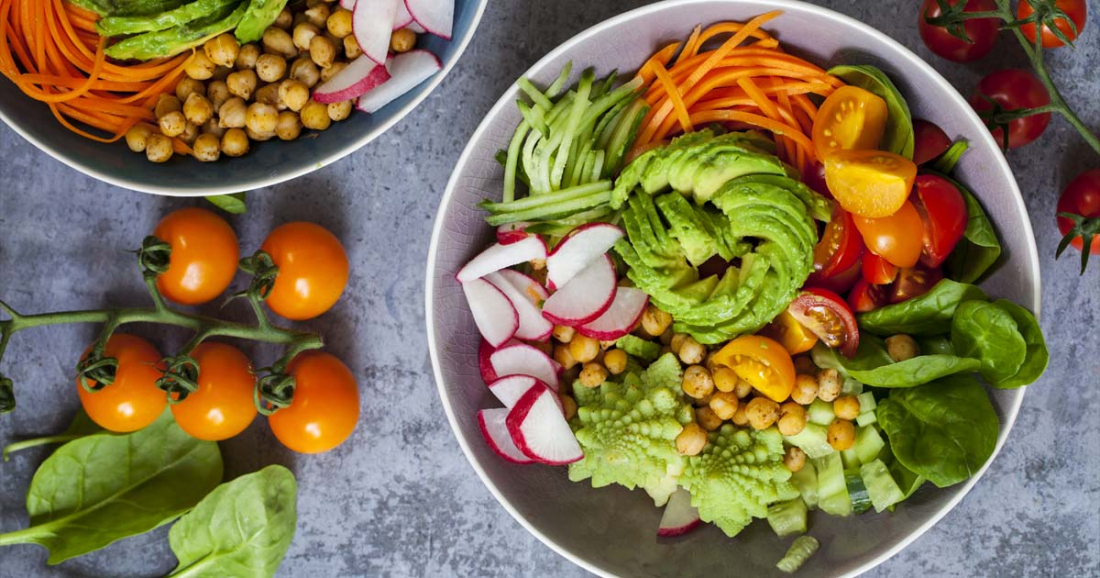
Many of us will respond without thinking that it certainly does. After all, a vegan's diet can't be very varied, and he must miss the meat. But the truth is that it is only when you become a vegan that you start to discover how many different kinds of fruit you can enjoy, what nuts and seeds you have never seen before. And so we could go on and on.
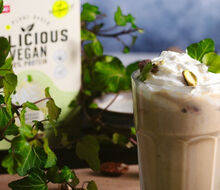
In addition to fruits, vegetables, nuts and seeds, a vegan's dietis rich in various legumes, cereals and their products, and he can also enjoy protein pancakes, burgers, plant milk, tofu and other vegan products such as sausages, spreads, even ice cream. Not only athletes can also bet on vegan protein, which will add the necessary proteins to the body. Vegans often have a problem with these, as their biggest source is meat, which they have eliminated from their diet.
Well, a vitamin and mineral deficiency? That too can be addressed. The key to vegan health is a varied diet and nutritional supplements for vegans to cover any deficiencies. In particular, vegans should supplement their bodies with:
Omega 3 fatty acids
Omega 3 fatty acids are essential for proper vision and brain development in children, are anti-inflammatory, can alleviate depression and are up to 50% lower in the blood of a vegan than the general population. Walnuts, flaxseeds, chia seeds, hemp seeds, etc. are great sources.
Vitamin B12
Vitamin B12 is mainly found in meat, milk, eggs and cheese, everything that vegans omit from their diet. However, it is a vitamin that is needed for the production of red blood cells, for the proper metabolism of proteins or for the proper functioning of the nervous system, and a deficiency can lead to anaemia or damage to the nervous system. To avoid this, include it in your diet at least in the form of vegan supplements, nori seaweed is also a great source.
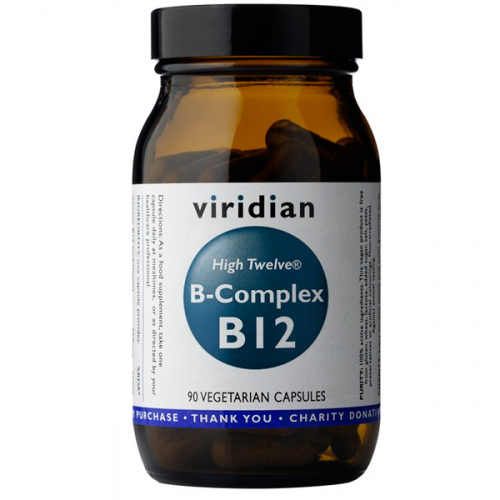
This product is suitable for vegans, vegetarians and people with increased physical activity.
Vitamin D
Another essential vitamin that many of us, not just vegans, struggle with. It's essential for healthy bones, helps the body absorb calcium, and in the summer we get it from the sun. It's also found in red meat, eggs, oily fish, but you hardly find it in plant foods.
Iron
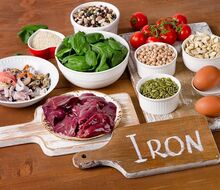
Sources of iron are red meat, liver, beans and chickpeas; those who are deficient in iron can suffer from fatigue and lack of energy. But did you know that excess iron can also be a problem, so supplements should be taken with caution, preferably after consulting a doctor and having a blood test?
Zinc
A trace element that supports the proper functioning of the metabolism and immune system, helps wound healing and is also important for cell repair. Together with magnesium, it is one of the two trace elements essential for the proper functioning of our body, and its sources include tofu, whole grains, legumes, nuts and various seeds.
Calcium
We need it for bone and dental health as well as for proper muscle function and heart rhythm. It is also important for the transmission of nerve impulses. Vegans are more likely to suffer from a deficiency than others, which can manifest itself in thinning bones, for example.
Plant foods rich in calcium include legumes such as beans and lentils, leafy and cruciferous vegetables (broccoli, Brussels sprouts, cauliflower, carrots, sweet potatoes) and seeds(hemp, chia).
Creatine
More than 95% of creatine in the human body is found in muscle tissue, its role is to supply energy to muscle cells, it is a so-called fast energy source. When its supply is depleted, muscle fatigue sets in. The human body can make about half of the creatine it needs, the rest must be taken in through diet. The problem is that it is not found in any plant material.
Try our fitness recipe for Vietnamese vegan tofu balls with rice noodles
Iodine
A mineral important for proper thyroid function and overall body development. Its level varies according to diet, it is found in sea fish and other seafood, vegans can use iodized salt.
Selenium
An antioxidant found in gut or seafood, selenium contributes to normal thyroid function, cell protection and the proper functioning of the immune system. It is also involved in DNA synthesis. Its content in foods varies according to the amount in the soil, and other sources include Brazil nuts, beans, cereals and seeds, andother nuts.
Recommended
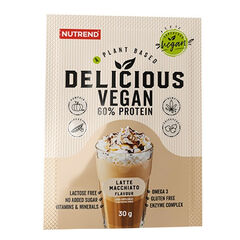
Nutrend Delicious Vegan protein
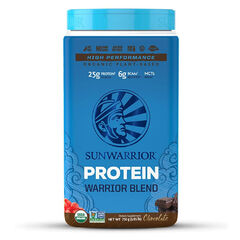
Sunwarrior Protein Blend Bio
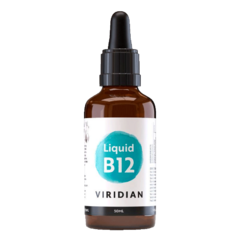
Image source: shutterstock.com, viridian-nutrition.com
No posts have been made yet.








