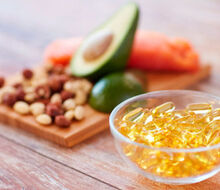
The best sources of plant-based omega-3 fatty acids for people who don't eat fish
 Author:
 Omega-3 fatty acids are one of the key nutrients our bodies need for optimal functioning and overall health - essential for the proper functioning of the immune, pulmonary, cardiovascular, nervous and endocrine systems. A deficiency of these nutrients can have a very negative impact on our health. It is well known that their best source is fatty marine fish. But where do you get omega-3 fatty acids if you don't eat fish? That's exactly the question we're going to answer together today.
Content
- A theoretical window - what are omega-3s?
- What are the main benefits and functions of omega-3 fatty acids in the body
- Omega-3 vs. omega-6 or: what to watch out for in your diet
- And what if I don't eat fish, where can I get my omega-3s
- The pitfalls of plant sources of omega-3 fatty acids
- What to take away from this article
Theoretical window - what are omega-3s?
Omega-3s are a specific type of polyunsaturated fatty acid (PUFA). This means that they contain more than one double bond in their chemical structure. The "3" indicates where the first double bond occurs in the chemical structure. These are essential fatty acids, which means they are essential for health, but the human body cannot make them on its own. For this reason, it is important to take them in the diet or through a supplement. The most important omega-3 fatty acids are eicosapentaenoic acid (EPA), docosahexaenoic acid (DHA), and their essential precursor alpha-linolenic acid (ALA).
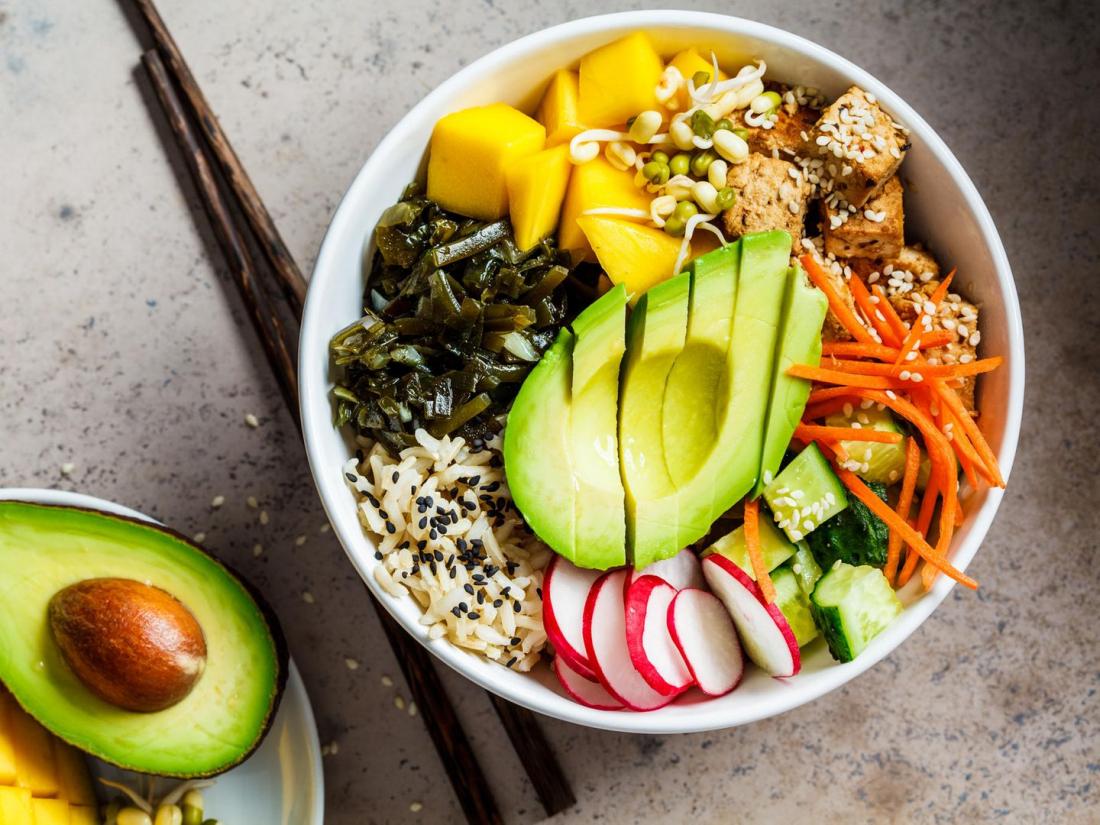
What are the main benefits and functions of omega-3 fatty acids in the body?
Each of these acids has its own specific function and all of them together form a truly significant complex that influences without exaggeration our entire health. Omega-3 fatty acids, for example, are very important for the health and proper functioning of the cardiovascular system and are therefore also effective in preventing the development of heart disease. Not only can they reduce the development of inflammation, but they can also lower triglyceride levels and increase the level of 'good' HDL cholesterol in the blood. Last but not least, they can combat the development of metabolic syndrome.
Omega-3s also have neuroprotective and anti-inflammatory effects, and in addition to the heart, they are also very beneficial and important for the health and proper functioning of the brain and nervous system. They are essential for memory, cognitive function and overall brain performance. Omega-3 fatty acids play a very important role in the prevention and treatment of depression and can affect our mood. To make matters worse, they can also affect the quality of our sleep, which, as you know, is essential for good health and for performing at peak levels in sport and, for example, at school or at work.
Of course, we must not forget that omega-3 fatty acids, and a sufficient intake of them, are very important for athletes. Active individuals will be particularly interested in their positive effect on recovery, anti-inflammatory effects, improvement of insulin sensitivity, and improved fat loss, as well as the support shown in studies for muscle growth. EPA and DHA have the ability to block the breakdown of muscle fibres. In addition, there is emerging research that suggests that DHA, in addition to its function as a producer of anti-inflammatory hormones, also has the ability to support the activity of cells that burn fat and may even help block its production.
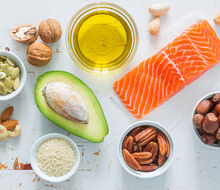
In addition to all of the above, omega-3s are also crucial for eye health and good vision. DHA is a major component of the retina (up to 60%) and a lack of it logically results in poor vision. Omega-3s are essential in pregnancy - both for the proper development of the fetus and for the prevention of a number of diseases such as ADHD, autism and cerebral palsy. A deficiency of omega-3 (especially DHA) in pregnancy can have fatal consequences. Studies have also found omega-3 fatty acids to be helpful in relieving menstrual pain. EPA and DHA are also essential for skin health, affecting skin hydration and elasticity, are effective in fighting acne, and may also have an antiaging effect. As an added bonus, there has also been speculation for the past few years that omega-3 fatty acids have anti-cancer effects, but more research is needed to confirm this hypothesis and to sufficiently map the ways in which omega-3s work in this regard.
Omega-3 vs. omega-6 or: what to watch out for in your diet
Although omega-3 fatty acids have been massively promoted in recent years for their multiple benefits on various areas of human health, the truth is that few people in our geographical conditions have enough of them in their diet. It is not only the quantity that is important, but also the correct ratio of omega-6 fatty acids. Omega-3 and omega-6 are two different types of polyunsaturated fatty acids. A healthy body needs both types in a certain ratio to function properly. This should be 2:1 to a maximum of 3:1 in favour of omega-6, but the truth is that omega-6 dominates our diets in a much more massive ratio - often as high as 15:1.
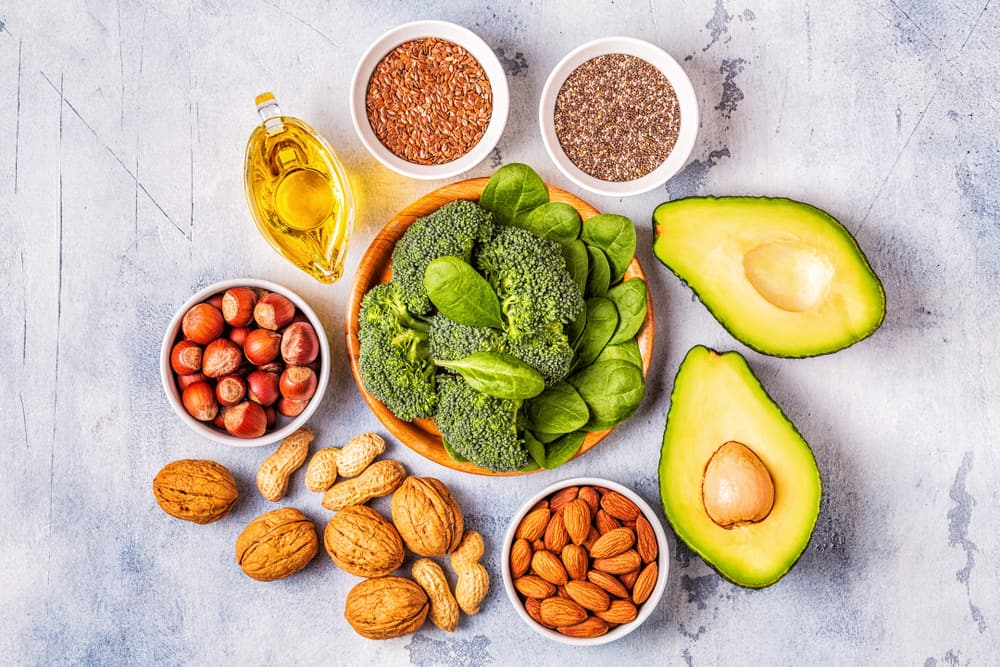
This is partly influenced by the composition of the traditional diet, which is dominated by red meat, eggs and other foods that contain rather minimal omega-3 fatty acids. The second reason, of course, is that we do not have access to the sea, as fish and seafood are the best food sources of omega-3s. If omega-6s are really prevalent in the diet, there can be health complications, an increase in fat mass, impaired regeneration processes and an increase in inflammation, so we need to think about enriching our diet with sources of omega-3 fatty acids and balancing the proportions between the different types of polyunsaturated acids.

The good news is that the availability and quality of fish and seafood in our country is improving year on year, making it much easier to incorporate it into our diets. Don't worry, we know that today we wanted to talk about sources for vegans and people who can't eat or don't like fish meat, so we'll get right into where to look for omega-3 fatty acids in that case.
What if I don't eat fish, where can I get my omega-3s?
Finally, we're getting down to the nitty gritty! So where can we find omega-3 fatty acids besides fish?
Brussels sprouts
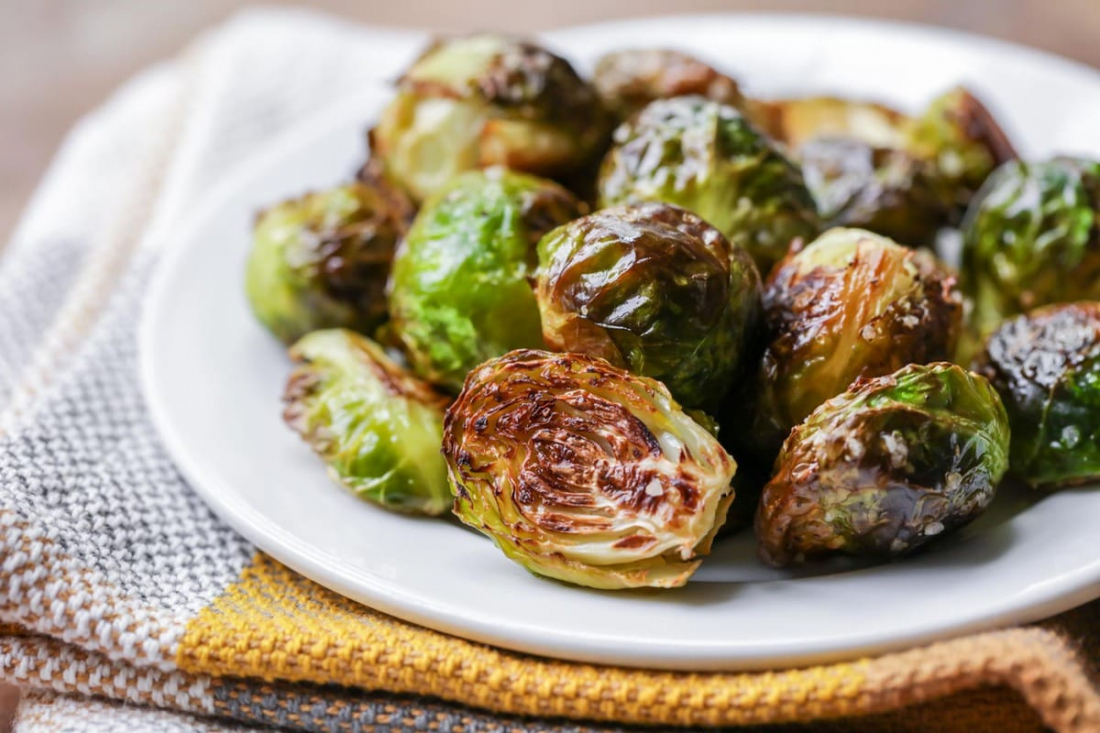
Brussels sprouts are undoubtedly one of the best omega-3 foods for vegans and other people who don't eat fish. One cup of Brussels sprouts contains more than 87 milligrams of ALA, and it also contains other important nutrients like fiber, vitamin C, and vitamin K. Cooked Brussels sprouts are even higher in omega-3 fatty acids, containing 270 milligrams of ALA. Best of all, it's easy to enjoy because it's incredibly versatile - it can be thrown just cooked on a plate as part of a side dish, roasted, baked, or thrown into a soup.
Algae oil
Algae oil, derived from seaweed and available as a convenient supplement, is one of the few vegan sources of omega-3 DHA and EPA in the diet and is well tolerated by most people who are allergic to fish. Although exact amounts can vary depending on the specific product, seaweed oil supplements typically contain between 400-500 milligrams of omega-3 fatty acids (combined EPA and DHA). Some studies confirm that in terms of absorption and bioavailability, seaweed oil is comparable to salmon oil, making it a great alternative to fish oil.
Walnuts
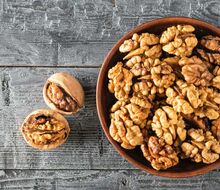
Walnuts are one of the best vegan sources of omega-3 fatty acids as well as other healthy fats, including poly- and monounsaturated fats. A single serving (approx. 30g) can meet the need for omega-3 fatty acids and provide a whopping 2,500 milligrams of ALA. So walnuts are a great way to provide your body with omega-3 fatty acids - add them to yogurt, stir them into homemade granola, or just enjoy a handful as a heart-healthy snack.
Chia seeds
Another nutritious plant source of omega-3 is chia seeds. A serving of about 30 grams contains just under 5,000 milligrams of ALA, which is three times the daily recommended amount for men and four times the amount needed for women! Chia seeds are also very easy to incorporate into your diet - just add them to yoghurt, porridge, smoothies or you can use them to make a tasty pudding. Plus, if you mix them with water, you can use them in baking as a vegan alternative to eggs.
Flaxseed
Flaxseed is often considered the best vegan omega-3 food, both because of its stellar nutritional profile and its versatility. It's true that one tablespoon of ground flaxseed provides nearly 1,600 milligrams of ALA. With its slightly nutty, earthy flavor, flaxseed is a great addition to cereals, oatmeal, smoothies and other sweet and savory dishes. It can also be used in the form of an oil, which is suitable for cold dishes such as salads. It also works well in baked goods and, like chia seeds, can be mixed with water and used as an egg substitute.
Spirulina
Spirulina is an algae that has been valued for its health benefits for quite a long time. This seaweed is rich in many essential nutrients, but is a particularly good source of omega-3 fatty acids. And not only that! Spirulina is also one of the few plant sources that has a full spectrum of amino acids and is therefore considered a complete source of protein. It also contains a good proportion of riboflavin, iron, copper and thiamine. This incredible ingredient, which is most commonly available in dried powder form, works great as an ingredient in green smoothies or can be taken in tablets.

Hemp seeds
Hemp seeds are also packed with omega-3 fatty acids. Hemp seed is available as whole or ground seeds, but also in an oil version. It is very variable and versatile, so it can easily be incorporated into a regular diet. Try adding hemp seed to smoothies and shakes, stir it into granola or homemade desserts, or sprinkle the seeds on your morning bowl of warm porridge to take the health benefits to an even higher level.
Pitfalls of plant sources of omega-3 fatty acids
The main and fundamental difference between plant-based omega-3s and fish oil, however, lies in the forms of omega-3s they contain. While fish and seafood contain both EPA and DHA, the two active forms of omega-3 fatty acids in the body, most plant sources of omega-3 contain ALA, which must first be converted to DHA or EPA in order for the body to use it. Unfortunately, studies show that of the total daily intake of ALA, only about 5 percent is actually converted to EPA and only 0.5 percent to DHA.
So, while we have plenty of plant sources that contain omega-3 fatty acids, the truth is that they are dominated by ALA, which the human body has to complexly transform into the other two omega-3s to make them usable, and unfortunately, this is not done very efficiently. Therefore, the best vegan omega-3 supplement should contain both EPA and DHA for maximum effectiveness. Vegans and people who don't eat fish are advised to look for a supplement that contains spirulina or seaweed oil, as this is the most effective way to ensure adequate intake of these health-promoting fats. While the other foods on the list are super healthy and good to have in your diet, they won't help us quite as much in ensuring we get the omega-3 fatty acids our bodies need.
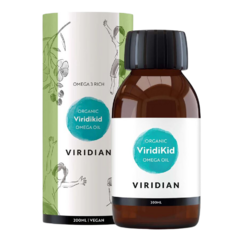
You can find two products on our store that will give you omega 3 from plant sources!
Recommended
What to take away from the article?
Omega-3 fatty acids are health-promoting fats that our bodies need to function optimally in many different ways. They benefit the heart, brain, immune system, athletic performance, eyes and many other aspects of health. Their best source is undoubtedly fatty fish. But today we're talking about sources that vegans or people who don't eat fish can reach for - either because they can't or don't like it. We listed several foods that are rich sources of them, but we also found out that most of them contain ALA, which is the least usable for the body. For vegans and people who don't eat fish, we recommend looking for a supplement that contains spirulina or seaweed oil, as this is the most effective way to ensure adequate intake of these healthful fats.
Sources:
Arterburn, L. M., Oken, H. A., Bailey Hall, E., Hamersley, J., Kuratko, C. N., & Hoffman, J. P. (2008). Algal-oil capsules and cooked salmon: nutritionally equivalent sources of docosahexaenoic acid. Journal of the American Dietetic Association, 108(7), 1204-1209.
https://ods.od.nih.gov/factsheets/Omega3FattyAcids-HealthProfessional/
Eslick, G. D., Howe, P. R., Smith, C., Priest, R., & Bensoussan, A. (2009). Benefits of fish oil supplementation in hyperlipidemia: a systematic review and meta-analysis. International journal of cardiology, 136(1), 4-16. https://doi.org/10.1016/j.ijcard.2008.03.092
Li, K., Huang, T., Zheng, J., Wu, K., & Li, D. (2014). Effect of marine-derived n-3 polyunsaturated fatty acids on C-reactive protein, interleukin 6 and tumor necrosis factor α: a meta-analysis. PloS one, 9(2), e88103. https://doi.org/10.1371/journal.pone.008810
Hansen, A. L., Dahl, L., Olson, G., Thornton, D., Graff, I. E., Frøyland, L., Thayer, J. F., & Pallesen, S. (2014). Fish consumption, sleep, daily functioning, and heart rate variability. Journal of clinical sleep medicine : JCSM : official publication of the American Academy of Sleep Medicine, 10(5), 567-575. https://doi.org/10.5664/jcsm.3714
Fotuhi, M., Mohassel, P., & Yaffe, K. (2009). Fish consumption, long-chain omega-3 fatty acids and risk of cognitive decline or Alzheimer disease: a complex association. Nature clinical practice. Neurology, 5(3), 140-152. https://doi.org/10.1038/ncpneuro1044
Terry, P. D., Terry, J. B., & Rohan, T. E. (2004). Long-chain (n-3) fatty acid intake and risk of cancers of the breast and the prostate: recent epidemiological studies, biological mechanisms, and directions for future research. The Journal of nutrition, 134(12 Suppl), 3412S-3420S
Grosso, G., Galvano, F., Marventano, S., Malaguarnera, M., Bucolo, C., Drago, F., & Caraci, F. (2014). Omega-3 fatty acids and depression: scientific evidence and biological mechanisms. Oxidative medicine and cellular longevity, 2014, 313570. https://doi.org/10.1155/2014/313570
No posts have been made yet.