Iron - why does our body desperately need it and where to find it?
 Author:
 Everyone's body contains iron in a very small amount, around 4 g. Nevertheless, its function in the body is completely irreplaceable and more or less serious health problems can occur if we do not have enough of it. Today, let's talk together about the role of this inconspicuous mineral in our body, who is at risk of iron deficiency and what foods are high in iron so that we can prevent its deficiency.
Contents
- Why does our body need iron?
- Who should be on the lookout for iron intake
- So where to get your iron from
- Iron-rich foods
- When is supplementation needed?
- What to take away from the article
A theoretical window - why does our body need iron?
Iron is an essential mineral which, as mentioned, is absolutely indispensable for our body. In fact, it is needed for the production of hemoglobin, a protein found in red blood cells that helps transport oxygen throughout the body. This is its most important function, as the proper distribution of oxygen affects a huge number of bodily processes, overall health and how we feel. In addition, iron also plays a key role in supporting the immune system. Iron also helps maintain our energy levels, regulates body temperature and can even improve athletic performance.

Iron is also an important fighter against anemia, a very common disease that can be relatively well regulated through diet. In addition to preventing anemia, iron is a nutrient needed to maintain overall well-being, energy and a healthy metabolism, as it helps support overall cellular health and is involved in many of the enzymatic reactions that help our bodies digest food and absorb nutrients. These reactions also balance hormone levels and support brain, heart, skin, hair and nail health.
Most of the elemental iron present in our bodies is in the form of hemoglobin. The remaining iron is stored in the liver, spleen and bone marrow or is found in the myoglobin of our muscle tissue. If your body is deficient in iron, you may often feel tired, have cold feet, trouble concentrating, low mood, pale or dry skin and a weakened immune system is also a common symptom. In severe cases, heart palpitations, breathing difficulties or dizziness may occur.
Who should be alert for iron intake?
Women aged 19-50 need around 15 mg of iron per day and men around 10 mg per day. Women need more iron because of menstruation, pregnancy and breastfeeding. After menopause, women need about the same amount of iron as men. Each day, about 1 mg of pure iron is lost from the body and needs to be replenished - ideally through diet. People who eat a normal diet usually do not have any major problems with their iron intake and do not need to monitor their iron levels very closely. However, there are several groups of people who should be wary of iron deficiency, and the resulting anaemia, and address how to replenish iron in the body.
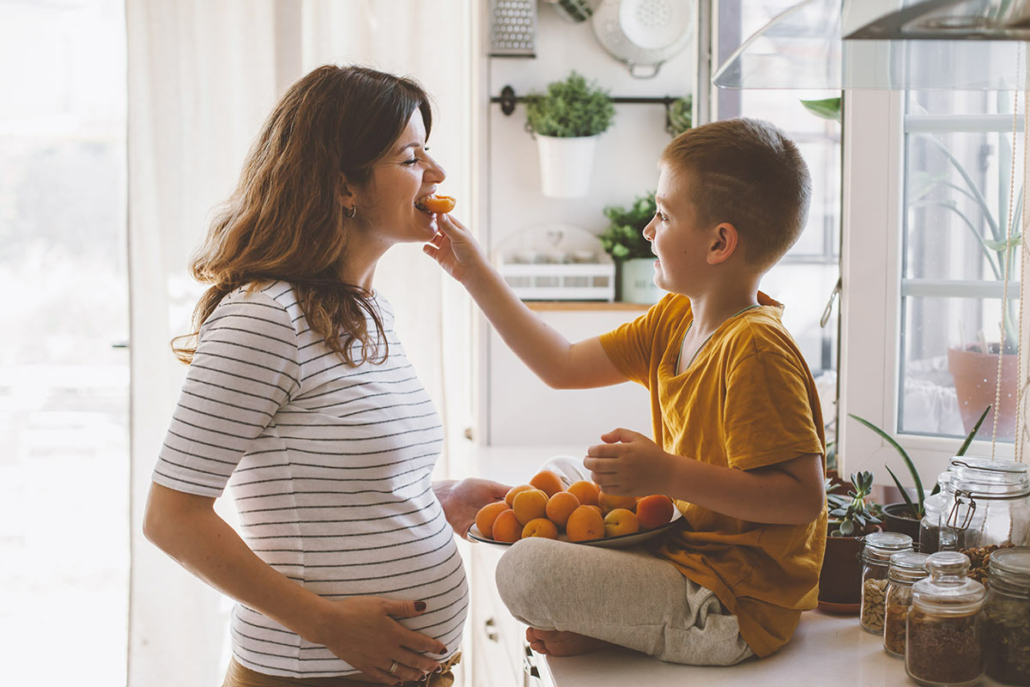
The main group at risk of iron deficiency is pregnant women. In these, anaemia occurs in up to 41% of cases, according to the WHO. During pregnancy, a woman needs to provide iron not only for herself but also for the developing foetus, which is why it is recommended to double the iron intake during pregnancy (to some 30 mg per day). The second group at serious risk is blood donors. Anemia is also often suffered by vegetarians, vegans and individuals who do not consume much meat, as this is the best source of iron.
So where to get iron from?
Well, we've already told you about all the functions of iron in the body, scared you with the symptoms of iron deficiency and now it's finally time to tell you what are the foods high in iron so that we can prevent all those health complications and bad moods. But let's start with a theoretical window.
Theoretical window II - forms of iron
Iron can be found in two different forms in food. Specifically, the heme and non-heme forms. Heme iron is part of haemoglobin and is typically found in foods of animal origin, giving them their characteristic red colour. Heme iron has a very good absorption rate of around 30 to 35%. Non-heme iron is then logically found in plant sources. Compared to heme iron, it has a relatively low absorption rate - specifically only around 10%, which is due to the presence of antinutrients that block its entry into the body. Therefore, plant-based dieters sometimes find it difficult to achieve the required daily dose and must then resort to a supplement.
Iron-rich foods
Now, finally, the important part - what is iron and what are the sources of iron?
Spirulina
Spirulina is a blue-green algae known for its intense, not exactly pleasant, taste, but it has a very interesting and supercharged nutritional profile. As far as vegetarian, i.e. non-heme sources are concerned, spirulina is undoubtedly the best food to reach for as a source of iron. Moreover, spirulina is one of the so-called complete plant protein sources, which means that it contains all the essential amino acids in the proportions needed by humans. It is also rich in B-complex vitamins, vitamins C, D and E and has strong antioxidant properties.
Liver
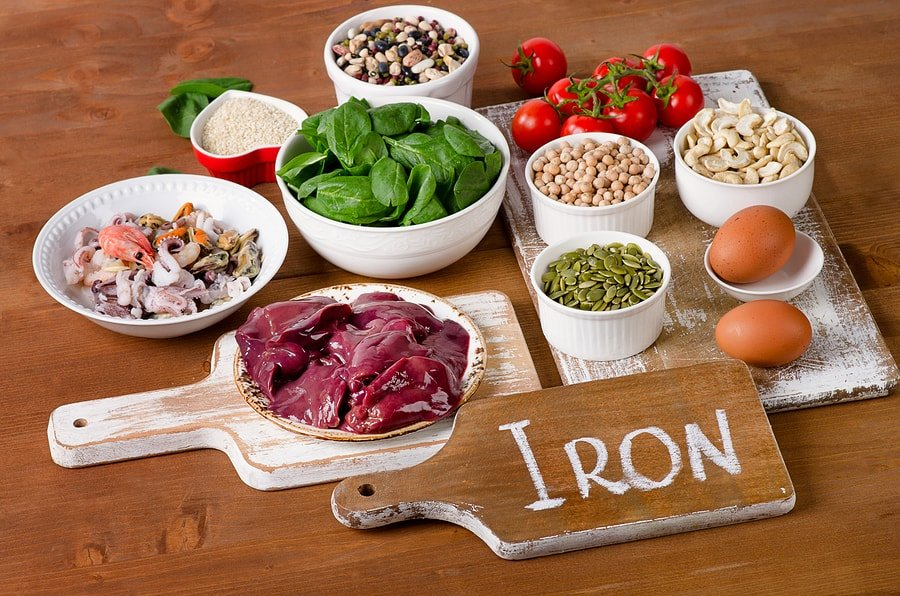
Another food that is not exactly popular but is a great source of iron is the internal organs, especially the liver. In fact, the liver is the first on the list of foods rich in heme iron. If you're struggling with any type of anemia - a clear sign of iron deficiency - liver is probably the best food to eat because it contains iron, folate and vitamin B12. These are the three vitamins and minerals you need to overcome anemia naturally.
Lean beef
Beef is one of the well-known foods with iron. It is one of the first foods that are recommended to eat to take in some of that iron. Beef is also popular for its high protein content and distinct taste. Therefore, if you are one of the steak lovers, then you can be absolutely fine because you are treating your body with a very good source of heme iron.
Legumes
Lentils are one of the legumes and contain quite an impressive amount of non-heme iron. Black beans or chickpeas are similarly good. In addition, legumes are an excellent source of fiber, which is very beneficial for overall health, a strong immune system and the proper functioning of our digestive system. They are also incredibly versatile, cheap and readily available.
Dark chocolate
And there's good news for lovers of quality dark chocolate. Consuming it will not only satisfy your sweet tooth, but also give your body a good dose of iron. If you have 30g of dark chocolate, you can fill almost 20 percent of your daily iron requirement. Just bear in mind that dark chocolate is quite calorific and high in fat - but we give it a 10/10 as an after-lunch dessert alternative, and not just because of its iron content.
Spinach
Yep, Pepek the sailor knew well why there's power in spinach. After all, spinach is a food rich in many important nutrients and is also a very good source of non-heme iron. It tastes great both raw and cooked - if you want to use it to boost your iron intake, we recommend cooking it, as it reduces the volume and you'll eat a lot more of it.
Sardines
When you say sardines, most of us rightly think of these small marine fish as an important source of omega-3 fatty acids and vitamin D. But in addition, they are also an important source of heme iron. Canned sardines can be found in any store, are cheap and super nutritious, so we highly recommend eating them regularly. Try adding them to sauces, salads, pasta or make a tasty spread. There are no limits to your imagination!
Pistachios
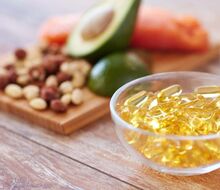
Pistachios are also a great source of iron. These little green nuts just rock. In addition to iron, they contain a significant amount of vitamin B6, thiamine, copper, and healthy fats. Throw them on your morning porridge or in your yoghurt - you won't regret it!
Pumpkin seeds
Pumpkin seeds are versatile, delicious, full of nutrients and a great, readily available source of iron. Adding these green seeds to your diet can also increase your intake of several other important nutrients - like fiber, magnesium and zinc. Simply roast them and add them to salads, sauces, baked goods, or just munch on them.
Eggs
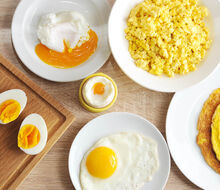
Eggs are one of the main sources of heme iron - a single egg provides a whopping 5 percent of your daily requirement. In addition to being one of the best iron-rich foods for kids and adults, eggs are also packed with protein, selenium, riboflavin, vitamin B12 and phosphorus. They are also very versatile, proudly bearing the label "superfood", and are rightly one of the most popular ingredients in our diets.
Poultry meat
Like other meats, poultry is undoubtedly one of the best foods high in iron. Poultry meat is very popular and versatile - it can be added to soup, salad, meatballs, sandwiches, just about anywhere. Poultry meat is also popular for its simplicity of preparation and is a great source of protein, which is appreciated not only by active individuals.
When is supplementation needed?
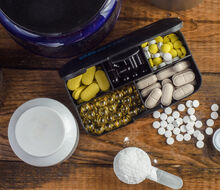
Ideally, you should try to meet your iron needs primarily through food sources. By incorporating a variety of iron-rich foods into your diet, you can not only meet your daily iron requirements, but you can easily increase your intake of other important vitamins and minerals. For optimal absorption of iron, it is advisable to supplement the consumption of foods high in iron with foods rich in vitamin C. We have discussed what foods contain iron above and if we continue to be deficient in iron, we will need to take a supplement.
If you know that you can't meet your iron intake needs through diet alone, don't be afraid to reach for an iron supplement. Iron is a very common component of multivitamin complex tablets, and for this reason taking a separate supplement is not necessary in most cases. Vitamin C is also often found in supplements containing it, which increases its absorption. It is advisable not to consume an iron supplement on an empty stomach, as it can irritate the stomach and cause various nausea. It is therefore better to consume the supplement together with the diet - but in this case it is important to remember that the diet may contain substances that lead to a decrease in iron absorption, which may reduce the effectiveness of the supplement itself. In particular, it is not recommended to take iron together with coffee consumption, as coffee can greatly affect iron absorption.
Recommended
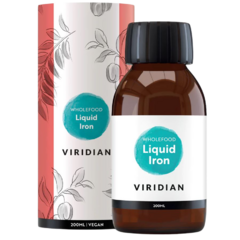
Viridian Liquid Iron
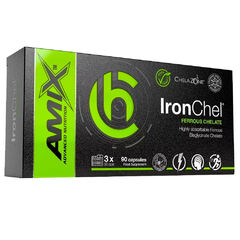
Amix ChelaZone® IronChel®
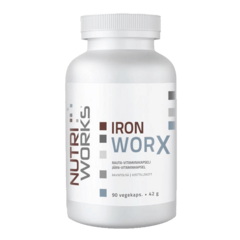
NutriWorks Iron Works
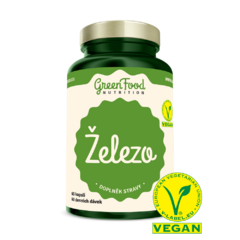
GreenFood Železo
What to take away from the article?
The human body contains a very small amount of iron, yet its function in the body is completely irreplaceable, as it ensures the transport of oxygen throughout our body. The moment we do not have enough of it, more or less serious health problems can occur. Today we have presented the functions of iron in the body in more detail, we have told how much we need daily and in which foods to look for it. Most normal eaters will not have a problem with iron intake, but pregnant women, people who donate blood and plant-based eaters should definitely be on the lookout and watch their iron intake more closely.
Sources:
Garzon, S., Cacciato, P. M., Certelli, C., Salvaggio, C., Magliarditi, M., & Rizzo, G. (2020). Iron Deficiency Anemia in Pregnancy: Novel Approaches for an Old Problem. Oman medical journal, 35(5), e166. https://doi.org/10.5001/omj.2020.108
McLean, E., Cogswell, M., Egli, I., Wojdyla, D., & de Benoist, B. (2009). Worldwide prevalence of anaemia, WHO Vitamin and Mineral Nutrition Information System, 1993-2005. Public health nutrition, 12(4), 444-454. https://doi.org/10.1017/S1368980008002401
Hunt J. R. (2003). Bioavailability of iron, zinc, and other trace minerals from vegetarian diets. The American journal of clinical nutrition, 78(3 Suppl), 633S-639S. https://doi.org/10.1093/ajcn/78.3.633S
Carpenter, C. E., & Mahoney, A. W. (1992). Contributions of heme and nonheme iron to human nutrition. Critical reviews in food science and nutrition, 31(4), 333-367. https://doi.org/10.1080/10408399209527576
https://www.cdc.gov/mmwr/preview/mmwrhtml/00051880.htm
https://www.nhs.uk/conditions/iron-deficiency-anaemia/
DeLoughery T. G. (2017). Iron Deficiency Anemia. The Medical Clinics of North America, 101(2), 319-332. https://doi.org/10.1016/j.mcna.2016.09.004
Institute of Medicine (US) Committee on Nutritional Status During Pregnancy and Lactation. Nutrition During Pregnancy: Part I Weight Gain: Part II Nutrient Supplements. Washington (DC): National Academies Press (US); 1990. 14, Iron Nutrition During Pregnancy.Available from: https://www.ncbi.nlm.nih.gov/books/NBK235217/
No posts have been made yet.