





Regular egg consumption benefits our heart, brain, muscles, skin and a healthy weight
 Author:
 When you say "superfoods", most of you probably think of some super fancy and expensive food with an exotic name that you probably can't even pronounce correctly. And it is because of these modern foods that we forget that some of the superfoods we use daily and take in some cases are even one of the pillars of a healthy diet. One such food is the egg. In fact, eggs are such a little nutritional treasure. They are a very basic food, they are easily available, they don't cost millions and they have a high biological and nutritional value. Today, let's take a closer look at eggs and explain why they can rightly be described as a superfood.
Article content:
- Theoretical window - what can we actually find in an egg?
- The health benefits of regular egg consumption
- There's no such thing as an egg...
- Is there a downside to eating eggs?
Theoretical window - what do you find in an egg?
We don't assume that anyone doesn't know what an egg looks and tastes like, so let's get straight to its nutritional content. As already mentioned, the egg is such a little nutritional treasure and has a very interesting spectrum of different nutrients. Eggs are also a great source of protein and can help provide a number of important nutrients, including selenium, vitamin B12, phosphorus and riboflavin, all of which play a key role in overall health.

An egg is made up of two parts, the white and the yolk, and both parts offer different nutritional benefits. The white contains a high proportion of protein with high biological value, has minimal fat and very low caloric value. However, the nutritional profile of egg white contains a smaller range of micronutrients than that of egg yolk. Compared to egg white, egg yolk is rich in fat, contains less protein, more calories and is indeed rich in a number of important micronutrients. The yolk is a good source of selenium, phosphorus, vitamin D, choline and vitamin B12. So it is clear that there is no need to consume only one part of the egg or another, but that together they form a really very nutritious food providing a whole spectrum of nutrients important for overall health. The nutrient content varies not only from the egg white/yolk perspective, but is also influenced by the particular treatment.

Health benefits of regular egg consumption
We already know that the egg is a little nutritional treasure and that it has a very interesting nutrient content. Now let's take a look together at the health benefits of eating eggs.
Eggs are good for heart health
For a long time, egg yolk consumption was considered negative in relation to cardiovascular health because it was thought that eating egg yolks increased LDL (bad) cholesterol levels. Fortunately, we now know that cholesterol is a little different and that eggs are not harmful to cardiovascular health, but quite the opposite - they are very beneficial. One of the reasons why eggs are so beneficial for the heart is the presence of omega-3 fatty acids. Omega-3 fatty acids, consumed as part of a healthy diet, can help reduce the frequency of inflammatory processes in the body, lower triglyceride levels as well as cholesterol levels, all of which are risk factors for the development of heart disease and other heart-related problems. Omega-3 fatty acids, of course, have a variety of other important benefits for overall health.

In addition to lowering blood triglyceride levels, eggs have been observed in clinical studies to help regulate cholesterol absorption and inflammation in the bloodstream, balancing the ratio of high-density lipoprotein (HDL) to low-density lipoprotein (LDL), another way eggs benefit heart health and help protect it from risky diseases. Of course, it is ideal to consume domestic or free-range eggs, which are richer in beneficial omega-3 fatty acids and other nutrients.
They are important for good eyesight
Eggs are a rich source of lutein and zeaxanthin - two carotenoids that are absolutely crucial for our eyesight. These two nutrients are found in different places in the body, but they are the only two of the 600 total carotenoids found in our eyes - and their concentration there is higher than anywhere else in the body. They look after the health of our eyes by filtering out dangerous high-energy blue spectrum light and acting as both antioxidants and anti-inflammatory compounds. In addition, research has found that lutein and zeaxanthin can help prevent and treat many common eye diseases such as macular degeneration, glaucoma and cataracts. Vitamin E is also important for eye health, and eggs are one of the best sources of it.
They are a great aid in weight loss diets and muscle building
Eggs are low in calories but packed with protein, making them a great part of a healthy diet whether the goal is to reduce or gain muscle mass. Studies show that adequate protein intake can reduce levels of ghrelin, the hunger hormone, and help curb cravings and promote long-term weight loss. But by the same token, they are also beneficial for building muscle or just keeping fit. Eggs are also very filling, which is another reason why they are such a great addition to your diet, not just when your primary goal is fat reduction. Have eggs for breakfast along with a piece of good quality bread, a vegetable or a piece of fruit and rest assured that this breakfast will give you energy for the whole morning.

Eggs for proper brain and liver function and activity
Among other nutrients, eggs are also a great source of choline, a nutrient that plays several important roles in the body and is very beneficial for the health and proper function of the brain and liver. In fact, it is even the case that choline is absolutely essential for proper liver function, and when we are deficient in it, liver function problems are one of the key ways in which a deficiency of this nutrient manifests itself. Low levels of choline have been linked to fatty liver and some animal studies also suggest that choline deficiency may also be linked to certain types of cancer. In addition, it has been found that in the right amounts, choline can be a useful aid in treating certain mental health issues - such as anxiety and depression, and has also been shown to improve memory and cognitive function.
An important food for healthy skin
In addition to protecting eye health by filtering out certain wavelengths of light, lutein and zeaxanthin also help maintain healthy, supple skin. By filtering out the more harmful rays of the blue spectrum, these carotenoids slow down the oxidative damage that light can cause to the skin. The egg yolk has excellent conditioning properties - it promotes hair, nail and skin growth, which is why it is often added to various beauty products. When it comes to skin care, the egg helps with tightening pores and firming the skin. It acts as a preventive measure against redness and renews skin cells.

Eggs - a miracle food for strength athletes
Some people avoid eating egg yolks, probably in an effort to avoid cholesterol or maybe just to reduce their calorie intake a bit, and eat only egg whites. What a shame - especially for strength athletes. Scientists have found that eating whole eggs leads to increased testosterone production. Whole eggs also trigger an increase in mTOR, arguably the most important cell signaling complex for muscle growth. The higher the mTOR levels, the higher the protein synthesis. Most importantly, eating whole eggs increased muscle protein synthesis after exercise by about 45% more than plain egg whites.
A readily available and highly versatile food
Eggs also have the advantage of being very readily available, usually don't cost millions and have a very wide range of uses indeed. They can be eaten boiled (they taste great on fresh bread with butter or some cream cheese and sprinkled with chives), scrambled, as an ox eye, made into all sorts of spreads, baked, added to baked desserts and porridge, in short, eggs really don't go to waste at home! They are tasty, healthy and incredibly versatile - the perfect combination.
There's no egg like an egg...
Of course, it must also be said that there is no egg like an egg. Ideally, it is good to consume home-grown or free-range eggs. It is true that the conditions in which hens are kept have a major impact not only on the nutritional content of the eggs, but also on the risk of consuming dangerous bacteria such as salmonella. In supermarkets you can buy eggs laid by free-range hens or eggs from caged hens (unable to move or do normal activities). The differences between eggs from caged hens and eggs from free-range animals have been repeatedly demonstrated. Free-range eggs may contain:
- ⅓ less cholesterol
- ¼ less saturated fat
- ⅔ more vitamin A
- 2x more omega-3 fatty acids
- 3x more vitamin E
- 7x more beta-carotene
Not only do these eggs clearly win in terms of beneficial content, but free-range eggs are 98 percent less likely to carry salmonella and other bacteria! Be aware of where the eggs you're buying come from and don't skimp on the quality of even a staple food like eggs, it really is worth it.

Are there any negatives to eating eggs?
If you are not one of those people who are allergic to eggs, then you can be comforted because there are no major risks involved in eating them. However, care must be taken to ensure that eggs are well-cooked - if you remember the videos from the glory days of Arnold, when eggs were eaten raw and claimed to grow muscles, they were taboo. Eating raw eggs puts your body at many times higher risk of transmitting bacteria like salmonella.
Previously, eggs were not recommended to be consumed daily - at least not the egg yolk - as it was thought to have a negative effect on cholesterol levels. Today, however, we know that this is not the case and eggs can safely be part of the daily diet. People with a predisposition to heart problems, people with diabetes or those taking choline supplements should consult a trusted health professional about whether they can consume eggs and in what quantities.
What to take away from the article?
We often don't have to go far for superfoods. The egg is a prime example. A food we are all familiar with and often use on a daily basis, it offers many interesting nutrients and resulting health benefits. Eating eggs regularly benefits our heart, brain, muscles, skin and a healthy weight. Eggs are an inexpensive source of protein, important micronutrients, and have incredibly versatile uses!
Recommended
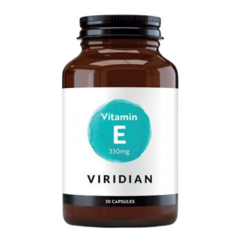
Viridian Vitamin E 330mg 400IU
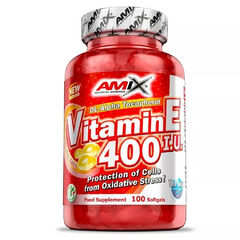
Amix Vitamin E400 I.U.

GymSupps Omega 3

Omega 3 240cps 1+1
Sources:
Blom, W. A., Lluch, A., Stafleu, A., Vinoy, S., Holst, J. J., Schaafsma, G., & Hendriks, H. F. (2006). Effect of a high-protein breakfast on the postprandial ghrelin response. The American journal of clinical nutrition, 83(2), 211-220. https://doi.org/10.1093/ajcn/83.2.211
Vander Wal, J. S., Marth, J. M., Khosla, P., Jen, K. L., & Dhurandhar, N. V. (2005). Short-term effect of eggs on satiety in overweight and obese subjects. Journal of the American College of Nutrition, 24(6), 510-515. https://doi.org/10.1080/07315724.2005.1071949
Wood, J. L., & Allison, R. G. (1982). Effects of consumption of choline and lecithin on neurological and cardiovascular systems. Federation proceedings, 41(14), 3015-3021.
Zeisel S. H. (1992). Choline: an important nutrient in brain development, liver function and carcinogenesis. Journal of the American College of Nutrition, 11(5), 473-481. https://doi.org/10.1080/07315724.1992.10718251
Manikandan, R., Thiagarajan, R., Goutham, G., Arumugam, M., Beulaja, M., Rastrelli, L., Skalicka-Woźniak, K., Habtemariam, S., Orhan, I. E., Nabavi, S. F., & Nabavi, S. M. (2016). Zeaxanthin and ocular health, from bench to bedside. Fitoterapia, 109, 58-66. https://doi.org/10.1016/j.fitote.2015.12.009
Ma, L., & Lin, X. M. (2010). Effects of lutein and zeaxanthin on aspects of eye health. Journal of the science of food and agriculture, 90(1), 2-12. https://doi.org/10.1002/jsfa.3785
Fuller, N. R., Sainsbury, A., Caterson, I. D., & Markovic, T. P. (2015). Egg Consumption and Human Cardio-Metabolic Health in People with and without Diabetes. Nutrients, 7(9), 7399-7420. https://doi.org/10.3390/nu7095344
Mohebi-Nejad, A., & Bikdeli, B. (2014). Omega-3 supplements and cardiovascular disease. Tanaffos, 13(1), 6-14.
van Vliet, S., Shy, E. L., Abou Sawan, S., Beals, J. W., West, D. W., Skinner, S. K., Ulanov, A. V., Li, Z., Paluska, S. A., Parsons, C. M., Moore, D. R., & Burd, N. A. (2017). Consumption of whole eggs promotes greater stimulation of postexercise muscle protein synthesis than consumption of isonitrogenous amounts of egg whites in young men. The American journal of clinical nutrition, 106(6), 1401-1412. https://doi.org/10.3945/ajcn.117.159855
Bagheri, R., Hooshmand Moghadam, B., Ashtary-Larky, D., Forbes, S. C., Candow, D. G., Galpin, A. J., Eskandari, M., Kreider, R. B., & Wong, A. (2021). Whole Egg Vs. Egg White Ingestion During 12 weeks of Resistance Training in Trained Young Males: A Randomized Controlled Trial. Journal of strength and conditioning research, 35(2), 411-419. https://doi.org/10.1519/JSC.0000000000003922
Réhault-Godbert, S., Guyot, N., & Nys, Y. (2019). The Golden Egg: Nutritional Value, Bioactivities, and Emerging Benefits for Human Health. Nutrients, 11(3), 684. https://doi.org/10.3390/nu11030684
No posts have been made yet.








