Selenium - an important mineral for overall health
 Author:
 Compared to magnesium, zinc, or iron, selenium is mentioned rather sporadically. Hand on heart - do you know what functions selenium is important for and why we should pay attention to selenium intake? If you shrug your shoulders and are unsure about the function of selenium, then it's okay, because today we're going to take a look at this mineral in detail. Selenium has strong antioxidant properties, which means that it prevents free radical damage and the development of inflammation, it also plays a key role in maintaining a healthy metabolism and is also important for a strong immune system. The good news is that you don't even need to supplement with selenium - in fact, there are a number of foods that are significant sources of it, and most of us can comfortably meet our intake through diet alone.
A theoretical window - what is selenium anyway?
Selenium is a trace mineral that occurs naturally in the soil, is also found in some foods and is also found in small amounts in the water we drink. What is selenium actually useful for in the body? There are a number of functions for which selenium is important, but if we were to single out one, it would be its antioxidant properties. This is because it is a component of antioxidant enzymes, particularly glutathione reductase, which is key to tissue repair throughout the body. Because it enhances antioxidant capabilities as well as the quality of blood flow, it can help increase resistance to disease and the negative effects of stress.
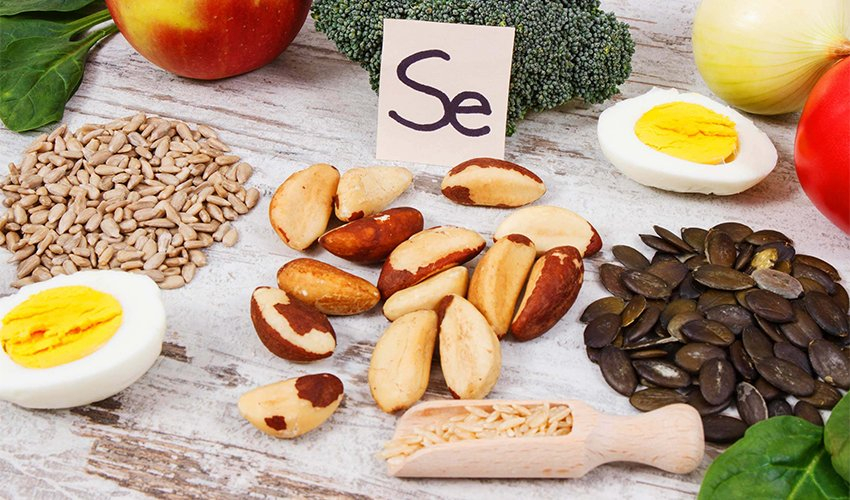
The body only needs a small amount of selenium (it is a so-called trace element), but the body cannot produce it on its own, so it must be taken in through the diet. Fortunately, there are many foods that are good sources of selenium. It's also good to know which foods contain it, as high intakes can be toxic and harmful to health, but we'll get to that later. Selenium deficiency is relatively rare, occurring, for example, in HIV-positive individuals or in individuals suffering from a metabolic disorder or disease that leads to impaired absorption of nutrients from food (e.g. Crohn's disease).
The 6 most important functions of selenium in the body
It's no big surprise that adequate intake of vitamins and minerals is crucial for overall health and physical fitness. As mentioned in the introduction, selenium is a very important element for a variety of bodily processes. Below we will review 6 of the most important functions that selenium performs in the body.
It acts as an antioxidant and protects the body from the negative effects of oxidative stress
The main benefits and functions of selenium include its ability to fight the aging process and protect the body against free radical damage. Selenium positively influences the effectiveness of vitamin E. Both selenium and vitamin E are very important antioxidants that slow down cell aging and support the body's defense against cancer. Selenium is also an essential support in the fight against oxidative degradation of cells and helps provide protection against mutations and DNA damage that can cause a variety of diseases.

Helps regulate blood pressure and protect our heart
Selenium is also an important element for cardiovascular health. Low concentrations of selenium in the body are associated with an increased risk of developing cardiovascular disease. Supplements or higher intake of foods rich in selenium can be an effective prevention against coronary heart disease. Studies suggest that selenium benefits heart health due to its ability to fight inflammation, increase blood flow, reduce oxidative stress and its powerful antioxidant properties. In addition to the above, selenium is also important for the health and proper function of veins and blood vessels. Selenium also increases the ratio of HDL ("good" cholesterol) to LDL ("bad" cholesterol), which is very important for heart health.
Selenium, a mineral for strong immunity
As already mentioned, selenium is somewhat overshadowed by other minerals, but its function for the immune system is very important, without exaggeration it can be described as essential. That's because selenium has strong antioxidant properties that help protect the body from the effects of free radicals while reducing the effects of oxidative stress. Selenium has been shown to reduce the risk of developing inflammation in the body, thus strengthening its overall immunity. Studies have shown that elevated blood levels of selenium are associated with an increased immune response. And of course, the reverse is also true, if there is a deficiency of selenium in the body, then the immune response may slow down.
Supports thyroid function
Recent research suggests that selenium is very important for proper thyroid function. This mineral acts as a catalyst for the production of active thyroid hormones. The thyroid gland fundamentally influences many important daily bodily functions, such as appetite, sleep, temperature, weight, energy levels and much more. So it goes without saying how important it is to have a properly functioning thyroid. A problem with proper thyroid function can result in negative symptoms such as irritability, muscle weakness, fatigue, weight gain or loss, difficulty sleeping, and many other reactions - which is why taking the right amount of selenium benefits the thyroid and the body in many different ways.
It can help support fertility
Selenium is a substance that is involved in normal spermatogenesis - the production of sperm, and also in their motility, thus also benefiting fertility. To increase fertility, selenium should be combined with zinc. However, according to studies, both low and high concentrations of selenium in sperm can have a negative effect on sperm count. For this reason, it is very important to stick to the recommended dosage and it is certainly not true that more is better. Selenium is also recommended for pregnant women because it can reduce the risk of miscarriage or premature birth, and also the disease pre-eclampsia, a disease of the uterine blood vessels of pregnant women that can damage the internal organs of the fetus or, in the worst case, cause the death of the mother.
Recommended
May potentially reduce the risk of developing cancer
Recent studies suggest that selenium may have a role in reducing the risk of developing various types of cancer, especially if you have a family history of this serious disease. This is attributed to selenium's ability to reduce DNA damage and oxidative stress, strengthen the immune system and destroy cancer cells. According to studies, selenium may be effective in reducing the risk of cancer, cancer-related mortality, as well as alleviating the course and severity of various types of cancer - especially liver, prostate, colorectal and lung cancers. There is evidence that the benefits of selenium include not only the ability to reduce cancer risk, but also to help slow existing cancer progression and tumor growth. Studies have shown that high doses of selenium (up to 200 milligrams per day) can be effective in protecting DNA, which can reduce the risk of cell mutation and cancer development.
How do I know if I'm lacking selenium?
There are a number of symptoms that may indicate that your body is lacking selenium. The most common signs of deficiency include:
- Fatigue
- Muscle weakness and decreased muscle volume and strength
- Impaired immunity
- Infertility
- Cardiovascular disease
- Joint swelling
- Thyroid problems
Elderly people, smokers, pregnant and lactating women, HIV positive individuals, people suffering from thyroid disease or cancer should pay increased attention to selenium intake. Doctors may also recommend taking selenium to treat asthma, infertility, acne, or to relieve the symptoms of menopause.

Recommended daily dosage
Selenium is a trace mineral, which means we only need it in small amounts. But because selenium plays a vital role in many important bodily functions, our bodies are able to process it very quickly - so it's important to supplement regularly, either from food sources or in supplement form.
In terms of recommended daily intakes, the USDA states the following:
- Children 1-3 years: 20 micrograms/day
- Children 4-8 years: 30 micrograms/day
- Children 9-13 years: 40 micrograms/day
- Adults and children 14 years and older: 55 micrograms/day
- Pregnant women: 60 micrograms/day
- Breastfeeding women: 70 micrograms/day
Where to look for selenium?
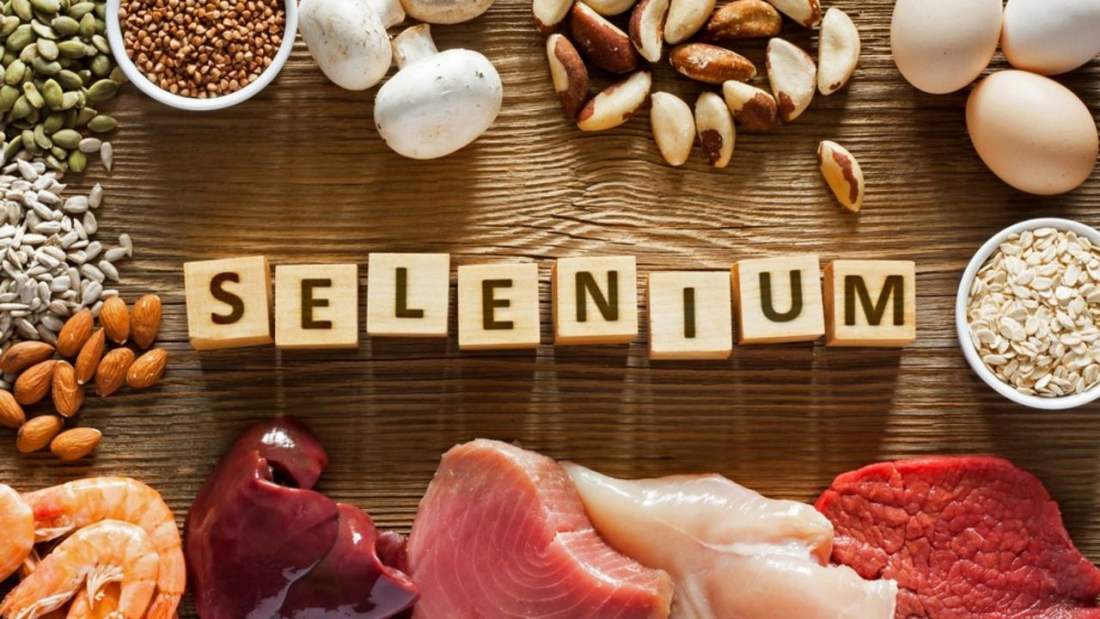
The biggest source of selenium is the soil. In total, there are four naturally occurring types of this trace mineral: elemental selenium, selenides, selenites and selenates. The good news is that most of us take selenium naturally in sufficient amounts through a balanced diet. However, we should be careful about heat treatment, as foods lose vitamins and minerals quickly at high temperatures or when cooked for too long. The best food source of selenium is steamed nuts. A single steamed nut contains up to 100% of the recommended daily allowance of selenium, about 68-90 micrograms. Other food sources include salmon, tuna, lean poultry meat (chicken, turkey), cottage cheese, egg yolk, sardines, beef, oatmeal or sunflower seeds.

On the positive side, selenium deficiency is very rare, so if the above foods are a regular part of your diet, then you can be 99% at ease because you have enough selenium. If you are suffering from weakened immunity or thyroid or fertility problems, then ask your doctor to measure your selenium levels just to be sure.
Supplements containing selenium
When it comes to supplements, selenium is available in the form of L-selenomethionine and sodium selenite. L-selenomethionine is said to be the more absorbable, and therefore overall better form. When taking a selenium supplement, most adults should take up to 55 micrograms per day (e.g. L-selenomethionine), pregnant women can take up to 60 micrograms and breastfeeding women up to 70 micrograms. Selenium supplements may also interfere with the absorption of other medications - for example, birth control pills, cholesterol-regulating drugs, niacin, and others. If you are taking any of these medications, consult your doctor before taking a selenium supplement.
It is important to note that with selenium, more is definitely not better. Selenium can be very toxic to the body in high doses - symptoms such as nausea, hair loss, garlicky sweat odour, skin rashes, kidney or heart problems and, in the worst cases, death can occur. Prolonged use of doses of 400 ug or more per day may result in poisoning. Doses above 900 ug can cause severe neurological problems ending in paralysis. A dose of 5 milligrams per 1 kg of weight can be fatal. Selenium is a very useful and essential mineral for the body, but we should definitely not overdo it. Experts also add that it is crucial for the public to understand that the benefits of selenium work best when adequate levels are achieved through the consumption of food sources rather than through supplements.
What to take away from the article?
Selenium is a trace mineral that is of great importance to the human body. For example, it is important for proper thyroid function, strong immunity, a healthy heart and fertility. The good news is that it is abundantly present in the diet, so its deficiency is relatively rare. Pregnant and breastfeeding women, smokers, the elderly and people suffering from any serious illness should be especially careful to ensure adequate intake. The best dietary sources of selenium include Brazil nuts, salmon, poultry meat and egg yolk. Although selenium is very beneficial, it is highly toxic from a certain dose and excessive intake can cause death. Therefore, here too - everything in moderation!
Sources:
Rayman M. P. (2000). The importance of selenium to human health. Lancet (London, England), 356(9225), 233-241. https://doi.org/10.1016/S0140-6736(00)02490-9
Rayman M. P. (2005). Selenium in cancer prevention: a review of the evidence and mechanism of action. The Proceedings of the Nutrition Society, 64(4), 527-542. https://doi.org/10.1079/pns2005467
rutel, A., Archambeaud, F., & Caron, P. (2013). Selenium and the thyroid gland: more good news for clinicians. Clinical endocrinology, 78(2), 155-164. https://doi.org/10.1111/cen.12066
Hansen, J. C., & Deguchi, Y. (1996). Selenium and fertility in animals and man--a review. Acta veterinaria Scandinavica, 37(1), 19-30. https://doi.org/10.1186/BF03548116
https://ods.od.nih.gov/factsheets/Selenium-HealthProfessional/
Rayman M. P. (2012). Selenium and human health. Lancet (London, England), 379(9822), 1256-1268. https://doi.org/10.1016/S0140-6736(11)61452-9
No posts have been made yet.