





Do protein supplements belong in the diet of children and pregnant women?
 Author:
 One of the common questions about supplementation is its suitability for children or in case of pregnancy. In fact, the vast majority of protein powder packaging contains the information "unsuitable for pregnant, breastfeeding and children" - the logical conclusion is that women should avoid protein and other sports nutrition products in these situations. But is this warning a real warning, or should we interpret it differently?
Article content:
- Warning text on packaging
- The need for protein in pregnancy
- To include protein powder in pregnancy or not?
- What to look for when choosing the right product?
- Protein in the diet of children
Warning text on packaging
"Not suitable for breastfeeding and pregnant women". This text is added to product packaging mainly because no one can perform tests on pregnant women, or at least they shouldn't, because it is unethical at the very least. However, this does not mean that such products are somehow harmful to pregnant women. It is merely a kind of 'trademark' of the companies. You can find this statement written on, for example, ordinary probiotics.
The need for protein in pregnancy
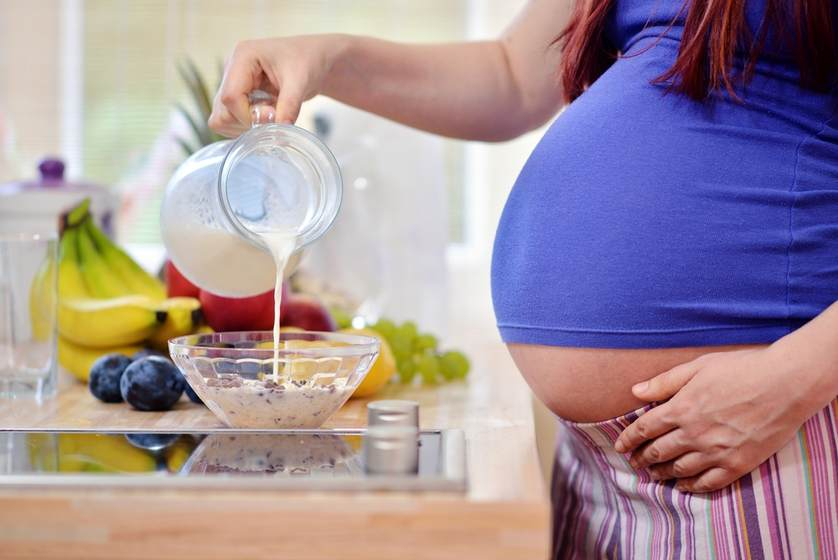
Pregnancy is further complicated by the already complex amino acid metabolism of the person himself. The expansion of blood volume and the growth of maternal tissues create a claim for increased protein intake. The growth of the fetus and placenta during pregnancy also increases the optimal protein intake required by women. Research suggests that increasing protein intake during and after pregnancy, even through protein powder, is not only safe but may even promote fetal development and growth. With higher protein intake, the fetus can grow in both height and weight, and higher protein intake is also a small prevention against premature birth.
As with other individuals, every body is different and so are its protein intake requirements. Moreover, this value still varies throughout pregnancy in the case of pregnant women. Once the baby is born, the mother needs to increase her intake by another 200-500 Kcal to ensure sufficient production of breast milk as the baby's first and primary nutrition.
To include protein powder in pregnancy or not?
The truth is that there are not many relevant studies on this topic, for the reason already mentioned in the first paragraph. Ideally, of course, it is advisable to PRIMARILY get protein and other macronutrients from real foods. However, if you can't manage to fill your protein intake with diet, it's definitely not a bad idea to reach for some good quality protein powder. Protein, as you know, is also essential for the growth and maintenance of muscle mass and also for proper fetal development.
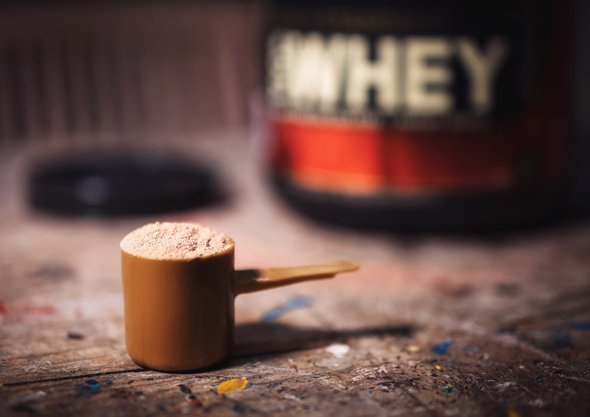
Especially if protein was already part of your diet before you became pregnant and your body is "used to it" and you know that it doesn't give it any problems, then there is no reason to worry. If you are introducing protein for the first time during pregnancy or breastfeeding, you need to observe both your and your baby's reactions and quickly discard it at the first sign of a problem. However, any problems arising from consuming the protein are more likely to be due to an allergic cause (for example, an allergy to cow protein) rather than the product itself. In case of difficulties, or when using it for the first time during pregnancy, it is advisable, if not essential, to consult a doctor about adding protein to the diet. However, it is true that doctors and gynaecologists are rather sceptical about sports nutrition products in pregnancy.
During pregnancy, it is especially important to pay attention to what you eat, as the nutrients you take in affect not only you, but also your baby and its future development. You can find plenty of protein supplements on the market, ranging from low-quality cheap powders full of extra useless nonsense, to high-quality protein supplements. If you want to use protein, feel free to. On the other hand, you don't necessarily need it. Rotate protein sources to keep your diet as varied as possible. You have a really wide range of foods to choose from, even if you want to avoid protein powder.
What to look for when choosing the right product?
If you decide to use protein, make sure that the product you choose is of the highest quality. Protein in pregnancy should not contain any ballast substances. Vegan and vegetarian proteins might not be a good choice in this case due to digestion issues (you know that legumes usually give babies problems). Choose a product that does not contain caffeine, creatine or other stimulants. The product should also not contain overly aggressive sweeteners.
Protein in children's diets
Children need healthy and sufficient nutrition to support their proper growth and development. Protein is then particularly important as it plays a role in many bodily processes. Protein is essential in muscle regeneration and growth, is important for bones and is also an essential component of several hormones and enzymes. Nutritional supplements are growing in popularity, but should we give them to children too?
Why do children need protein anyway?
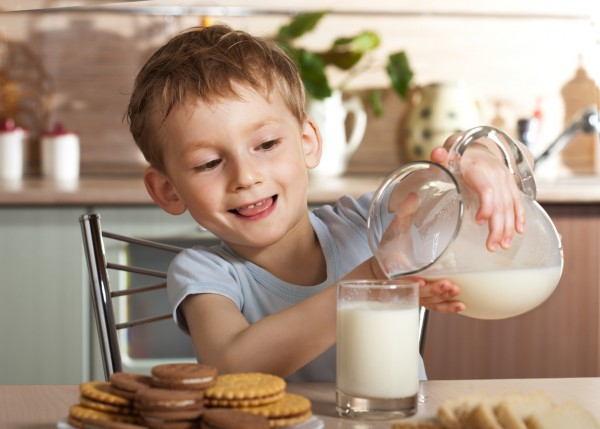
First, we should explain what role protein actually plays in children's diets. During childhood, protein becomes incredibly important because it helps maintain normal body functions and provides a foundation for growth. Since the fastest growth takes place during childhood, the amount of protein is quite variable. Studies suggest that if protein intake is too low, a child's growth can be significantly stunted compared to their peers.
On the other hand, studies agree that if protein intake is too high in childhood, it is a relatively favourable factor for the development of obesity or overweight in later years (but of course this is not the rule!). This is especially true if protein intake is highly in excess of 20% of daily calorie intake, which is very rare in children.
What kind of protein is best for proper growth and development?
Studies suggest that animal protein is a better source of protein during childhood - as you know from our previous articles, animal tissue is similar to human tissue and is thus potentially more "beneficial" for muscle building and overall nutrition. One of the main reasons for this is that animal sources contain more leucine, an amino acid that is a major regulator of protein synthesis. The results of studies in this regard speak clearly in favor of animal sources of protein, such as beef or milk, compared to plant sources.
Recommended

New 100% Whey Protein 800g 1+1
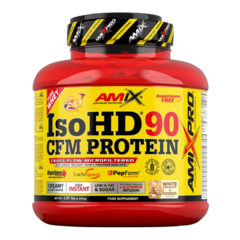
Amix IsoHD 90 CFM Protein
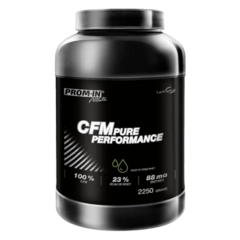
Prom-in CFM Pure Performance
Children's diets include commonly available foods such as lean meat, eggs, cottage cheese, milk, yoghurt and fish. However, even plant sources are not to be completely condemned. Feel free to use plant sources to enrich the diet, they just should not serve as the primary source of protein.
How much protein do children actually need?
That being said, the amount of protein a child needs depends on many factors, and especially during this period is highly variable. The amount needed is influenced by height, weight, age and also activity level. In the case of children, any macronutrient should definitely not be restricted or even omitted. For children, it is not such a problem to fill the intake with wholesome foods such as meat, eggs, yoghurt, etc. But now to the point of this article...
Is protein powder safe for children?
Without much thought, I'll answer simply - YES, it is. In fact, in many cases, it is actually a better choice than various products aimed at children, which attract with their name, packaging and maybe even advertising, but the ingredients are usually not very suitable. It is a fact that such a hammock, or otherwise cute sounding product name, with a colourful packaging full of cats, teddy bears, carousels and God knows what all, sounds definitely better than whey protein, but it is really good to pay attention not only to the pictures, but also to the content inside.
However, this is not to say that protein should be a regular part of children's diets. As already mentioned, protein intake in children is relatively easy to fill with regular foods, given that children need much less protein than adults and in the case of protein powder, the required daily intake will be met or exceeded quite quickly. In the case of children, there is no need to overdo protein intake to avoid digestive problems. However, occasionally sipping protein, biting into a protein bar, eating protein porridge, adding protein to a fruit smoothie or including protein as a sweetener in yoghurt or desserts will certainly not harm your child. Although protein is safe for children, it is not necessary to add it to the diet on a regular basis. Only if he or she has problems with the intake of protein from the diet, then protein is a great choice, and thanks to its sweet taste it will definitely be a pleasant diversion.
However, if we were looking specifically for protein for children, we would probably look in vain, because there is nothing like it. We should use high-quality whey protein.
What can we take away from this?
In conclusion, the question of when children can protein and whether protein is suitable for children depends on the individual needs of the child, his diet and activity. In general, protein at age 13 or other ages may be beneficial if the child plays sports regularly and has an increased need for protein that a regular diet will not cover. However, care must always be taken to ensure the quality of the protein and appropriate dosage. Can children have protein? Yes, but only with regard to the overall diet and under the supervision of a specialist, so as not to over-intake protein that could put a strain on the body.
Whey protein is a very high quality source of complete protein and unless pregnant or breastfeeding mothers, or their children, are allergic to cow protein, then taking protein will not be the only problem. However, higher protein supplements should definitely not be the primary source of protein. On the other hand, protein is often a better quality choice than any snack designed for children. Make sure your diet is varied and nutritious enough, especially for children. However, there is no harm in adding protein to the diet of both pregnant adults and their children.
Sources:
https://www.ncbi.nlm.nih.gov/books/NBK235221/
https://academic.oup.com/jn/article/145/9/1981/4585688
https://www.nature.com/articles/ijo2010254
No posts have been made yet.








