





5 common myths that circulate around plant proteins
 Author:
 Nowadays, more and more people are leaning towards a plant-based diet and we already know that in order for protein to be useful for the body, it doesn't have to be animal-based, but plant-based diets have their own benefits as well. We discussed the fact that plant-based proteins are actually great and that we should combine the sources of different proteins and have their representation as varied as possible in a separate article. But today, we're going to look at 5 statements that have been circulating on the internet in connection with plant-based proteins that aren't actually true at all.
Most of the misinformation comes from the belief that plant-based diets are not high enough in quality and cannot provide enough protein to stimulate muscle growth, so they actually have no place in the diets of active athletes and people trying to build muscle. Other self-proclaimed experts claim that consuming plant proteins will cause men to grow breasts or become addicted to drugs while taking hemp. Yes, seriously. You can read this on the internet today too.
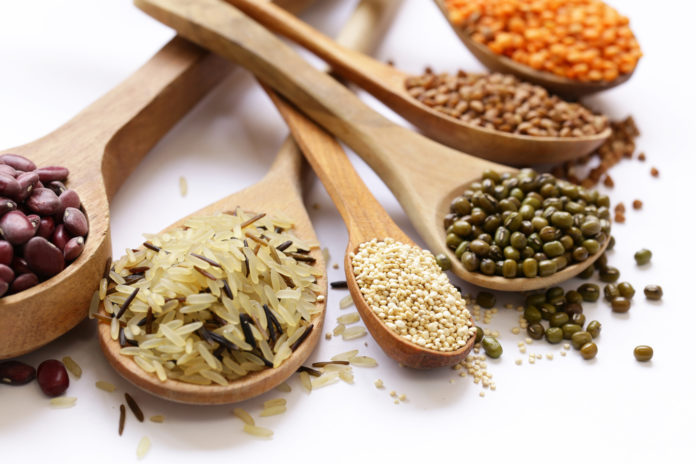
We already know there are some complete and incomplete sources of protein - if not, check out our article on plant proteins and how to get complete sources. However, you can also read that incomplete sources are simply useless, and so it's completely pointless to consume them.
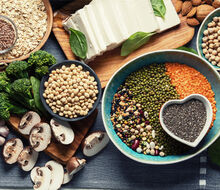
A lot of the claims about plant-based proteins sound like bullshit, but let's face it, plant-based proteins have never been all the rage in the fitness industry. The blame lies with general ignorance and the amount of misinformation floating around the internet. Whey and casein products are probably always going to be at the top when it comes to the popularity of protein powders and meat when it comes to other sources, but it's time to clear up some of the misconceptions about plant-based proteins and find out if they're worth adding to your diet or if they're really as useless as you might read elsewhere.
1. Plant proteins are inferior to animal proteins
A little heads-up: Proteins are made up of molecules called amino acids, which are the building blocks of life. These are further divided into essential and non-essential.There are nine amino acids that the human body cannot make on its own, so we can only get them from food. Foods high in animal protein (meat, eggs, dairy products) usually contain all nine of these amino acids, while plant-based protein foods (grains, nuts, beans) do not have a complete amino spectrum. This has long been interpreted to mean that plant proteins are of lower quality than animal proteins.
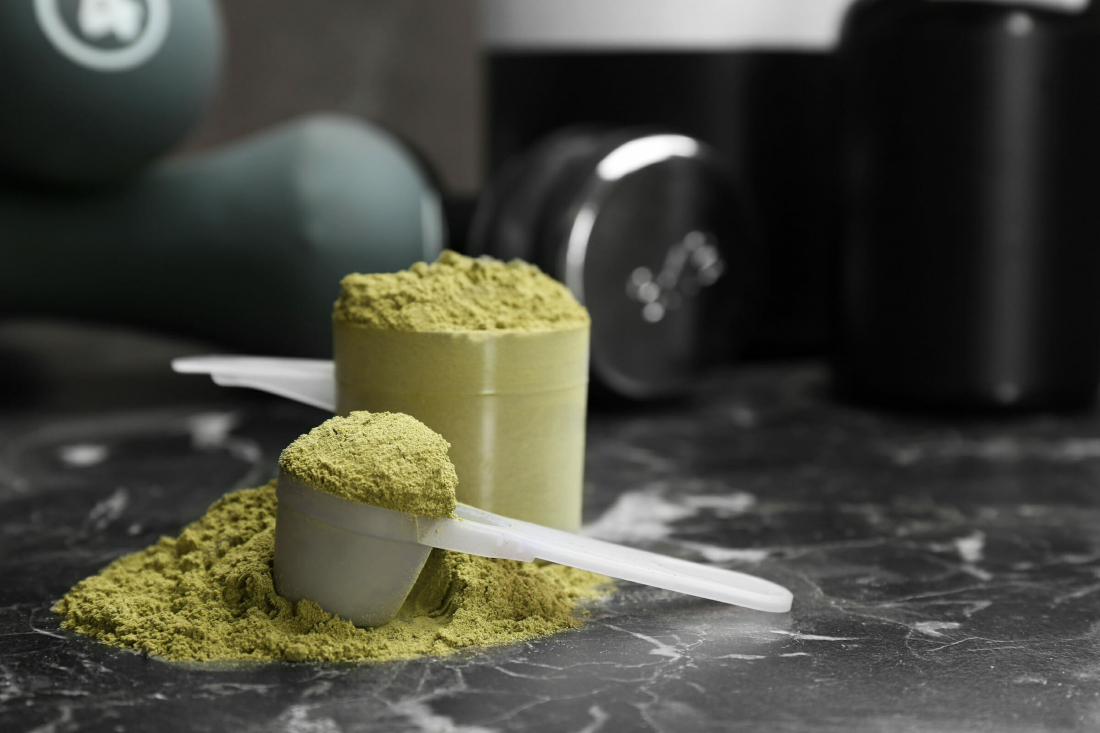
So the first misconception is that plant protein is of lower quality. A lot of people think that the amino acids in animal protein are somehow more efficient, higher quality, and allow you to recover and build muscle faster. In contrast, plant protein is inefficient, incomplete, low quality, and doesn't have enough power to help us with muscle recovery after hard workouts. As an added bonus, most carnivores will throw in the line about plant-based protein being only for vegans and vegetarians, people who go to yoga, pilates, and organic food freaks.
However, this is not true. The human body collects amino acids throughout the day , and if we take in enough of them, it combines them as needed to create what the body currently needs. With a balanced diet, enough variety of foods, variation of sources, and supplements, it is possible to recover, build muscle, and even reduce fat with the help of plant protein.
2. Incomplete protein sources are useless
Although most plant protein sources lack 1 or more specific essential amino acids, making plant proteins almost always an incomplete source of protein, there is research that supports their use to stimulate muscle protein synthesis, and a number of other health benefits.When you ingest incomplete protein - in any form - your body doesn't ignore it because it's incomplete; instead, it treats it like any other protein source, breaking it down into amino acids, which are then stored in the body until they're needed.
Take rice protein for example - a study published in 2013 specifically looked at the effect of substituting rice protein isolate compared to whey protein. Rice protein was noted to improve body composition in terms of muscle and adipose tissue, as well as an increase in strength. The results were virtually comparable to whey protein isolate supplementation - that's quite a surprise, isn't it?
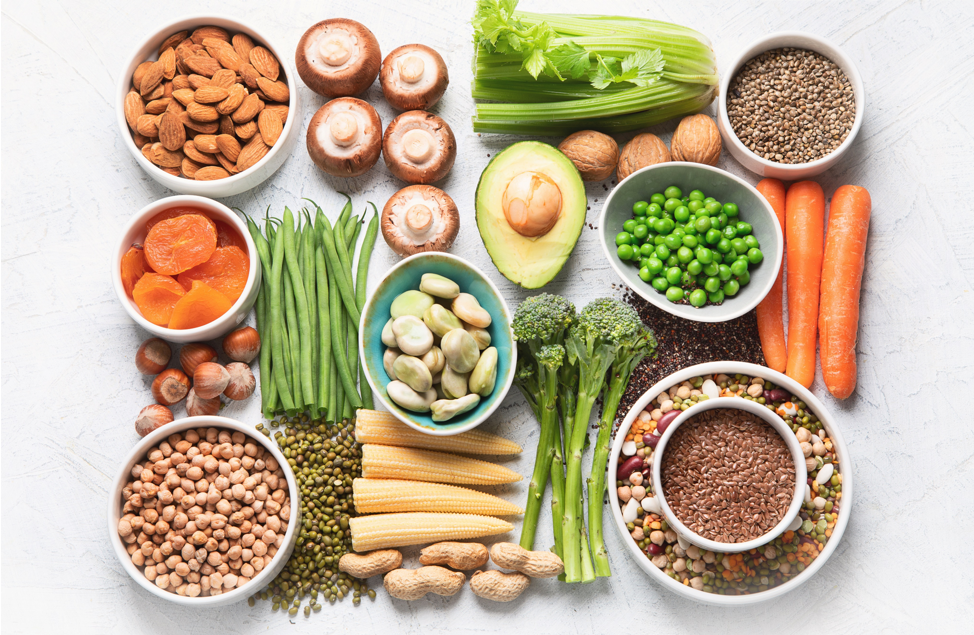
So yes, it's definitely advisable to take complete sources of amino acids, but it's also true that if you learn to combine sources properly throughout the day, you can fill your entire amino spectrum with plant protein just fine. Research on plant proteins is still in its infancy, but it is safe to say that rice protein, for example, has less cholesterol and sodium than animal sources such as whey protein, and so can be very beneficial for individuals who struggle with blood pressure.
3. Plant proteins have too many carbohydrates
Many common sources of vegetarian and vegan protein come from grains and legumes, which logically have a naturally higher carbohydrate content than, say, meat or dairy. People who consume protein powder usually want to add mainly protein to their diet, not other carbohydrates. This is especially true for those who subscribe to ketodiets, or simply limit their carbohydrate intake. These people are the ones who denounce plant proteins for their higher carbohydrate content, and so they often don't bother to check how much carbohydrate a plant protein actually contains.
The truth is that although plant sources such as rice are often classified as high-carbohydrate foods, they can also be a pretty significant source of plant protein. When cereals are made into a protein supplement, the carbohydrates in these protein products are largely eliminated, while the amino acid profile is improved. This is also true for the proteins found in quinoa, lentils and chickpeas.
As you can see, the carbohydrate content of plant-based proteins is not nearly as high as most of you must have assumed. Most of the whey proteins available on the market contain at least 3 grams of carbohydrates and cc 20g of protein per scoop, so as we can see, the forces are quite balanced in these respects.Additionally , plant proteins are very often designed to contain that "complete amino spectrum". Since many plant proteins will also enrich your post-workout shake with a wider range of important nutrients than a whey shake alone for the same total calorie content, plant proteins compete with animal proteins much more strongly than you might think.
Recommended
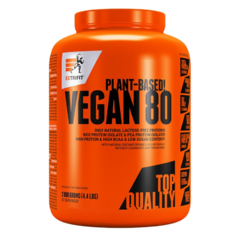
Extrifit Vegan 80
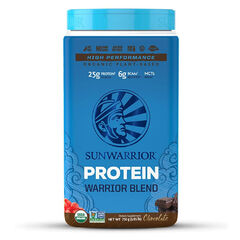
Sunwarrior Protein Blend Bio
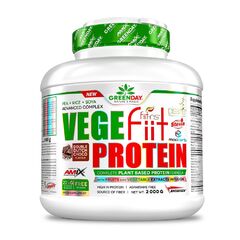
Amix Vegefiit Protein
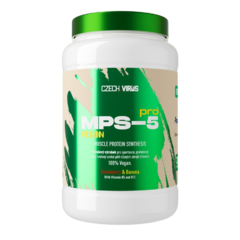
Czech Virus MPS-5 Pro Vegan
4. Men grow breasts after soy products
Number one of all the myths you can learn about vegetable protein. This fallacy has reigned among fitness buffs for years and will probably never die out. Soy protein is frowned upon by most bodybuilders because they are afraid that eating soy can lead to tissue growth in the breast area and then the man has big breasts, almost like a woman. The idea goes like this: Unlike whey or casein , soy contains phytoestrogens, plant compounds that have a similar structure and function to estrogen, which in larger amounts results in just those feminine breasts.
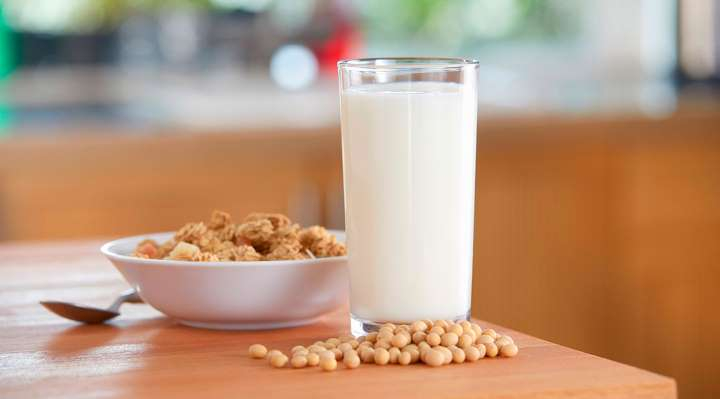
Yes, it's true that gynecomastia, or swollen male breast tissue, is linked to an imbalance between the hormones estrogen and testosterone, but it's also true that phytoestrogens don't directly affect estrogen levels unless you take them in really large amounts. Well, and even then, it's actually kind of moot. A 2010 study actually concluded that even high levels of phytoestrogens in healthy men do not cause gynecomastia, nor do they have any other "feminizing" effects. So as long as you don't eat anything but soy, and in very excessive amounts, you can be quite relaxed.
For now, there is no research that proves that soy has the direct ability to make men the fairer sex, meaning looking at their chests, so when you want to have tofu or any other source containing soy protein, you can have it without too much worry because you won't grow any giant boobs at night, really. It' s important to look for more fermented sources (tempeh, miso, natto). The extra fermentation of soy provides precious vitamin K, a powerful antioxidant that helps with calcium absorption. On the other hand, we should avoid genetically modified soya and we also do not want it in products where it is used as a cheap source of protein to visually increase their content. It is therefore very important to distinguish WHERE, IN WHAT FORM and WHAT function soy protein has. We even find studies that say that nations that consume more soy fermented products have lower percentages of people suffering from breast, colon and prostate cancer.
5. After hemp protein you will test positive for drugs
This may sound like a silly question, but it' s true that such fallacies are circulating on the internet. So, we can reassure you right from the start that you will not test positive for drugs or become addicted to drugs after consuming hemp protein. Although hemp and marijuana come from the same plant, Cannabis sativa L., industrial hemp contains only 0.3 to 1.5 percent of tetrahydrocannabinoids (THC), the narcotics for which marijuana is typically used. And this level is not high enough to feel any effects at all in this sense. And not only is the THC level in hemp food barely measurable, but hemp contains a relatively high percentage of another cannabinoid, cannabidiol (CBD), which actually blocks the effects of marijuana.
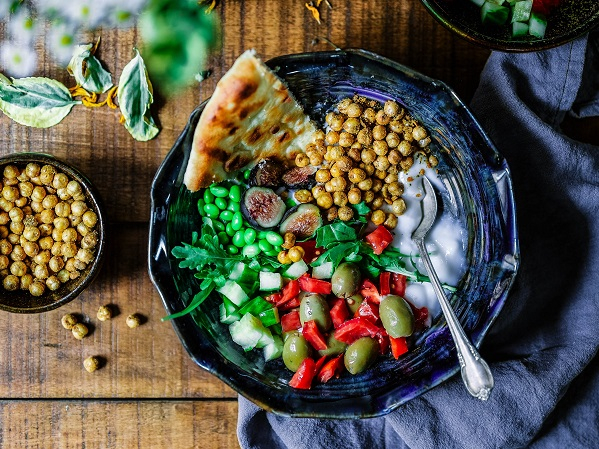
Hemp protein may not be a complete protein in itself, but it does offer some unique benefits. For one, hemp protein powder has a high digestibility, which means the bioavailability is above average, allowing your body to utilize the amino acids faster. Hemp protein powder also has a higher fiber and omega-3 content than almost any other protein, which could offer additional health and weight loss benefits.
What to take away from the article
There are many myths about plant-based proteins, but you can benefit quite a bit from incorporating them into your diet and supplementation. With decent digestibility and absorption, excellent levels of other nutrients , and less environmental impact, you basically have nothing to lose and many benefits to gain. Today we said that plant proteins are not useless even if they don't contain the complete amino spectrum, because if you take in several different types of protein during the day, your body can arrange the amino acids during the day so that it has enough of them. Soy protein won't make men grow women's breasts and hemp protein won't make you feel like you've taken drugs.
Plant proteins definitely have a lot to offer, but we should still keep in mind that it is ideal to combine both types of proteins - both plant and animal - because humans are naturally omnivores, but of course if you are a vegetarian, vegan or just don't feel comfortable with meat, there is no problem in taking protein from plant sources and even that can be very effective if you do it right.
Sources:
https://www.ncbi.nlm.nih.gov/pubmed/19524224
https://www.ncbi.nlm.nih.gov/pmc/articles/PMC2981011/
https://www.ncbi.nlm.nih.gov/pubmed/20378106
https://www.ncbi.nlm.nih.gov/pubmed/8058523
https://www.ncbi.nlm.nih.gov/pubmed/16595782
https://www.ncbi.nlm.nih.gov/pubmed/15798082
https://www.ncbi.nlm.nih.gov/pubmed/11110027
https://www.ncbi.nlm.nih.gov/pubmed/18652749
https://nutritionj.biomedcentral.com/articles/10.1186/1475-2891-12-86
https://www.vice.com/en_us/article/vdb383/no-eating-soy-isnt-going-to-give-you-manboobs
https://academic.oup.com/humupd/article/15/4/423/733861
No posts have been made yet.








